admin
admin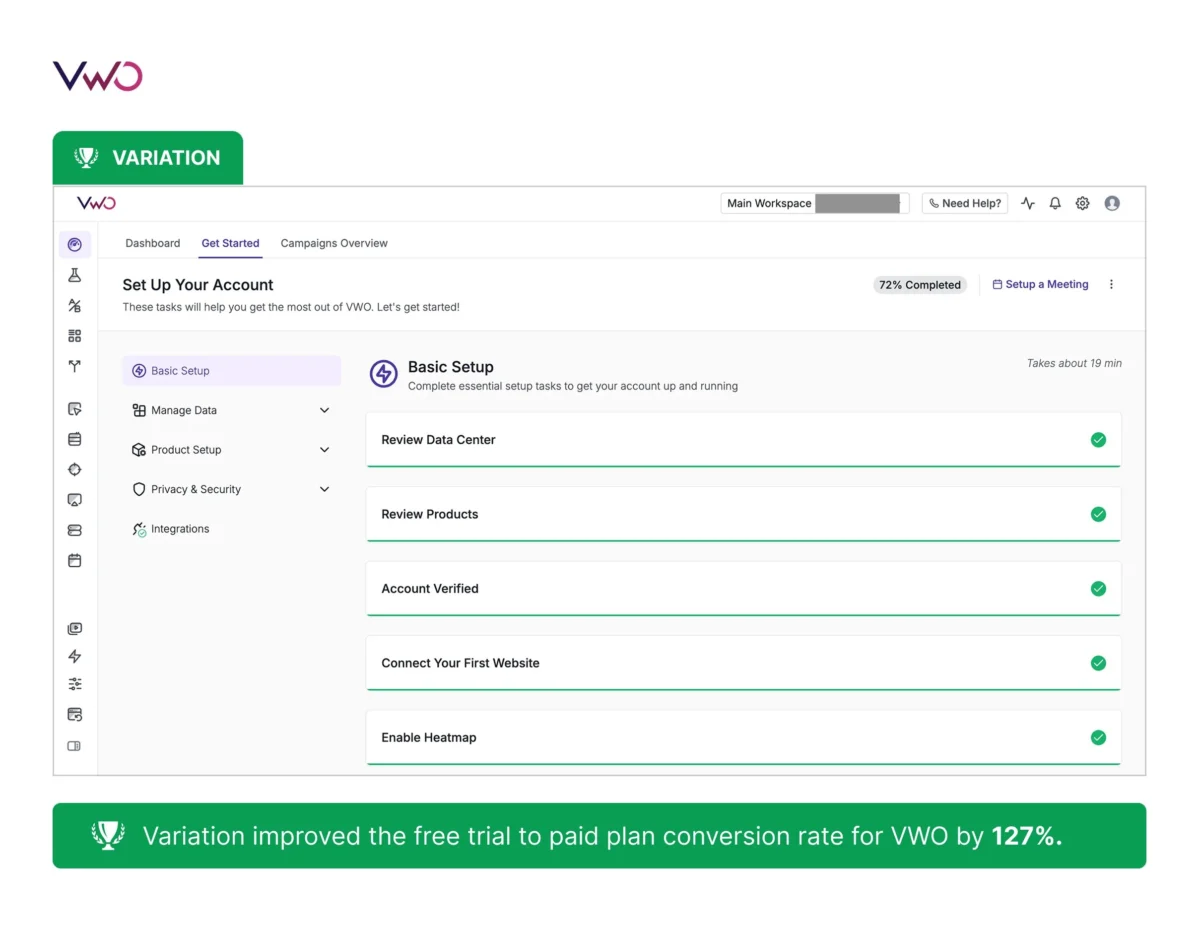
The global digital landscape has reached a critical inflection point where the traditional boundaries between marketing and service have dissolved into a single, continuous user journey. As market saturation intensifies and customer acquisition costs (CAC) continue to climb, industry data suggests that the battle for market share is no longer won through the loudest advertisement, but through the most seamless experience. Current market research indicates that 65% of consumers now prioritize a single positive interaction over even the most sophisticated advertising campaigns, signaling a fundamental shift in how brands must approach growth. In this environment, customer experience (CX) analytics has emerged as the essential framework for translating raw behavioral signals into sustainable revenue.
The Evolution of Customer-Centric Business Models
To understand the current reliance on CX analytics, one must look at the decade-long transition from "gut-feeling" marketing to data-driven operations. In the early 2010s, businesses focused primarily on vanity metrics such as page views and click-through rates. However, as the digital economy matured, these metrics failed to explain why customers were abandoning carts or why brand loyalty was eroding despite high traffic. By 2020, the global pandemic accelerated digital adoption by nearly five years, forcing companies to interact with customers almost exclusively through digital touchpoints. This shift created a massive influx of data but also highlighted a "clutter" problem: companies had plenty of information but little insight.
Entering 2026, the maturity of artificial intelligence and machine learning has allowed CX analytics to move beyond retrospective reporting. It is now a predictive and prescriptive tool. Modern CX analytics involves the systematic collection and interpretation of data across every possible touchpoint—from mobile app interactions and website heatmaps to customer support logs and social media sentiment. The goal is to move beyond the "what" of user behavior to the "why," uncovering the emotional and functional drivers of the customer journey.

The Four-Step Cycle of Modern Experience Analytics
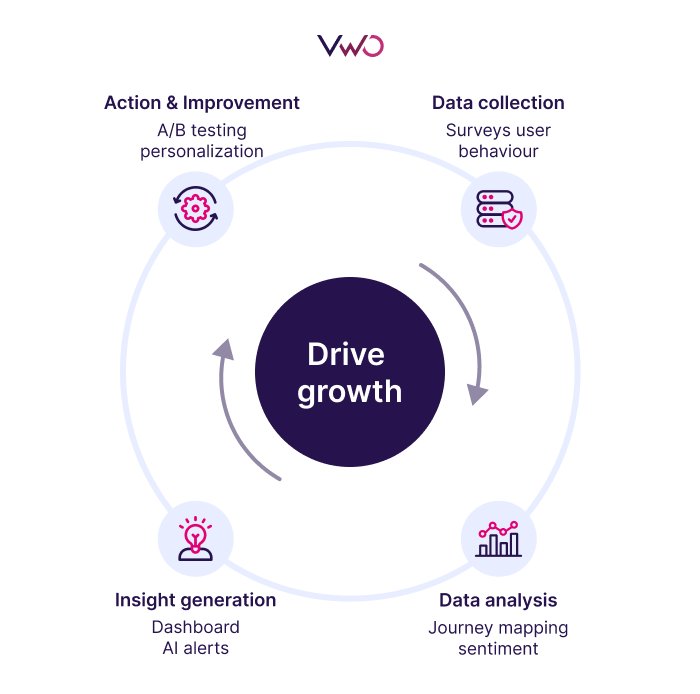
The implementation of an effective CX analytics strategy follows a rigorous, four-stage lifecycle designed to ensure that data leads directly to institutional change.
1. Comprehensive Data Aggregation
The foundation of the process lies in breaking down data silos. Historically, marketing data lived in one database while customer support logs lived in another. Modern CX frameworks utilize Customer Data Platforms (CDPs) to aggregate diverse data streams. This includes quantitative data (transaction history, session duration), qualitative data (survey responses, voice-of-the-customer feedback), and behavioral data (rage clicks, mouse hovering patterns, and navigation paths).
2. Pattern Recognition and Deep Analysis
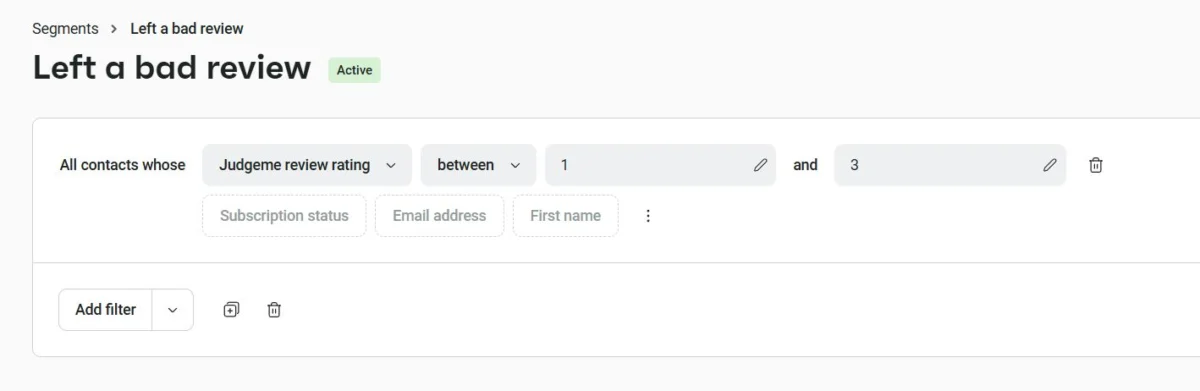
Once data is centralized, cleaning and standardization protocols are applied to ensure accuracy. Analysts use segmentation to look at specific cohorts—such as high-value repeat buyers versus first-time visitors—to identify where friction occurs for different demographics. Advanced techniques, including sentiment analysis and journey mapping, help visualize where the "emotional drop-off" occurs in a digital experience.
3. Visualization and Insight Generation
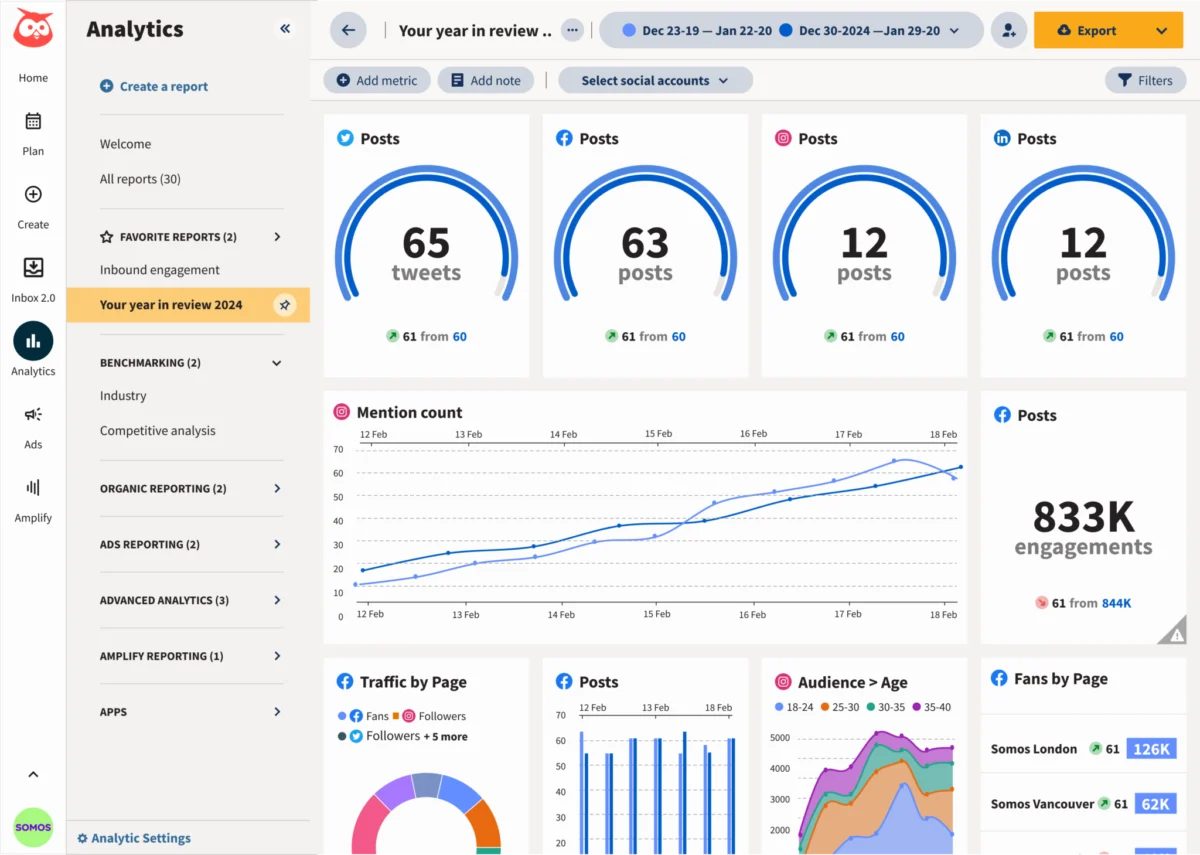
Data is only as valuable as it is understandable. The third stage involves the creation of interactive dashboards that go beyond simple charts. These platforms often incorporate heatmaps that show where users are looking and clicking, alongside session recordings that allow product teams to watch a "replay" of a frustrated user’s journey. AI-driven capabilities now provide automated summaries, alerting stakeholders in real-time when sentiment scores dip below a certain threshold.
4. Continuous Optimization and Closed-Loop Feedback
The final stage is where the "analytics" becomes "action." Insights are funneled into cross-functional teams. For example, if analytics show that 40% of mobile users abandon a checkout page due to a slow-loading script, the technical team can prioritize a fix. The impact of these changes is then measured against original benchmarks, creating a cycle of continuous improvement.
Key Performance Indicators: Measuring the Intangible
To quantify the success of experience-led strategies, organizations have moved toward a specialized set of Key Performance Indicators (KPIs) that measure satisfaction, effort, and long-term value.
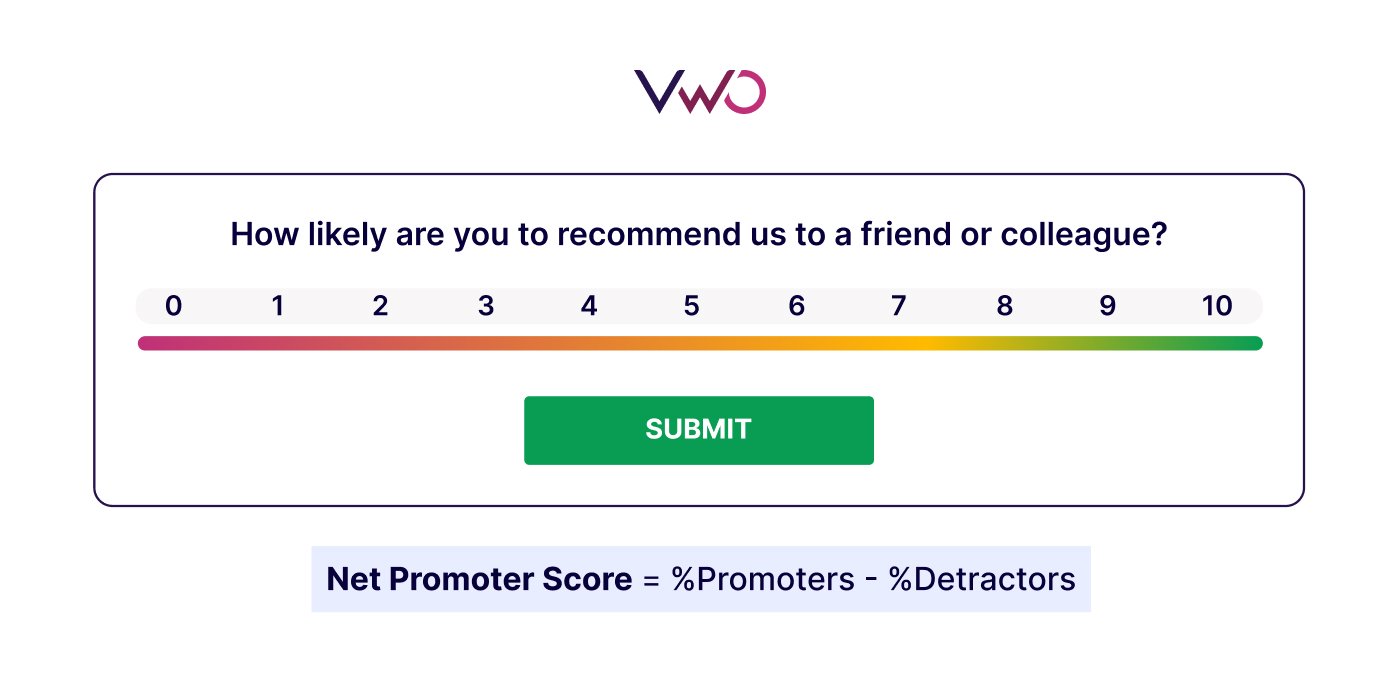
- Net Promoter Score (NPS): A measure of long-term brand advocacy and the likelihood of referral.
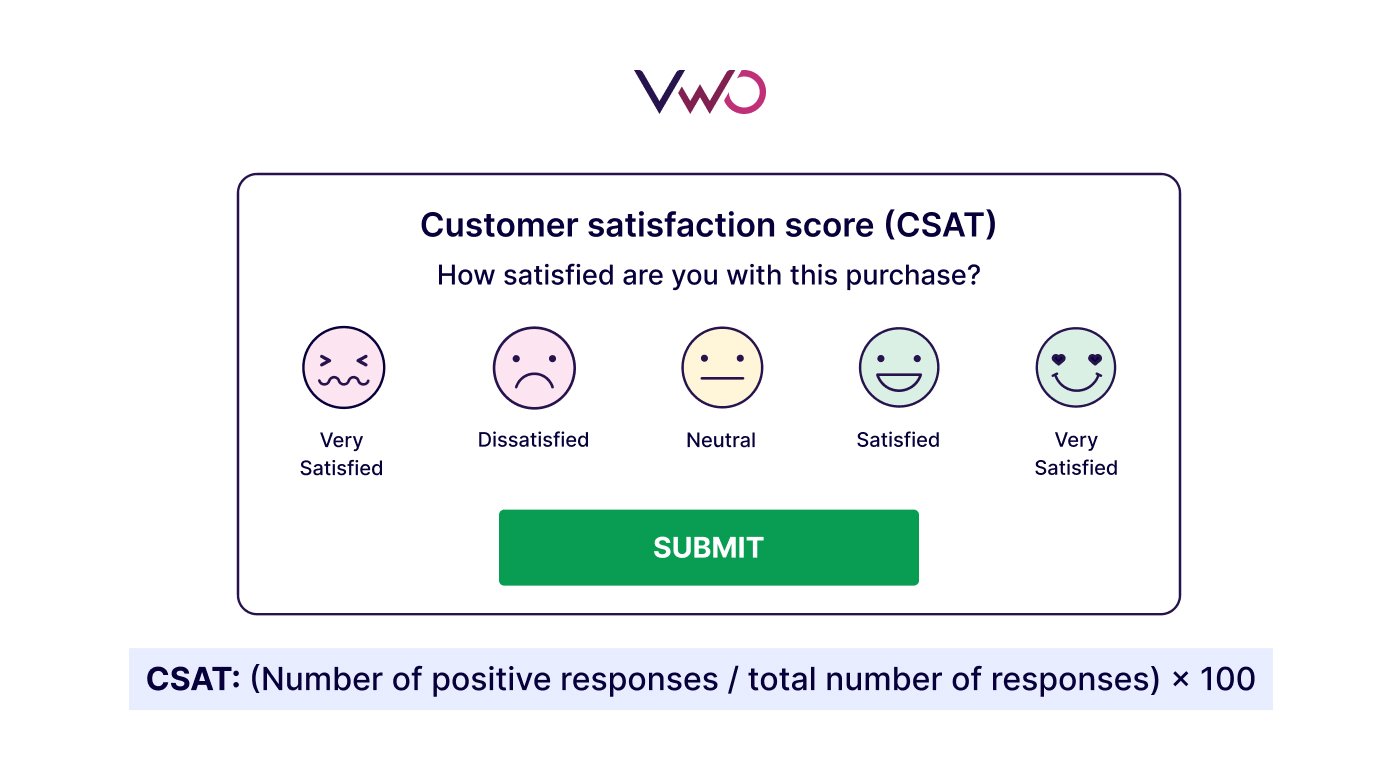
- Customer Satisfaction Score (CSAT): A transactional metric captured immediately after specific interactions to gauge short-term performance.
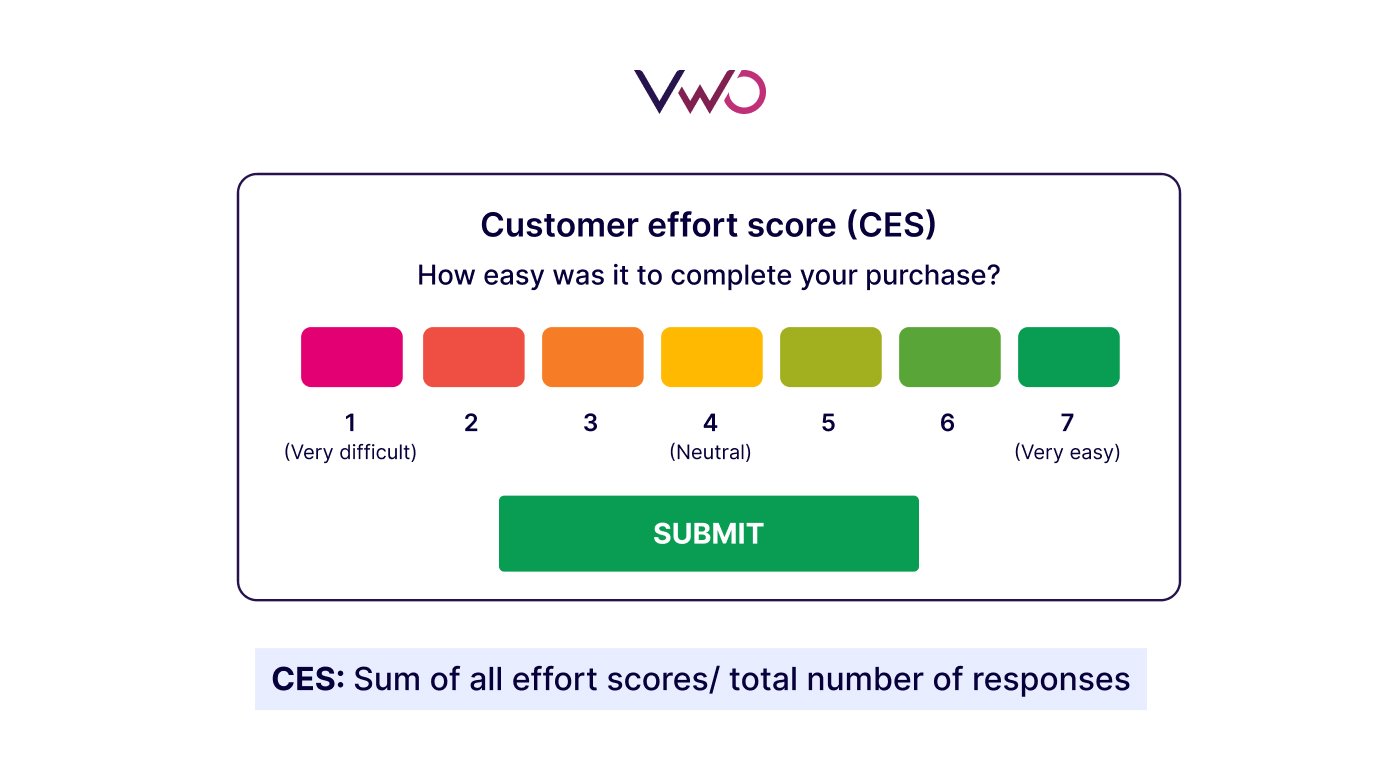
- Customer Effort Score (CES): Increasingly viewed as the most critical predictor of churn, CES measures how hard a customer has to work to resolve an issue or complete a purchase.
- Customer Lifetime Value (CLV): The total projected revenue from a single customer, which serves as the ultimate metric for experience-driven ROI.
- First Contact Resolution (FCR): In the service sector, this measures the efficiency of support teams in resolving issues without requiring follow-up interactions.
Industry Benchmarks: CX Analytics in Practice
The practical application of these theories is best observed through recent case studies across various sectors, where data-backed interventions led to significant financial gains.
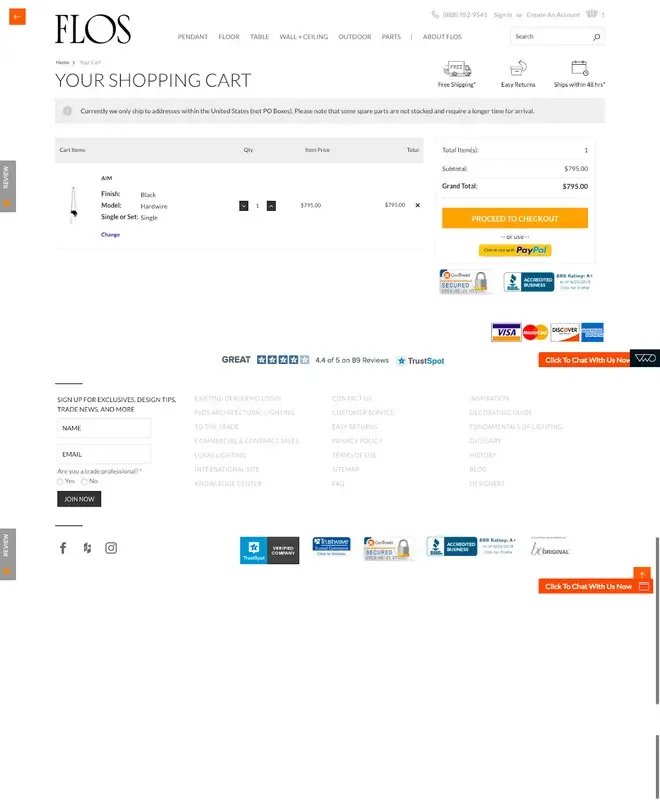
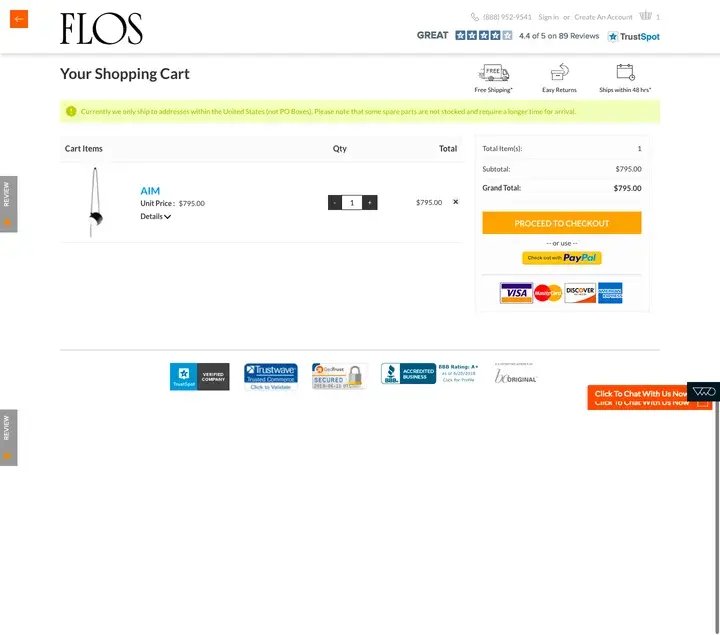
In the eCommerce sector, FLOS USA, a high-end lighting retailer, utilized behavioral analytics to investigate low conversion rates despite high traffic. By analyzing session recordings and heatmaps, the brand identified that its checkout process was overly complex for its premium clientele. By simplifying the UI and removing unnecessary form fields based on user behavior data, the company was able to remove "hidden friction," leading to a measurable spike in completed transactions.
In the telecommunications industry, Tele2 faced challenges with declining renewal rates for mobile subscriptions. Through deep-dive journey analysis, the company discovered that users were overwhelmed by the number of choices presented during the renewal phase. By utilizing CX analytics to segment users based on their previous usage patterns and presenting a "recommended" simplified choice, Tele2 significantly boosted its retention metrics.
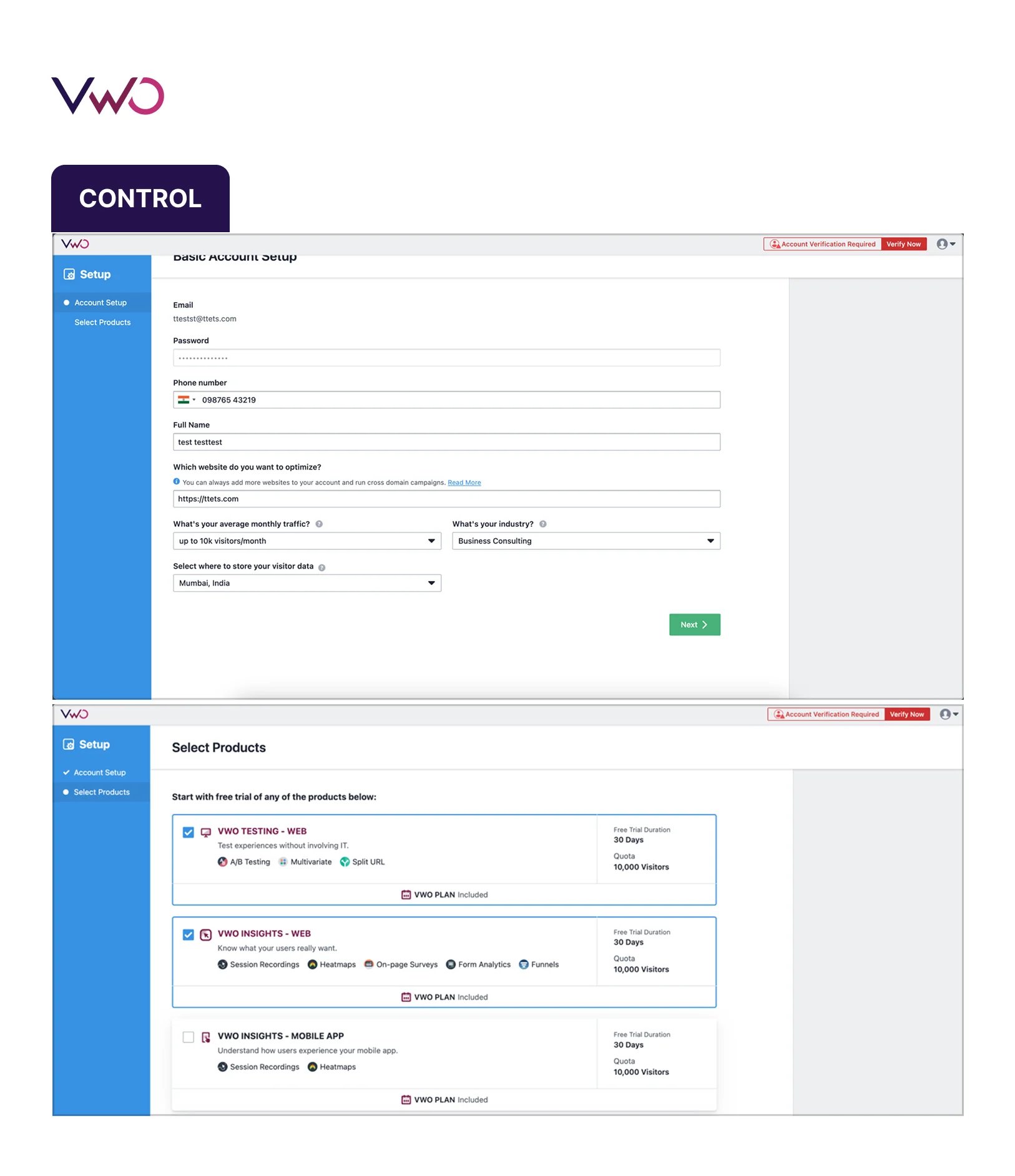
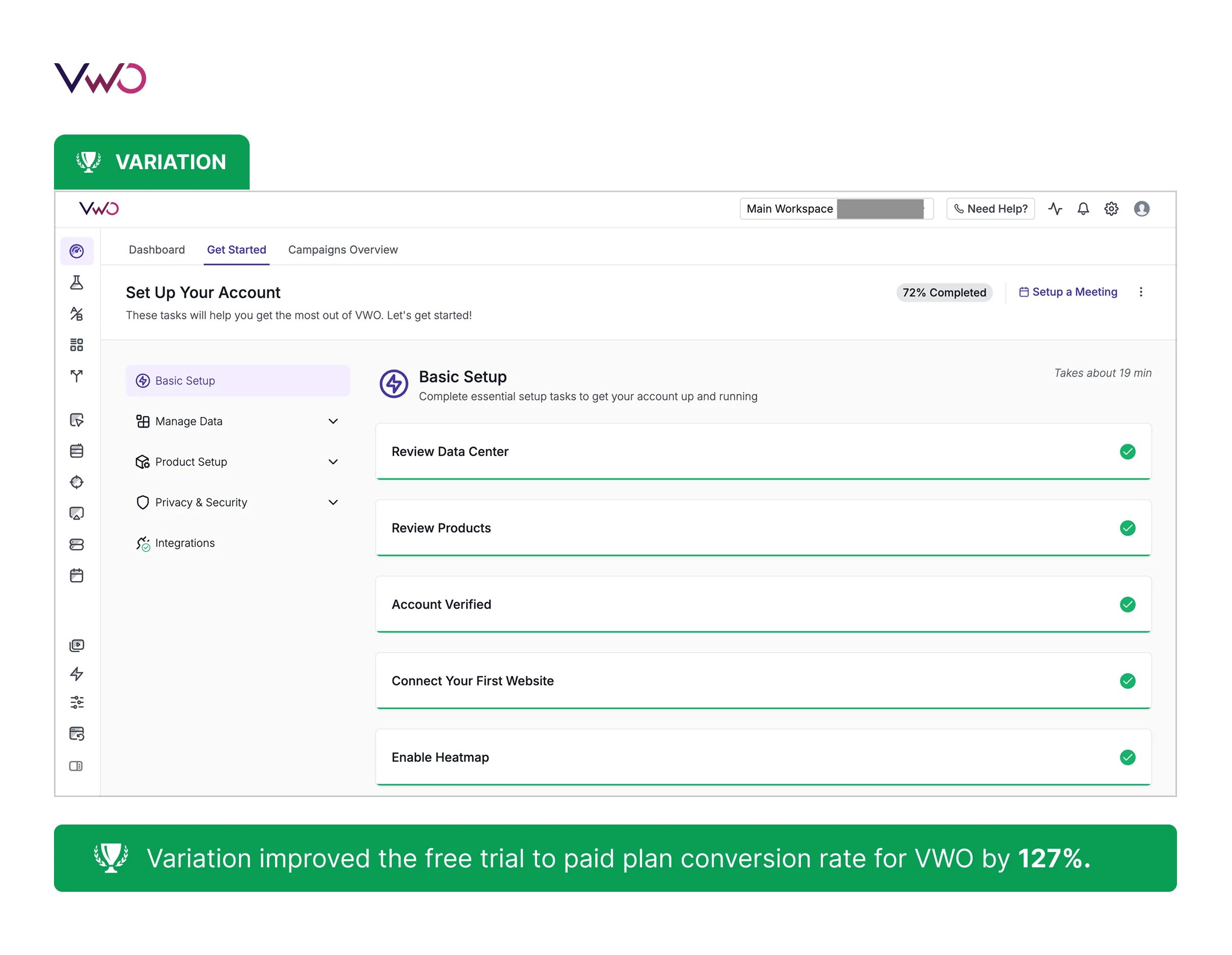
The SaaS (Software as a Service) industry also relies heavily on these tools for user onboarding. VWO, an industry leader in experimentation, applied its own analytics suite to refine its onboarding flow. By identifying where new users were most likely to stall in the setup process, they implemented a structured, guided experience that improved feature adoption rates and reduced early-stage churn.
In the service and distribution sector, Bunzl Retail & Industry sought to improve its eCommerce conversions. By mapping the entire user journey, they discovered that specific navigation elements were distracting users from the primary conversion path. A redesign informed by these insights allowed for a more focused user experience, aligning site architecture with actual user intent.
The Role of AI and Predictive Sentiment Analysis
As we look toward the remainder of 2026, the integration of Generative AI and predictive modeling is transforming CX from a reactive discipline to a proactive one. Companies are now using "Customer Sentiment Scores" derived from natural language processing (NLP). These systems can analyze thousands of customer service calls or chat transcripts in seconds, identifying the emotional tone of the interaction.
Predictive analytics can now flag "at-risk" customers before they even realize they are unhappy. If a user’s behavior patterns—such as a sudden decrease in login frequency combined with a high Customer Effort Score—match the profile of past customers who churned, the system can automatically trigger a personalized retention offer or a proactive reach-out from a success manager.
Broader Business Implications and Strategic Outlook
The shift toward CX analytics represents more than just a change in software; it represents a cultural shift in corporate governance. Historically, departments like Product, Marketing, and Customer Success operated in isolation. CX analytics acts as the "connective tissue" that aligns these departments under a single source of truth: the customer’s actual experience.
Industry analysts suggest that the implications of this shift are profound. Companies that successfully implement CX analytics see an average increase in revenue growth that outpaces their competitors by nearly 2:1. Furthermore, the efficiency gains from reducing repeat support tickets and optimizing conversion funnels directly improve bottom-line margins.
However, the transition is not without challenges. Data privacy remains a paramount concern. As third-party cookies are phased out, brands must rely on "zero-party" and "first-party" data—information that customers provide willingly in exchange for a better experience. This creates a "trust economy" where the quality of the experience is the primary currency.
Conclusion: The Path Forward
The evidence from the 2026 market indicates that the era of "growth at any cost" has been replaced by "growth through experience." Customer experience analytics provides the roadmap for this new reality, turning abstract behavioral signals into a concrete strategy for retention and revenue. For modern enterprises, the question is no longer whether to invest in CX analytics, but how quickly they can integrate these insights into their daily operations. As digital touchpoints continue to proliferate, the ability to listen to the customer at scale—and more importantly, to act on what is heard—will remain the definitive characteristic of market leaders. Through a combination of behavioral analytics, voice-of-the-customer feedback, and structured experimentation, businesses are now equipped to deliver the frictionless, relevant journeys that the modern consumer demands.