For retailers worldwide, the fourth quarter, culminating in Black Friday, represents the paramount revenue-generating period of the year. This annual financial surge is a constant. However, 2026 presents a distinctly different landscape, characterized by an unprecedented confluence of emerging technological disruptions and persistent economic headwinds that are fundamentally altering the dynamics of this critical sales window. This year, the usual seasonal pressures are amplified, demanding strategic recalibrations not just across entire businesses, but specifically within the intricate architecture of Pay-Per-Click (PPC) advertising accounts.
The ChatGPT Ads Frontier: A New Arena for Profitability
The emergence of ChatGPT as a significant force in global digital queries marks a paradigm shift in the advertising ecosystem. Recent estimates place ChatGPT’s weekly active users at an astonishing 900 million, processing an average of 2.5 billion prompts daily. This figure translates to an estimated 17% share of all global digital queries, a remarkable penetration that challenges Google’s long-standing near-monopoly. This milestone, the first time in two decades a platform has achieved double-digit market share against Google search, has prompted a significant allocation of marketing budgets towards exploring these nascent channels. Industry analysts indicate that organizations are earmarking between 10% and 15% of their total marketing expenditure for testing emerging platforms, with ChatGPT Ads emerging as a leading contender. The rapid adoption rate, with the platform achieving this level of engagement in the UK within approximately six months of its broader rollout, is unprecedented on both the advertiser and user fronts.
The development of ChatGPT Ads is a dynamic, public process, with OpenAI continuously introducing new features. In the recent weeks leading up to this crucial sales period, the platform has rolled out conversion-optimized bidding for product feed campaigns in a beta phase, integrated with Triple Whale for cross-channel measurement, and begun testing a multi-product carousel ad format. While these are valuable additions designed to enhance advertiser capabilities, they also serve as a potent reminder that the foundational tools are still evolving. This fluidity presents a significant challenge for advertisers navigating the busiest sales period of the year, where stability and predictability are often paramount.
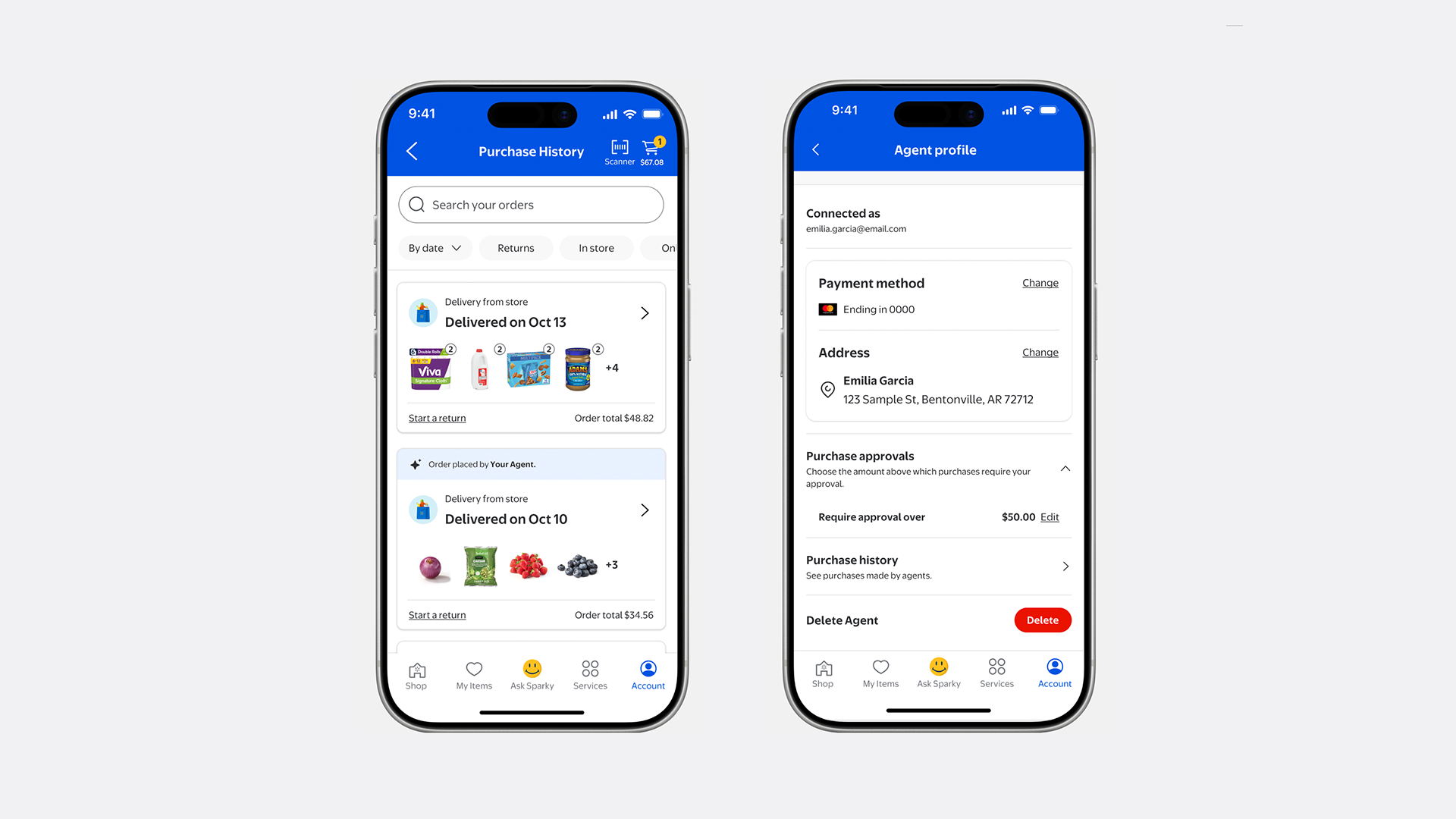
Nik Armenis, a specialist in testing ChatGPT Ads for e-commerce brands, has observed several key characteristics of the platform. He reports that Cost Per Click (CPC) rates are currently running higher than those on established platforms like Google and Meta. Furthermore, the reporting capabilities are described as thin, offering limited granular data. A significant limitation noted is the constrained room for optimization once ads are deployed. This necessitates a substantial shift in strategic focus, pushing the critical work upstream to the setup phase. Armenis emphasizes the importance of meticulously segmenting product offerings and constructing separate ad groups based on distinct categories and specific customer needs, rather than attempting to manage an entire catalogue under a single umbrella.
The implication for Black Friday advertising is clear: launching ChatGPT Ads on the cusp of the sale itself and expecting immediate profitability is an unrealistic expectation. Given the current limitations in real-time campaign adjustments, advertisers must adopt a proactive approach. This involves engaging with the platform early, investing time in thorough setup and precise targeting, and aiming to achieve a baseline level of profitability before the peak sales days arrive. Advertisers who delay their entry until the sale period commences will find themselves at a significant disadvantage compared to competitors who have already invested in this foundational work. Such late entrants risk operating at a financial loss during the very window where profitability is most crucial.
The Squeeze on Margins: Navigating Consumer Expectations and Global Disruptions
Retailers are approaching the Black Friday sales period with significantly less leeway on pricing than in previous years. Simultaneously, consumers are entering the market with heightened expectations for deeper discounts. This creates a palpable tension, a departure from the more routine pricing strategies of past holiday seasons.
Several interconnected factors are contributing to this margin squeeze. Persistent inflation has driven up the cost of goods. Escalating shipping costs, exacerbated by global supply chain disruptions, are further eroding profit margins. Moreover, intense competition from low-cost e-commerce platforms continues to exert downward pressure on pricing. All these elements converge as consumers, facing their own budgetary constraints due to economic pressures, are increasingly demanding greater value and more substantial price reductions.
The crisis in the Strait of Hormuz has had a direct and quantifiable impact on shipping costs. Vessels rerouting to avoid the affected region are experiencing transit time increases of up to two weeks. This disruption translates directly into higher input costs across the entire supply chain, ultimately impacting the final price of goods for both retailers and consumers.
Consequently, the prevalence of blanket discounts, such as "30% off everything," is expected to diminish this year. Instead, retailers are likely to adopt more nuanced promotional strategies, advertising "up to 30% off." This approach allows businesses to protect their margins more effectively by concentrating discounts on specific, strategically chosen products rather than applying broad-based price reductions across their entire inventory.
For PPC managers, this shift necessitates a fundamental re-evaluation of bidding strategies. Traditional strategies built on the assumption of uniform discount levels will likely fail to align with the reality of how retailers are promoting their products and how consumers are making purchasing decisions. The imperative is to construct campaigns with a focus on products that offer genuine margin potential for discounting. Furthermore, PPC teams must be prepared to dynamically reallocate budget towards those specific products where the interests of both the retailer (profitability) and the consumer (value) converge most effectively.

Early Starts: The Chronology of the Black Friday Season
The traditional timeline of Black Friday has undergone a significant evolution. A growing proportion of Black Friday-related promotional activity is now commencing in late October rather than the final week of November. Major retailers, including prominent UK chains like Currys and John Lewis, initiated their discounting campaigns as early as October 30th in the preceding year. Industry data consistently indicates that a majority of retail executives now perceive these earlier promotions as effectively pulling the entire holiday shopping season forward.
The practical implication for PPC strategists is the critical need for budget phasing adjustments. Accounts that are meticulously planned around a singular peak in late November will find themselves outmaneuvered by competitors who have already established their presence and begun capturing early demand weeks prior. This early-mover advantage is substantial. Advertisers who launch their campaigns before their competitors can tap into the demand from eager shoppers before the market becomes saturated with promotional offers. This strategic reality strongly advocates for allocating a portion of the advertising budget towards late October, rather than consolidating all resources for the traditional late-November peak.
Beyond Autopilot: The Perils of Leaving Budgets Unmanaged
A common approach to managing Black Friday campaigns involves utilizing Performance Max (PMax) asset groups without sufficient bid adjustments for crucial factors like margin strength, stock availability, or inventory fragmentation. While discounts significantly influence conversion rates once a sale is live, PMax’s learning period, typically around two weeks, is often insufficient to adapt to these rapid shifts in real-time. Consequently, bidding strategies can lag significantly behind actual conversion behavior, failing to capitalize on emerging trends or mitigate underperforming areas.
This issue is particularly acute in 2026 due to two primary reasons. Firstly, the two-week learning curve inherent in PMax often extends beyond the duration of the most critical sales window. By the time the algorithm has effectively learned which products are selling well, the prime opportunity to capitalize on that demand may have already passed. Similarly, by the time it identifies underperforming products, valuable budget may have already been expended in the process of discovery.
Secondly, the current climate of shipping disruptions makes stock fragmentation and potential delays more probable than in previous years. An automated system operating without direct visibility into real-time SKU availability is essentially functioning blind during the most critical period. This can lead to the misallocation of budget towards products that appear promising on paper but are, in reality, out of stock or facing fulfillment issues. Conversely, it may result in under-spending on fully stocked items that are ready to convert.
Past experiences have demonstrated the negative consequences of this automated approach. At a fundamental level, the solution involves integrating live stock data directly into advertising accounts. Furthermore, campaigns should be segmented to allow for the dedicated promotion of specific products through their own unique asset groups, rather than relying on a blended approach and hoping the algorithm will optimize effectively.
For those seeking a more advanced solution, a sophisticated approach involves developing a system that scores each product based on a comprehensive set of commercial viability metrics. These metrics typically include product margin, the depth of discount being offered, prevailing search demand, on-site sales performance, and current stock coverage. This score then dictates the aggressiveness with which a product is promoted, moving beyond simplistic rules like "these ten products receive more budget." Resources such as a free calculator, which outlines this product-by-product scoring logic, are available for advertisers seeking to implement similar analytical frameworks into their own product feeds.
When advertising budgets are left on autopilot during this critical period, the funds do not disappear; they are simply directed towards less optimal products, leading to missed revenue opportunities and reduced overall profitability.
Conclusion: A Complex Confluence Demanding Proactive Management
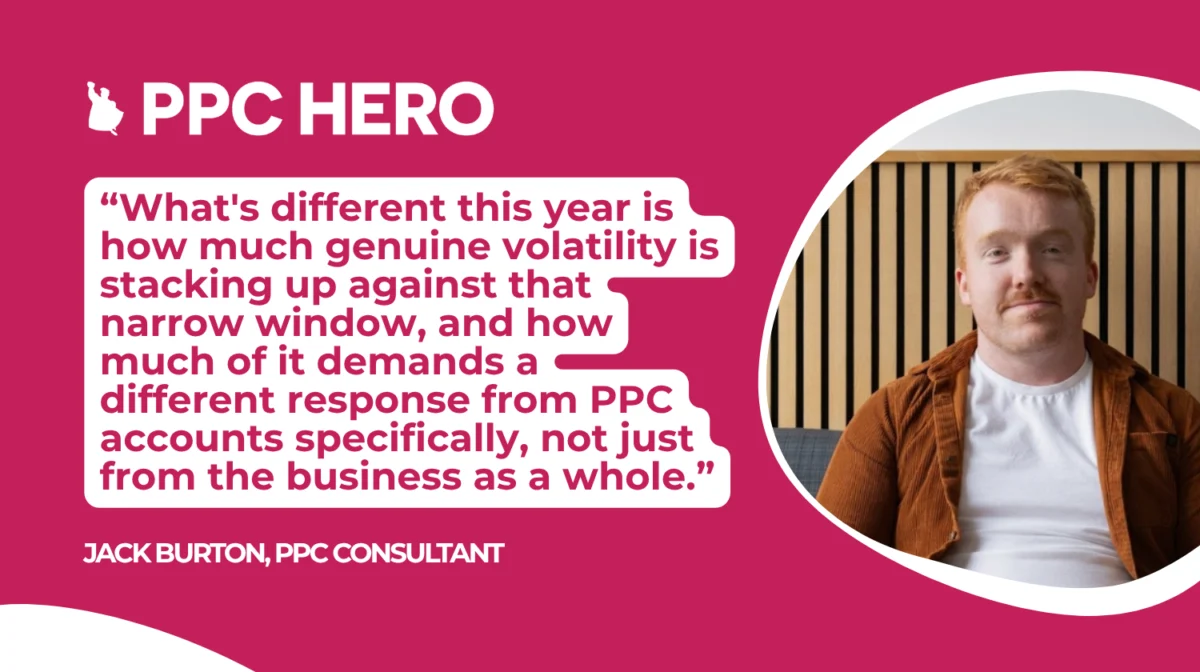
Individually, each of the four pressures discussed – the rise of AI advertising platforms, margin compression due to economic factors, shifting consumer expectations, and the evolving promotional timeline – presents a significant challenge. However, the true difficulty lies in navigating the simultaneous impact of all four pressures within the compressed timeframe of the holiday sales season, a period where even minor missteps in PPC strategy can prove exceptionally costly.
The current landscape is undeniably complex and presents a genuinely messy operational environment for advertisers. The imperative for businesses is to address these challenges proactively, commencing their strategic planning well in advance of the final weeks leading up to Black Friday. The most successful PPC campaigns this year will not be those that rely solely on the most advanced automation. Instead, they will be the campaigns meticulously managed by individuals who are actively monitoring key performance indicators, including profit margins, stock levels, promotional effectiveness, and overall sales performance. Crucially, these individuals must possess the agility and willingness to reallocate budget dynamically as market conditions and performance metrics evolve. The ability to respond decisively to changing numbers will be the defining characteristic of successful advertisers in the 2026 Black Friday sales season.

 Basiran
 Lina Irawan