

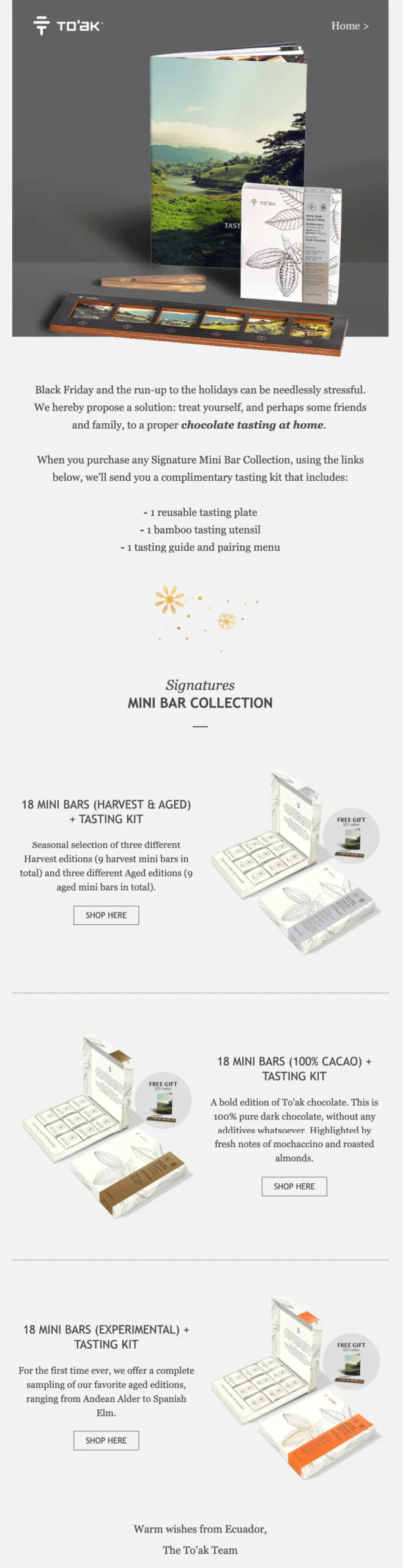
Effective Black Friday customer segmentation stands as a cornerstone for modern e-commerce success, moving beyond broad promotional blasts to deliver highly personalized and impactful marketing messages. This sophisticated approach involves categorizing shoppers based on their past purchasing behavior, engagement levels, and spending habits, enabling brands to craft tailored offers that resonate deeply with individual customer profiles. When executed meticulously, a well-defined segmentation strategy during the critical Black Friday Cyber Monday (BFCM) period can significantly elevate open rates, boost revenue per email, and safeguard a brand’s sender reputation amidst the year’s most intense commercial activity.
The Evolution and Context of Black Friday’s Commercial Landscape
Black Friday, traditionally the day after Thanksgiving in the United States, has dramatically evolved from a single-day retail frenzy into a global, multi-channel shopping phenomenon, extending into Cyber Monday and often encompassing the entire month of November. This expansion, often dubbed BFCM, reflects a significant shift in consumer behavior and retail strategies worldwide. What began as a physical store event has largely migrated online, fueled by the convenience of digital shopping and the aggressive promotional tactics of e-commerce giants. The sheer volume of transactions and the cacophony of marketing messages during this period underscore the challenge for brands to capture and retain customer attention. In 2023, Black Friday online sales alone reached a staggering $9.8 billion in the U.S., according to Adobe Analytics, marking a 7.5% increase year-over-year. Such immense market activity necessitates precision in marketing, making generic campaigns increasingly ineffective. Consumers, now accustomed to personalized digital experiences, expect relevant offers, making intelligent segmentation not just a best practice, but a competitive necessity.
The Science of Segmentation: Data-Driven Personalization at its Core
At its heart, Black Friday customer segmentation is a data-intensive process that divides an email and SMS subscriber list by actionable behavioral signals. This includes identifying last year’s BFCM buyers, those who frequently abandon carts, high-value VIP customers, and price-sensitive shoppers. The objective is to ensure each distinct group receives a unique, compelling offer designed to maximize conversion. Brands leverage a rich tapestry of data points, including historical purchase data, granular email engagement metrics, detailed browsing behavior, and precise cart abandonment records, to construct these targeted campaigns.
The primary advantage of this methodology lies in its reliance on data for unparalleled accuracy. By segmenting audiences based on order history and RFM (Recency, Frequency, Monetary value) data, businesses can discern purchasing patterns that are highly predictive of future behavior. Metrics such as Average Order Value (AOV) and Customer Lifetime Value (CLV) illuminate which customers are the most profitable, while insights into browsed categories and initiated carts provide a profound understanding of purchase intent. This data-driven precision ultimately translates into a higher return on investment (ROI) for email marketing efforts, a critical factor during periods of elevated marketing spend like BFCM. Industry reports consistently show that segmented campaigns can lead to a 760% increase in email revenue compared to non-segmented campaigns.
Strategic Implementation: Building and Deploying Effective Segments
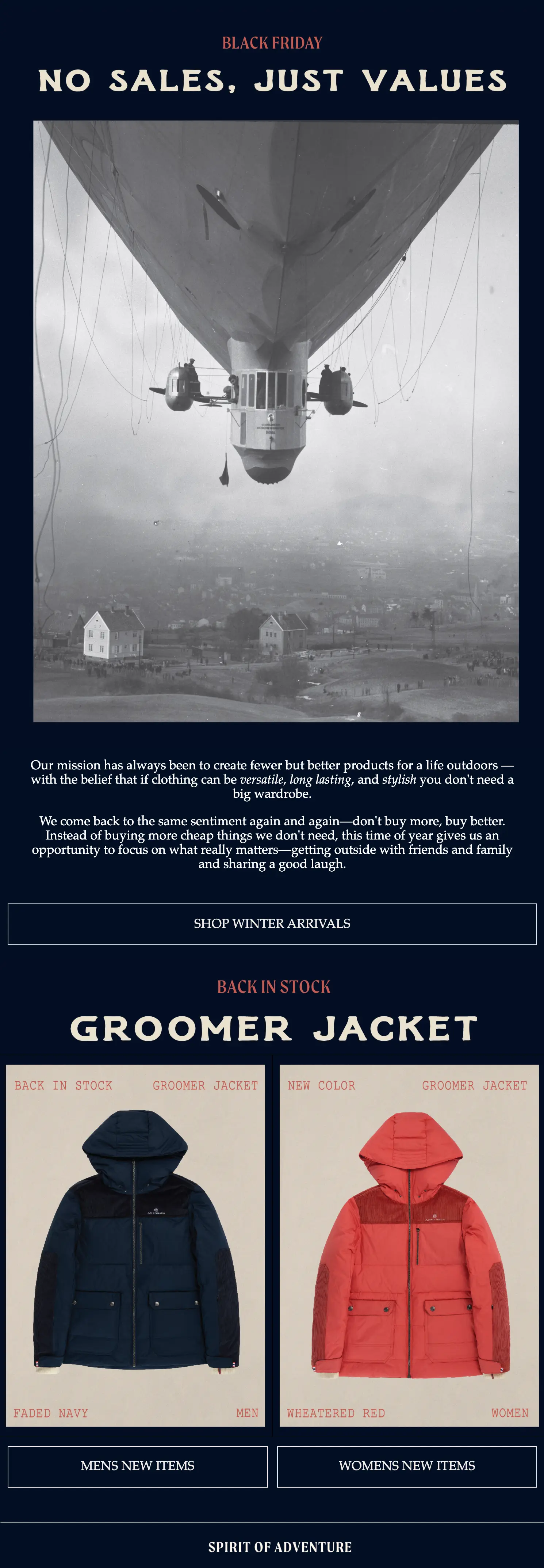
Constructing robust Black Friday customer segments involves a systematic four-step process: gathering comprehensive data, establishing clear objectives, translating data into actionable rules, and finally, deploying these segments within a chosen marketing platform.
-
Gathering Comprehensive Data: The preparatory phase for segmentation should commence several weeks prior to Black Friday. This foresight allows ample time to analyze shopper patterns, especially by reviewing data from previous BFCM events, which often reveal nuanced behavioral trends not apparent during other times of the year. Key data points for analysis include:
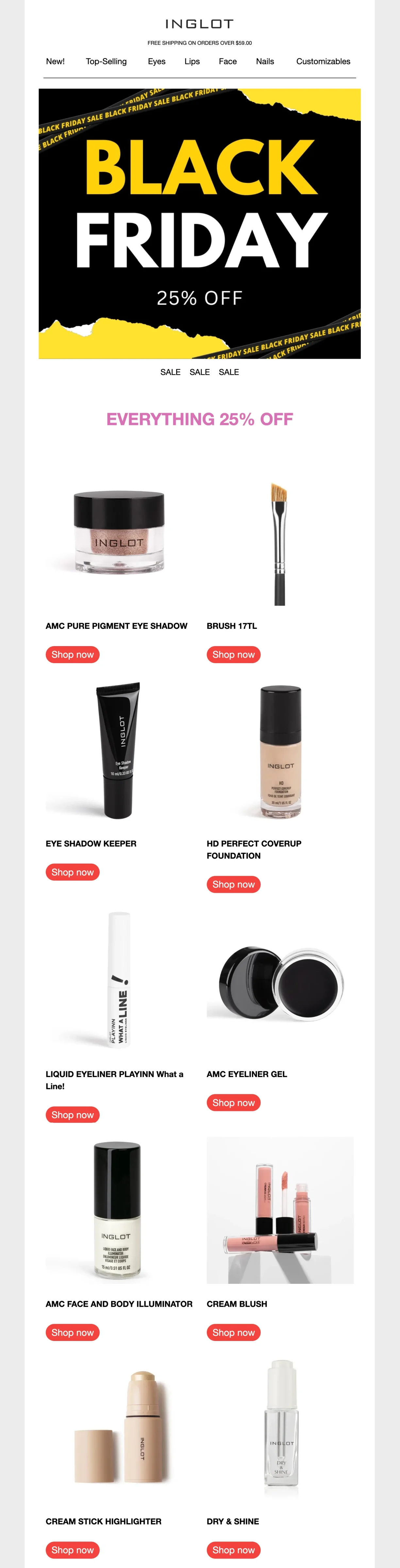
- Purchase History: What products were bought, when, and at what price?
- Email Engagement: Open rates, click-through rates, unsubscribes.
- Browsing Behavior: Pages visited, products viewed, time spent on site.
- Cart Activity: Items added, items removed, abandonment triggers.
- Demographics (if available): Location, age, gender, etc.
- RFM Scores: Recency (how recently they purchased), Frequency (how often), Monetary (how much they spent).
Continuous monitoring and refreshing of these metrics are crucial, as shopper behavior during peak days can be highly dynamic, providing real-time insights into campaign performance.
-
Setting Clear Objectives: Before launching any campaign, clearly defined goals for each customer group are essential. A shopper who consistently responds to deals but frequently abandons carts requires a different communication strategy than a loyal customer who makes purchases irrespective of sales. Assigning a specific, measurable metric to each segment’s goal—such as increasing AOV for VIPs or reducing cart abandonment for hesitant buyers—ensures a steady stream of accurate and detailed performance data, facilitating continuous optimization.
-
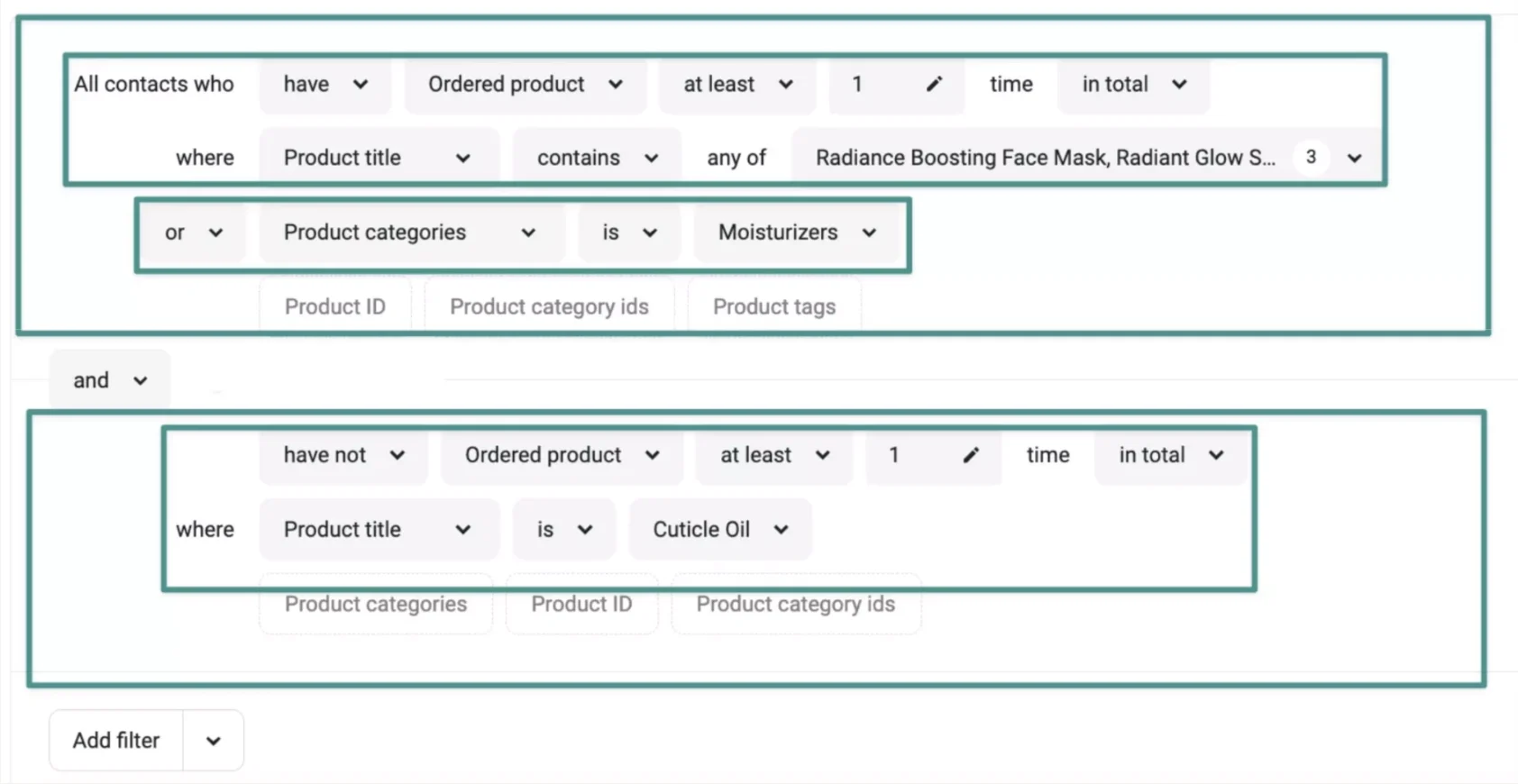
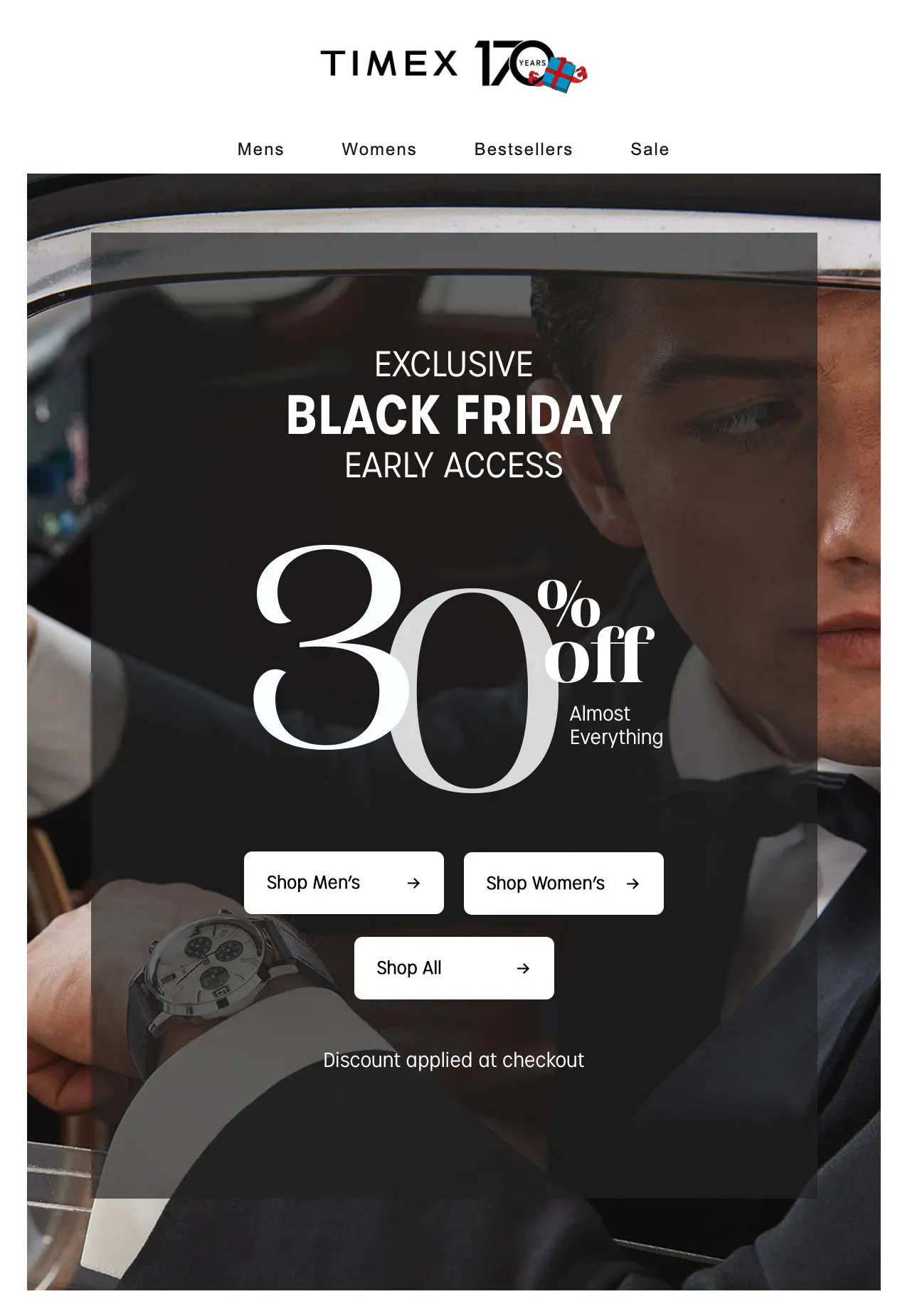
Translating Data into Actionable Rules: Once sufficient data yields workable insights, these insights must be converted into practical segmentation rules. This step streamlines the complex process of audience categorization. Examples of such rules might include: "Customers who purchased a specific product category more than twice in the last six months," or "Subscribers who opened at least three emails but haven’t purchased in the last 90 days." Crucially, brands must incorporate exclusion rules to prevent message fatigue and maintain relevance, ensuring that a customer who has just made a purchase isn’t immediately targeted with conflicting promotional messages. This approach aligns closely with customer lifecycle segmentation, which groups individuals based on their evolving relationship with the brand.
-
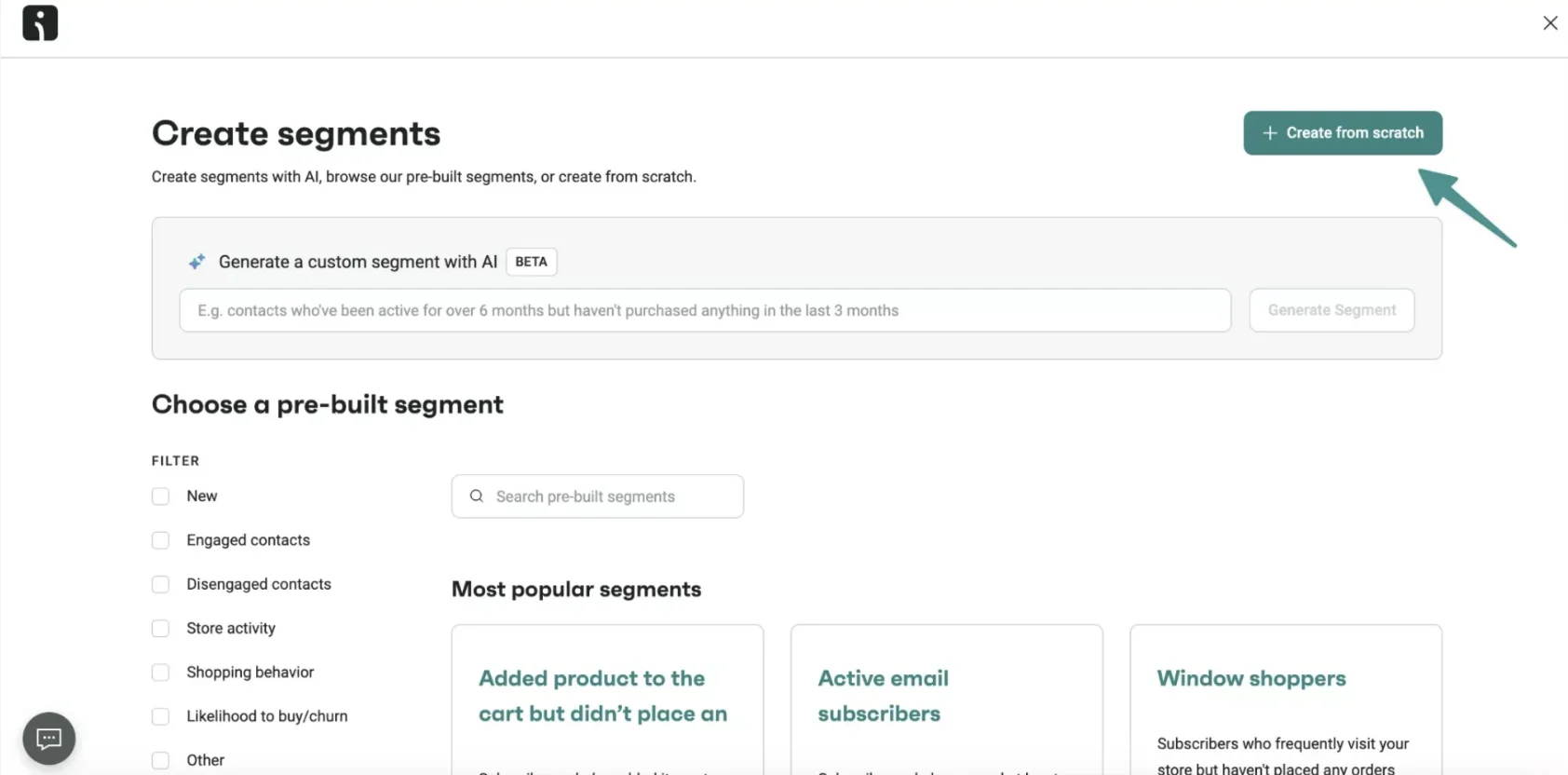
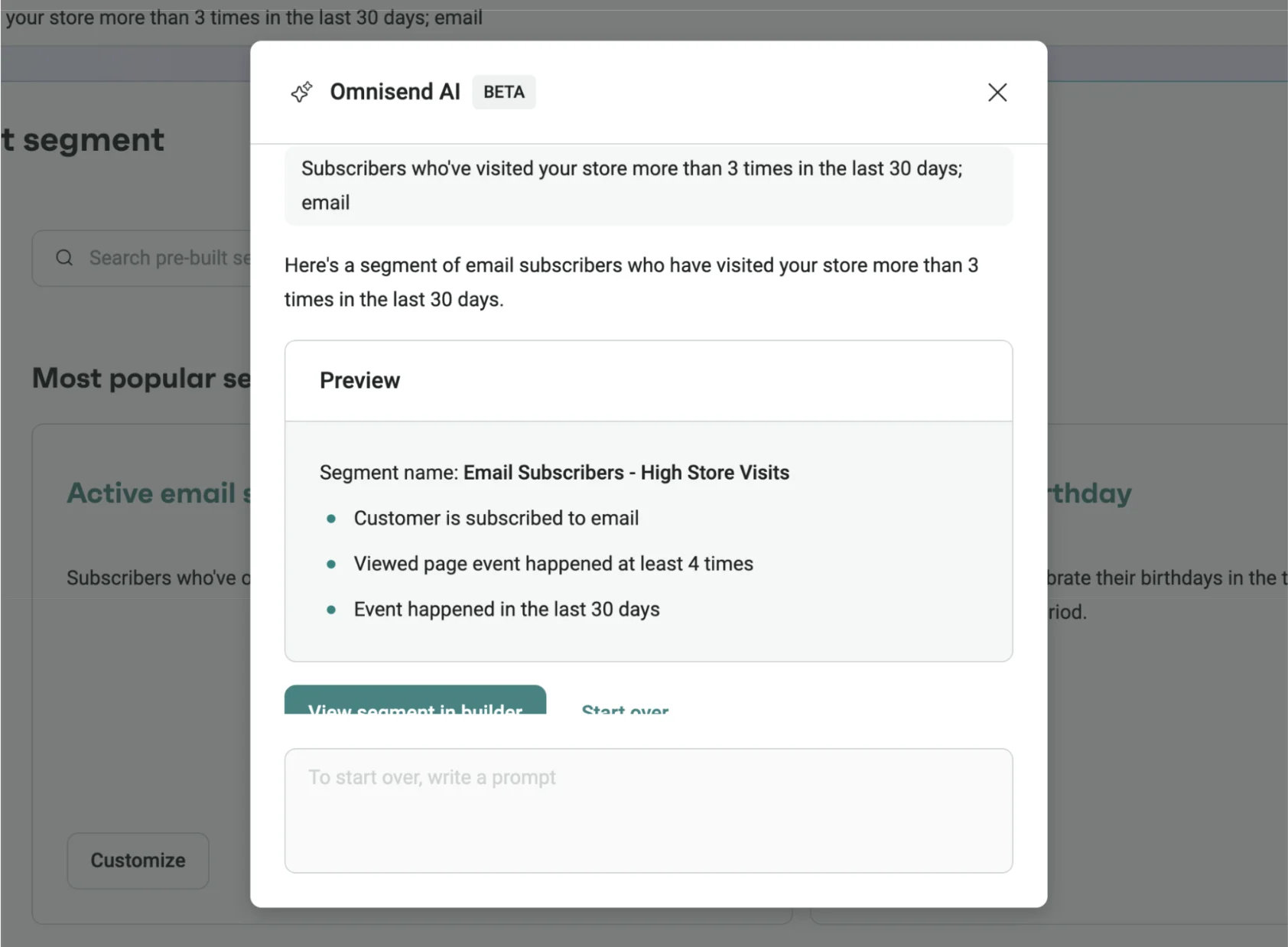
Leveraging Segments Across Platforms: While building highly specific segments for Black Friday may seem labor-intensive, many of these segments are reusable for other marketing campaigns throughout the year. Modern marketing automation platforms offer intuitive interfaces for segment creation, often including drag-and-drop builders or AI-powered tools. These AI segment builders can interpret plain-language descriptions, such as "customers who ordered more than once but didn’t open the last campaign," and automatically apply the relevant filters, significantly accelerating the process and reducing manual effort. This technological integration transforms data into dynamic, actionable audience lists.
Eleven High-Impact Black Friday Customer Segments
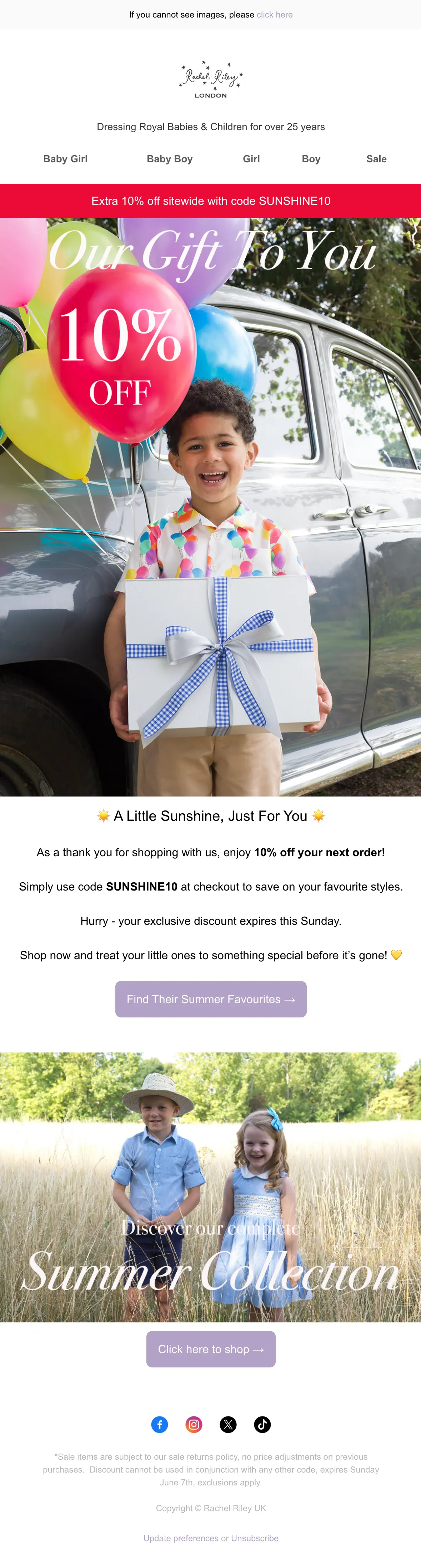
Effective segmentation for Black Friday hinges on isolating shopper intent and understanding their lifecycle stage. These eleven proven segments target customers based on established buying behaviors and engagement patterns, designed to yield optimal results:
- Highest-Value Customers: These are typically the top 5-10% of customers by lifetime value, or those who have made multiple purchases. Messaging should prioritize exclusivity over discounts, offering early access, priority shipping, or member-only bundles to protect VIP status and margins.
- Cart Abandoners: Shoppers who have added items to their cart but not completed the purchase. The focus here is on removing final hesitations rather than persuasion. Include visuals of abandoned products, clear shipping deadlines, and return policies. Offers can be tiered: free shipping for smaller carts, a standard discount for mid-value, and a small gift for high-value carts.
- Black Friday One-Time Buyers: Customers who purchased only once during a previous BFCM and haven’t returned. The goal is conversion to repeat buyers. Connect messaging to their previous purchase category, highlight new arrivals, and incorporate social proof.
- Lapsing Customers: Past customers who have ceased interacting with the brand. A personalized win-back strategy is key, leveraging historical purchase and browsing data to craft re-engagement offers.
- Recent Purchasers: Buyers within the last 30 days. These customers should be excluded from generic Black Friday discounts to prevent buyer’s remorse. Instead, send appreciation messages, offer complementary products, extended return periods, or value-add content.
- Price-Sensitive Buyers: Shoppers who frequently use coupons. Engage them with tiered discounts or bundle deals tied to spending thresholds to increase order value without eroding overall brand perception.
- Loyal Repeat Purchasers: Customers who make regular purchases without heavy discounting. Focus on recognition and early access to new products or collections, offering VIP perks to deepen loyalty and maintain margins. A Deloitte study highlighted that loyalty programs can encourage 72% of consumers to spend more.
- Engaged Non-Buyers: Subscribers who interact with marketing content but haven’t purchased. These hesitant buyers need assurance. Emphasize trust signals like customer reviews, testimonials, and best-seller lists rather than deep discounts.
- Category Browsers: Customers who repeatedly view products within a specific category without purchasing. Target them with category-specific comparisons, relevant bundles, or cross-selling opportunities once they convert.
- Regional Customers: For multi-region brands, localization is paramount. Segment by geography to adjust timing, currency, product focus, and shipping cutoffs according to regional preferences and cultural nuances.
- Gift Shoppers: Subscribers who view gift pages or purchase gift cards. Their intent is often quality and usability for others. Provide gift guides, price-point gift ideas, and gift card promotions instead of generic sitewide discounts.
Multi-Channel Engagement: Orchestrating the BFCM Campaign
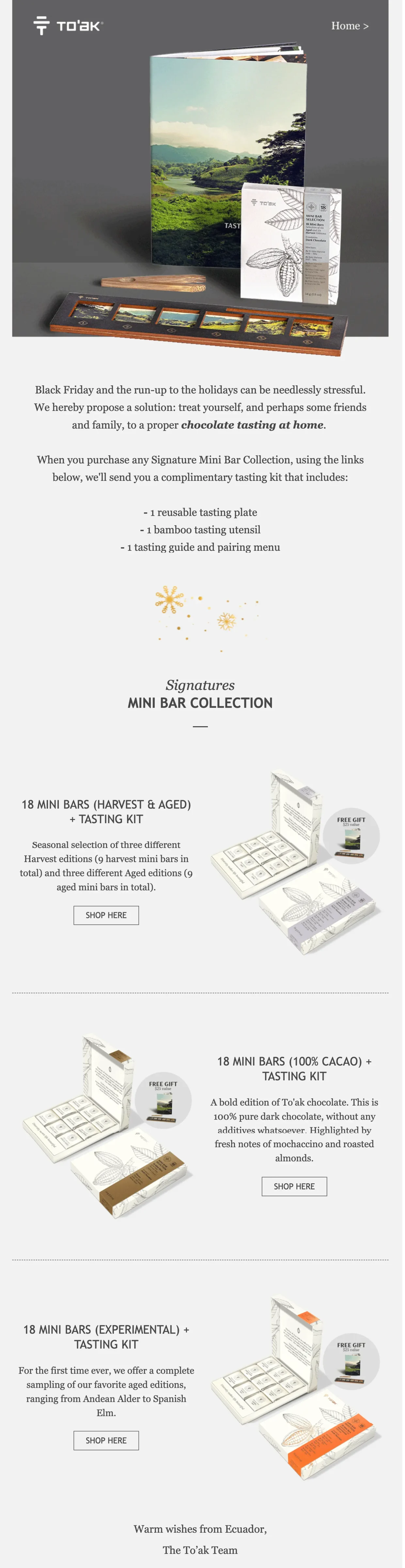
A comprehensive Black Friday consumer segmentation strategy extends across multiple marketing channels, each serving distinct purposes and timing needs for maximum impact.
- Email Marketing: This remains the primary channel for delivering detailed product information and compelling visuals to saved segments. The key is to align email content and Black Friday subject lines with the specific motivations and interests of each segment, moving beyond generic promotions. Suppression rules are vital to prevent sending conflicting messages (e.g., exclude recent purchasers from discount emails).
- SMS Marketing: Ideal for time-sensitive communications, SMS leverages the urgency of Black Friday. Apply segment definitions from email campaigns, but condense messages to urgent alerts like early access, last-chance reminders, and cart recovery prompts. Messages must be concise, include a clear call to action, brand identification, and opt-out instructions to maintain compliance.
- Push Notifications: Targeting website visitors who have opted in for browser notifications, push notifications are perfect for immediate website activity alerts. This includes price drops, low-stock notifications, and browse recovery messages, sent during peak engagement moments.
- Paid Ads (Retargeting): Synchronizing high-value segments with platforms like Meta and Google for retargeting campaigns is highly effective. Focus on VIP customers, cart abandoners, and engaged non-buyers, who exhibit higher conversion potential. Crucially, exclude recent purchasers from broad promotional ads to optimize ad spend and maintain message consistency across all customer touchpoints.
The BFCM Segmentation Timeline: A Phased Approach
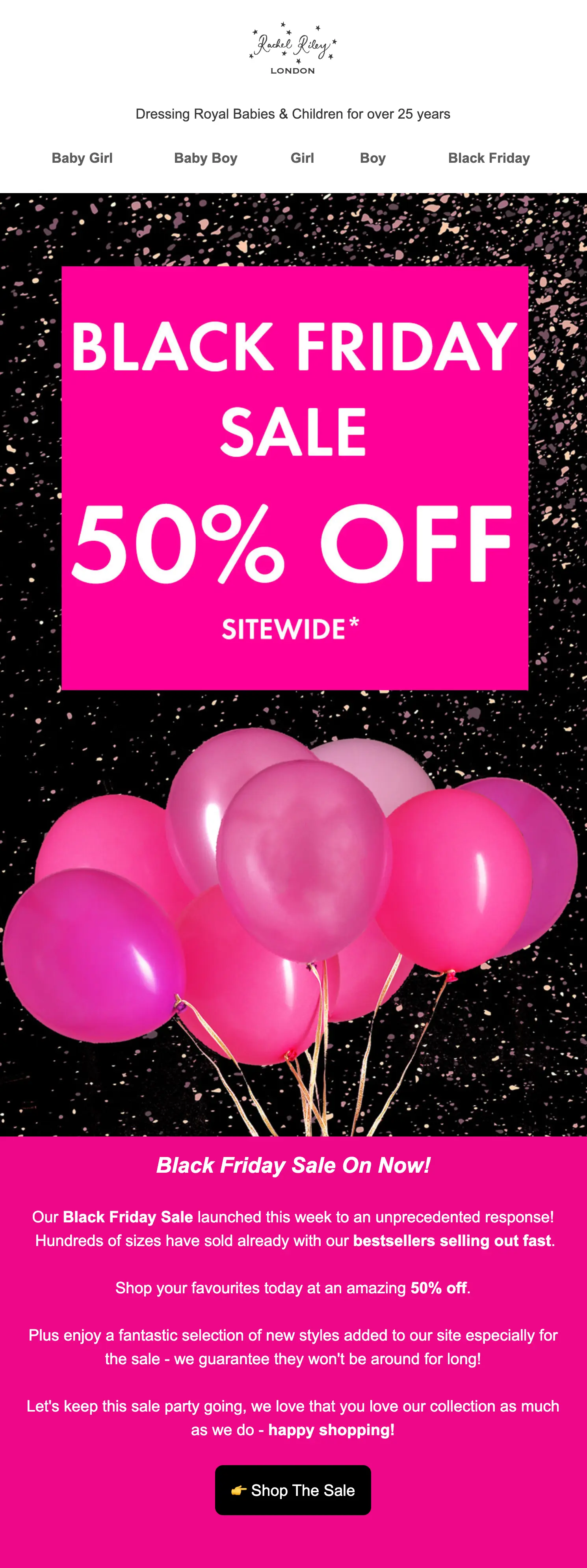
Successful Black Friday customer segmentation requires a dynamic timeline, adjusting messaging angles and urgency levels as the shopping season progresses.
- Pre-Season (Weeks Before): This phase is for meticulous preparation. Clean segmentation data, build consent lists, and run list-cleaning campaigns to remove inactive subscribers, protecting deliverability during peak sending volumes. Conduct A/B tests on small batches of different segments to determine optimal discount levels and messaging strategies without impacting overall margins.
- Black Friday Week (Peak): During the main event, prioritize messaging for key segments. VIP customers receive exclusive offers, while price-sensitive shoppers see clear value propositions and tiered incentives. It’s imperative to prevent BFCM campaigns from colliding with automated flows. Document purchase-based exit conditions for automations to avoid sending conflicting messages and prevent message overlap within short timeframes. Optimal send times for Black Friday emails generally occur mid-morning when audiences are most likely to check their inboxes.
- Cyber Monday (Extension): Adjust messaging to sustain momentum, leveraging real scarcity (e.g., actual low stock numbers) and definitive shipping cutoffs. Avoid artificial urgency, which can erode customer trust. Closely monitor list health metrics; if revenue per recipient declines or unsubscribe rates surge, narrow targeting to the most engaged segments.
- Post-Cyber Monday (Retention): Immediately pivot to retention messaging once the main sales period concludes. Send thank-you messages, cross-sell complementary products, and invite customers to loyalty programs while the positive purchase experience is still fresh. Tailor retention strategies by segment: recent purchasers might benefit from usage guides, while returning customers could receive "welcome back" messages introducing new product categories. This phase is crucial for converting seasonal shoppers into year-round loyal customers.
Broader Implications and Future Outlook
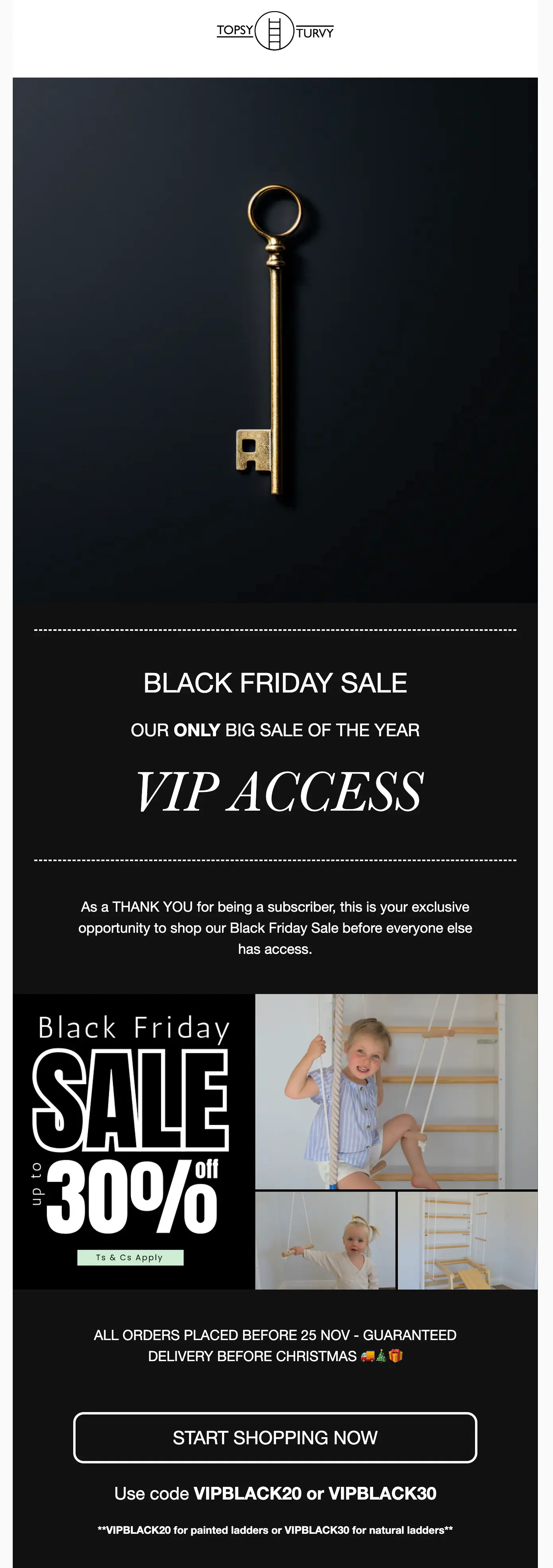
The strategic application of Black Friday customer segmentation extends far beyond the immediate sales boost of the BFCM period. It underpins a sustainable growth model, fostering long-term customer relationships and optimizing marketing spend year-round. By consistently applying these segmentation principles, brands cultivate a deeper understanding of their customer base, leading to more personalized experiences that enhance loyalty and brand advocacy.
However, this sophisticated data utilization also brings ethical considerations. Brands must navigate customer privacy carefully, ensuring transparency in data collection and use, and avoiding practices that might be perceived as intrusive or "creepy." Trust is paramount, and any perception of misuse of data can quickly undermine the benefits of personalization.

Looking ahead, the role of artificial intelligence (AI) and machine learning (ML) in evolving segmentation strategies will only grow. These technologies can process vast datasets, identify complex patterns, and predict future behaviors with increasing accuracy, allowing for hyper-segmentation and dynamic, real-time personalization. This shift towards an AI-driven, customer-centric marketing approach is not merely a temporary trend but a permanent imperative for businesses seeking to thrive in an increasingly competitive digital landscape.
Conclusion

Black Friday customer segmentation is an indispensable strategy for driving revenue and protecting margins during the most critical shopping event of the year. Brands are advised to begin by focusing on their highest-performing segments, aligning these choices with specific business goals and available resources. Documenting campaign performance, tracking key metrics, and refining targeting strategies are crucial for continuous improvement. Ultimately, the successful segmentation strategies employed during BFCM can be integrated into a brand’s regular marketing playbook, transforming seasonal successes into enduring customer relationships and sustained business growth throughout the year.








