admin
admin
In an increasingly saturated digital landscape, businesses often find themselves hitting a plateau with traditional paid media strategies. While established platforms like Facebook and Google Ads remain crucial components of a comprehensive marketing mix, a growing number of advertisers are exploring innovative avenues to capture consumer attention and drive meaningful engagement. This article delves into three such non-traditional approaches—influencer marketing, strategic Yelp advertising, and the unique transactional advertising offered by Rokt—providing a deeper understanding of their potential to expand brand presence and achieve ambitious marketing objectives.
Harnessing the Power of Influence: A Deep Dive into Influencer Marketing
Influencer marketing has evolved from a nascent trend into a sophisticated and potent marketing channel. At its core, it leverages the trust and rapport that individuals have cultivated with their dedicated followings. These influencers, whether macro-celebrities or micro-niche experts, act as trusted intermediaries, recommending products and services to audiences who align with their interests and aspirations. This inherent credibility translates into a higher quality of customer acquisition, as recommendations often stem from genuine affinity rather than overt advertising.
The strategic application of influencer marketing is particularly impactful for new product launches and for businesses with tangible product offerings. Its efficacy is amplified within niche markets, where an influencer’s focused content resonates deeply with a highly engaged and specialized audience. For instance, a brand launching a new sustainable outdoor gear line could partner with an influencer known for their advocacy of eco-friendly adventure travel, reaching a pre-qualified audience eager for such innovations.
One of the most compelling advantages of influencer marketing is its potential for a significant return on investment. A single, well-executed campaign can generate exponential returns, far exceeding the initial outlay. This cost-effectiveness is rooted in the efficiency of influencer reach; a fee paid for a one-time promotion can unlock access to a loyal and receptive audience, fostering brand awareness and driving conversions.
Furthermore, influencer marketing offers a refined approach to audience targeting. Unlike broad-stroke advertising, partnering with an influencer means tapping into an existing community that has self-selected based on shared values and interests. This inherent alignment reduces wasted ad spend and increases the likelihood of reaching consumers who are genuinely interested in the brand’s offerings. The amplified brand awareness generated by influencers, owing to their established reach, can significantly broaden a brand’s visibility.

Industry Trends and Data:
The growing significance of influencer marketing is underscored by industry data. According to the Influencer Marketing Benchmark Report 2021, which surveyed over 5,000 marketing agencies, brands, and relevant professionals, a substantial portion of marketing budgets are being allocated to this channel. Notably, 11% of respondents indicated their intention to dedicate at least 40% of their marketing budget to influencer marketing initiatives. This reflects a strategic shift, moving beyond experimental adoption to a core pillar of many marketing strategies.
The report also highlights platform preferences within influencer marketing. Instagram continues to be the dominant platform, utilized by 68% of respondents. However, TikTok is rapidly emerging as a significant player, demonstrating its growing influence, particularly among younger demographics. This platform shift necessitates a dynamic approach to influencer strategy, adapting content formats and creator partnerships to suit the evolving digital ecosystem.
| Platform | Percentage of Use (Influencer Marketing) |
|---|---|
| 68% | |
| TikTok | Rapidly increasing |
| (Other platforms such as YouTube, Twitter, and blogs also play roles, but these two are highlighted for their current prominence.) |
Pros of Influencer Marketing:

- Enhanced Credibility and Trust: Influencers act as trusted sources, lending authenticity to brand recommendations.
- Targeted Audience Reach: Access to pre-qualified audiences aligned with specific interests and demographics.
- High Engagement Rates: Influencer content often garners higher engagement due to its relatable and authentic nature.
- Cost-Effectiveness and ROI: Potential for significant returns on investment through efficient reach and conversion.
- Brand Awareness Amplification: Broadens visibility through the influencer’s established network.
- Authentic Content Creation: Influencers can generate creative and engaging content that resonates with their followers.
Cons of Influencer Marketing:
- Measuring ROI Can Be Complex: Attributing direct sales and understanding the full impact can require sophisticated tracking.
- Finding the Right Influencers: Identifying authentic and aligned influencers requires thorough vetting and research.
- Potential for Brand Misalignment: An influencer’s actions or past content could inadvertently conflict with brand values.
- Evolving Platform Algorithms: Changes in social media algorithms can impact content visibility and reach.
- Disclosure and Regulatory Compliance: Ensuring transparency and adherence to advertising standards is crucial.
Strategic Visibility on Yelp: Capturing Local Consumer Intent
When considering paid media expansion, the review and local business platform Yelp often flies under the radar as an advertising channel. However, for businesses with a strong local presence, Yelp presents a unique and powerful opportunity to connect with consumers actively seeking products and services in their immediate geographic vicinity. Yelp advertising allows businesses to enhance their visibility on the platform, reaching potential customers at a critical juncture in their decision-making process.
The advertising options on Yelp are designed to be accessible, with businesses able to initiate campaigns with modest daily budgets, starting from just a few dollars. This accessibility makes it a viable option for small and medium-sized enterprises looking to bolster their local marketing efforts without significant upfront investment. The primary benefit of Yelp ads is the direct pathway they create to local consumers who are often in the research or intent phase, searching for businesses that meet their immediate needs.

Beyond lead generation, Yelp offers a valuable mechanism for gathering direct consumer feedback. Reviews and ratings provide qualitative insights into customer experiences, enabling businesses to identify areas of strength and opportunities for improvement. This feedback loop is invaluable for refining product offerings, enhancing customer service, and ultimately informing future business decisions, creating a cycle of continuous improvement driven by authentic consumer sentiment.
Yelp Advertising Features and Targeting:
Yelp’s advertising platform allows for sophisticated targeting to ensure that businesses reach the most relevant audience. This includes:
- Keyword Targeting: Advertisers can bid on specific keywords that potential customers use when searching for businesses like theirs. For example, a restaurant might target terms like "best Italian food downtown" or "late-night pizza delivery."
- Geographic Targeting: Yelp ads can be precisely geo-targeted to specific neighborhoods, cities, or radii around a business’s location. This ensures that marketing efforts are focused on the most relevant customer base.
- Business Category Targeting: Advertisers can ensure their ads are displayed to users searching within their specific industry or business category.
The platform also offers features to enhance business profiles, such as the ability to add more photos, update business hours, and highlight special offers, all of which can contribute to increased consumer engagement and conversion.

Pros of Yelp Advertising:
- Direct Access to Local Consumers: Reaches individuals actively searching for local businesses and services.
- High Purchase Intent: Captures consumers at a stage where they are ready to make a decision.
- Cost-Effective for Local Businesses: Flexible budgeting options make it accessible for businesses of all sizes.
- Valuable Customer Feedback: Generates reviews and ratings that inform business improvements.
- Enhanced Business Profile: Allows for richer content and more detailed business information.
- Improved Local SEO: A strong Yelp presence can positively impact a business’s overall local search rankings.
Cons of Yelp Advertising:
- Limited Reach Beyond Local: Primarily effective for businesses with a physical location and local customer base.
- Reliance on Reviews: The effectiveness of advertising can be influenced by the quality and quantity of existing reviews.
- Platform Fees and Competition: Advertising costs can increase in highly competitive local markets.
- Requires Active Management: Businesses need to monitor reviews, respond to inquiries, and optimize ad campaigns.
Rokt: Transactional Advertising at the Point of Purchase
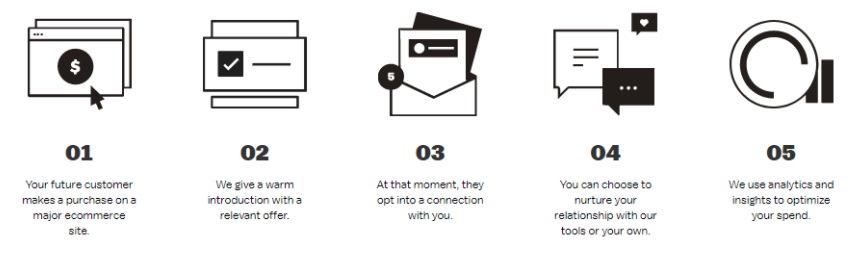
Rokt represents a particularly innovative approach to paid media, operating at the precise moment a customer is completing a transaction. This strategy leverages the "confirmation page"—the screen a user sees immediately after making a purchase—as a prime advertising real estate. Rokt’s model allows businesses to either present their own offers to customers of partner brands or to host offers from other brands on their own confirmation pages.

Consider the scenario: A consumer purchases concert tickets on Ticketmaster. As they finalize their purchase and land on the confirmation page, a pop-up might appear offering a discount on a rental car service for their upcoming vacation. This is Rokt in action. The platform is designed to capitalize on the consumer’s mindset at this exact moment—one of satisfaction, readiness to spend, and often, a heightened openness to complementary offers.
Rokt operates through two primary channels:
- Rokt Ecommerce: This allows a brand to host offers from other businesses on their own post-purchase confirmation page. For example, an airline could partner with a hotel booking site, presenting a hotel deal to customers who have just booked flights. This creates a synergistic revenue stream and enhances the customer experience by offering relevant post-purchase opportunities.
- Rokt Ads: Conversely, this enables a brand to have its offers presented on the confirmation pages of other, non-competing businesses. This is how the concert ticket buyer might see a rental car offer. The key is that the advertised offer is contextually relevant to the customer’s initial purchase or their anticipated needs.
In addition to these core offerings, Rokt has expanded into Rokt Calendar, a service that allows brands to target customers through calendar notifications. This innovative approach aims to keep brands top-of-mind by integrating offers and reminders directly into a user’s schedule, ensuring sustained engagement beyond the initial transaction.

The Psychology of Transactional Advertising:
The effectiveness of Rokt’s model is deeply rooted in behavioral economics and consumer psychology. When a customer has just completed a purchase, they are often experiencing a "peak-end rule" effect, where the positive emotions associated with completing a transaction can make them more receptive to additional value propositions. This is a moment of high engagement and reduced friction, making it an opportune time to present a relevant, value-added offer.
Pros of Rokt:
- High Conversion Rates: Targets customers at their peak of purchase intent, leading to higher conversion rates.
- Contextual Relevance: Offers are presented when they are most likely to be relevant to the customer’s immediate needs or upcoming plans.
- New Revenue Streams: Allows businesses to monetize their post-purchase customer interactions.
- Enhanced Customer Experience: Can provide added value and convenience through complementary offers.
- Access to Engaged Audiences: Reaches consumers who have actively engaged with a trusted brand.
- Innovative Targeting: Rokt Calendar offers a unique approach to ongoing customer engagement.
Cons of Rokt:
- Potential for Overwhelm: If not implemented carefully, too many pop-ups or offers can detract from the customer experience.
- Dependence on Partner Networks: Success is tied to the strength and reach of Rokt’s partner network.
- Integration Complexity: Implementing Rokt’s technology may require technical integration with existing e-commerce platforms.
- Brand Perception: Poorly executed offers could negatively impact the perception of both the hosting brand and the advertised brand.
- Disclosure: Transparency regarding the nature of these transactional offers is crucial for maintaining consumer trust.
Expanding Horizons: A Strategic Imperative
The digital marketing landscape is in constant flux, and businesses that remain tethered to a single set of strategies risk being left behind. Influencer marketing offers a powerful avenue for authentic engagement and brand building, tapping into the trust and authority of individuals. Yelp advertising provides an indispensable tool for local businesses seeking to connect with consumers actively searching within their communities. Rokt, with its innovative approach to transactional advertising, captures consumers at a critical point of purchase intent, unlocking new revenue streams and enhancing customer journeys.
These strategies, while diverse, share a common thread: they move beyond the conventional to engage consumers in more meaningful and contextually relevant ways. By understanding the unique strengths of each approach—the trust-based recommendations of influencers, the local intent captured by Yelp, and the opportune moment of transaction targeted by Rokt—businesses can craft more dynamic, effective, and ultimately, more successful paid media campaigns. For those looking to push the boundaries of their digital marketing efforts and achieve sustainable growth, exploring these non-traditional avenues is not just an option, but a strategic imperative.