admin
admin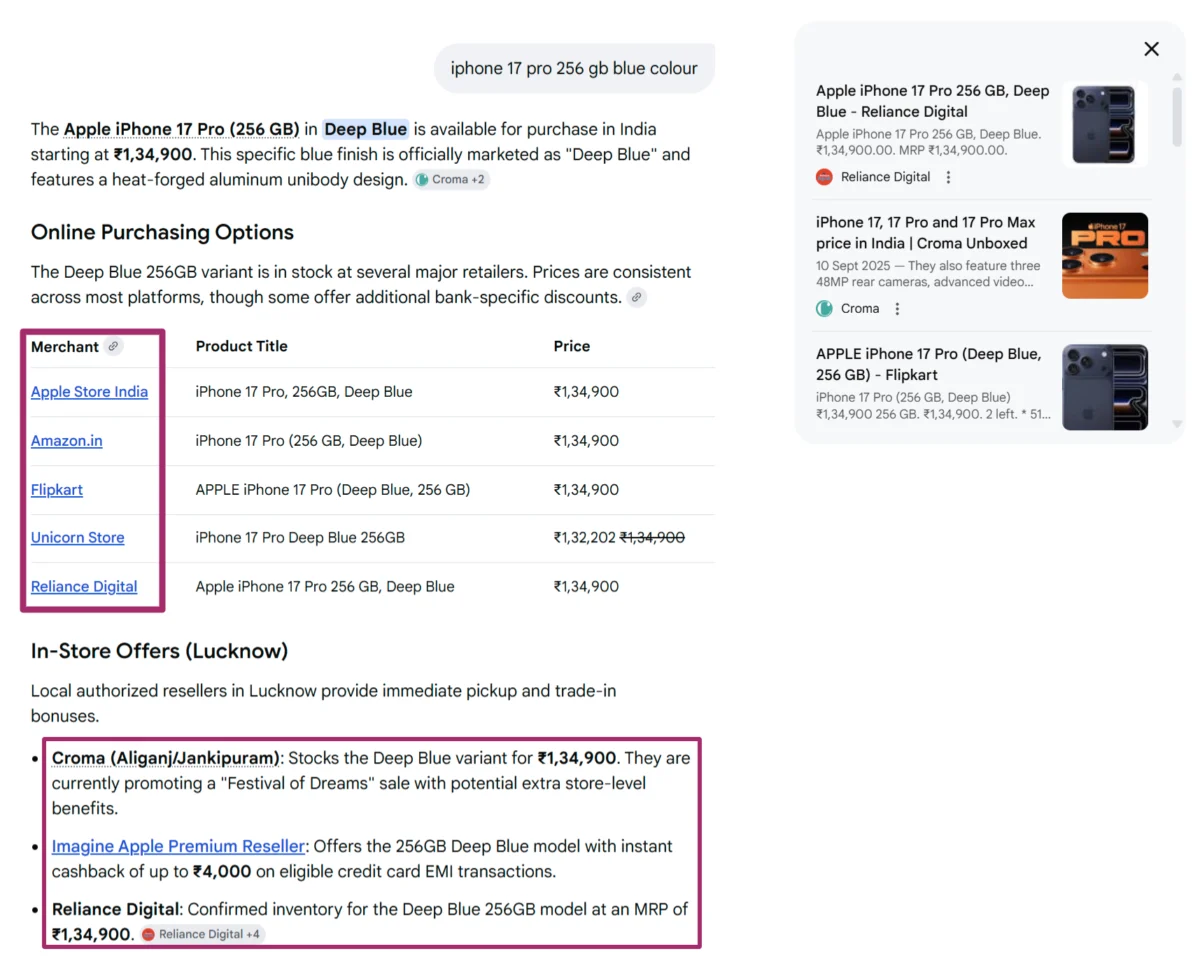
The landscape of digital search is undergoing a profound transformation, driven by the rapid evolution of artificial intelligence. Users are increasingly receiving direct answers from AI-powered search interfaces, fundamentally altering how online visibility is achieved and diminishing the traditional role of clicking through links to access information. In this paradigm shift, AI citations have emerged as the new gatekeepers, dictating which sources are featured and credited within AI-generated responses. This evolution marks a significant departure from conventional search engine optimization (SEO), shifting the focus from merely ranking web pages to strategically positioning content as a trusted source for AI-driven visibility.
The Genesis of a New Search Era
For decades, search engine optimization revolved around securing top positions in organic search results, often referred to as the "blue link era." Success was measured by click-through rates (CTRs) and website traffic, with algorithms prioritizing relevance, authority, and technical prowess. However, the advent of sophisticated large language models (LLMs) and their integration into mainstream search platforms – exemplified by Google’s AI Overviews (formerly Search Generative Experience), Microsoft’s Copilot (formerly Bing Chat), and independent AI tools like ChatGPT and Perplexity AI – has ushered in a new epoch. These generative AI systems are designed to synthesize information from vast datasets and present concise, direct answers, often eliminating the need for users to navigate to external websites. This growing trend of "zero-click searches" has necessitated a re-evaluation of digital strategy, pushing AI citations to the forefront of brand presence and informational dissemination.
Understanding AI Citations: Credibility in the Age of AI
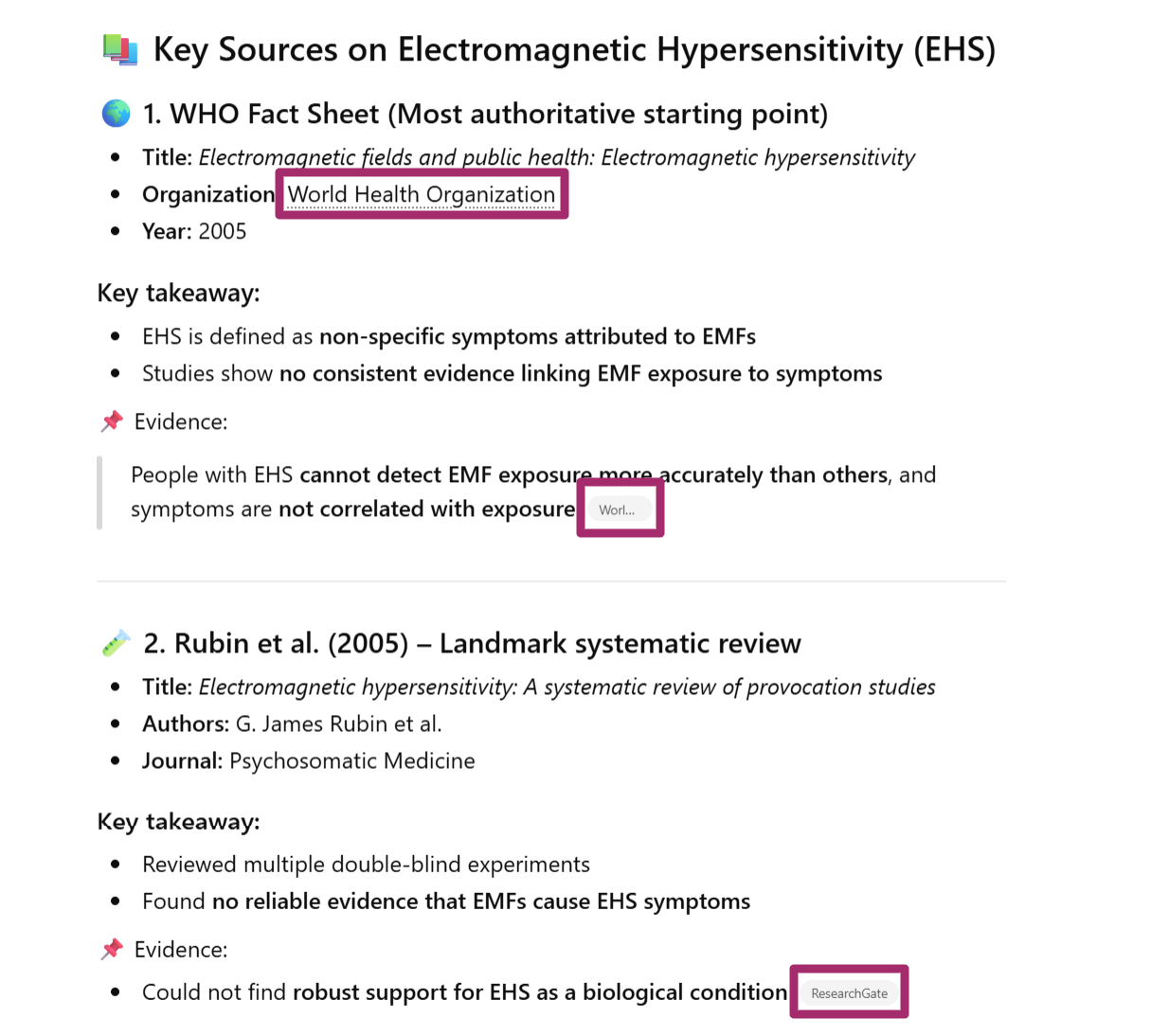
At its core, an AI citation is a reference provided by an AI search engine or tool to indicate the origin of the information it presents. Just as academic papers rely on citations to lend credibility and enable verification, AI systems use them to support their generated answers. When a platform like ChatGPT responds to a user query, it frequently includes links or mentions of specific web pages, academic articles, or data sources that underpin its response. These references serve as crucial signals of trustworthiness, allowing users to trace the information back to its original context and explore the source material more deeply. For content creators, being cited by an AI system means their information is not merely a link among many, but an integral part of the AI’s authoritative answer.
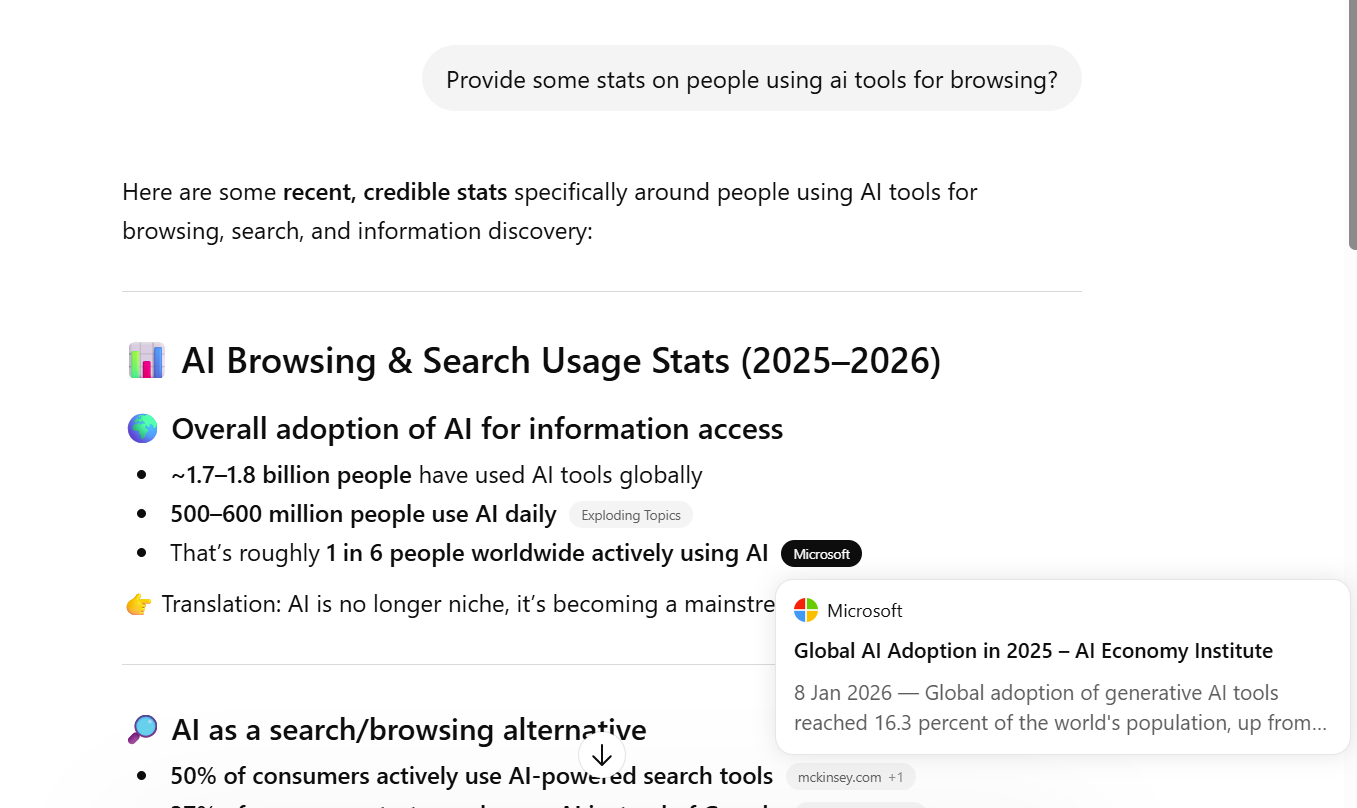
The shift from the "blue link era" to an "AI citation era" is not merely a feature update but a fundamental redefinition of visibility. While traditional SEO emphasized click-driven traffic, AI citations foster influence-driven visibility. Authority, once primarily signaled by backlinks, now leans heavily on demonstrated credibility and factual accuracy. User action evolves from visiting a website to consuming instant, AI-curated answers, making the initial inclusion in the AI response paramount.
The Mechanics of AI Sourcing: Retrieval-Augmented Generation (RAG)
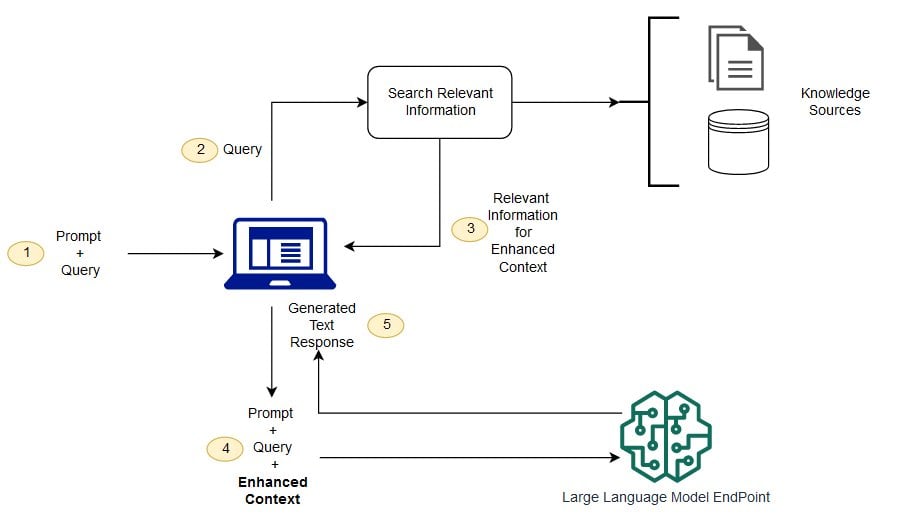
To comprehend where AI citations originate, it is vital to understand the underlying architecture of modern AI search. Most AI-powered systems employ a framework known as Retrieval-Augmented Generation (RAG). This process allows LLMs to retrieve relevant information from external knowledge bases before generating a response, thereby enhancing accuracy, reducing "hallucinations" (fabrication of facts), and providing up-to-date information beyond their initial training data cut-off.
The RAG process typically unfolds in several stages:
- Query Understanding: The AI first interprets the user’s intent, classifying it as informational, transactional, navigational, or commercial. This initial understanding guides the subsequent retrieval process.
- Source Retrieval: The system then queries its vast knowledge bases, which include:
- The open web: Indexed content from websites.
- Structured data: Information presented in machine-readable formats like Schema.org markup.
- Knowledge graphs: Interconnected networks of entities and relationships (e.g., Google’s Knowledge Graph).
- Public databases: Official government records, scientific repositories, etc.
- Academic papers and research: Peer-reviewed journals and studies.
- Proprietary datasets: Internal information specific to the AI provider.
- Source Evaluation: Not all retrieved sources are equally weighted. AI models evaluate them based on several critical signals:
- E-E-A-T (Experience, Expertise, Authoritativeness, Trustworthiness): A foundational principle for assessing content quality and reliability, increasingly critical for AI.
- Freshness: The recency of the information, particularly important for dynamic topics.
- Accuracy and Factuality: The verifiable correctness of the content.
- Relevance: How directly the content addresses the query.
- Content Quality: Clarity, conciseness, originality, and comprehensiveness.
- User Engagement Signals: Indirect indicators of content value (though less direct for AI sourcing than traditional rankings).
- Answer Synthesis: The AI synthesizes insights from the evaluated sources, combining them into a coherent, comprehensive answer tailored to the user’s query.
- Citation Selection: Finally, the model identifies and attributes the primary sources that contributed to its answer, presenting them as citations or recommended links for further reading.
Notably, analyses of Google’s AI Overviews have revealed that approximately 38% of cited sources do not originate from the top 10 traditional search results. This suggests AI prioritizes direct answers, specific data points, and contextually relevant information over general page authority alone. Furthermore, AI models tend to favor clear, concise answers presented early within the content, making introductory sections particularly valuable for citation potential.
The Spectrum of AI Citations
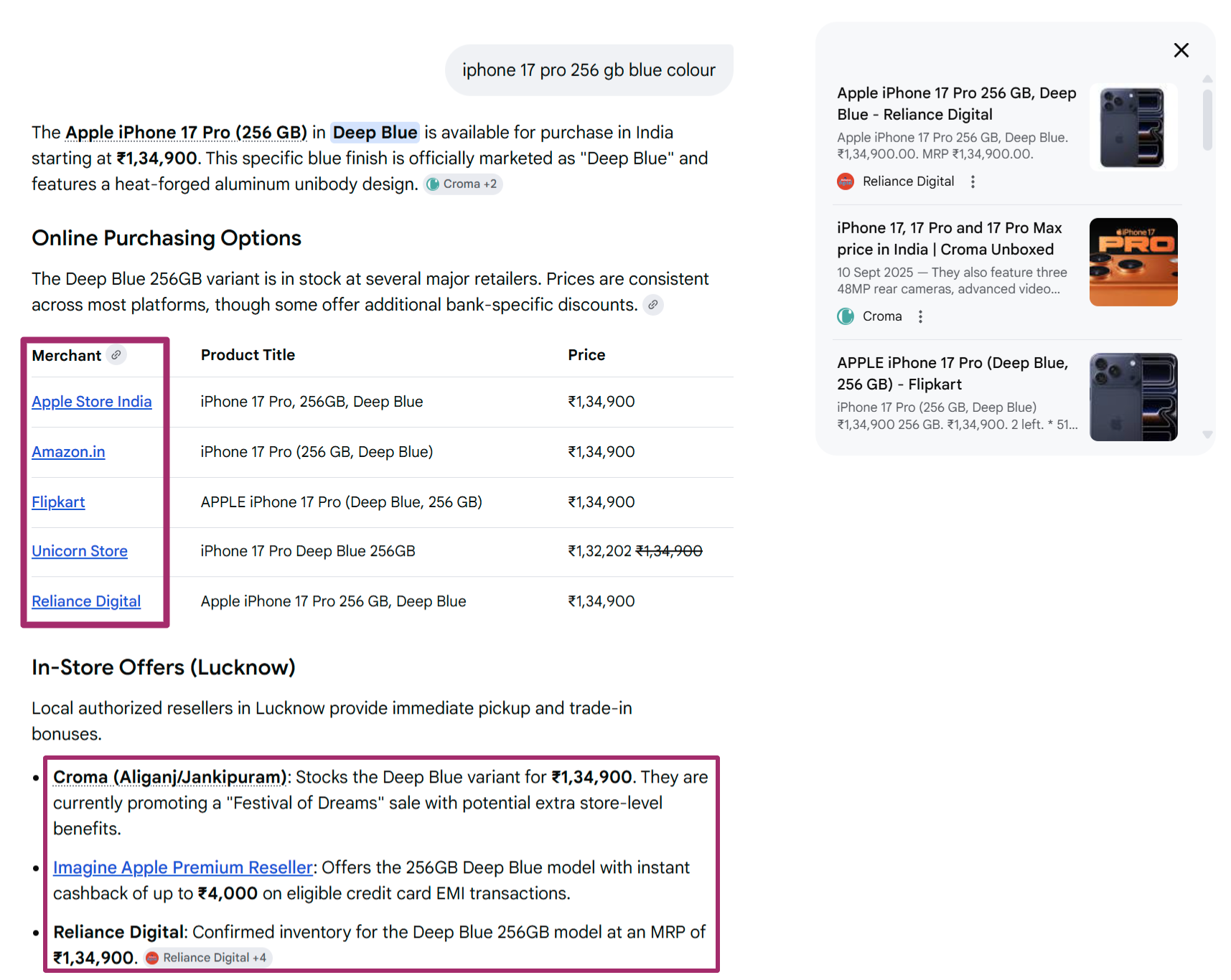
AI citations are not monolithic; they vary based on the query’s intent and the nature of the information required:
- Informational Citations: These are the most prevalent, referencing blog posts, guides, educational articles, and research papers to explain concepts or answer "how-to" questions. For instance, a query about "what is quantum computing" would likely yield citations to comprehensive explanatory articles.
- Product Citations: Common in commercial or comparison-based queries (e.g., "best noise-canceling headphones"), these citations point to product pages, review sites, listicles, and e-commerce platforms to support recommendations. They often include details like specifications, pricing, and user reviews.
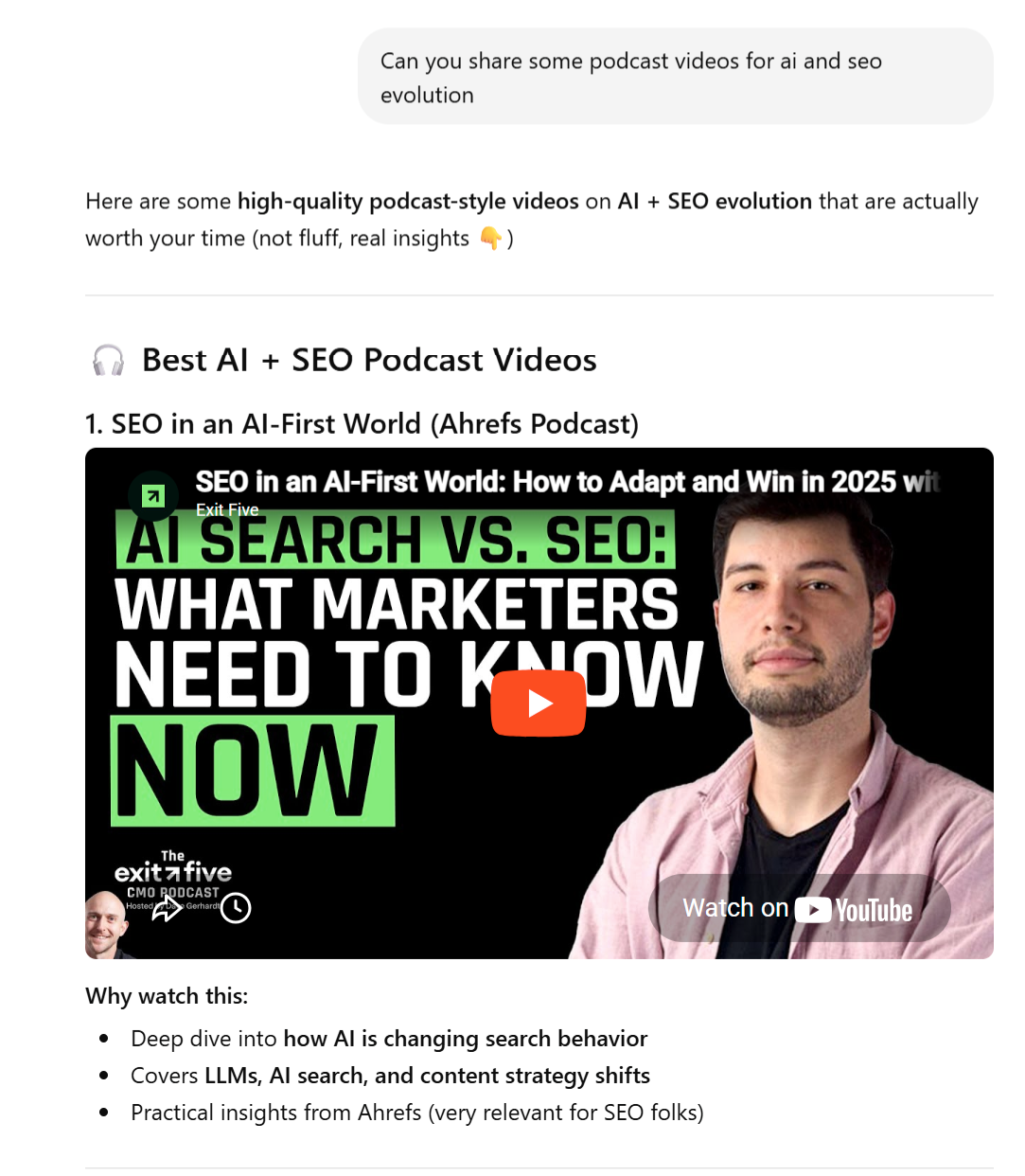
- Multimedia Citations: Recognizing that information isn’t solely text-based, AI systems also cite videos, images, infographics, and other visual formats. These are particularly valuable for tutorials, demonstrations, or concepts where visual explanation surpasses textual descriptions.
Impact on Brand Credibility and the Buyer Journey
Being cited by an AI system transcends mere visibility; it profoundly influences brand credibility and reshapes the consumer’s decision-making process. When a brand’s content is recognized and referenced by an AI, a significant portion of the AI’s inherent trust transfers to that brand. This elevates the brand from being "just another search result" to an "authoritative source," influencing user perception even before a direct website visit occurs.
This phenomenon also shifts the buyer journey significantly earlier in the funnel. Users may form opinions, create shortlists, or even make preliminary purchasing decisions directly from AI-generated responses. If a brand is not cited in these critical early stages, it risks being entirely excluded from the user’s consideration set. Over time, consistent inclusion in AI answers fosters a compounding effect: repeated exposure builds brand familiarity, reinforces subject matter authority, and cultivates deep-seated trust among the audience. This makes AI visibility a crucial top-of-funnel strategy, complementing and, in some cases, supplanting traditional brand awareness efforts.
Strategic Imperatives for Earning AI Citations
Given the evolving dynamics, content creators and businesses must adapt their strategies to intentionally earn AI citations. This involves a multi-faceted approach centered on quality, structure, and authority:
- Cultivate Citation-Friendly Content:
- Original Research & Data: Produce proprietary studies, surveys, and unique data analyses that offer novel insights. AI models highly value concrete evidence to support claims.
- In-depth Case Studies: Provide real-world examples demonstrating processes, results, or product efficacy. These offer tangible proof points for AI recommendations.
- Thought Leadership: Publish opinion-led content with unique perspectives and forecasts, adding depth and diverse viewpoints to AI answers.
- Timely News & Updates: Provide accurate, up-to-the-minute coverage of developments in your niche, filling gaps where AI training data may be outdated.
- Build Robust Topical Authority:
- AI models assess not just individual pages but the holistic expertise a website demonstrates across a topic. Develop content clusters around core subjects, ensuring comprehensive coverage of various facets.
- Utilize internal linking strategically to connect related content, signaling to AI the depth and interconnectedness of your expertise. Consistent, high-quality content on a subject reinforces E-E-A-T.
- Strengthen Entity Signals and Technical SEO:
- Clearly define your brand and its authors using Schema.org markup (e.g., Organization, Person, Article, FAQPage, HowTo, Product Schema). This structured data helps AI understand who is behind the content and their credentials.
- Implement
llms.txt, a Yoast SEO feature that creates a structured, LLM-friendly markdown file. This file explicitly highlights your most important pages, guiding AI models to prioritize key content when generating responses. - Ensure author bios are detailed, showcasing relevant experience and qualifications.
- Earn Broad External Validation:
- AI models cross-reference information from multiple sources to validate credibility. Beyond traditional backlinks, cultivate mentions from reputable industry publications, news outlets, and influential social media accounts.
- Encourage positive user reviews and testimonials on third-party platforms. These external signals reinforce your brand’s authority and trustworthiness across the web.
- Maintain Content Freshness and Accuracy:
- Regularly review and update existing content, especially for topics that evolve rapidly. Outdated information is less likely to be cited.
- Implement a robust content audit and maintenance schedule to ensure factual accuracy and currency.
- Structure Content for Answer Extraction:
- AI models are designed to extract concise answers. Organize content with clear, descriptive headings (H1, H2, H3), bullet points, numbered lists, and short paragraphs.
- Incorporate dedicated FAQ sections that directly answer common user questions.
- Place key answers and definitions early in your content, making them easily discoverable by AI.
- Utilize multimedia elements where they enhance understanding, ensuring they are properly tagged and described.
Monitoring AI Brand Presence: The New Analytics Frontier
As AI-generated answers become a primary discovery layer, traditional analytics tools often fall short. They can track website traffic but typically cannot reveal if a brand is being mentioned in an AI response, how it’s being perceived, or which sources AI systems trust when referencing it. This blind spot is critical, as AI answers increasingly influence user decisions pre-click.
Tools like Yoast AI Brand Insights address this gap by offering a suite of features to track and understand AI visibility:
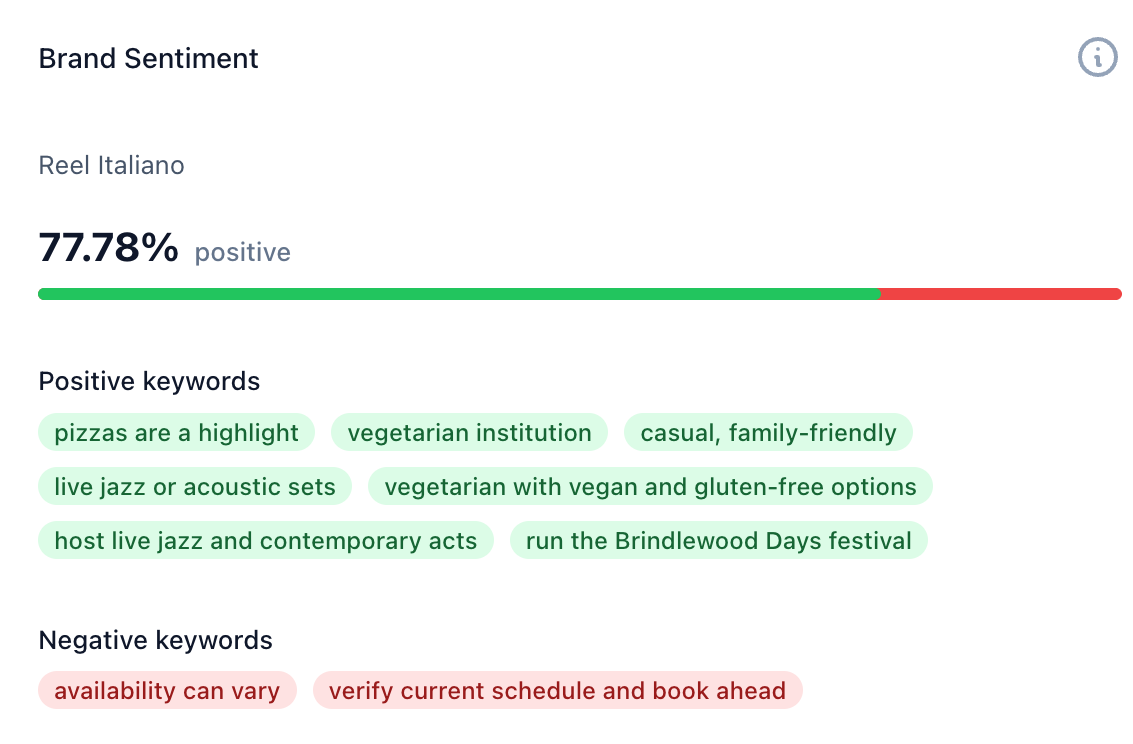
- Sentiment Tracking: Analyzes keywords associated with a brand within AI responses to determine overall positive, negative, or neutral sentiment, allowing for proactive brand reputation management.
- Citation Analysis (Brand Mentions): Identifies when and where a brand is cited, alongside co-cited sources, revealing citation gaps and opportunities.
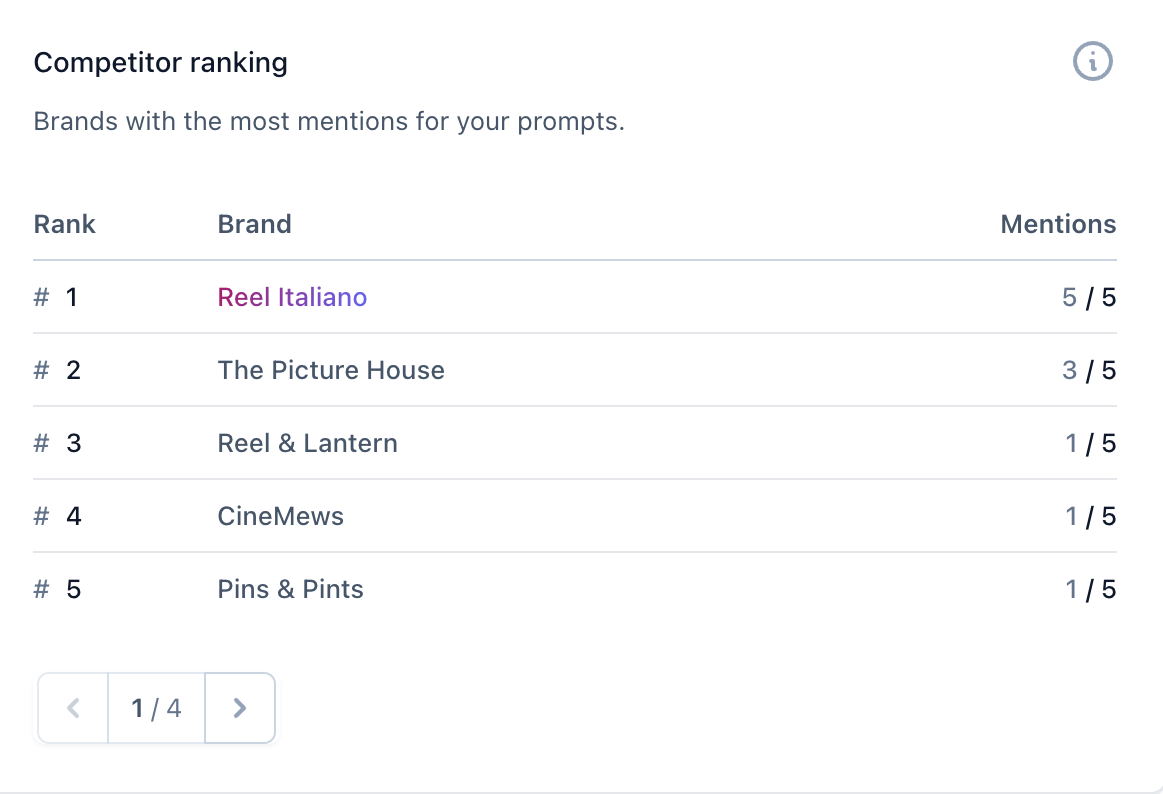
- Competitor Benchmarking: Compares a brand’s AI citations, mentions, and sentiment against competitors, providing crucial insights into relative AI visibility.
- Question Monitoring: Tracks specific brand-related or industry questions to ascertain if and how the brand appears in AI answers, offering direct insight into visibility.
- AI Visibility Index: A composite score that aggregates various AI signals—citations, mentions, sentiment, and rankings—into a single metric, providing a holistic view of a brand’s performance across AI systems over time.
Such tools are indispensable for navigating the new ecosystem, allowing brands to move from speculative guesswork to informed, data-driven action in strengthening their AI presence.
The Currency of the AI-Driven Web
AI citations are rapidly becoming the fundamental currency of the AI-driven web. They do not merely complement traditional search rankings; they fundamentally redefine them by determining which sources are woven into the fabric of the AI’s answer itself. In this evolving landscape, users often no longer need to click to explore; if content is cited, it achieves visibility. If not, it risks digital invisibility.
This profound shift mandates a strategic recalibration for SEO professionals and content creators. The focus is no longer solely on driving traffic but on cultivating trust, demonstrating relevance, and ensuring inclusion within the AI answer layer. As articulated by industry experts, the central question for SEO is evolving from "Can Google find my website?" to a more pertinent "Does the AI have a reason to remember my brand?" The future of online presence is inextricably linked to a brand’s ability to serve as a verifiable, authoritative source for generative AI, making AI citations the ultimate arbiter of digital influence and credibility.