admin
admin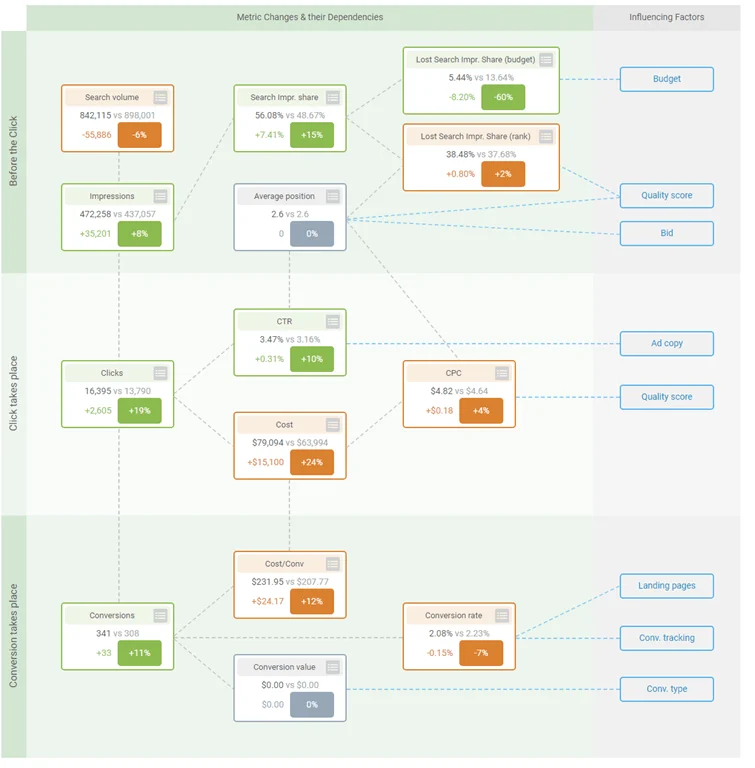
Adalysis, a recognized leader in award-winning Pay-Per-Click (PPC) management software, has unveiled an extensive and highly anticipated series focused on the critical area of PPC Key Performance Indicator (KPI) monitoring. This multi-part publication, meticulously developed over several months, aims to provide digital marketing professionals with a profound understanding of how to effectively track, analyze, and act upon the myriad of metrics that drive successful PPC campaigns. The series, already garnering significant readership, is being highlighted on the bgTheory blog to ensure its wide dissemination within the industry.
The initiative underscores Adalysis’s commitment to empowering advertisers with the knowledge and tools necessary to navigate the complex landscape of digital advertising. In an era where data-driven decision-making is paramount, a granular approach to KPI monitoring can be the differentiator between campaigns that merely exist and those that deliver substantial return on investment. The series delves into the nuances of PPC performance, moving beyond superficial data points to explore the underlying factors influencing campaign success.
The Genesis of a Deep Dive into PPC KPIs
The decision to embark on such a comprehensive series stems from a recognized need within the PPC community for accessible, yet deeply insightful, content. While many platforms offer raw data, the ability to translate that data into actionable strategies remains a challenge for many. Adalysis, with its proprietary software designed to streamline and enhance PPC management, is uniquely positioned to address this gap. The company’s internal expertise, honed through years of managing and optimizing campaigns for a diverse clientele, forms the bedrock of this educational initiative.
The series is not a static collection of articles; it represents an ongoing commitment to providing current and relevant information. Each installment is crafted to build upon the knowledge presented in previous pieces, creating a cohesive narrative that guides readers through the complexities of PPC performance analysis. The emphasis is on practical application, offering methodologies and insights that can be directly integrated into existing campaign management workflows.
Unpacking the Core Components of PPC KPI Monitoring
At its heart, the Adalysis series is dedicated to demystifying the process of PPC KPI monitoring. This involves a multi-faceted approach, addressing not only what metrics to track but also why they are important and how their fluctuations can be interpreted. The articles explore a wide spectrum of KPIs, including but not limited to:
- Click-Through Rate (CTR): A fundamental measure of ad relevance and effectiveness in attracting user attention. The series examines how factors like ad copy, targeting, and ad position influence CTR.
- Conversion Rate: The ultimate indicator of campaign success, measuring the percentage of clicks that result in a desired action (e.g., purchase, lead submission). Understanding the drivers of conversion rate, such as landing page experience and offer compellingness, is a key focus.
- Cost Per Acquisition (CPA) / Cost Per Lead (CPL): Essential metrics for understanding campaign profitability and efficiency. The series delves into strategies for optimizing these costs without compromising on acquisition volume.
- Return on Ad Spend (ROAS): A crucial metric for evaluating the financial viability of PPC campaigns, indicating the revenue generated for every dollar spent on advertising.
- Impression Share: A measure of how often an advertiser’s ads are shown compared to the total number of times they could have been shown. This KPI is vital for understanding market penetration and competitive positioning.
- Quality Score: A critical component within platforms like Google Ads, influencing ad rank and cost. The series provides insights into factors that contribute to a high Quality Score and how to improve it.
Beyond these core metrics, the Adalysis series also ventures into more advanced analytical techniques, encouraging a proactive rather than reactive approach to campaign management. This includes exploring the interconnectedness of various KPIs and how changes in one metric can cascade and impact others.

The "Story So Far": A Foundation for Deeper Understanding
While the specific content of the "story so far" is not detailed in the provided text, the emphasis on a "huge series" and the inclusion of links to the entire series and subscription options suggest a structured progression of topics. Typically, such a series would begin with foundational concepts, perhaps defining key terms, outlining the importance of data integrity, and introducing the basic framework for KPI tracking.
Subsequent articles would likely delve into more specialized areas, such as:
- Setting Up Effective KPI Dashboards: Providing practical guidance on creating visual representations of data that are easy to understand and act upon.
- Automating KPI Monitoring: Discussing tools and techniques for automating data collection and reporting, freeing up valuable time for strategic analysis.
- Benchmarking and Performance Analysis: Explaining how to compare campaign performance against industry averages and historical data to identify areas for improvement.
- Identifying and Addressing Performance Anomalies: Equipping readers with the skills to spot sudden drops or spikes in KPIs and to diagnose the underlying causes.
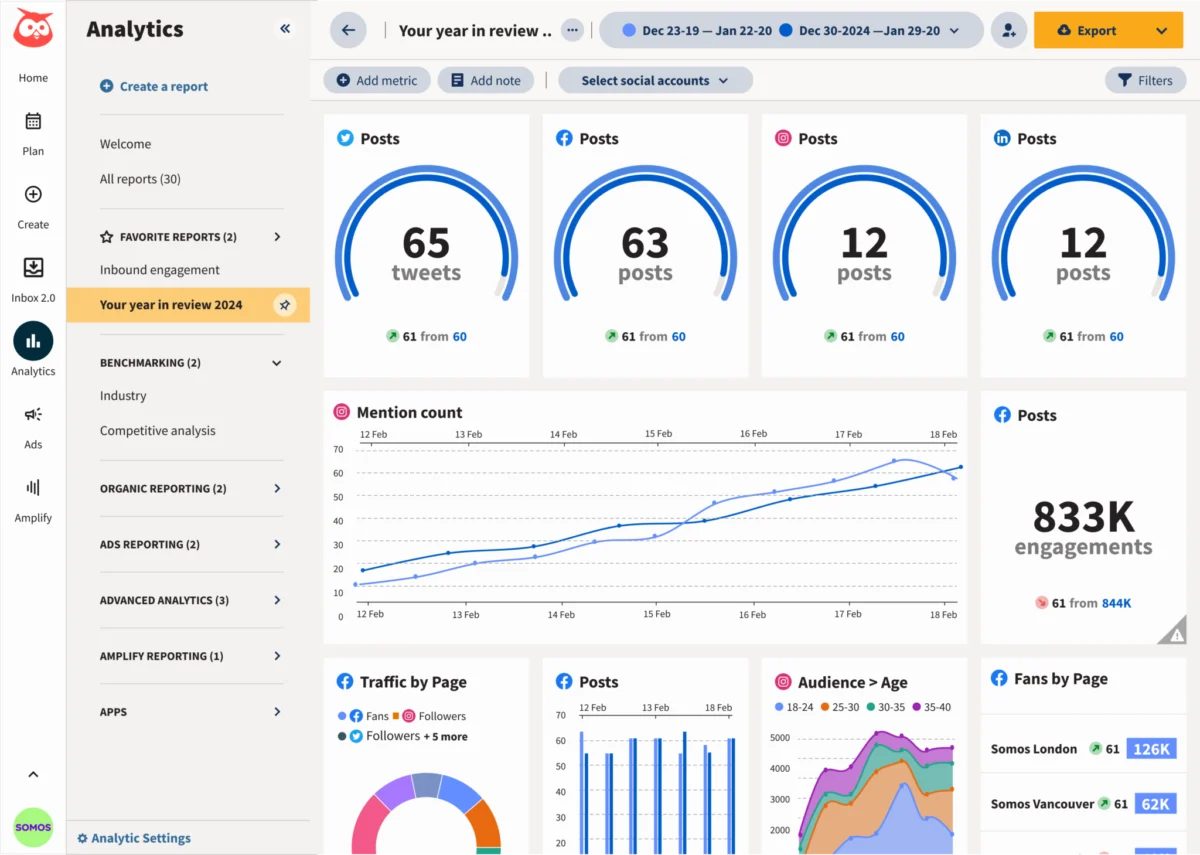
The inclusion of visual aids, such as the provided images, further indicates a commitment to making complex information digestible. These visuals likely serve to illustrate data trends, dashboard layouts, or analytical methodologies, offering concrete examples of the concepts being discussed.
Spotlight on an Upcoming Installation: "KPI Monitoring & Diagnosis: Why Does the Number of Clicks You Receive Change Over Time?"
The imminent release of "KPI Monitoring & Diagnosis: Why Does the Number of Clicks You Receive Change Over Time?" signals a pivotal moment in the series. This specific topic addresses a fundamental question that plagues many PPC managers: the inherent volatility of campaign performance. Clicks are the lifeblood of many PPC campaigns, and understanding the reasons behind their fluctuations is crucial for maintaining momentum and preventing costly missteps.
This installment is expected to explore a range of potential factors influencing click volume, including:
- Seasonal Trends and Market Demand: How external factors like holidays, economic conditions, or industry-specific cycles impact user search behavior and, consequently, click volume. For instance, e-commerce businesses often see a significant surge in clicks during the holiday shopping season, while travel companies might experience peaks during vacation planning periods. Data from Statista, for example, has consistently shown year-over-year growth in online retail sales, directly correlating with increased digital advertising activity and potential click volume.
- Competitive Landscape Shifts: Changes in competitor bidding strategies, new entrants into the market, or the removal of existing competitors can dramatically alter impression share and, by extension, click volume. A sudden increase in competitor bids can drive up costs and reduce the number of available impressions for a given budget, leading to a drop in clicks.
- Algorithmic Updates from Ad Platforms: Both Google and Bing frequently update their advertising algorithms. These changes can affect ad ranking, ad delivery, and targeting parameters, all of which can influence the number of clicks an ad receives. For instance, a shift in Google’s algorithm to prioritize ad relevance could lead to fewer clicks for ads that are not well-aligned with user search intent.
- Budgetary Constraints and Allocation: A limited daily or campaign budget can cap the number of impressions and clicks an ad can generate. If a campaign reaches its budget limit early in the day, it will cease to show, directly impacting click volume. Strategic budget allocation across different campaigns and ad groups is therefore paramount.
- Targeting Parameter Adjustments: Changes to audience targeting, keyword bids, or geographic restrictions can either expand or contract the pool of potential clicks. Broadening targeting might increase clicks but potentially decrease relevance, while narrowing it could reduce clicks but improve conversion rates.
- Ad Creatives and Landing Page Experience: While often associated with CTR and conversion rates, changes to ad copy, extensions, or landing page content can indirectly influence click volume by affecting ad relevance and user perception. If an ad’s promise on the search results page is not met by the landing page, users may be less inclined to click on subsequent ads from that advertiser.
- Device and Platform Performance: The performance of ads can vary significantly across different devices (desktop, mobile, tablet) and platforms (search, display, video). Understanding these variations and optimizing accordingly can impact overall click volume.
By dissecting these elements, the upcoming article promises to equip advertisers with a diagnostic toolkit to understand and manage the natural ebb and flow of PPC traffic.
Broader Implications for the Digital Marketing Ecosystem
The Adalysis series on PPC KPI monitoring extends beyond mere educational content; it reflects a broader trend in the digital marketing industry towards greater transparency, accountability, and data-driven strategy. As advertising budgets continue to grow – global digital ad spending was projected to exceed $600 billion in 2023, according to eMarketer – the pressure to demonstrate tangible results intensifies.

Supporting Data: Reports from industry analytics firms consistently highlight the correlation between effective KPI management and improved campaign ROI. For example, a study by Adobe found that companies that excel at data-driven marketing are 23 times more likely to acquire customers, six times as likely to retain customers, and 19 times as likely to be profitable. This underscores the critical role of understanding and acting upon KPIs.
Background Context: The evolution of PPC advertising from simple keyword bidding to sophisticated programmatic buying and AI-driven optimization has made granular performance analysis more critical than ever. The increasing complexity of ad platforms and the sheer volume of data generated necessitate specialized knowledge and tools. Adalysis’s initiative directly addresses this by providing a structured pathway for advertisers to enhance their analytical capabilities.
Timeline/Chronology: The development of this series, spanning "a few months," indicates a deliberate and thorough approach. This timeframe suggests that the content has been carefully curated, researched, and potentially reviewed by industry experts to ensure accuracy and relevance. The phased release of articles allows for a continuous learning process for the audience, rather than an overwhelming dump of information.
Statements/Reactions (Inferred): While no direct quotes are provided, the decision by Adalysis to promote this series on its "bgTheory blog" and to make the full series accessible via a dedicated blog category suggests a proactive outreach to the marketing community. The emphasis on a "highly read" series implies positive reception and engagement from its target audience. Industry professionals are likely to welcome such in-depth resources, especially from a reputable software provider.
Brief Fact-Based Analysis of Implications: The implications of Adalysis’s commitment to educating the market on PPC KPI monitoring are significant.
- Enhanced Advertiser Performance: By providing clear, actionable insights, the series directly contributes to improved campaign performance for businesses of all sizes. This translates to more efficient ad spend, higher conversion rates, and ultimately, greater profitability.
- Industry Standard Elevation: As more advertisers adopt the methodologies and best practices outlined in the series, it can contribute to raising the overall standard of PPC management within the industry. This can lead to a more competitive and effective digital advertising landscape.
- Software Adoption and Loyalty: For Adalysis, this series serves as a powerful content marketing strategy. By demonstrating their expertise and providing immense value, they can attract new users to their PPC management software and foster loyalty among existing clients who benefit from their thought leadership.
- Data Literacy Advancement: The series promotes a culture of data literacy within marketing teams, encouraging a deeper understanding and appreciation of the metrics that drive business growth.
Conclusion: A Valuable Resource for the Modern Advertiser
The Adalysis series on PPC KPI monitoring represents a significant contribution to the digital marketing education landscape. By offering a comprehensive, in-depth exploration of a critical aspect of online advertising, the company is empowering advertisers with the knowledge and tools they need to thrive in a dynamic and competitive environment. The ongoing nature of the series, coupled with its accessible format and focus on practical application, makes it an indispensable resource for anyone looking to optimize their PPC campaigns and achieve measurable business outcomes. The commitment to detailed analysis, as evidenced by upcoming topics like click volume fluctuations, demonstrates a dedication to addressing the real-world challenges faced by digital marketers today.