

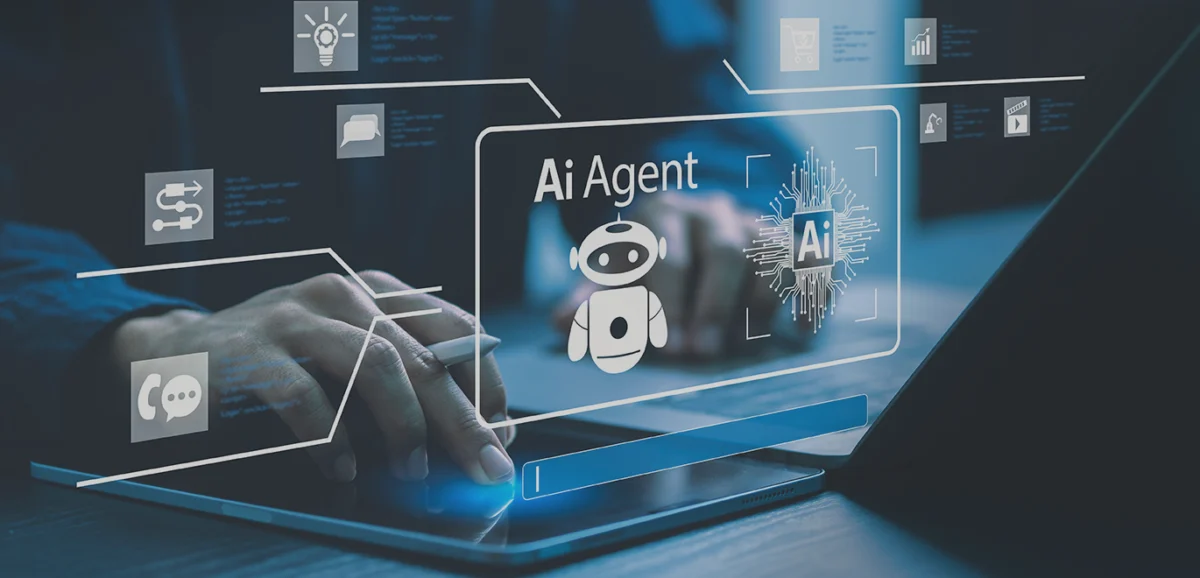
The arduous and time-consuming process of sourcing physical products for e-commerce businesses is undergoing a significant transformation with the introduction of the Accio Sourcing Toolkit. Developed by Accio and integrated within Accio Work, Alibaba.com’s AI-powered business agent, this innovative tool is engineered to automate and streamline the entire sourcing lifecycle, from supplier identification and comparison to negotiation and order placement. This advancement promises to liberate founders and small teams from the administrative burden of procurement, allowing them to focus on core business functions like product development, marketing, and customer service.
For entrepreneurs building businesses around physical goods, the reality of sourcing is often a significant bottleneck. The sheer volume of tasks involved—meticulously comparing potential suppliers, diligently chasing down quotes, navigating complex negotiations over terms and pricing, and then meticulously following up on each order—can consume an inordinate amount of precious time. This is particularly acute for early-stage companies operating with lean teams, where individuals are frequently juggling multiple critical responsibilities. Traditional methods, such as extensive spreadsheets for quote organization, often fall short as they lack the proactive capability to engage with suppliers. While part-time sourcing support offers a solution, it represents an additional cost that many nascent businesses find difficult to justify in their initial phases. Even general-purpose AI chatbots, which have become increasingly prevalent, typically only automate the initial communication steps, leaving the crucial follow-up and negotiation stages to human intervention. This leaves founders in a perpetual cycle of drafting messages, sending them out, monitoring responses, and persistently nudging conversations that stall, a process that can be both frustrating and inefficient.
The Accio Sourcing Toolkit directly addresses these pain points by taking on the complete sourcing workflow. It is designed to autonomously execute the steps that have historically demanded significant founder involvement. The toolkit’s capabilities extend to identifying suitable suppliers, rigorously comparing their offers, initiating outreach, negotiating pricing and terms, and even supporting the placement of orders, all without the need for constant manual oversight from the business owner.
Bridging Time Zones and Accelerating Negotiations
A key challenge that the Accio Sourcing Toolkit effectively mitigates is the persistent issue of time zone differences in global sourcing. Consider a hypothetical founder based in Austin, Texas, who needs to procure 500 units of a new product. Under the traditional model, this would involve a series of back-and-forth communications, each potentially delayed by the 12-hour difference between Austin and many Asian manufacturing hubs. A question posed at the end of the U.S. workday might not receive a response until the following morning. This delay can be compounded when a supplier requires further clarification, leading to another full day of lost progress. For a solo entrepreneur or a small team, a negotiation that theoretically should take a few hours can easily stretch into an entire week, significantly impacting product launch timelines.
The Accio Sourcing Toolkit is engineered to maintain the momentum of these critical conversations. It can proactively request missing information, follow up on unanswered inquiries, and simultaneously manage multiple ongoing discussions with various suppliers. This continuous engagement ensures that by the time the founder begins their workday, a wealth of updated information and potential responses are already logged and ready for comparison. The toolkit can also flag quotes that appear to deviate significantly from prevailing market rates, providing valuable insights for negotiation.
Advanced Negotiation Capabilities for Optimal Terms
The toolkit’s negotiation functionalities go far beyond simply requesting a lower unit price. Users can pre-define a comprehensive set of commercial requirements, including target costs, desired lead times, minimum order quantities (MOQs), and other critical terms. The system then leverages this information to compare offers from different suppliers. It can utilize the most favorable terms secured from one supplier as a benchmark to request revised quotes from others. Furthermore, the Accio Sourcing Toolkit is equipped to negotiate around nuanced aspects of international trade, such as Free On Board (FOB) and Cost, Insurance, and Freight (CIF) pricing structures, sample costs, production schedules, and MOQs. Crucially, the system is designed to escalate significant decisions to the buyer for their final approval, ensuring that strategic choices remain under human control.
This intelligent negotiation capability is particularly valuable when trade-offs are involved. For instance, if one supplier offers a superior unit price but another provides a substantially shorter lead time or a lower MOQ, the toolkit can concurrently advance discussions with both. It will then present the founder with a clear overview of the respective advantages and disadvantages, allowing the founder to make an informed decision based on whether speed to market, profit margin, or order flexibility is the paramount concern for their business at that moment.
The flexibility of the toolkit extends to adapting to changes in product specifications. If, for example, a product’s sample requirement evolves from 180 grams to 200 grams, this revised specification can be instantaneously disseminated across all active supplier conversations. The founder can then review the resulting adjustments in price, lead time, or MOQ without the need to manually re-communicate the change to each supplier individually and painstakingly rebuild the comparative analysis. This feature alone can save countless hours of repetitive administrative work.
The Strategic Advantage of Time Savings
For sellers operating lean businesses through platforms like Amazon, Shopify, or their own direct-to-consumer storefronts, the primary benefit of the Accio Sourcing Toolkit is the reclamation of invaluable time. By significantly reducing the hours spent monitoring inboxes, updating spreadsheets, and chasing down suppliers, founders and their teams gain the capacity to dedicate more attention to strategic initiatives. This includes critical product decision-making, customer acquisition efforts, and the myriad of other activities that ultimately determine the growth and success of a young e-commerce venture.
The Accio Sourcing Toolkit represents a significant leap forward in how e-commerce businesses approach the fundamental challenge of sourcing physical products. By leveraging AI to automate complex, time-consuming, and often frustrating tasks, it empowers founders to operate more efficiently, make more informed decisions, and ultimately build more resilient and scalable businesses.
Supporting Data and Industry Context
The global e-commerce market has seen exponential growth in recent years. According to Statista, global retail e-commerce sales are projected to reach $6.3 trillion in 2024. This burgeoning market is fueled by a continuous influx of new businesses and entrepreneurs venturing into online retail, many of whom are focused on physical products. The complexity of sourcing, however, remains a consistent barrier. A 2023 report by the U.S. Chamber of Commerce highlighted that small businesses often struggle with supply chain management due to limited resources and expertise. This underscores the critical need for tools that can democratize access to efficient sourcing solutions.
The integration of AI in business operations is not a new phenomenon, but its application to the granular details of global supply chain management is rapidly evolving. Early AI implementations in e-commerce often focused on customer-facing applications like chatbots for support or recommendation engines. However, the shift towards AI-powered back-office solutions, such as the Accio Sourcing Toolkit, signifies a maturation of AI’s role in business. This transition is driven by the increasing availability of sophisticated AI models capable of natural language processing, complex data analysis, and autonomous task execution.
Chronology of Sourcing Challenges and AI’s Evolution
The challenges of sourcing physical products have existed since the dawn of commerce. Historically, businesses relied on dedicated procurement departments or agents to manage these complex relationships. The rise of the internet and globalization made it possible for smaller businesses to access international suppliers, but the fundamental challenges of communication, negotiation, and logistics persisted.
- Pre-Internet Era: Sourcing was primarily conducted through trade shows, direct relationships, and specialized sourcing agents, often limited to domestic or regional markets.
- Early Internet Era (Late 1990s – Early 2000s): Online marketplaces like Alibaba.com emerged, connecting buyers and sellers globally. However, the process remained largely manual, requiring significant effort from buyers to vet suppliers and manage communication.
- Mid-2000s – 2010s: The proliferation of e-commerce platforms and the growth of dropshipping and private labeling models increased the demand for efficient sourcing. Businesses explored various software solutions for supply chain management, but these were often complex and expensive.
- Late 2010s – Present: The advent of advanced AI and machine learning technologies began to offer new possibilities. General AI chatbots emerged, capable of assisting with communication, but lacked the specialized functionality for end-to-end sourcing. The development of AI-powered business agents, like Accio Work, marks a significant evolution, enabling automated execution of complex business processes.
The Accio Sourcing Toolkit’s introduction represents the latest stage in this evolutionary journey, offering a sophisticated, AI-driven solution specifically tailored to the needs of modern e-commerce founders.
Broader Impact and Implications
The widespread adoption of tools like the Accio Sourcing Toolkit has several significant implications for the e-commerce landscape:
- Democratization of Global Sourcing: By lowering the barrier to entry for efficient global sourcing, these tools empower smaller businesses and individual entrepreneurs to compete on a more level playing field with larger corporations.
- Increased Agility and Responsiveness: Founders can react more quickly to market trends and shifts in demand by streamlining their sourcing processes, allowing for faster product development and inventory replenishment.
- Focus on Innovation and Growth: The time saved on administrative tasks can be reinvested into product innovation, marketing strategies, and building stronger customer relationships, all of which are critical drivers of long-term business success.
- Potential for Supply Chain Resilience: By enabling businesses to efficiently manage multiple supplier relationships and adapt to changing conditions, AI-powered sourcing tools can contribute to greater overall supply chain resilience.
In conclusion, the Accio Sourcing Toolkit, integrated within Accio Work, represents a pivotal advancement in e-commerce sourcing. It addresses long-standing challenges with an intelligent, automated solution, promising to redefine efficiency and unlock new growth opportunities for a generation of online entrepreneurs.
Businesses interested in exploring these capabilities can access the Accio Sourcing Toolkit through Accio Work and initiate a sourcing task by providing their product requirements, target terms, and delivery needs.








