rifanmuazin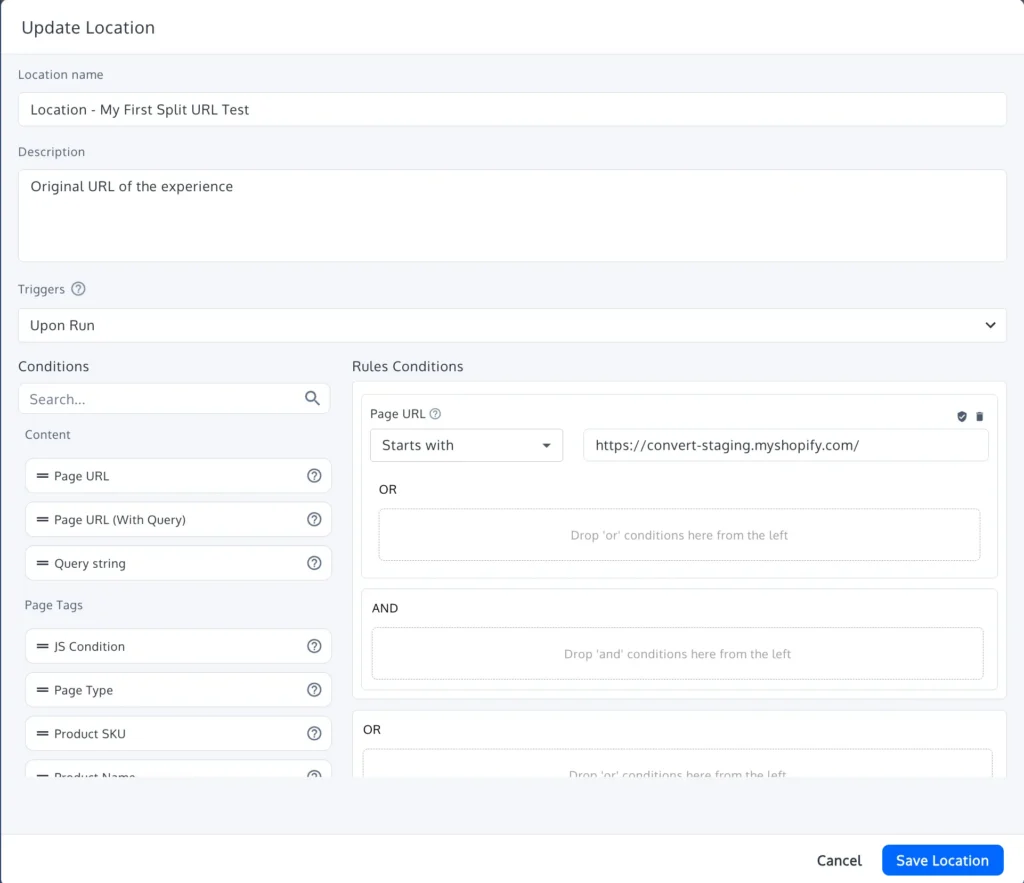
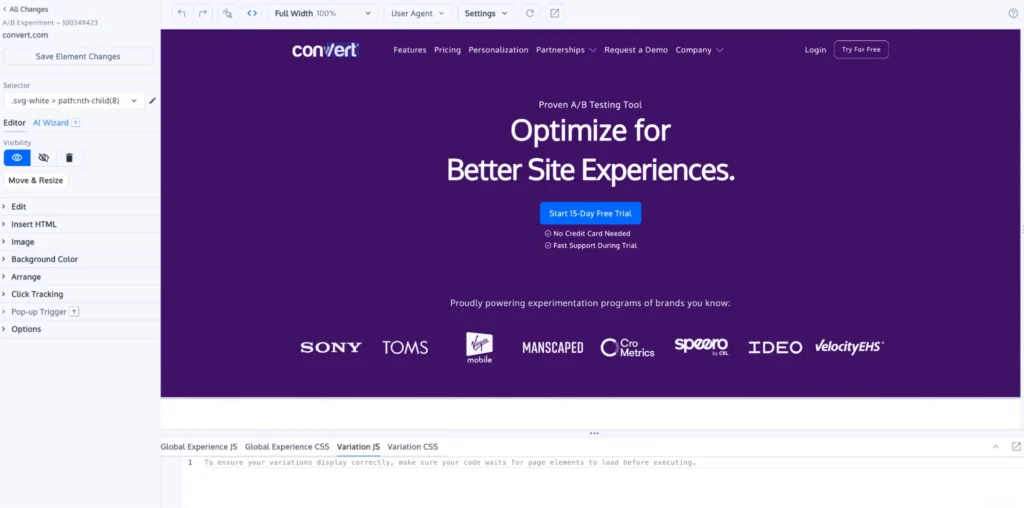
Split URL testing, often referred to as redirect testing, has emerged as a critical methodology for digital marketers, product managers, and conversion rate optimization (CRO) specialists who find traditional A/B testing insufficient for large-scale architectural changes. While standard A/B testing typically involves modifying specific elements on a single page via a visual editor, split URL testing compares two or more distinct versions of a webpage hosted on entirely different URLs. This technique is indispensable when testing full-page redesigns, significant backend logic changes, or entirely different page architectures that would be too complex or unstable to build within a browser-based editor.

As digital ecosystems become increasingly complex, the ability to test "big swings"—rather than just incremental tweaks—has become a competitive necessity. Industry data suggests that while minor UI changes can provide marginal gains, structural changes to the user journey or value proposition often yield the most significant shifts in conversion performance. However, these high-stakes experiments require a more rigorous technical framework to ensure data integrity and SEO stability.
The Technical Evolution of Web Experimentation
The history of web experimentation began with simple element-level changes, but as frameworks like React, Angular, and Vue became standard, the "flicker effect"—where the original content flashes briefly before the variation loads—became a significant hurdle for A/B testing. Split URL testing addresses this by handling the redirection at the script level or server level, often providing a cleaner user experience for major transitions.
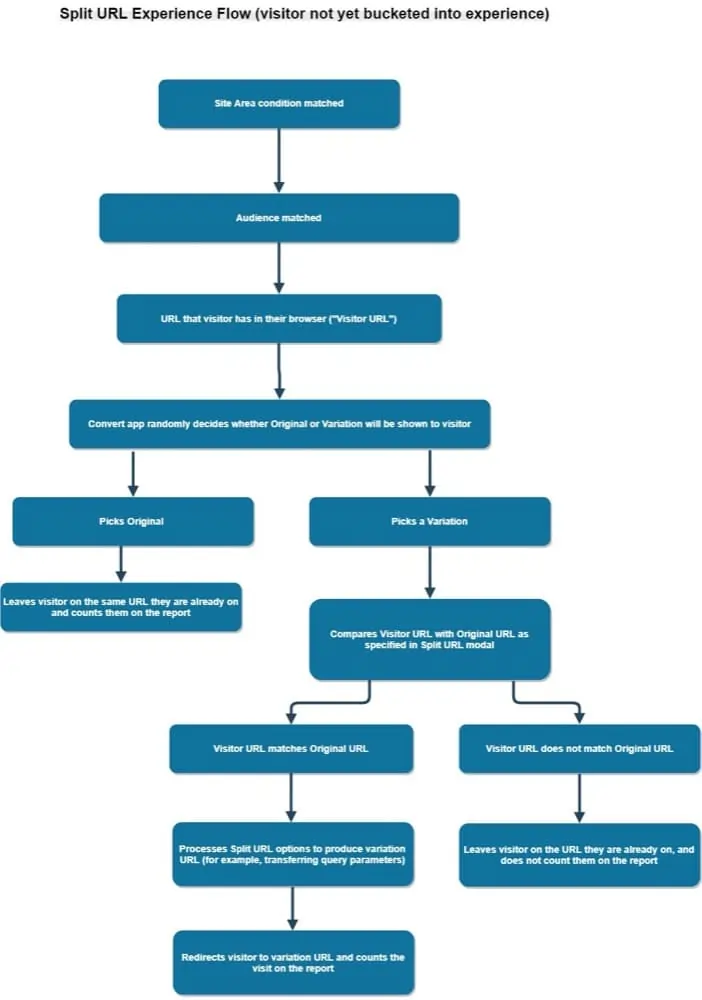
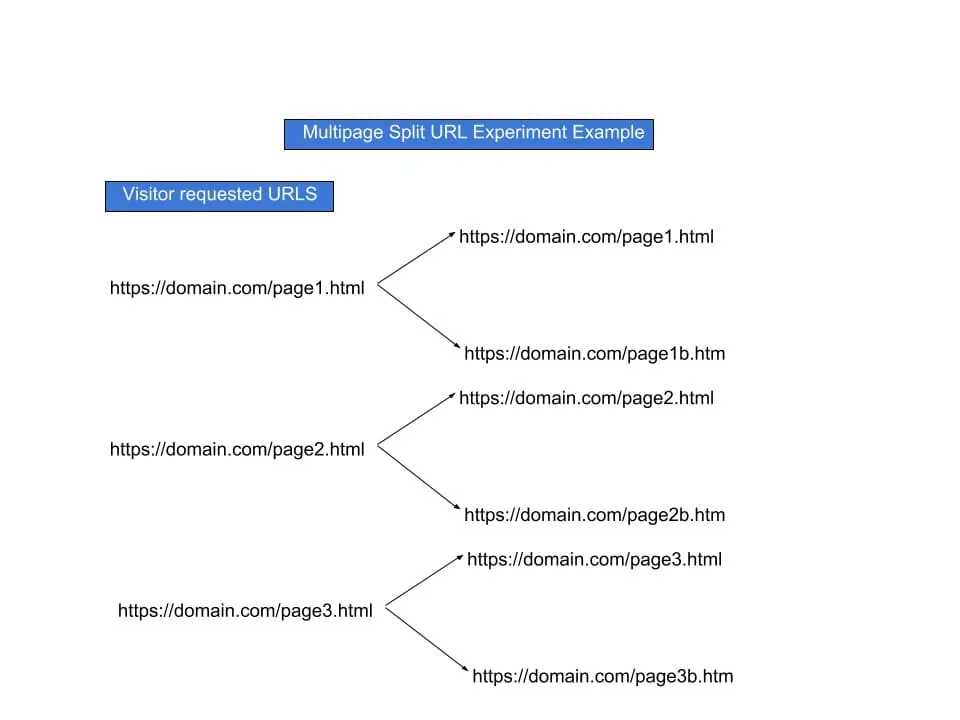
In a split URL environment, when a visitor lands on the "Original" URL, the experimentation engine (such as Convert Experiences) immediately checks the visitor’s assigned bucket. If the visitor is assigned to a "Variation" group, they are redirected to a separate URL (e.g., from domain.com/landing-page to domain.com/new-landing-page). This allows developers to build the variation using their native Content Management System (CMS) or development workflow, ensuring that the test page is as stable and fast as the original.
Strategic Comparison: A/B Testing vs. Split URL Testing
Choosing between these two methods depends largely on the scope of the hypothesis. Marcella Sullivan, a leading CRO expert, suggests that the default choice for improving headlines, layouts, or call-to-action (CTA) buttons should remain A/B testing. This provides a "cleaner read" on exactly which element moved the needle. However, when questioning the entire approach of a page, split URL testing becomes the superior choice.
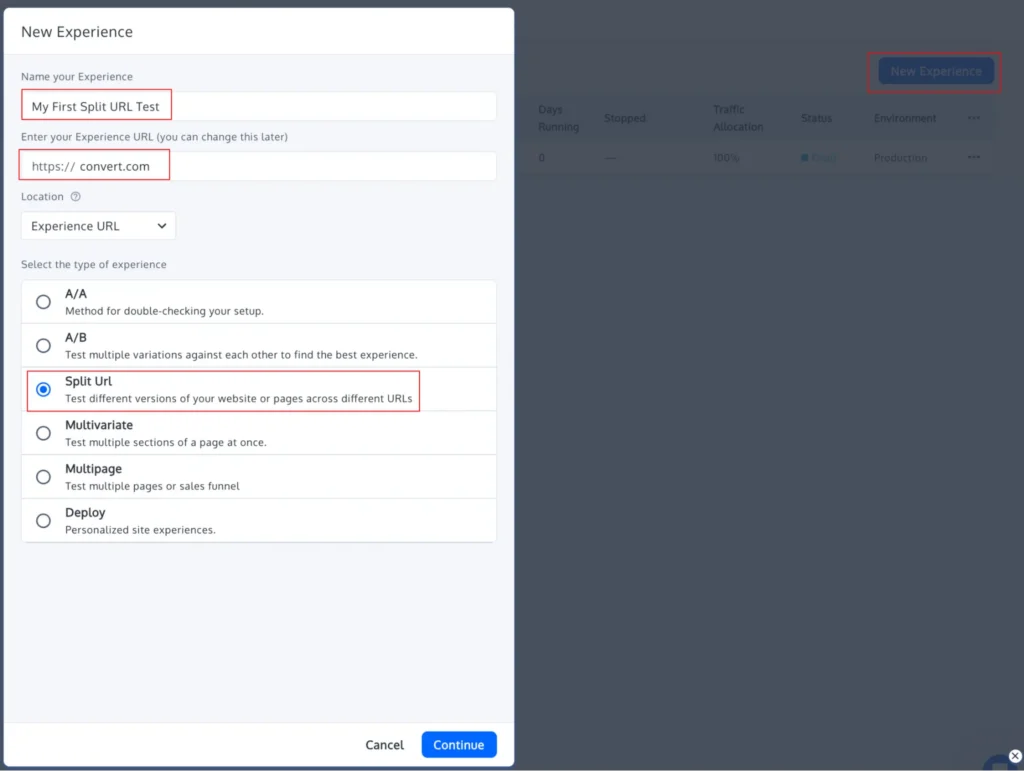
Industry leaders like Daphne Tideman, Growth Advisor at Growth Waves, emphasize that split URL testing is particularly effective for backend changes, such as testing page load speeds across different tech stacks. Furthermore, for teams running paid traffic through platforms like Meta, split URL testing pairs seamlessly with native experimentation features, allowing for a more robust analysis of the full user path.
The Workflow of a High-Impact Split URL Experiment
The lifecycle of a split URL test follows a more rigorous chronology than simple UI tweaks, requiring deeper coordination between design, development, and data teams.
1. Hypothesis Generation and AI Integration
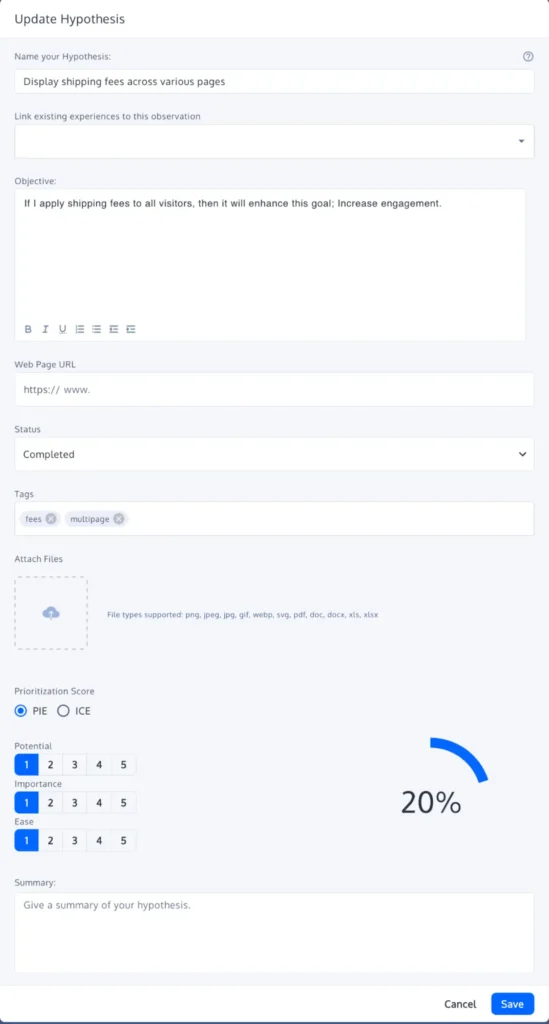
The process begins with a data-driven hypothesis. Rather than guessing, successful teams synthesize research from session recordings and heatmaps. Ben Labay, CEO of Speero, cautions that while AI tools like ChatGPT or Claude can help surface patterns from session data, teams must filter behavior-based insights from opinion-based ones. A solid hypothesis for a split URL test might look like this: "By replacing our long-form landing page with a multi-step interactive funnel, we will reduce friction for mobile users and increase lead quality."
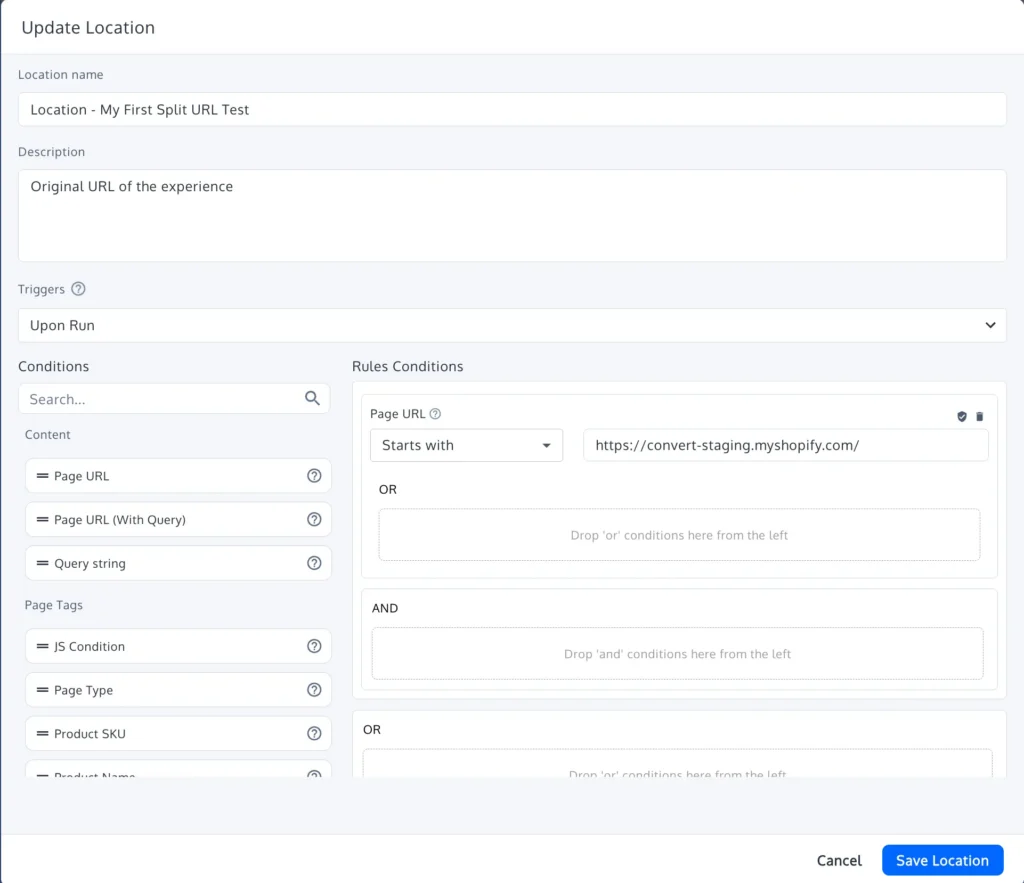
2. Statistical Power and Sample Size Calculation
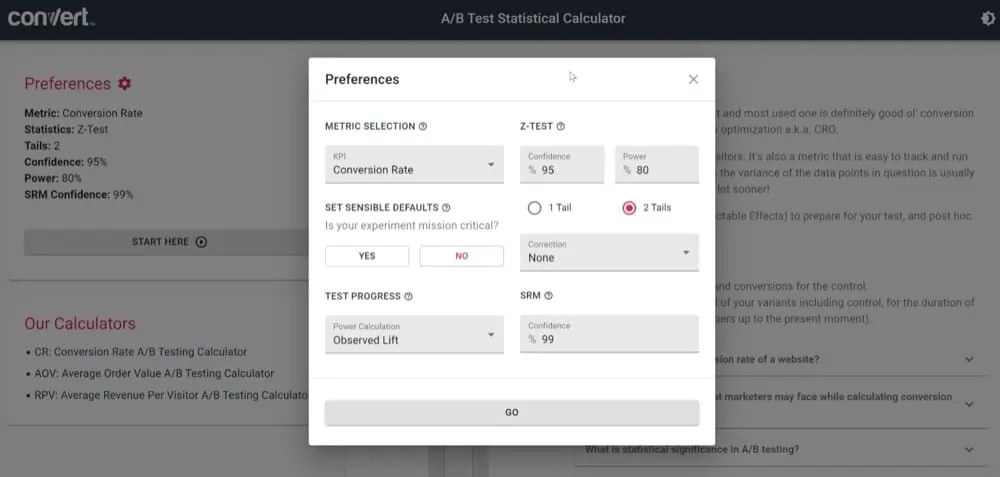
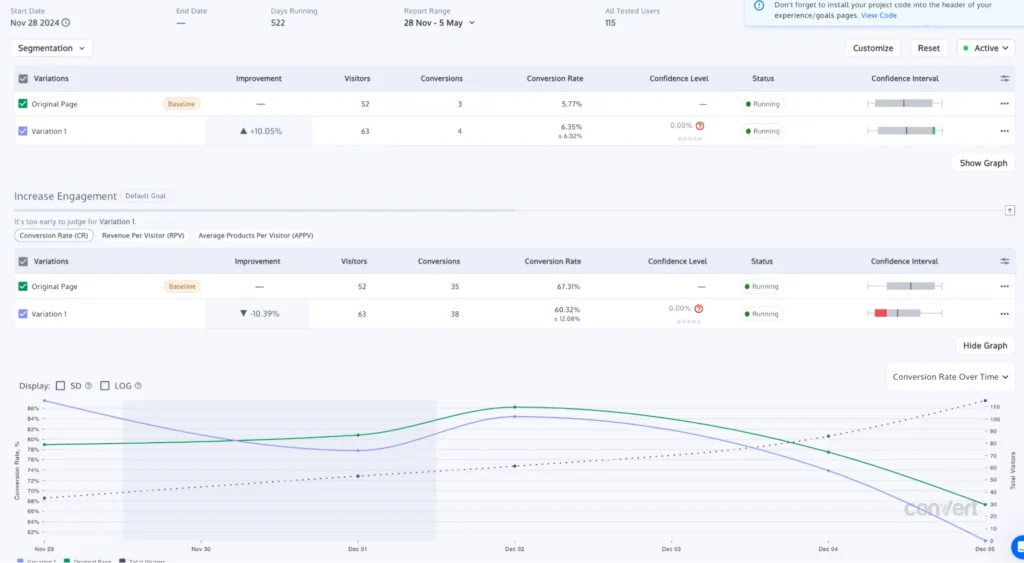
Before a single line of code is written, teams must determine the necessary sample size to reach statistical significance. Using calculators to input anticipated conversion rates and desired lift ensures that the test does not run indefinitely. Most experts recommend a confidence level of at least 95%, though 90% is often acceptable in high-velocity environments.
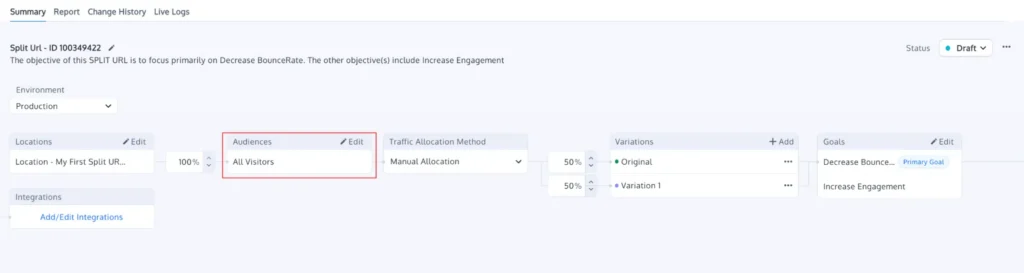
3. Development and External Hosting
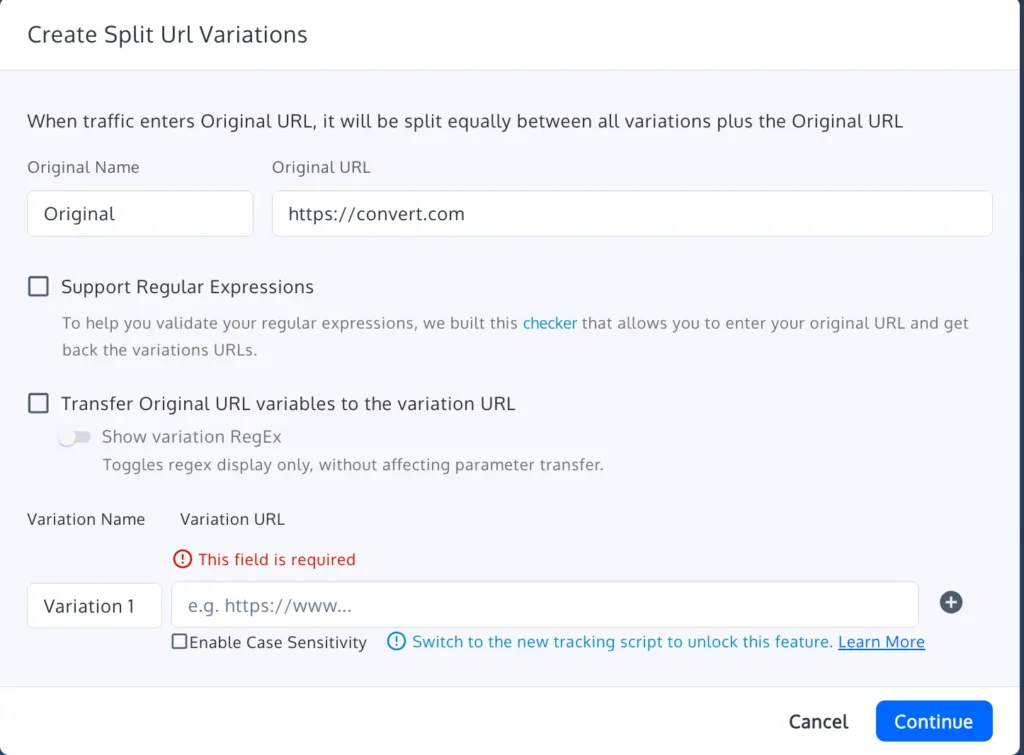
Because split URL tests do not use a visual editor, the variations must be developed in a staging or production environment and hosted on a publicly accessible URL. This allows for "vibe coding" and rapid development, as noted by Ruben de Boer of Conversion Ideas. The variation is treated as a standalone page, which minimizes the risk of the testing script breaking the site’s front-end logic.
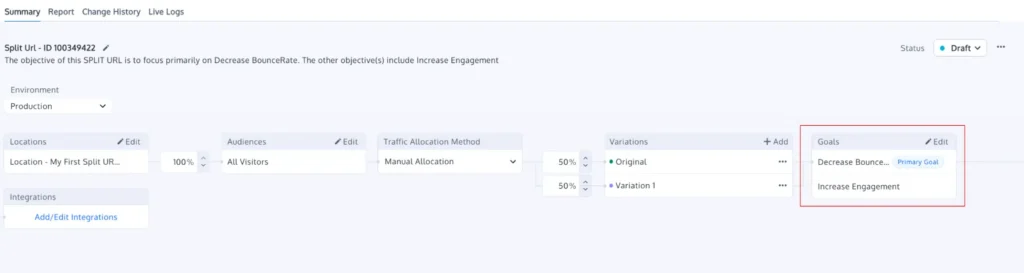
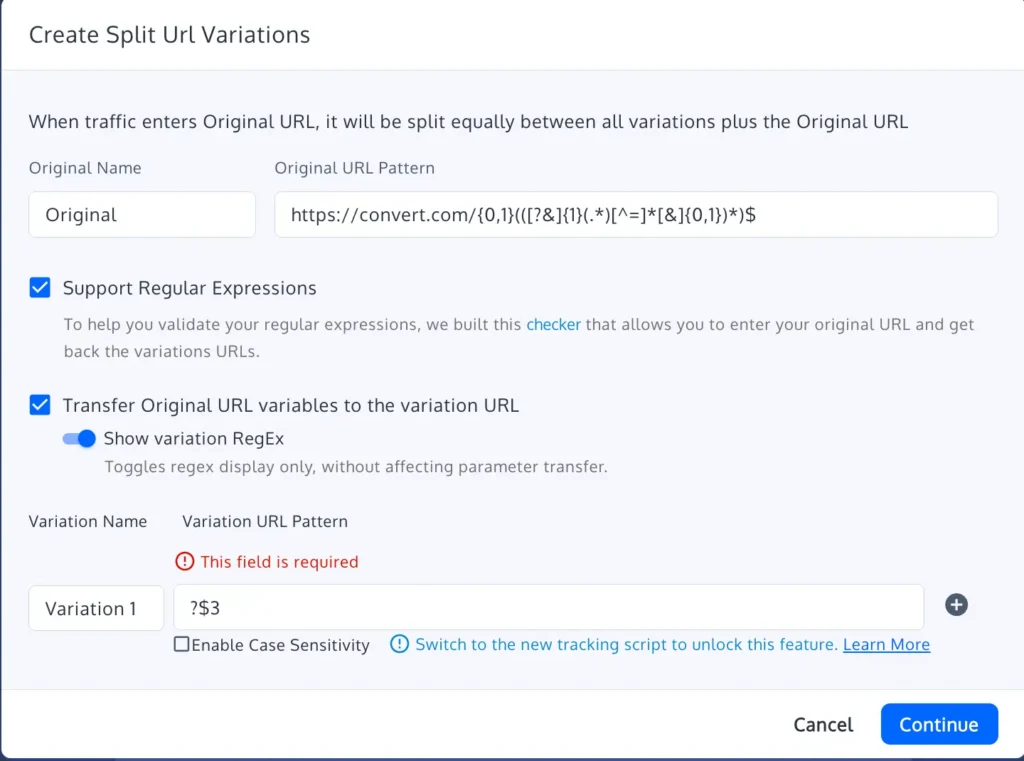
4. Configuration and URL Variable Transfer
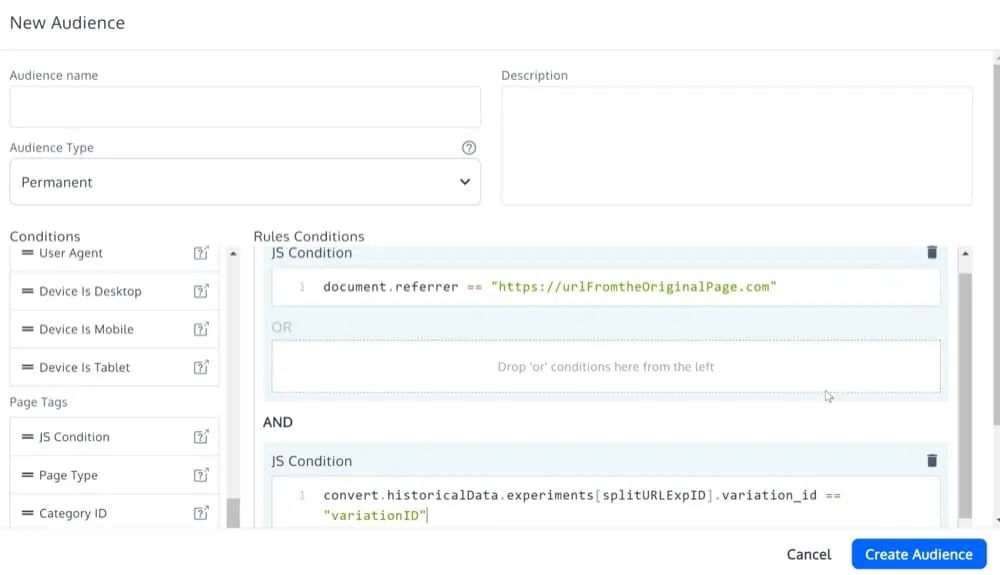
One common technical hurdle is maintaining tracking parameters (like UTM codes) during the redirect. Advanced platforms allow for "Transfer Original URL Variables," which uses regular expressions (Regex) to ensure that if a user lands on original.com?utm_source=google, they are redirected to variation.com?utm_source=google. Without this, attribution data would be lost, rendering the test results useless for marketing analysis.
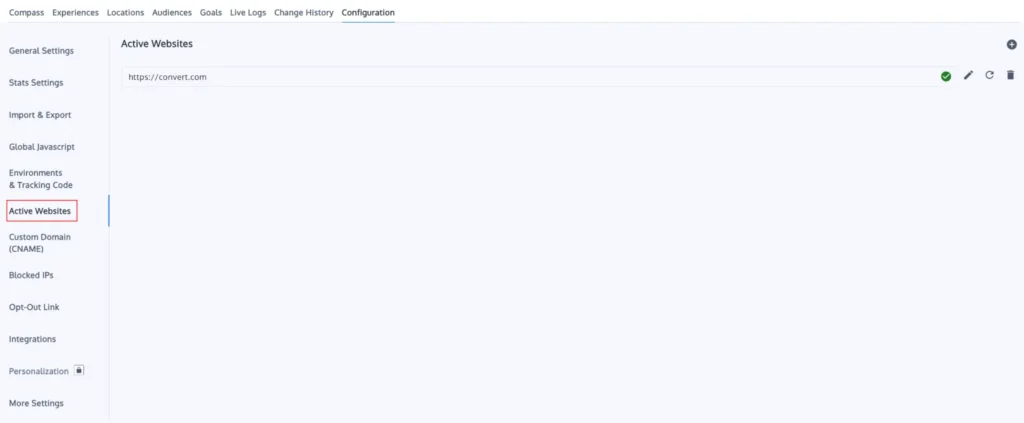
Ensuring Data Integrity: The Quality Assurance Phase
Craig Sullivan, a renowned experimentation consultant, asserts that a single undetected bug can invalidate weeks of testing data. He advocates for a "real-device" QA process. Testing on the Chrome mobile emulator is insufficient; teams must verify the redirect and tracking on actual iOS and Android devices to ensure the user experience is seamless.
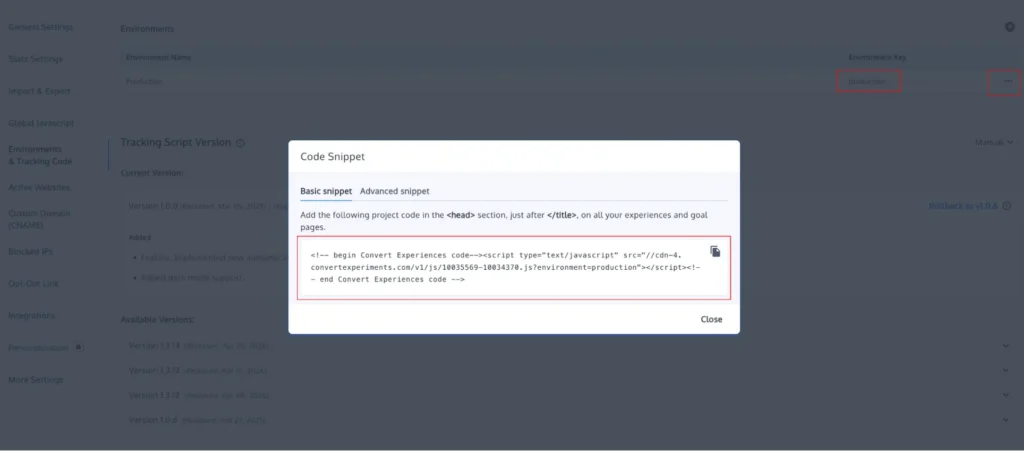
Key QA checkpoints include:

- Redirect Speed: Does the page redirect fast enough to prevent a "bounce" or a brief flash of the original page?
- Cross-Domain Tracking: If the variation is on a different subdomain, is the visitor’s unique ID preserved?
- Goal Triggering: Do conversions on the variation URL report back to the same central dashboard as the original?
Addressing the Sample Ratio Mismatch (SRM) Risk
One of the most insidious threats to experiment validity is Sample Ratio Mismatch. This occurs when the actual traffic split (e.g., 62/38) deviates significantly from the intended split (50/50). In split URL testing, SRM is often caused by bot traffic hitting one URL more than the other, or by the tracking script being missing from one of the variations.
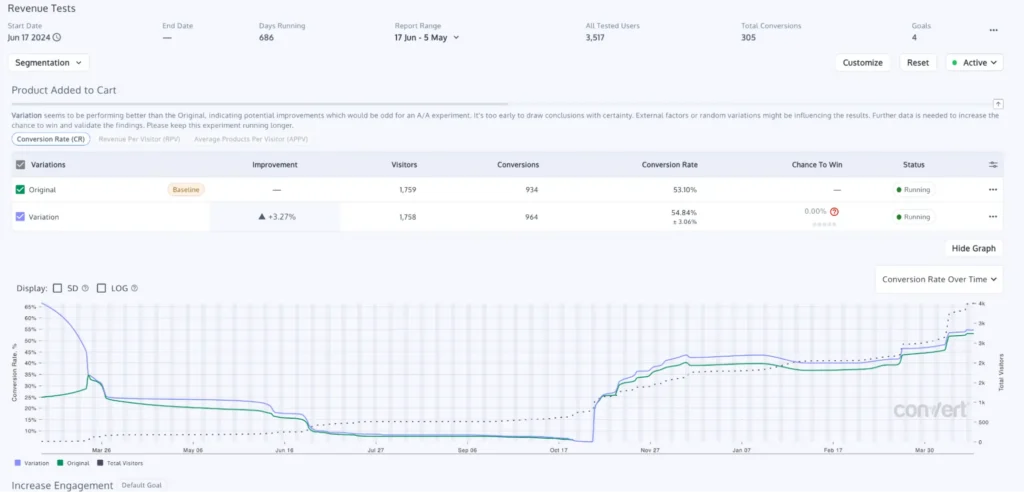
To combat this, modern platforms now include automated SRM alerts. If a mismatch is detected, the results are flagged as "untrustworthy," prompting a technical audit. This prevents teams from declaring a "winner" based on skewed data, which could lead to costly business mistakes if the winning variation is implemented site-wide.
SEO and Search Engine Considerations
A common concern among digital stakeholders is the impact of split URL testing on search engine rankings. Google has stated that testing is not inherently harmful to SEO, provided it is not used for "cloaking" (showing different content to search engines than to users).
To maintain SEO health during a split URL test, experts recommend:
- Using rel="canonical": The variation page should contain a canonical tag pointing back to the original URL. This tells search engine crawlers that the original is the authoritative version and prevents duplicate content penalties.
- Employing 302 Redirects: Unlike a 301 redirect, which is permanent, a 302 redirect informs search engines that the change is temporary. This ensures the original URL remains indexed and retains its ranking power.
- Limiting Test Duration: Tests should only run as long as necessary to reach statistical significance. Once a winner is found, the losing variations should be removed and the winning version should be implemented on the primary URL.
E-commerce Applications: Shopify Theme Testing
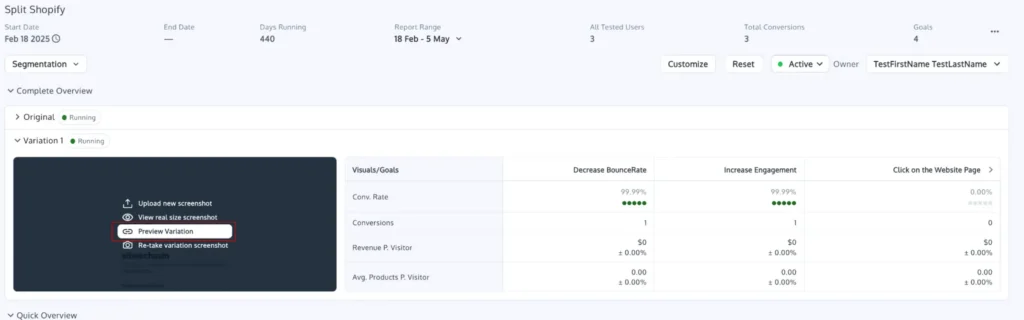
For e-commerce retailers, split URL testing is the gold standard for testing entire store themes. Shopify users, for instance, can test a high-performance, "headless" theme against a standard Liquid theme by splitting traffic between the two. This allows retailers to measure not just conversion rates, but also average order value (AOV) and revenue per visitor (RPV) across different shopping experiences. By adding the tracking script to the <head> section of both themes, merchants can gain a comprehensive view of how structural design impacts the bottom line.
Conclusion and Future Implications
Split URL testing represents the "heavy lifting" of the experimentation world. It is the tool of choice for digital transformation, allowing brands to move beyond cosmetic changes and into meaningful architectural evolution. By following a structured approach—from AI-assisted hypothesis generation to rigorous SRM monitoring and SEO-friendly redirects—teams can mitigate the risks associated with large-scale changes.
As web technologies continue to shift toward server-side execution and edge computing, the line between A/B testing and split URL testing may continue to blur. However, the core principle remains: the most successful organizations are those that treat every major site change as an experiment, using data to validate their intuition and drive sustainable growth. In an era where user expectations are at an all-time high, the precision offered by split URL testing is no longer optional—it is a foundational requirement for digital excellence.