rifanmuazin
Email marketing, despite the proliferation of digital communication channels, remains a cornerstone of business strategy, enabling direct engagement with audiences and driving revenue. However, the efficacy of these campaigns is profoundly impacted by the quality of the data underpinning them, not merely the volume of emails dispatched. A critical, yet often overlooked, challenge facing businesses, particularly in the Business-to-Business (B2B) sector, is email list decay. This gradual deterioration of contact information can significantly undermine marketing efforts, leading to wasted resources, diminished brand reputation, and missed opportunities, often until the damage is irreparable. This article delves into the critical importance of understanding and actively addressing email list decay through regular verification, providing businesses with the insights and strategies to maintain a healthy and productive email marketing ecosystem.
The Pervasive Threat of Email List Decay
Email list decay refers to the natural and ongoing process by which email addresses on a subscriber list become obsolete or disengaged. This phenomenon is driven by a confluence of factors, including individuals changing their email addresses due to new jobs, personal preferences, or the closure of old accounts. Furthermore, job transitions within companies mean that contacts may no longer be with the organization they were initially associated with. Perhaps most insidiously, subscribers can become inactive or lose interest in a brand’s offerings, rendering their email address a non-responsive conduit for communication.
The consequences of failing to address this decay are manifold and can be particularly acute for B2B businesses. Sending emails to invalid or defunct addresses results in increased bounce rates, which can negatively impact a company’s sender reputation with Internet Service Providers (ISPs). This can lead to legitimate emails being flagged as spam, thereby reducing overall deliverability. When emails are not reaching their intended recipients, marketing resources are squandered, and the return on investment for email campaigns plummets.
Moreover, the efficiency of sales and marketing teams is directly tied to the accuracy of their data. Outdated contact information means that sales representatives may be pursuing leads that are no longer viable, wasting valuable time and effort. In the competitive B2B landscape, where capturing and nurturing leads is paramount, the inability to connect with prospects due to data decay represents a significant competitive disadvantage. Customer attention spans are short, and amidst a barrage of competitor content, businesses cannot afford for their crucial messages to be lost in the digital ether. The erosion of data quality directly translates to an erosion of potential revenue and market share.
Identifying the Subtle Signs of Data Decay
Data decay is often a silent assailant, its effects manifesting gradually without overt, immediate alarms. This insidious nature means that B2B marketers can easily overlook the slow accumulation of inaccurate data, especially when dealing with large contact lists. However, several early warning signs can indicate that an email list is succumbing to decay:
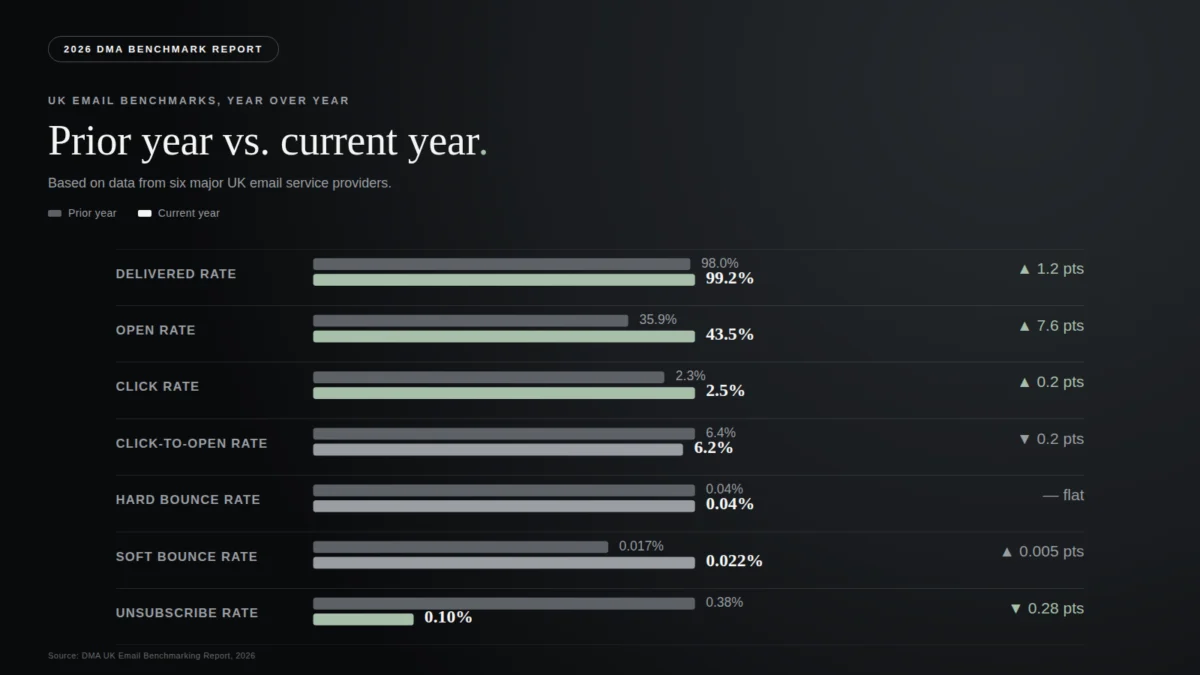
- Increasing Bounce Rates: A noticeable uptick in hard bounces (permanently undeliverable addresses) or soft bounces (temporary delivery issues) is a primary indicator that a significant portion of the list is outdated. While occasional bounces are normal, a sustained rise signals a problem. According to industry benchmarks, a healthy email list typically experiences a hard bounce rate below 2%, and a soft bounce rate below 5%. Exceeding these figures warrants immediate investigation.
- Declining Open and Click-Through Rates: When fewer recipients are opening emails or clicking on links, it can suggest that the emails are not reaching engaged individuals or are being sent to people who have lost interest. While engagement can be influenced by content quality, a significant and consistent drop, especially when content has not changed, points to a decaying list. Data from platforms like Mailchimp often shows average open rates hovering around 20-25% and click-through rates around 2-3% for B2B sectors, so a marked decline from these figures is cause for concern.
- Low Engagement from Key Segments: If specific customer segments that were once highly responsive are now showing diminished engagement, it may indicate that the contact information for those individuals has become outdated. This could be a sign of job changes within those companies, leading to a loss of key decision-makers on the list.
- Spam Complaints: An increase in spam complaints is a critical red flag. ISPs monitor these complaints closely, and a rise can severely damage a sender’s reputation, leading to further deliverability issues and potentially blacklisting. This is often a consequence of sending to unengaged or invalid email addresses.
- Lack of Response to Re-engagement Campaigns: If efforts to re-engage inactive subscribers through targeted campaigns yield minimal results, it might be because the contact information is no longer valid or the individuals have moved on.
The Indispensable Role of Regular Email List Verification
To effectively combat B2B data decay and safeguard the integrity of their marketing outreach, businesses must embrace regular email list verification as a fundamental practice. This proactive approach instills confidence that communications are reaching their intended destinations, thereby maintaining high deliverability rates and protecting sender reputation. By systematically identifying and removing invalid, inactive, or potentially harmful email addresses, businesses can significantly improve the overall quality and accuracy of their data.
The benefits of regular email list verification extend far beyond mere deliverability. It plays a crucial role in optimizing marketing spend by ensuring that resources are directed towards engaged and receptive audiences, rather than being wasted on defunct contacts. For B2B organizations, this translates to a more efficient allocation of marketing budgets and a higher potential for lead generation and conversion.
Furthermore, a verified and clean email list contributes to a stronger brand image. Sending relevant and timely messages to the right people enhances the perception of a company as professional and customer-centric. Conversely, a high rate of bounces and spam complaints can damage credibility, leading potential customers to view the brand as disorganized or untrustworthy. In essence, email list verification acts as a quality control mechanism for a business’s most direct communication channel.
Beyond these immediate advantages, data hygiene also plays a pivotal role in the effectiveness of marketing analytics. Accurate data allows for more precise segmentation, personalization, and performance tracking. When data is clean, marketing teams can gain deeper insights into customer behavior, enabling them to refine their strategies and deliver more targeted and impactful campaigns. For instance, analytics derived from a clean list can reveal which types of content resonate most with specific buyer personas, allowing for better content development and distribution.
Choosing the Right Email Verification Service
Navigating the landscape of email verification services can be a daunting task, given the array of options available. To make an informed decision that aligns with a business’s specific needs for email data management, several key factors must be considered:
- Accuracy and Reliability: The foremost criterion is the service’s proven track record for accuracy. A reputable service will employ advanced algorithms and comprehensive databases to meticulously validate email addresses, distinguishing between valid, invalid, catch-all, and risky addresses. Look for services that offer detailed reports on their verification process and success rates.
- Verification Depth: A comprehensive service should go beyond simple syntax checks. It should verify the existence of the domain, the mailbox, and even assess the risk of a disposable or temporary email address. Services that offer real-time verification during lead capture are particularly valuable for preventing bad data from entering the system in the first place.
- Integration Capabilities: Seamless integration with existing marketing platforms and CRM systems is crucial for streamlining workflows. A service that offers robust APIs or pre-built connectors can automate the verification process, saving time and reducing manual effort.
- Data Security and Compliance: Given the sensitive nature of contact data, the chosen service must adhere to strict data security protocols and comply with relevant privacy regulations, such as GDPR and CCPA. Understanding how the service handles and protects client data is paramount.
- Speed and Scalability: The verification process should be efficient enough to handle the volume of emails in a list without causing significant delays. The service should also be scalable to accommodate future growth in list size.
- Customer Support: Responsive and knowledgeable customer support can be invaluable, especially when encountering complex verification issues or seeking guidance on best practices.
- Pricing and Value: While cost is a factor, it should be weighed against the value and accuracy offered. The cheapest option may not always provide the best return on investment if it compromises data quality. Look for transparent pricing structures that offer good value for the services provided.
DemandScience: A Comprehensive Approach to Data Hygiene
DemandScience offers a robust solution for businesses seeking to proactively manage their email data and combat the detrimental effects of decay. Their email verification and cleansing service is designed to provide accurate and reliable results, empowering businesses to enhance the quality of their email lists and, consequently, the effectiveness of their marketing campaigns.
The DemandScience verification process leverages sophisticated algorithms and extensive, continuously updated databases. This meticulous approach ensures that businesses can effectively eliminate inaccurate, invalid, and low-quality data, thereby improving email deliverability and campaign performance. By identifying and removing problematic addresses before they can impact sender reputation or marketing ROI, DemandScience helps clients maintain a healthy and engaged subscriber base.
Data security and confidentiality are core tenets of DemandScience’s service. They implement stringent security protocols to safeguard client data, ensuring compliance with international privacy regulations. This commitment provides businesses with the assurance that their sensitive contact information is protected.
Furthermore, DemandScience understands the importance of seamless workflow integration. Their email verification service is engineered for easy integration with a wide range of existing email marketing platforms and CRM systems. This streamlined integration process automates the verification workflow, minimizing manual intervention and ensuring that data remains clean and up-to-date without disrupting existing operations. This end-to-end solution addresses the critical need for data hygiene in modern B2B marketing.
Conclusion: Data Quality as a Foundational Business Responsibility
In the intricate ecosystem of business operations, data quality is not merely a technical consideration; it is a fundamental determinant of success. For email marketing, data quality serves as the bedrock upon which effective campaigns are built. The principle is straightforward: collect data accurately, store it securely, and utilize it strategically.
The pervasive issue of email list decay, particularly within the B2B sector, underscores the critical need for ongoing vigilance. As contacts change roles, companies evolve, and subscriber interests shift, email lists inevitably degrade. Ignoring this reality leads to wasted marketing spend, damaged sender reputations, and a diminished capacity to connect with crucial prospects and customers.
Regular email list verification emerges as the indispensable key to combating this silent erosion. It is an proactive strategy that ensures the integrity of a business’s most direct communication channel, safeguarding investments in marketing and sales. By embracing verification, businesses can maintain a healthy, engaged email marketing database, thereby maximizing their reach and impact.
The adage that "your email list is only as good as the data you have" holds profound truth. In an era where personalized engagement and precise targeting are paramount, the quality of data directly correlates with the effectiveness of marketing efforts. Businesses that prioritize and invest in maintaining clean, accurate email lists are positioning themselves for sustained growth and a competitive edge.
To take control of your email marketing success and ensure your communications reach the right audience at the right time, it is essential to implement robust data hygiene practices. For businesses seeking a comprehensive and reliable solution to combat data decay, exploring expert services is a strategic imperative.
Contact DemandScience today to learn more about their email verification services and discover how to transform your email marketing efforts through superior data quality.