rifanmuazin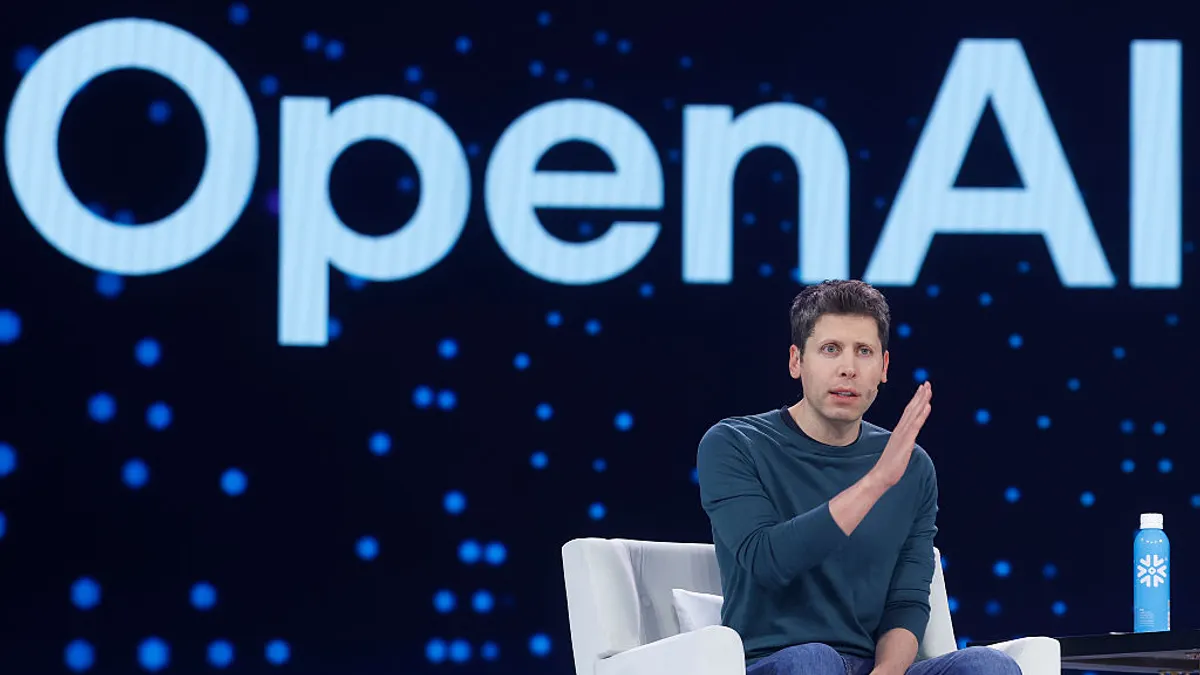
OpenAI is significantly advancing its foray into the digital advertising landscape with the introduction of a self-serve Ads Manager for its ChatGPT platform. This move, announced on May 11, 2026, is a crucial step in the generative AI leader’s strategy to monetize its rapidly growing user base, signaling a clear ambition to compete with established advertising giants like Google and Meta. The expansion includes a beta rollout of the Ads Manager to new international territories, the integration of cost-per-click (CPC) bidding, and enhanced measurement capabilities designed to provide advertisers with greater control and insight into campaign performance.
The development arrives amidst reports that OpenAI is targeting an ambitious $100 billion in advertising revenue by 2030, a testament to the perceived potential of generative AI as an advertising channel. While OpenAI CEO Sam Altman had previously expressed reservations about integrating advertisements into ChatGPT, citing concerns over user experience and data privacy, the company officially announced its intention to test ads on the platform in February 2026. Since then, a select group of prominent brands, including retail giants Target and Albertsons, along with home goods retailer Williams-Sonoma, have actively participated in the initial pilot program, testing contextual advertising and exploring new avenues for product discovery within the AI conversational interface.
A New Era of Self-Serve Advertising on ChatGPT
The newly launched Ads Manager represents a significant leap forward, transforming how brands and marketers can engage with OpenAI’s advertising offerings. Previously reliant on direct collaborations and agency partnerships, advertisers will now have direct access to a dedicated portal. Within this self-serve environment, marketers can perform a comprehensive range of actions: registering as advertisers, securely adding payment information, defining campaign parameters such as budgets, bid strategies, and pacing, uploading ad creatives, launching their campaigns, and monitoring performance metrics in real-time. This democratization of access is designed to lower the barrier to entry for a broader spectrum of advertisers, from large enterprises to smaller businesses looking to leverage the reach of ChatGPT.
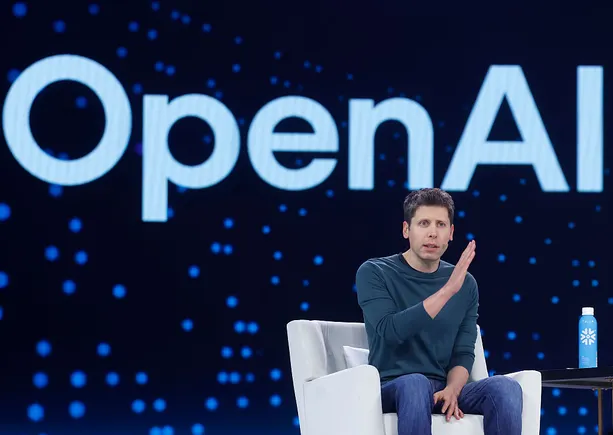
OpenAI has not operated in isolation during this development phase. The company has proactively forged strategic alliances with major advertising agencies, including Dentsu, Omnicom, Publicis, and WPP. Furthermore, collaborations with leading technology partners such as Adobe, Criteo, Kargo, Pacvue, and StackAdapt have been instrumental in ensuring that advertisers can integrate ChatGPT ads into their existing workflows and utilize familiar tools and processes. This ecosystem approach aims to foster seamless adoption and maximize the utility of the new advertising platform.
Enhanced Bidding and Measurement Tools
To further refine campaign effectiveness and advertiser control, OpenAI is introducing cost-per-click (CPC) bidding as a core offering. This model allows advertisers to pay only when a user actively clicks on their advertisement, directly linking ad spend to user engagement and potential conversion events. CPC bidding complements the existing cost-per-mille (CPM) option, which was initially introduced during the early stages of the ad pilot. The CPM model, which charges based on impressions, has already provided valuable insights into demand, delivery mechanisms, and initial performance trends. The addition of CPC bidding offers advertisers a more performance-driven option, enabling them to align their investment more closely with tangible user actions and optimize for return on ad spend.
Beyond bidding strategies, OpenAI is also bolstering its measurement capabilities. The recent launch of a Conversions API and pixel-based measurement tools signifies a commitment to providing advertisers with deeper post-click insights. These tools will enable brands to track a wider array of consumer actions that occur after an ad interaction, including purchases, lead generation, and sign-ups. This enhanced visibility is critical for understanding the true impact of ChatGPT ads on business objectives and for optimizing campaigns based on downstream results. The company has indicated that the Ads Manager will be gradually opened to an increasing number of businesses, suggesting a phased rollout strategy to ensure stability and gather further feedback.
Strategic Expansion and Competitive Positioning
The aggressive expansion of OpenAI’s advertising infrastructure is a clear indication of its long-term strategic objectives. Beyond the Ads Manager, the company announced on May 7, 2026, its plan to extend its advertising pilot to a select group of additional countries. This global expansion is driven by the need to understand regional nuances in user behavior and advertiser demand, and to tailor ad strategies for diverse markets. By testing in new territories, OpenAI aims to gather crucial data on what advertising approaches resonate most effectively across different cultural and economic landscapes.

These developments come at a time of intense competition in the digital advertising arena. Both Google and Meta have recently reported substantial growth in their ad revenues, largely attributed to their own integration of generative AI technologies into their platforms. Google’s Gemini and its AI Mode are projected by eMarketer to surpass ChatGPT in user growth this year, highlighting the critical need for OpenAI to establish a robust and appealing advertising ecosystem to maintain its competitive edge. The success of its ad initiatives could provide OpenAI with the financial impetus required to continue its rapid innovation and expansion in the AI space.
Furthermore, OpenAI’s privacy policy was updated in late April 2026 to include explicit language regarding the receipt of purchase data from advertisers and the sharing of user information with marketing partners for the purpose of third-party ad targeting. This policy update, while potentially raising privacy concerns among some users, is a necessary step for a platform seeking to operate as a sophisticated advertising network, aligning with industry practices for targeted advertising.
Industry Reactions and Future Implications
The move by OpenAI into self-serve advertising on ChatGPT is being closely watched by the marketing industry. Advertisers have generally expressed optimism about the transformative potential of AI in driving marketing innovation. However, a significant challenge remains: a noted lack of AI literacy among Chief Marketing Officers (CMOs), as identified in a Gartner report. This skill gap could potentially hinder the effective adoption and strategic deployment of AI-powered advertising tools, posing a threat to CMOs’ ability to lead their organizations through this technological shift.
Concurrently, research from the Interactive Advertising Bureau (IAB) indicates a widening disparity between the attitudes of advertisers and consumers toward AI in advertising. While advertisers are often enthusiastic about the efficiency and personalization capabilities AI offers, consumers may harbor reservations regarding data privacy, transparency, and the potential for intrusive or manipulative advertising. Bridging this perception gap will be crucial for OpenAI and its advertising partners to build trust and ensure long-term consumer acceptance of AI-driven advertising on platforms like ChatGPT.

The strategic implications of OpenAI’s advertising pivot are profound. By establishing itself as a viable advertising platform, OpenAI not only diversifies its revenue streams beyond its core AI development but also positions itself as a direct competitor to the established digital advertising duopoly. The success of this initiative could redefine the future of conversational AI marketing, offering brands novel ways to connect with consumers through intelligent, context-aware interactions. The coming years will likely see increased experimentation and evolution in how generative AI is leveraged for advertising, with OpenAI at the forefront of this transformative wave. The ongoing development of its advertising tools, coupled with its expanding global reach and enhanced measurement capabilities, suggests that OpenAI is committed to carving out a significant share of the digital advertising market. The company’s ability to navigate privacy concerns, address the skills gap within marketing departments, and align advertiser and consumer expectations will be key determinants of its long-term success in this new frontier.