rifanmuazin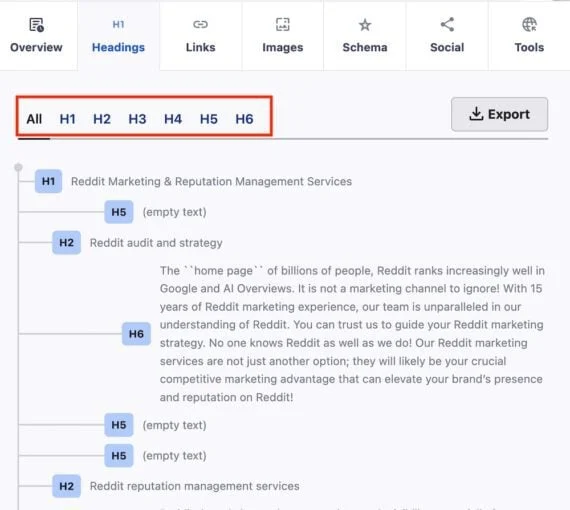
The burgeoning landscape of generative artificial intelligence (GenAI) presents a new frontier for online visibility, but a clear, step-by-step methodology for optimizing content for these powerful models remains elusive. Unlike the established metrics and ranking signals of traditional search engines, the priorities of platforms such as ChatGPT, Google’s Gemini, and Anthropic’s Claude are still being deciphered. This necessitates a pragmatic approach rooted in experimentation and the utilization of emerging tools to gain insights into how these AI systems perceive and prioritize information.
In this evolving domain, relying on a diverse set of analytical tools is crucial for gaining a comprehensive understanding of AI visibility. While no single tool offers definitive answers due to the nascent nature of AI ranking signals, several Chrome extensions are proving invaluable for marketers and content creators seeking to enhance their presence within GenAI outputs. These tools provide helpful recommendations, acting as compasses in uncharted territory, guiding optimization efforts based on current best practices and observed AI behavior.
Navigating the Generative AI Landscape: Key Chrome Extensions for Enhanced Visibility
The challenge of optimizing for GenAI lies in the lack of transparent algorithms. Content creators are left to infer the underlying logic of these models through observation and the application of tools that attempt to quantify "AI friendliness." This section delves into three prominent Chrome extensions that are currently aiding in this endeavor, offering distinct perspectives on content optimization for AI consumption.

GEO Auditor: A Scorecard for AI Optimization
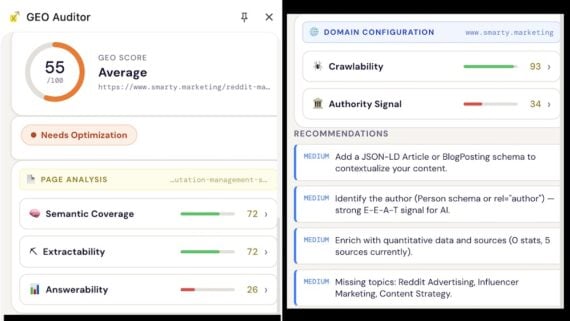
GEO Auditor emerges as a robust tool designed to evaluate the AI optimization of any given webpage. It provides a comprehensive score based on three key factors, aiming to shed light on how effectively a page is prepared for AI models to understand and index.
- Content Relevance: This metric assesses how well the content on a page aligns with potential AI queries and the broader topical authority of the domain. It likely analyzes keyword density, semantic relevance, and the depth of information presented.
- Structural Readability: GEO Auditor likely evaluates the organization and formatting of content, including the use of headings, subheadings, bullet points, and paragraph structure. Clear and logical organization is paramount for AI models to parse information efficiently.
- Technical Foundation: This factor probably examines underlying technical elements that contribute to a page’s accessibility and comprehensibility for AI bots, such as meta descriptions, title tags, and image alt text.
Beyond these core scoring factors, GEO Auditor provides a deeper analysis of a page’s technical SEO aspects, which are indirectly crucial for AI visibility. It scrutinizes crawlability by examining a domain’s robots.txt file and meta robot tags, ensuring that AI bots are permitted to access and process the content. Furthermore, the extension analyzes domain authority by considering backlinks and citations. While the specific sources for these metrics are not explicitly cited by the tool, the presence of such analysis suggests an understanding that AI models, like traditional search engines, may consider the credibility and influence of a domain.
For a practical demonstration, the tool offered specific optimization suggestions for the Smarty Marketing website. These recommendations likely included actionable steps to improve the identified scoring factors, such as refining keyword usage, enhancing content structure, or optimizing technical meta tags. The visual representation provided by GEO Auditor, showcasing a scorecard page, underscores its role as a diagnostic tool, highlighting areas of strength and weakness in a page’s AI optimization profile.
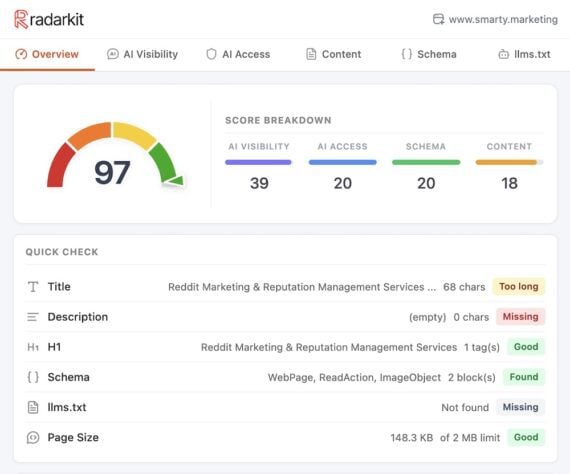
AI SEO Extension by RadarKit: Quantifying "AI Friendliness"
The AI SEO Extension by RadarKit offers another valuable perspective by assigning an "AI friendliness" score to each page. This metric provides a quantitative measure of how well a page is likely to be understood and utilized by generative AI models. The extension’s scoring likely encompasses several crucial elements:
- Content Depth and Uniqueness: This factor assesses the originality and comprehensive nature of the content. AI models are trained on vast datasets and tend to favor well-researched, in-depth content that offers unique insights.
- Semantic Markup: The extension likely evaluates the use of structured data and semantic HTML tags, which help AI models understand the relationships between different pieces of information on a page.
- Keyword Strategy: While not solely reliant on keyword stuffing, the extension probably analyzes the strategic use of relevant keywords and phrases that are likely to be queried by users interacting with GenAI.
- User Engagement Signals (Inferred): Although direct user engagement metrics might not be accessible to an extension, it’s plausible that the AI SEO Extension infers aspects of user experience that contribute to AI visibility, such as readability and ease of navigation.
The accompanying screenshot of the AI SEO Extension’s score page illustrates its user-friendly interface, presenting a clear numerical or qualitative assessment of a page’s AI friendliness. This allows content creators to quickly identify areas needing improvement and track the impact of their optimization efforts.
All in One SEO Analyzer: Leveraging Traditional SEO for GenAI Insights
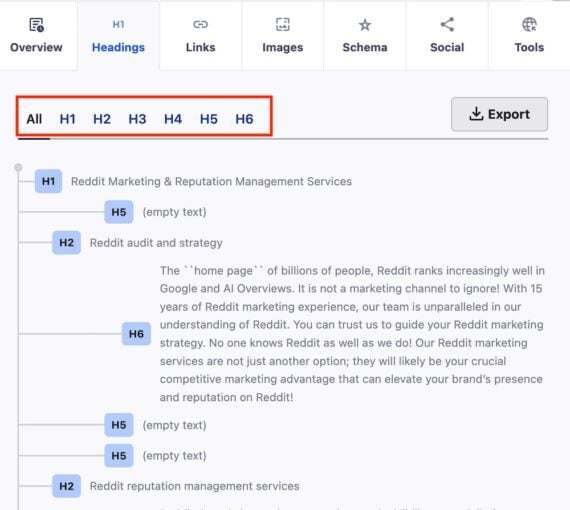
While the All in One SEO Analyzer by AIOSEO is primarily geared towards traditional search engine optimization, its detailed analysis of on-page elements offers significant, albeit indirect, benefits for GenAI visibility. The extension’s strength lies in its granular examination of HTML headings (H1-H6).
- Hierarchical Structure: The proper use of H1-H6 tags creates a logical hierarchy for content. This structure is invaluable for AI models, enabling them to quickly grasp the main topics, subtopics, and supporting details of a document.
- Topic Scoping: AI models often use headings to understand the scope and focus of different sections of content. Well-defined headings help AI accurately categorize and retrieve information.
- Potential for AI Citations: It is increasingly understood that AI models may leverage heading structures when generating summaries or answering questions, potentially leading to citations of specific sections. The All in One SEO Analyzer’s detailed breakdown of these headings provides a crucial audit for ensuring they are optimized for this purpose.
By providing a comprehensive report on heading usage, including their presence, order, and potential errors, this extension empowers creators to ensure their content is not only discoverable by traditional search engines but also more comprehensible and utilizable by generative AI systems. The ability to audit these fundamental structural elements is a cornerstone for any content aiming for broader digital visibility.
The Underlying Challenge: The Absence of Defined Ranking Signals
The common thread among these valuable tools is the acknowledgment of a fundamental challenge: the absence of clearly defined and publicly disclosed ranking signals for generative AI models. Unlike Google’s decades of algorithm refinement, which have led to a relatively stable (though constantly evolving) set of SEO best practices, the inner workings of GenAI are largely proprietary.
This lack of transparency means that current optimization efforts are akin to navigating a new continent without a detailed map. While the tools discussed provide valuable directional insights, they are based on observed patterns, inferred logic, and the application of existing SEO principles to a new context. The "ranking signals" for AI are still being uncovered through extensive testing and experimentation by SEO professionals, researchers, and AI developers themselves.
Background Context: The rapid proliferation of GenAI technologies in late 2022 and throughout 2023, spurred by the public release of models like ChatGPT, marked a paradigm shift in how information is accessed and generated. This led to an immediate scramble among businesses and content creators to understand how to make their content visible and influential within these new AI-powered information ecosystems. Early attempts focused on replicating traditional SEO tactics, but it quickly became apparent that AI models operate with different priorities, often emphasizing factual accuracy, logical coherence, and the ability to synthesize information from various sources.
Timeline of Evolution:
- Late 2022 – Early 2023: Initial public awareness and adoption of GenAI tools. Focus on basic keyword optimization and content quality.
- Mid-2023: Emergence of early AI SEO tools and discussions around "AI-friendly" content. Recognition of the importance of structured data and semantic markup.
- Late 2023 – Present: Development of more sophisticated AI analysis tools, including Chrome extensions. Increased focus on understanding how AI models cite sources and generate factual information. Ongoing experimentation with content formats and structural elements.
Supporting Data and Broader Implications
While specific data points on GenAI ranking factors are scarce, industry reports and expert observations provide a growing body of evidence. For instance, studies on how AI models generate answers often highlight the importance of:
- Factual Accuracy and Verifiability: AI models are increasingly penalized for generating incorrect or misleading information. Content that is well-sourced and factually sound is likely to be favored.
- Comprehensiveness and Depth: Generative AI aims to provide thorough answers. Pages that offer detailed explanations and cover a topic comprehensively are more likely to be utilized.
- Clarity and Conciseness: While depth is important, information must also be presented clearly and concisely. AI models can struggle with overly complex or jargon-filled content.
- Authoritative Sources: The perceived authority of the source from which AI draws information is becoming a significant factor. This includes domain reputation, author expertise, and the presence of citations.
Inferred Reactions from Related Parties:
While direct statements from major AI model developers regarding their optimization priorities are rare, the actions of companies like Google and Microsoft in integrating AI into their search products provide implicit clues. The emphasis on "helpful content" and the push for original, user-first content in traditional search are likely to be mirrored and amplified in their AI-driven search experiences. Content creators who prioritize genuine value and expertise are thus positioning themselves favorably for both traditional and AI-driven discovery.
Analysis of Implications:
The lack of defined AI visibility signals has several critical implications:
- Increased Reliance on Experimentation: Marketers and SEO professionals must adopt a more agile and experimental mindset, continuously testing and iterating based on observed AI behavior.
- Holistic Content Strategy: Optimization for GenAI will likely require a more holistic approach, integrating traditional SEO principles with a focus on content quality, structure, and factual accuracy.
- Evolving Skillsets: The demand for professionals who can navigate the complexities of AI SEO is expected to grow, requiring new analytical and strategic skills.
- Potential for Disruption: As AI models become more sophisticated, they have the potential to significantly disrupt existing online visibility paradigms, making it crucial for businesses to adapt proactively.
The Path Forward: A Continuous Learning Process
In conclusion, optimizing for generative AI visibility is an ongoing journey rather than a destination. The absence of a fixed roadmap underscores the need for adaptability, continuous learning, and the strategic use of emerging tools. Extensions like GEO Auditor, AI SEO Extension by RadarKit, and All in One SEO Analyzer serve as invaluable allies in this endeavor, providing data-driven insights and actionable recommendations.
As the field of generative AI matures, we can anticipate a greater convergence between traditional SEO practices and AI-specific optimization strategies. For now, a pragmatic approach that combines meticulous content creation, thoughtful structural organization, and a willingness to experiment with the latest analytical tools will be key to ensuring that content not only reaches human audiences but also resonates effectively within the rapidly expanding world of artificial intelligence. The future of online visibility is intrinsically linked to our ability to understand and adapt to these powerful new technologies.