rifanmuazin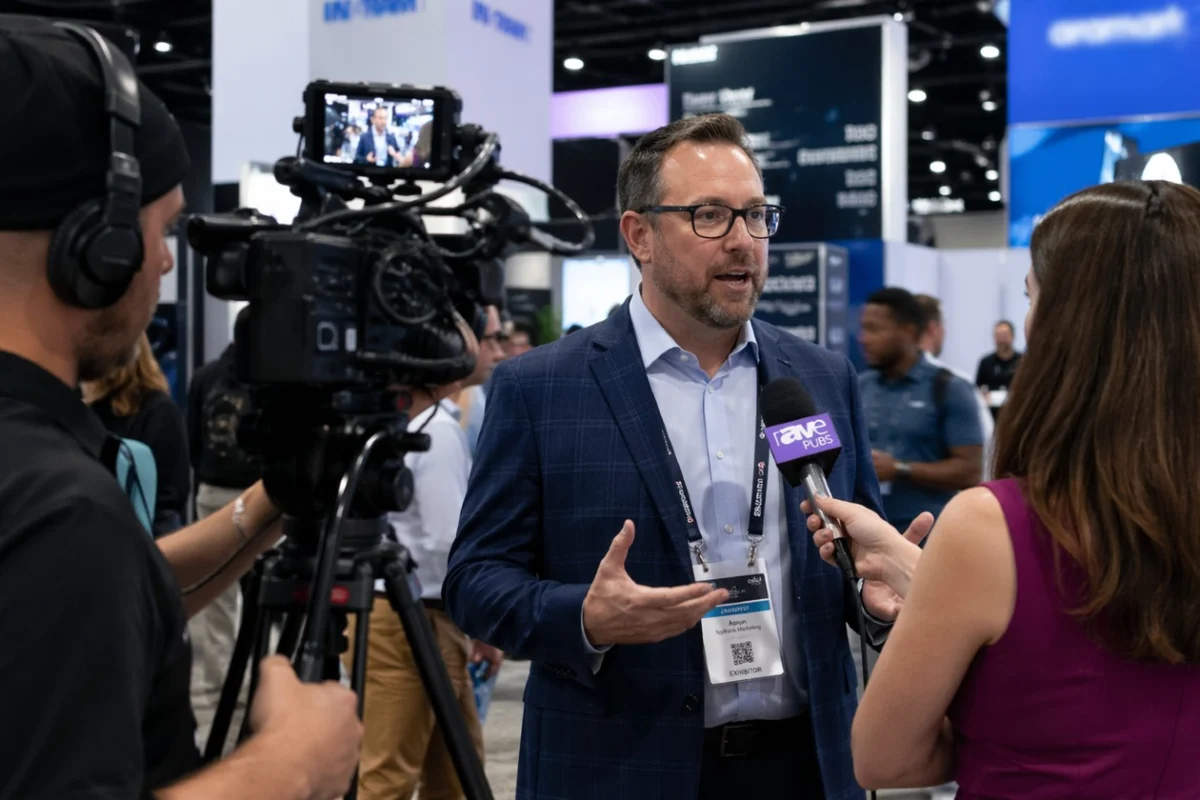
The landscape of business-to-business (B2B) marketing has undergone a profound transformation, with influencer collaborations evolving from a niche tactic to an indispensable component of a robust marketing strategy. This shift is underscored by compelling data, indicating a significant increase in investment and a clear recognition of the tangible results influencer marketing delivers. As B2B brands increasingly move beyond experimental phases to integrate influencer programs into their core operations, the demand for effective strategies to engage these key voices and drive measurable business impact has never been higher.
The Ascendancy of B2B Influencer Marketing: Data and Investment Trends
Recent research paints a vivid picture of influencer marketing’s growing importance in the B2B sector. According to TopRank Marketing’s latest B2B influencer marketing research, a substantial 43% of B2B marketers report achieving "outstanding results" from their influencer marketing initiatives. This success is further amplified by the fact that 82% of the most successful programs adopt an "always-on" strategy, demonstrating a commitment to sustained engagement rather than sporadic campaigns.
This impressive performance is directly translating into increased financial commitment. A significant 81% of B2B marketers now allocate a dedicated budget to influencer marketing, with a further 53% actively increasing these allocations. This trend is anticipated to continue, with Forrester predicting that by 2026, a remarkable 75% of B2B brands will escalate their investments in influencer relations. This surge in investment reflects a growing confidence in the ROI and strategic value that influencer partnerships bring to the B2B ecosystem.
Navigating the Evolution: From Experimentation to Integration
As B2B brands mature in their adoption of influencer marketing, moving from pilot programs and sequential campaigns to comprehensive, always-on strategies, a critical question emerges: how can businesses best expand and engage with business influencers and creators to achieve demonstrable business outcomes? This evolution necessitates a deeper understanding of engagement models, content co-creation, and performance measurement.
With over a decade of experience providing enterprise B2B brands with sophisticated influencer marketing solutions, TopRank Marketing is uniquely positioned to address these evolving needs. The organization has compiled an updated collection of B2B influencer campaigns and activation opportunities for 2026, designed to blend time-tested methodologies with innovative approaches. These include leveraging AI-driven matching for optimal influencer selection, implementing performance-based commission structures, and strategically embedding brand narratives within "dark social" communities – private online spaces where candid discussions often occur.
The underlying principle, as emphasized by industry experts, is that the effectiveness of any influencer campaign hinges on its alignment with customer behavior and preferences. Matching the campaign approach to how target audiences consume content and engage with influencers is paramount. The following strategies, organized by strategic clusters, offer a comprehensive framework for B2B marketers to ignite their go-forward plans for influencer and creator collaborations in the coming year.
I. AI Search Visibility, GEO & LLM Citations for B2B Brands
The rapid integration of Artificial Intelligence (AI) into how B2B buyers seek information is fundamentally reshaping search dynamics. Optimizing for Large Language Models (LLMs) has become a top-tier priority for many B2B brands aiming to maintain visibility. According to the B2B Influencer Marketing Report, 44% of B2B marketers identify the use of AI to expand and optimize influencer content as the most significant emerging trend in the industry. Simultaneously, Google’s increasing emphasis on EEAT (Experience, Expertise, Authoritativeness, Trustworthiness) signals for search visibility means that collaborating with the most respected voices in a given industry can yield substantial Search Engine Optimization (SEO) benefits.
- 1. Publish Proprietary Data Drops and Mini-Reports: LLMs actively seek and cite original data to formulate answers to user prompts. By disseminating proprietary industry data, brands create "referenceable assets" that AI tools such as ChatGPT and Perplexity can readily ingest and attribute. This positions the brand as an authoritative source within AI-driven information retrieval.
- 2. Embed Executives in Reddit and Industry Forums: Research from Tinuiti indicates that Reddit accounts for a significant 44% of all social media citations in Google AI Overviews. Active participation by subject matter experts in these communities ensures that the brand’s perspective is integrated into LLM training data, enhancing its digital footprint.
- 3. Sponsor Independent Industry Newsletters and Substacks: Publications that are openly crawlable by LLMs exert considerable influence on the narratives that AI models learn. Sponsoring or co-authoring content with independent analysts ensures that a brand is mentioned in high-trust environments that are indexed by LLMs, thereby shaping AI-generated content.
- 4. Create Highly Scannable "Canonical Definition" Pages with Influencers: When a brand establishes itself as the primary source for defining a new industry concept, it gains disproportionate citation by AI tools. Collaborating with experts to develop clear, structured explainer pages allows LLMs to easily extract and reference this foundational information.
- 5. Publish Full Transcripts of Influencer Podcast Interviews: A comprehensive podcast conversation, often spanning 40 minutes, contains thousands of indexable words. Publishing full transcripts transforms audio insights into accessible text that can be scraped by AI, thereby boosting long-tail search visibility and increasing the likelihood of AI citations.
- 6. Develop an "AI Mention" Outreach Strategy for Public Relations: Moving beyond traditional link-building, this strategy involves pitching journalists and creators with specific data comparisons or pre-prepared hooks that naturally incorporate the brand. MuckRack research reveals that a staggering 95% of AI citations originate from public relations and earned media content, highlighting the importance of strategic PR efforts.
- 7. Launch an Influencer-Led "Troubleshooting" or FAQ Series: Identifying the precise questions B2B buyers are posing to AI search engines and LLMs allows brands to partner with influencers to create targeted website content that directly addresses these queries. This establishes the brand as the authoritative source for answers, enhancing its relevance in AI-driven research.
II. B2B Influencer Content Co-Creation & Thought Leadership
For B2B brands striving for marketing success, influencer collaboration serves as a powerful force multiplier for establishing thought leadership. Ascend2’s 2026 B2B Thought Leadership research found that 72% of marketers who frequently collaborate with influencers report their research-based content as highly effective, a stark contrast to the 29% of those who do not engage in such collaborations.
- 8. Conduct a Series of Video Interviews with Influencers: By selecting a central theme and key topics, brands can interview top experts. The inherent versatility of video allows for repurposing content into podcasts, text for social media, and quotes for blog posts, presentations, and newsletters, maximizing reach and impact.
- 9. Add Influencer Reactions and Expertise to a Research Report: Incorporating the insights of relevant influencers into research reports significantly enhances their credibility and reach. Examples like Cherwell Software’s research report and Adobe’s "Analytics Champions" campaign demonstrate how co-creation with data experts can lead to substantial improvements in lead generation compared to traditional marketing efforts.
- 10. Invite Influencers to Provide Content for an Interactive Content Experience: Interactive content formats not only engage audiences but also elevate the status and visibility of contributing influencers. Typeform’s "Get Real" campaign, which replaced a traditional gated PDF with an interactive landing page featuring video responses from influencers, exemplifies how this approach can foster brand advocacy.
- 11. Invite Influencers to Write a Series of Articles Published on the Brand Site: Brands that address buyer questions provide immense value. Engaging third-party experts to contribute their perspectives through insightful content further amplifies this value. It is important to note that consistent contributions often require a paid engagement with the influencers.
- 12. Create an Ebook Featuring Brand Thought Leadership Accentuated by Relevant Industry Influencer Insights: Combining expert insights with executive perspectives, as demonstrated by Oracle Dyn’s Cybersecurity Intelligence Report, builds credibility through association and positions the brand as a comprehensive resource.
- 13. Engage Influencers to Contribute Expertise to Content that Advances a Key Brand Theme: Many B2B brands produce content lacking third-party validation. Collaborating with influencers to inject credibility into content, such as Adobe’s interactive infographic on customer experience management, strengthens the brand’s narrative and resonance.
- 14. Feature Quotes from a Group of Influencers for a Roundup Blog Post or Landing Page: Showcasing commentary from multiple influencers on a dedicated landing page, as Dell Outlet Small Business did regarding the value of refurbished computers, can effectively drive awareness and engagement.
- 15. Curate Quotes from Influencer Contributions and Repurpose Them as Social Shares Throughout the Year: A modular content approach, utilizing templates with influencer interviews, facilitates the creation of a library of topic-organized quotes. This content can be seamlessly repurposed for social media, contributed articles, newsletters, and presentations, ensuring sustained engagement.
III. B2B Creator Social-First & Digital Video Activations
Social media remains a dominant channel for B2B influencer activations. The TopRank Marketing 2025 B2B Influencer Marketing Report highlights that social media posts are cited by 56% of marketers as the most effective content type for B2B influencer programs, surpassing all other formats.
- 16. Leverage LinkedIn Thought Leader Ads: Promoting individual posts from experts via LinkedIn Thought Leader Ads can bypass the "brand logo" trust barrier. Nextiva’s success in achieving a 5600% growth in influenced sales pipeline by sponsoring video content from internal subject matter experts on LinkedIn underscores the power of humanizing enterprise brands.
- 17. Launch a Short-Form Video Series on TikTok or YouTube Shorts: Microsoft’s partnership with lifestyle creators for the launch of Copilot, resulting in over 15 million views, effectively positioned AI tools as trending topics among younger professional audiences. IBM’s multi-platform blitz for its Granite AI platform, generating 43 million impressions, further exemplifies the reach of short-form video.
- 18. Co-create LinkedIn Newsletters with Established Creators: Partnering with niche creators who command highly engaged subscriber bases allows brands to tap into pre-built, high-intent communities, circumventing the need to build an audience from scratch.
- 19. Create a "Street-Style" Expert Interview Video Series: Pinpoint’s "Red Flag, Green Flag" series on LinkedIn, which featured talent leaders in a street interview format, humanized the brand through unscripted, immediate expert reactions to hiring scenarios, demonstrating the effectiveness of authentic content.
- 20. Partner Influencers with Your Customers to Interview Each Other for a Web Video Series: Building trust through peer-to-peer conversations is crucial in B2B. Creating opportunities for credible industry experts to engage with clients inspires meaningful dialogue that resonates with potential customers, fostering deeper connections.
- 21. Engage an Influencer to Be an Emcee or Digital Correspondent During a Brand Conference: A digital correspondent can significantly enhance a brand’s conference presence through interviews and commentary. These roles can extend beyond conferences to VIP dinners, roadshows, or virtual events, amplifying the brand’s reach and engagement.
- 22. Have a Tech Influencer Do an "Unboxing Video" or Software Walkthrough: Adapting B2C influencer tactics to B2B products, such as "server unboxing" videos or software walkthroughs posted across various platforms, can effectively demystify complex B2B offerings and drive engagement.
IV. B2B Influencer Podcasts & Episodic Formats
Audio and episodic content offer a unique avenue for sustained engagement with B2B audiences. Research indicates that podcasts are emerging as one of the most effective content types for influencer programs. Vox Media and MAGNA report that 75% of weekly podcast listeners consider podcast hosts to be more influential than social media influencers, highlighting the power of this medium.
- 23. Engage an Influencer Host on a Brand Podcast: Tamara McCleary’s tenure as host of the SAP Tech Unknown podcast, which resulted in a 66% increase in downloads and over 52 million social media impressions, demonstrates the significant impact an influencer host can have on a brand’s audio content.
- 24. Produce an Episodic Talk Show Format: Lenovo’s "Late Night I.T." campaign, a benchmark in tech talk show formats, generated over 300 million impressions and 72 million video views, leading to a 7-point lift in brand consideration among large enterprises, showcasing the power of engaging episodic content.
- 25. Run a Webinar or Series of Webinars Featuring an Influencer as Host or Guest: Featuring industry experts in webinars is a proven influencer activation strategy. Sprinklr’s "Across the Socialverse" masterclass series, leveraging influencer expertise, drove over 5,000 registrations, illustrating the effectiveness of this approach.
- 26. Co-create a Series of Organic or Paid Podcast Episodes on the Influencers’ Channels: Emphasizing genuinely useful content, supplemented by original research, deep-dive analysis, or polls, and amplified across channels, maximizes the reach and impact of co-created podcast episodes.
- 27. Create an Ask-the-Expert Video Series: Hosting an "ask-the-expert" series on a brand’s YouTube channel, where influencers join a brand co-host to answer community questions, provides ongoing value and positions the brand as a central hub for expert knowledge across numerous industries.
V. B2B Events, Experiences & Community
Despite the digital dominance, in-person interactions retain significant impact, arguably becoming more valuable in the age of AI. The 2025 B2B Influencer Marketing Report from TopRank Marketing identifies in-person events as the second most effective type of influencer content for B2B marketers at 39%, trailing only social media posts.
- 28. Host Creator-Led Retreats and Outposts: Zapier’s innovative approach to B2B events, hosting a glamping retreat for creators focused on co-creation and relationship building, generated substantial earned media value ($136,000), demonstrating the power of unique experiential marketing.
- 29. Invite Influencers to an Event at Brand HQ: Providing tours, executive meet-and-greets, and educational sessions at brand headquarters offers influencers rich opportunities for content creation and a deeper understanding of the brand. Adobe’s influencer deep-dive event exemplified the positive outcomes of such curated experiences.
- 30. Enlist Influencers as Judges in a Contest: Alcatel Lucent Enterprise’s use of influencers as judges for their IT Vanguard Awards not only provided significant exposure for winners but also generated multiple six-figure leads for the brand.
- 31. Engage Influencers to Keynote or Workshop at Your Brand’s User Conference: Influential speakers with deep industry expertise can significantly elevate audience engagement and inspiration at user conferences. Beyond discovery and decision-making, influencers can also play a crucial role in retention by fostering deeper client relationships.
- 32. Invite Influencers to an Event to Livestream and Document Their Experience: A select group of influencers documenting their experience at a brand event can create a powerful ripple effect. SAP’s annual conference saw 15 influencers driving 25% of all social media impressions, underscoring the impact of live event coverage.
- 33. Invite Influencers Along with Clients and Prospects to VIP Dinners: Connecting clients with top industry influencers creates memorable experiences and fosters a top-of-mind awareness that is invaluable for long-term brand loyalty.
- 34. Invite Influencers to an Executive Meeting or Retreat to Discuss Topics of Mutual Interest: Establishing advisory councils, such as the Digital Marketing Institute’s Global Industry Advisory Council, facilitates the exchange of insights on industry trends, benefiting both customers and prospective customers.
VI. Performance, Data & Innovative Campaigns
While 43% of B2B marketers report outstanding results from their influencer programs, this figure jumps to 79% for those with mature, always-on strategies. New data from LinkedIn’s Global B2B Marketing Outlook reveals that 81% of UK B2B marketers believe that collaborating with influencers or creators enhances trust and credibility among decision-makers.
- 35. Implement Performance-Based Commission Programs: Submagic’s success in generating over $1 million in revenue within 90 days by implementing a performance-based commission structure for influencers highlights the effectiveness of aligning influencer compensation with tangible business results.
- 36. Utilize Interactive Funnel Triggers: Kittl’s use of interactive Instagram Reels, coupled with automated keyword triggers in comments, effectively positioned the brand as a credible alternative to established tools and drove high-intent trial sign-ups.
- 37. Execute World Record and Stunt Campaigns: Travelport’s "7 Wonders Challenge," featuring influencer Adventureman visiting all seven world wonders in seven days using the Travelport+ platform, generated 2.76 billion impressions and positioned a complex B2B booking tool as a seamless solution, demonstrating the power of bold, engaging campaigns.
- 38. Create Pop Culture and Nostalgia-Based Campaigns: AT&T Business’s "Sleep With Rain" campaign, reuniting the cast of "The Office" to address small business owner sleep deprivation, leveraged nostalgia to achieve over 2.5 billion impressions, showcasing the resonance of culturally relevant marketing.
- 39. Leverage AI-Powered Influencer Matching and Selection: IBM’s utilization of the IBM Watson-powered Influential platform to analyze influencer personality traits resulted in a 30% increase in engagement compared to non-sponsored posts, underscoring the efficacy of AI in optimizing influencer partnerships.
- 40. Build Influencer Insight Networks and Advisory Panels: Moving beyond sponsored posts to establish long-term advisory panels, like Rubix Foods’ "NEXT Flavor Network" of Gen Z foodie influencers, provides invaluable insights for R&D and product strategy, transforming influencers into strategic partners.
- 41. Embed in Dark Social and Private Communities: Slack’s social team’s active participation in LinkedIn and private threads to build genuine relationships, rather than simply seeking likes, and their "Hype Machine" initiative, which surprised loyal users with personalized gifts, triggered significant organic viral engagement, demonstrating the power of authentic community building.
- 42. Formalize Employee Advocacy Alongside External Influencers: LinkedIn data indicates that employee networks are typically 12 times larger than a company’s own following. Campaigns like LinkedIn’s #MyMarketingStory, which encouraged employees and influencers to share authentic experiences, saw a 239% increase in reactions, highlighting the synergy between internal and external advocacy.
- 43. Publish a List of Top Influencers in Each Industry Vertical: Identifying and recognizing leading influencers in specific industry verticals can serve as a powerful method to attract their attention and invite collaboration. Making this an annual event and following up with honorees can foster strong, long-term partnerships.
- 44. Create a Series of Blog Posts Featuring Author Influencers and Their Books: Showcasing influential authors and their works through dedicated blog posts, as done by LinkedIn Marketing Solutions, not only resonates with readers but also inspires authors to share their expertise and engage with the brand.
The Foundation for Success: Strategy and Relationship Building
While these 44 strategies offer a robust framework, the cornerstone of any successful influencer marketing program lies in meticulous planning and strategic execution. Understanding the specific needs of the brand and its target customers is paramount in identifying the most suitable influencers and topics. The challenge of finding the right influencers—one consistently cited by B2B marketers—extends beyond mere reach, encompassing relevance, resonance, brand value alignment, and performance.
The complexities of influencer negotiations, content licensing, brief creation, deliverable management, and performance measurement require specialized expertise. Influencers, while not possessing magical powers, can indeed create seemingly magical impacts on marketing efforts across the entire customer lifecycle when strong relationships are cultivated with a relevant group of individuals.
To further explore how strategic collaborations with B2B influencers and creators can significantly elevate brand visibility, foster trust, and enhance overall marketing performance, a deeper dive into partnership methodologies and best practices is recommended.