rifanmuazin
The digital marketing landscape is undergoing a profound transformation, driven by the rapid evolution of artificial intelligence and its integration into search engines. What was once primarily a battle for top organic rankings on Google now encompasses a new frontier: Answer Engine Optimization (AEO). This emerging discipline focuses on ensuring that AI models like ChatGPT, Perplexity, and Google Gemini not only discover and understand a brand’s content but also accurately cite it when generating responses for user queries. This shift mandates a re-evaluation of traditional SEO strategies, moving beyond mere keyword optimization to a more holistic approach centered on content clarity, structured data, and authoritative presence within the AI ecosystem.
For many marketers and businesses, the prospect of adapting to AEO can seem daunting, often associated with expensive enterprise-level tools. However, extensive testing across numerous brand audits reveals a clear verdict: a significant investment in a five-figure tech stack is not a prerequisite for obtaining meaningful AEO data. Instead, a strategic deployment of readily available free and freemium tools can provide the necessary insights to determine a brand’s AI visibility, the sentiment surrounding its mentions, and pinpoint the most impactful areas for optimization. The challenge, however, lies in navigating this rapidly evolving tooling landscape and distinguishing between merely monitoring AI presence and actively improving it. This guide aims to cut through that confusion, offering a curated list of the most effective free and freemium options available today, complemented by a practical workflow for their implementation. Whether an individual marketer embarking on their first answer engine audit or an SEO lead integrating AEO into an established program, this resource provides a clear starting point for transitioning from "invisible to AI" to "cited by AI."
The Shifting Search Paradigm: Why AEO Matters Now

The fundamental nature of search has irrevocably changed. Recent data indicates that a substantial proportion of Google searches, around 60%, now conclude without a single click, as users find their answers directly within search results features like featured snippets or AI Overviews. Concurrently, generative AI platforms have witnessed explosive growth, with ChatGPT alone exceeding 900 million weekly active users. Google’s own AI Overviews are now appearing in at least 13% of all searches, signaling a permanent integration of AI-generated summaries into the core search experience. This environment redefines the central question for digital visibility from "Do I rank on page one?" to "Does AI cite me at all?"
Answer Engine Optimization (AEO) is precisely the practice designed to address this new reality. It involves meticulously structuring content so that AI engines – including ChatGPT, Perplexity, Google Gemini, and emerging platforms – can effectively discover, interpret, and subsequently cite it when formulating answers for users. While traditional SEO primarily aimed at elevating a website’s position on search engine results pages (SERPs), AEO targets becoming the foundational source of truth from which those AI-generated results draw their information.
The distinction is critical: SEO optimizes for clicks and traffic; AEO optimizes for citations and authority within AI-generated summaries. They are not competing disciplines but rather complementary forces. Research consistently demonstrates a strong correlation, with approximately 92% of AI Overview citations linking to pages that already rank within the top 10 organic results. However, achieving a #1 ranking on Google does not automatically guarantee a mention by ChatGPT or other LLMs. AEO demands its own unique set of signals: the provision of direct, unambiguous answers, clear entity definitions, robust structured data implementation, a strong demonstration of E-E-A-T (Experience, Expertise, Authoritativeness, and Trustworthiness), and content formatted in a manner that allows large language models (LLMs) to cleanly extract meaning.
Answer engine optimization tools are indispensable in this new landscape, enabling marketers to measure and enhance these crucial signals. These tools generally fall into two broad categories: those focused on monitoring AI citations and mentions, and those designed for optimization by identifying structural and content improvements. The encouraging news is that embarking on an AEO journey does not necessitate a large budget. A comprehensive array of free and freemium options is readily available to provide initial audits and ongoing insights.

Demystifying AEO Tools: The Free & Freemium Landscape
The market for AEO tools is dynamic, with new solutions emerging regularly. However, a core set of free and freemium options stands out for their utility and accessibility, allowing businesses of all sizes to begin their AEO journey without significant upfront investment.
1. HubSpot AEO Grader: The Foundational Baseline
For any team initiating their AEO efforts, the HubSpot AEO Grader is an indispensable starting point. This completely free tool offers a rapid snapshot of a brand’s performance within leading answer engines. Users can quickly assess their brand’s visibility and determine whether its portrayal by AI is favorable or unfavorable. The AEO Grader generates a composite score out of 100, evaluating various critical dimensions of AI presence. HubSpot’s internal research indicates that even established, well-known brands often score in the "average" range, highlighting a significant competitive window for early and deliberate optimization.
A key recommendation is to run the grader not only on one’s own brand but also on two or three primary competitors. This side-by-side comparison transforms the raw share-of-voice and market position data into actionable competitive intelligence.
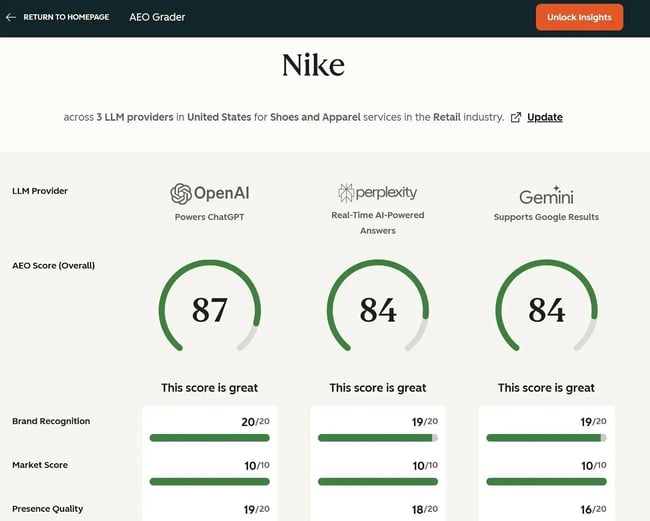
- Best for: Marketers and brand teams seeking a quick, scored, and entirely free baseline assessment of their AI visibility.
- Free Plan: Fully free, requiring no credit card, with no usage limits or features locked behind a paywall.
- Pro Tip: While the AEO Grader provides a one-time assessment, teams seeking continuous tracking and deeper insights can explore HubSpot AEO, which offers ongoing monitoring of brand citations across answer engines and identifies specific prompts. This paid tool, starting at $50 per month after a free trial, builds upon the Grader’s initial assessment.
2. Google Search Console: Unearthing AI Overview Insights
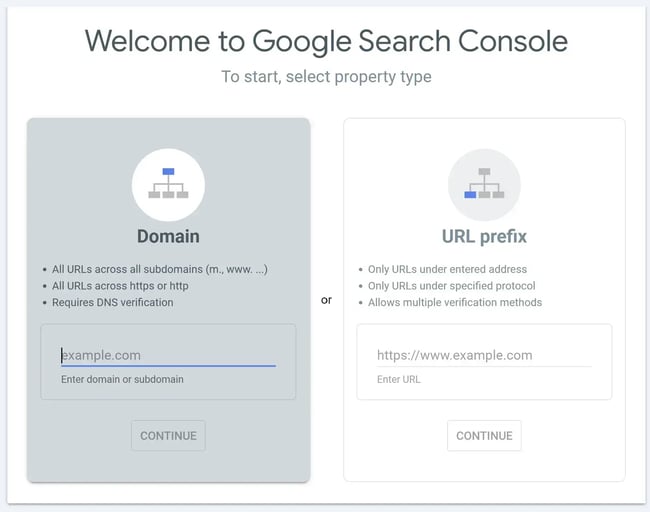
Google Search Console (GSC) remains one of the most powerful yet often underutilized tools for AEO. Within its Performance report, filtering queries by question words such as "who," "what," "how," "why," and "when" can reveal crucial insights. High impressions coupled with low click-through rates for these question-based queries frequently indicate that content is appearing within Google’s AI Overviews or featured snippets, providing direct answers without necessitating a click to the website.
- What it offers: The data in GSC is directly sourced from Google’s own index, making it an authoritative resource for diagnosing visibility gaps within AI Overviews. Furthermore, its Coverage and Enhancements reports are vital for identifying and rectifying structured data errors that could impede answer engines from accurately interpreting page content.
- Best for: Pinpointing which specific questions and queries are driving impressions within AI Overviews, even when direct clicks to the site do not follow.
- Free Plan: Completely free for all verified site owners.
3. SE Ranking AEO Tool: Data-Backed Optimization
SE Ranking’s specialized AEO tool offers robust monitoring of brand mentions and citations, complete with integrated competitor benchmarking. The platform’s extensive research, which analyzed over 129,000 domains, has uncovered valuable optimization insights, such as the finding that pages structured into 120-180-word sections receive 70% more ChatGPT citations than those with shorter sections. This type of data transforms AEO optimization from speculative guesswork into concrete, evidence-based strategy.
- What it offers: The platform provides comprehensive coverage for both Google AI Overviews and ChatGPT, with ongoing development for Perplexity support. It features five distinct trackers covering AI Overviews, AI Mode, ChatGPT, Gemini, and Perplexity, each with platform-specific metrics. The research underpinning the product directly informs actionable optimization recommendations.
- Best for: Teams looking to transition from one-time audits to continuous, data-driven citation tracking across major AI platforms.
- Free Plan: A free trial is available. Paid plans begin at $103/month for 100 daily AI prompts, with an additional AI Search add-on ($71/month) unlocking the full tracker suite.
4. Ahrefs Brand Radar: Verifying LLM Crawlability
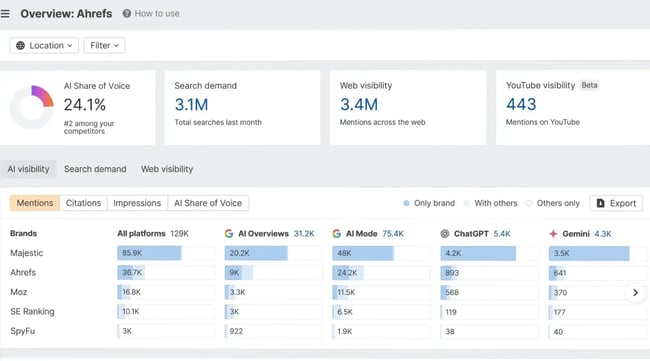
Before any brand can be cited by an answer engine, its content must first be successfully crawled by those systems. Ahrefs Brand Radar offers a free dashboard view specifically designed to monitor AI crawler traffic, including GPTBot (OpenAI), ClaudeBot (Anthropic), and PerplexityBot. Confirming that these crucial LLM crawlers can access a site is a foundational prerequisite for any effective AEO strategy.
- What it offers: This tool uniquely bridges the technical aspects of SEO with the strategic goals of AEO. If server logs or robots.txt configurations are blocking or throttling these bots, no amount of content optimization will yield results. Brand Radar identifies this critical technical barrier.
- Best for: Technical teams needing to verify that LLM crawlers are actively accessing their website.
- Free Plan: Basic AI crawler traffic monitoring is available at no cost.
5. Google’s Rich Results Test + Schema Markup Validator: The Structured Data Foundation
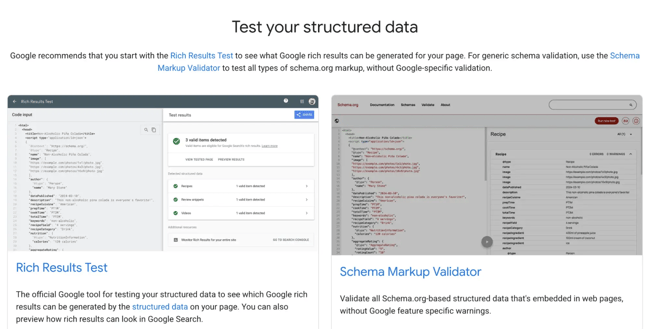
Structured data forms the literal backbone of effective AEO. Implementing schema types such as FAQPage, Article, and Product helps answer engines not only to interpret the surface text of content but also its underlying structure and meaning. Google’s free Rich Results Test validates schema implementation, indicating which rich result types a page qualifies for. The Schema Markup Validator further ensures that syntax errors are caught and corrected before they impact live production environments.
- What it offers: These are the definitive tools for ground-truth validation of structured data, directly from the source (Google). Neither requires an account or payment.
- Best for: Diagnosing and rectifying structured data errors that prevent answer engines from accurately understanding content.
- Free Plan: Both tools are entirely free to use.
6. ProductRank.ai: A Quick Brand Visibility Cross-Check
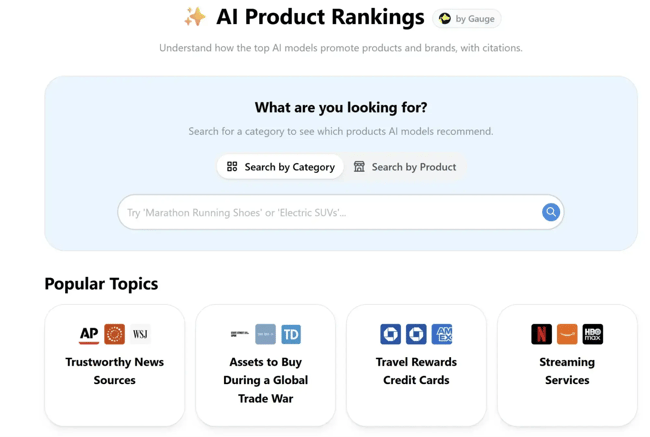
ProductRank.ai offers free brand visibility checks across major LLMs, serving as a valuable secondary opinion to validate answer engine citation presence beyond purely technical readiness scores. It’s particularly useful for cross-referencing findings from other tools like the HubSpot AEO Grader, especially when initial results are unexpected.
- What it offers: Provides fast, multi-engine brand checks without requiring an account for basic functionality.
- Best for: A rapid, free cross-check of a brand’s visibility across leading LLMs.
- Free Plan: Free brand visibility checks are available.
7. ChatGPT, Perplexity, and Gemini: Manual Prompt Testing for Intuition
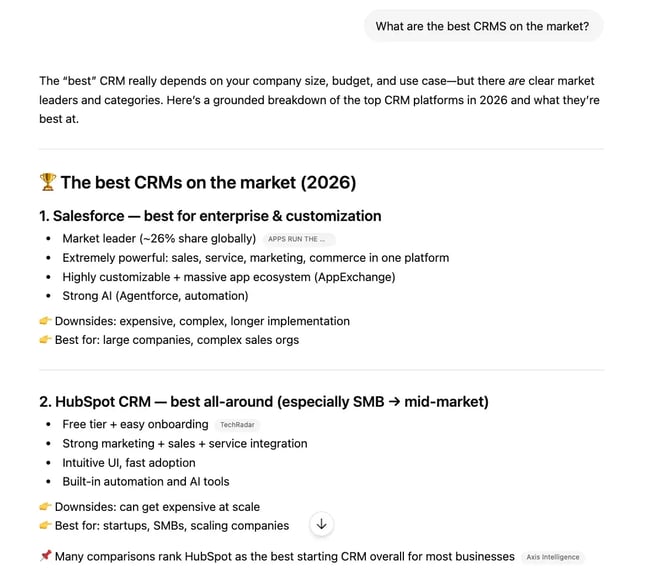
Before investing in any paid tool, dedicating 30 minutes to manual prompt testing is an invaluable exercise. This involves directly querying platforms like ChatGPT, Perplexity, and Gemini with questions such as:
- "What is [Your Brand] known for?"
- "Tell me about [Your Brand]’s products/services."
- "How does [Your Brand] compare to [Competitor]?"
- "What are the benefits of using [Your Brand]’s solution?"
Documenting each platform’s response and cited sources builds essential intuition for interpreting automated tool outputs. This direct engagement forces a shift from keyword-centric thinking to prompt-centric thinking, which is fundamental to AEO.
- What it offers: It’s free, direct, and cultivates the core mental shift required for AEO.
- Pro Tip: Screenshot or export these results monthly. Answer engines continuously update their training data, meaning the same prompt can yield different results over time.
- Best for: Gaining immediate, zero-cost understanding of how answer engines describe a brand and its competitors.
- Free Plan: Available via the free tiers of ChatGPT and Perplexity.
8. Writesonic AI Search Grader: Actionable Content Recommendations
Writesonic’s answer engine optimization tool goes beyond mere citation tracking. It monitors how answer engines cite a brand and, crucially, endeavors to explain why citations might be missing, highlighting underlying content gaps. It covers ChatGPT, Gemini, Perplexity, and other platforms.
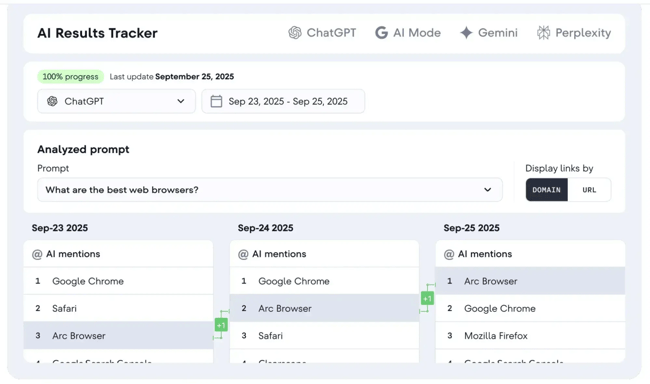
- What it offers: Unlike many monitoring tools that simply report a lack of citation, Writesonic strives to identify the root causes, making it significantly more actionable for content teams seeking to close those gaps.
- Best for: Content teams looking to integrate visibility monitoring with concrete content recommendations into a single workflow.
- Free Plan: A free trial is available, with paid plans varying by feature set.
9. Semrush AI Toolkit: Seamless Integration for Existing Users
Semrush has integrated answer engine visibility and AI Overviews tracking into its comprehensive suite of SEO tools. For businesses already leveraging Semrush for keyword tracking, backlink analysis, and site audits, the AI Toolkit seamlessly surfaces AI Overview presence for tracked keywords and monitors shifts in visibility over time.
- What it offers: The deep integration with Semrush’s existing keyword and content data allows for a unified view of both traditional SEO and emerging AEO signals within a single reporting environment, significantly reducing data fragmentation.
- Best for: Teams already using Semrush who wish to extend their existing workflow into AEO without the friction of onboarding an entirely new platform.
- Free Plan: Freemium, offering limited queries on the free plan, with full AI features available on paid subscriptions.
A Practical Workflow Using Free Answer Engine Optimization Tools
The true power of these tools is unlocked when they are used in a structured sequence. Here’s a recommended workflow for teams starting their AEO journey from scratch:
Step 1: Audit Your Answer Engine Visibility and Citations
Begin by establishing a clear baseline of your current standing.
- Action: Run the HubSpot AEO Grader on your brand and your top two or three direct competitors. Document your composite score and identify the weakest dimensions of your AI presence.
- Action: Conduct manual prompt tests in ChatGPT, Perplexity, and Gemini. Note down precisely what each platform says about your brand and, critically, what sources it cites.
- Action: Simultaneously, utilize Ahrefs Brand Radar to confirm that key LLM crawlers (GPTBot, ClaudeBot, PerplexityBot) are successfully accessing your website. If these bots are being blocked by your robots.txt file or server configuration, resolving this technical barrier is the absolute first priority, as all subsequent content optimization efforts are downstream of crawlability.
- What to look for: Is your brand mentioned at all? Is the description accurate and favorable? Which sources are cited when your brand is mentioned? Which competitors appear when your brand is conspicuously absent from AI responses?
Step 2: Structure Pages to Win Answers
Once visibility gaps are identified, the next step is to address the structural signals that are fundamental to AEO.
- Action: Leverage Google Search Console’s Performance report. Filter queries by question words ("what," "how," "why") to identify content that is already gaining impressions in AI Overviews or featured snippets but might not be driving clicks. These are prime candidates for AEO refinement.
- Action: Review your site’s structured data implementation. Use Google’s Rich Results Test and the Schema Markup Validator to diagnose and fix any errors. Ensure that relevant schema types (e.g., FAQPage, Article, Product) are correctly applied, as these directly help answer engines interpret the meaning and structure of your content.
- Action: Optimize content formatting. As demonstrated by SE Ranking’s research, consider structuring content into easily digestible sections (e.g., 120-180 words) that can be cleanly extracted by LLMs as direct answers. Focus on clear headings, concise paragraphs, and direct answers to common questions.
- Pro Tip: For organizations with large content libraries, content management systems like HubSpot Content Hub can streamline content creation, optimization, and publishing workflows with built-in AI-assisted structuring capabilities.
Step 3: Competitive Analysis to Find Gaps and Opportunities
Revisit your tools with a sharpened competitive lens to refine your strategy.
- Action: Return to the HubSpot AEO Grader with your competitive analysis in mind. Look for specific dimensions where competitors outperform you and analyze their content strategy in those areas.
- Action: Use manual prompt testing and SE Ranking (via its free trial or a paid plan if applicable) to identify specific prompts where competitors are consistently cited, and your brand is not. Analyze the characteristics of their cited content (e.g., directness of answers, structured data usage, depth of expertise).
- Action: Develop a content strategy focused on filling these identified gaps. Create authoritative, well-structured content that directly answers user queries, demonstrates strong E-E-A-T, and incorporates appropriate structured data.
Connecting AEO to Revenue: The commercial implications of AEO are significant. Conversion data indicates that visitors originating from answer engines convert at substantially higher rates than those from traditional organic search. One analysis found that LLM visitors convert 4.4 times better than organic search visitors. To capitalize on this, robust attribution is essential, linking AEO activity directly to CRM data and marketing reporting. Platforms like HubSpot Marketing Hub Pro and Enterprise offer integrated AEO features that connect answer engine citations to CRM records, providing a clear view of AEO’s impact on business outcomes.
When to Upgrade Your AEO Tools
While free tools offer an excellent starting point, there comes a point when the effort of stitching together disparate solutions outweighs the cost of a more integrated, paid platform. Common indicators that it’s time to upgrade include:
- Time-consuming manual data aggregation: Spending excessive hours collating data from multiple free tools.
- Lack of continuous monitoring: The need for real-time tracking and alerts for brand citations and sentiment shifts.
- Limited competitive intelligence: Needing deeper, more automated insights into competitor AEO strategies.
- Difficulty with attribution: Struggling to connect AEO efforts directly to business KPIs and revenue.
- Scaling content production: Managing AEO for a rapidly expanding content library becomes unwieldy with manual processes.
For teams seeking advanced capabilities, solutions like HubSpot AEO (a standalone paid tool) or AEO features within Marketing Hub Pro and Enterprise offer comprehensive tracking and recommendations. HubSpot AEO provides continuous visibility across ChatGPT, Perplexity, and Gemini, delivering prioritized, plain-language recommendations without requiring a full HubSpot subscription. For existing HubSpot users, AEO integrated into Marketing Hub leverages existing CRM data to suggest relevant prompts, making the system smarter and more personalized over time.
Frequently Asked Questions About Free Answer Engine Optimization Tools
How quickly can AEO show impact?
The timeline for AEO impact varies significantly based on a brand’s starting position. Brands with established organic authority and a wealth of high-quality content often observe noticeable improvements in AI citations within four to eight weeks of implementing structural optimizations. Conversely, brands building their presence from the ground up should anticipate a longer horizon, typically three to six months of consistent publishing and optimization before answer engines fully reflect these changes.
An important nuance is the "freshness bias" observed in some AI models, particularly ChatGPT, which tends to favor more recent citations (e.g., within a 30-day window). This emphasizes the importance of regular content updates and ongoing optimization rather than a single, large-scale effort. Furthermore, AEO efforts targeting general-purpose LLMs like ChatGPT and Perplexity often progress more slowly than optimizations aimed at Google AI Overviews, which are typically driven by a fresher index.
Do I need to change my entire SEO strategy for AEO?
No, AEO complements existing SEO strategies; it does not replace them. The foundational principles remain largely the same: producing high-quality, valuable content, cultivating strong domain authority, and maintaining a clean, technically sound website infrastructure. The primary difference lies in the focus of measurement and targeting.
Traditional SEO asks marketers to track keyword rankings, organic traffic, and conversion rates from search. AEO, on the other hand, shifts the focus to tracking brand mentions, citation frequency, sentiment analysis within AI responses, and share of voice within answer engines. Therefore, a successful digital strategy in the age of AI requires tools that provide visibility into both traditional SEO metrics and emerging AEO signals. The brands excelling in this new environment are not necessarily those with the largest budgets, but rather those that deeply understand how answer engines process information and, consequently, create content designed to facilitate those decisions.
Getting Started
For any organization embarking on its AEO journey, a structured, cost-effective approach is paramount. The recommended sequence of actions is as follows:
- HubSpot AEO Grader: Initiate with a free, immediate baseline audit of your brand’s AI visibility and a comparative analysis against key competitors.
- Manual Prompt Testing (ChatGPT, Perplexity, Gemini): Directly engage with AI platforms to develop an intuitive understanding of how they describe your brand and to identify immediate citation opportunities or inaccuracies.
- Google Search Console: Leverage this free tool to identify question-based queries that are already generating impressions, signaling potential AI Overview presence.
- Google Rich Results Test + Schema Markup Validator: Systematically diagnose and correct any structured data errors that hinder AI comprehension of your content.
- Ahrefs Brand Radar: Verify that critical LLM crawlers are actively accessing your site, ensuring the technical foundation for AI visibility is in place.
This comprehensive diagnostic workflow can be executed at virtually zero cost. Upon completing these steps, a clear understanding of your brand’s AEO strengths and weaknesses will emerge, enabling an informed decision regarding the investment in more advanced, paid monitoring and optimization tools. The future of search is conversational, and securing a prominent position within answer engines is no longer optional but a strategic imperative.