rifanmuazin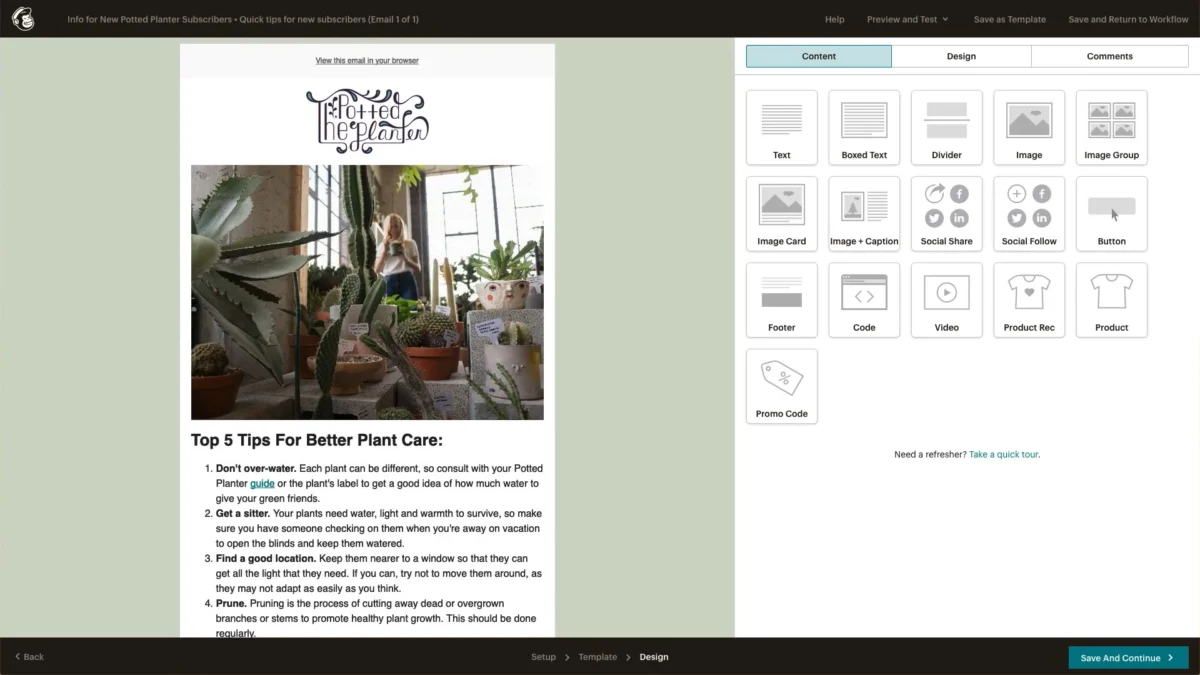
E-commerce store owners are increasingly evaluating their digital marketing platforms, with many exploring alternatives to Brevo (formerly Sendinblue) as they encounter limitations in scalability, feature access, and cost-effectiveness. The common pain points, such as the 300 emails/day cap on free plans and the significant cost associated with advanced automation features (upwards of $499/month), have prompted a widespread search for more tailored solutions, particularly among businesses operating on platforms like Shopify and WooCommerce. This extensive guide provides an in-depth analysis of ten leading Brevo alternatives, offering crucial insights into their capabilities, pricing structures, and strategic advantages for diverse e-commerce needs.
The Evolving Need for Specialized E-commerce Marketing Platforms
In the competitive digital marketplace, a robust and integrated marketing platform is no longer a luxury but a necessity for e-commerce businesses. While Brevo offers a generalist email marketing and CRM solution, its architecture and pricing model can present significant hurdles for scaling online stores. The platform’s reliance on a pay-per-email structure, as opposed to a contact-based model, can quickly become expensive for businesses that engage in frequent communication with their customer base. Moreover, the restriction of essential e-commerce features like advanced automation, AI segmentation, pop-ups, and back-in-stock alerts to its highest-tier plans means that many growing businesses find themselves needing to either compromise on functionality or face prohibitive costs.
The rebrand of Sendinblue to Brevo in 2023, while a cosmetic change, did not fundamentally alter the core product, its pricing model, or its feature set in a way that addressed these underlying limitations for the e-commerce sector. Consequently, the demand for "Sendinblue alternatives" seamlessly transitioned into a search for "Brevo alternatives," signaling a consistent market need for platforms better aligned with direct-to-consumer (DTC) business models.
Key Drivers for Seeking Brevo Alternatives:
- Free Plan Limitations: The stringent 300 emails/day limit and the 2,000-contact cap on automation flows on Brevo’s free plan often prove insufficient for even nascent e-commerce businesses aiming for consistent customer engagement.
- Costly Automation: Accessing critical e-commerce automation features, such as abandoned cart sequences, post-purchase flows, and advanced segmentation, often necessitates an upgrade to Brevo’s Professional plan, which comes with a substantial monthly fee.
- Generalist vs. Specialist Focus: Brevo’s broad CRM and sales pipeline features, while useful for service-oriented businesses, can dilute its focus on the specific needs of e-commerce, leading to a less optimized experience for online retailers.
- Pricing Model Disadvantage: The pay-per-email model can penalize frequent senders, pushing them into higher cost tiers disproportionately compared to contact-based pricing models offered by many competitors.
- Missing E-commerce Specifics: Features like advanced predictive segmentation, integrated SMS and web push notifications within a single automation flow, and specialized e-commerce templates are often either absent or require premium upgrades in Brevo, unlike dedicated e-commerce marketing platforms.
Top Brevo Alternatives for E-commerce: A Detailed Comparison
The following platforms represent the leading alternatives to Brevo, each offering distinct advantages tailored to various e-commerce operational scales and strategic objectives. The evaluation considers their primary strengths, pricing models, key features, and how they stack up against Brevo’s offerings.
1. Omnisend: The E-commerce and Multichannel Marketing Powerhouse
- G2 Rating: 4.6/5 (1,178+ reviews)
- Capterra Rating: 4.7/5 (836+ reviews)
- Shopify App Store Rating: 4.7/5 (2,946+ reviews)
- Pricing: From $16/month (500 contacts, 6,000 emails/month). Free plan available (250 contacts, 500 sends).
- Main Advantage Over Brevo: Seamless integration of email, SMS, and web push notifications into a single, cohesive multichannel automation flow.
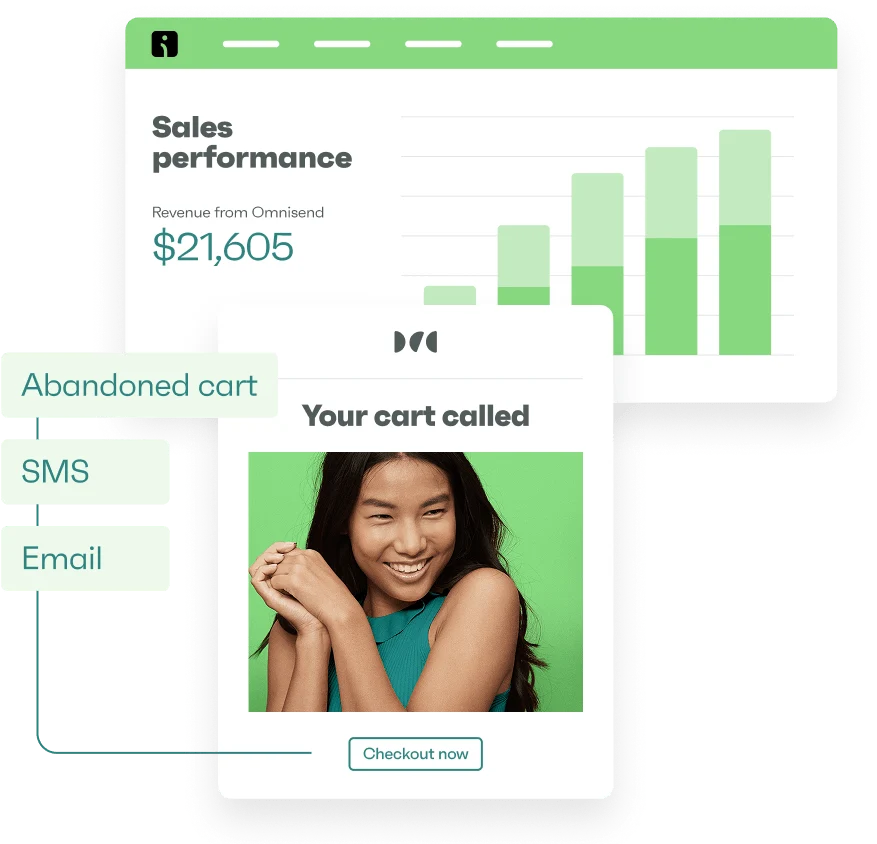
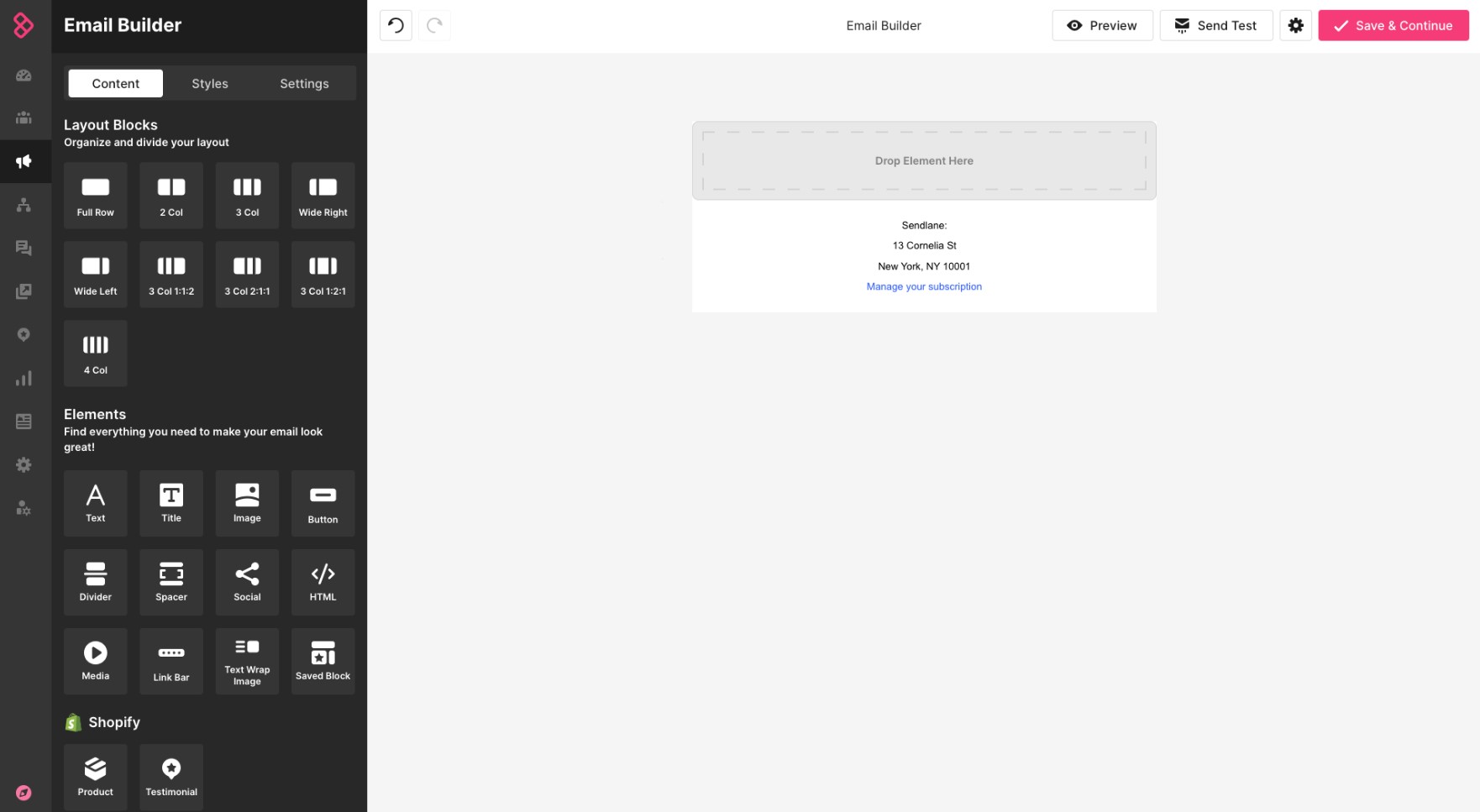
Omnisend is purpose-built for e-commerce, enabling businesses to significantly grow their contact lists, automate communication across multiple channels, and optimize revenue through precisely targeted messages. Its robust suite includes a vast library of over 250 customizable templates, pre-built automation workflows (e.g., welcome series, abandoned cart, back-in-stock alerts), and sophisticated segmentation tools that allow for highly personalized customer journeys. Native integrations with leading e-commerce platforms like Shopify, WooCommerce, and Wix ensure a quick and effortless setup.
A significant differentiator for Omnisend is its commitment to customer support, having won multiple Stevie Awards for its 24/7 assistance across email and live chat, available on all plans. Unlike Brevo, Omnisend includes crucial e-commerce features such as pop-ups, back-in-stock alerts, and AI segmentation across all its plans, avoiding the need for expensive upgrades for core functionalities. This comprehensive, e-commerce-first approach is reflected in observed ROI, with Omnisend customers reporting an average return of $79 for every $1 spent.
Key Features: Advanced automation, multichannel communication (email, SMS, web push), pre-built e-commerce templates, robust segmentation, award-winning 24/7 support, AI-powered product recommendations, integrated forms and pop-ups.
Pros: Exceptional ROI for e-commerce, intuitive drag-and-drop builders, comprehensive multichannel capabilities, excellent customer support, strong e-commerce integrations, generous feature set even on lower plans.
Cons: Potentially steeper learning curve for advanced automation compared to basic tools, free plan has lower send limits than some competitors.

Brevo vs. Omnisend: Omnisend excels in automation depth, multichannel integration, and a feature set explicitly designed for e-commerce growth. Brevo, while offering basic automation, is more generalist with a stronger CRM focus for sales pipelines, but falls short in specialized e-commerce marketing.
2. ActiveCampaign: For Complex Customer Journeys
- G2 Rating: 4.4/5 (14,670+ reviews)
- Capterra Rating: 4.6/5 (2,561+ reviews)
- Pricing: From $15/month (1,000 contacts). 14-day free trial.
- Main Advantage Over Brevo: Over 1,000 automation recipes and granular triggers for highly sophisticated customer journeys.
ActiveCampaign stands out for its AI-first approach to email marketing, enabling businesses to craft, test, and refine intricate customer sequences. It boasts a significantly larger array of flow triggers than Brevo, encompassing contact field changes, score changes, conversion events, and recurring payments, making it ideal for businesses with complex sales cycles. While powerful, it does present a learning curve, mitigated by extensive documentation and responsive customer support (plan-dependent).
Key Features: Advanced marketing automation, built-in CRM, lead scoring, conditional logic, over 1,000 automation recipes, personalized content.
Pros: Extremely powerful automation, robust CRM capabilities, high degree of customization, excellent for complex funnels.
Cons: Can be overwhelming for beginners, higher pricing tiers for advanced features, no free plan.
Brevo vs. ActiveCampaign: ActiveCampaign is superior for large e-commerce stores or businesses with highly intricate customer journeys, offering unparalleled control over automation and segmentation. Brevo provides a simpler, more basic solution for contact management and general email sending.

3. MailerLite: Best for Newsletters and Frequent Senders
- G2 Rating: 4.6/5 (1,106+ reviews)
- Pricing: From $10/month (500 subscribers, unlimited sends). Free plan available (500 subscribers, 12,000 emails/month).
- Main Advantage Over Brevo: Unlimited email sends on all paid plans, making it highly cost-effective for frequent communication.
MailerLite is an excellent choice for businesses primarily focused on newsletters and campaign-based email marketing. It offers more email templates (108 vs. Brevo’s 48), a more feature-rich drag-and-drop editor, and superior landing pages and forms across all plans. Its generous free plan (12,000 emails/month) and unlimited sends on paid plans make it a strong financial alternative to Brevo’s send-based pricing, especially for businesses with smaller lists but high sending frequency.
Key Features: Easy-to-use email builder, landing page builder, website builder, pop-ups (including gamified spin-the-wheel), automation workflows, segmentation.
Pros: Cost-effective for frequent senders, user-friendly interface, strong landing page/form capabilities, good free plan.
Cons: Automation features are less advanced than dedicated e-commerce platforms, limited CRM functionality.
Brevo vs. MailerLite: MailerLite excels for pure email campaigns and newsletters, offering better value for frequent senders. Brevo provides more robust CRM and transactional email capabilities, but its automation for e-commerce is less developed than MailerLite for pure campaigns or Omnisend for multichannel e-commerce.
4. HubSpot: Email Marketing + CRM Unification
- G2 Rating: 4.4/5 (14,669+ reviews)
- Pricing: Starter from $15/month per seat. Free plan available (1,000 contacts, 500 emails/day).
- Main Advantage Over Brevo: Comprehensive business platform unifying marketing, sales, and service data with a powerful CRM.
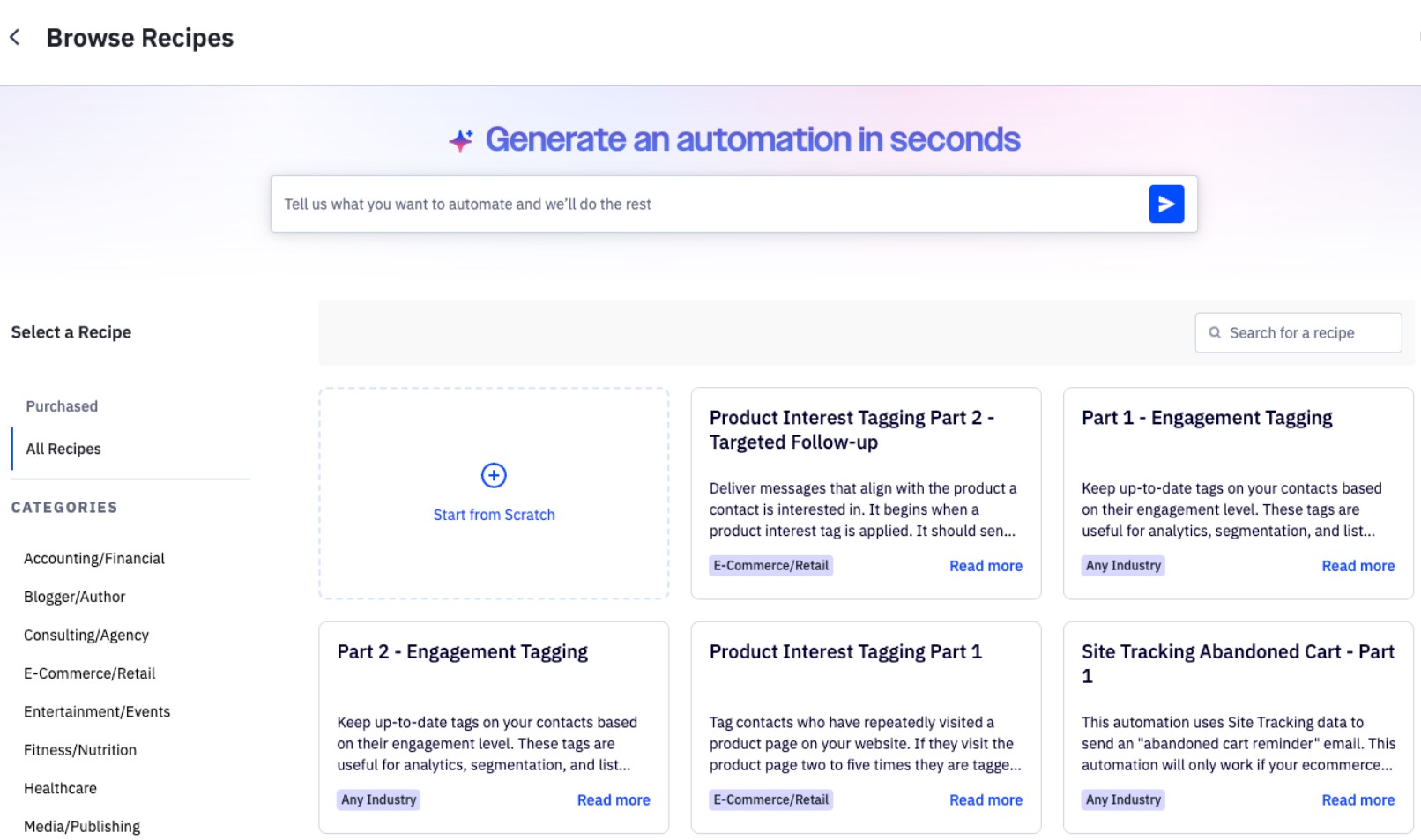
HubSpot offers a robust email marketing solution integrated into a broader business platform, providing a unified view of marketing and customer data. Unlike Brevo’s more basic CRM, HubSpot connects email to contact management, advertising, social media, landing pages, and sales pipelines in a single ecosystem. This makes it ideal for growing e-commerce brands seeking a holistic solution where live CRM data informs every marketing interaction, enabling precise targeting based on a full customer lifecycle.
Key Features: All-in-one CRM, marketing automation, sales tools, service tools, content management system, comprehensive analytics, ad management.
Pros: Unifies entire business operations, powerful CRM, extensive feature set, excellent reporting.
Cons: Significantly higher cost, steeper learning curve, can be overkill for small businesses.
Brevo vs. HubSpot: HubSpot offers a far more comprehensive solution across CRM, attribution, and cross-channel marketing but at a premium price point. Brevo is a more economical choice for small stores needing basic email and CRM without the extensive overhead.
5. Mailchimp: Best for E-commerce Beginners
- G2 Rating: 4.4/5 (5,413+ reviews)
- Pricing: From $13/month (500 contacts, 10x send limit). Free plan available (250 contacts, 500 emails/month or 250 emails/day).
- Main Advantage Over Brevo: Guided setup, personalized onboarding, and powerful predictive segmentation for beginners.
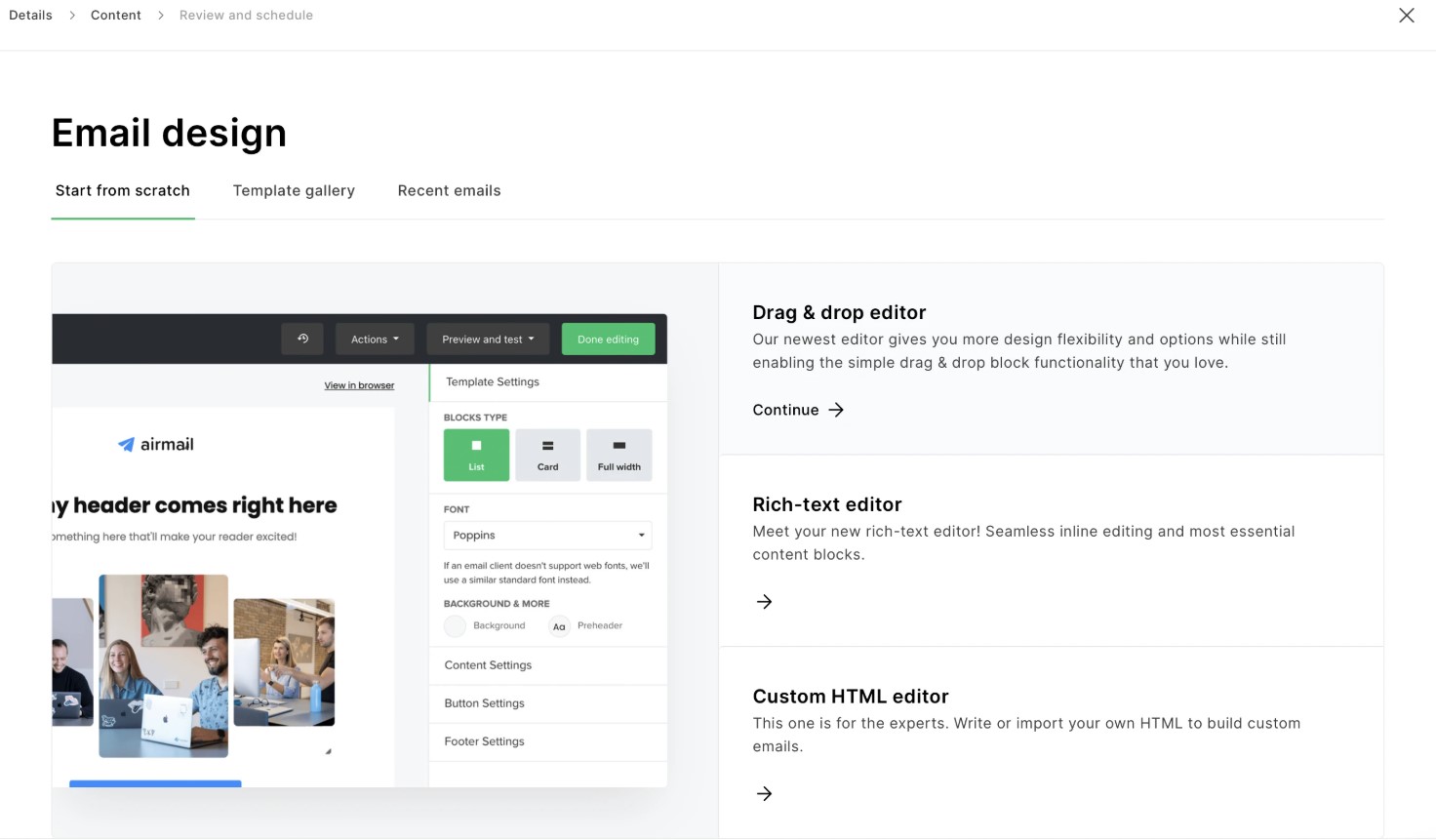
Mailchimp serves as an excellent entry point for those new to email marketing. It prioritizes a guided user experience, offering more pre-built flows and personalized onboarding compared to Brevo. Its automation builder handles basic sequences effectively, including conditional splits. A standout feature is its predictive segmentation (available on the Standard plan), which automatically identifies likely buyers, a capability Brevo reserves for its most expensive Professional plan.
Key Features: User-friendly interface, marketing CRM, audience segmentation, content studio, website builder, landing pages, basic automation.
Pros: Very easy to use for beginners, strong brand recognition, good onboarding, predictive segmentation.
Cons: SMS is an add-on and feels disconnected, pricing can scale quickly, advanced e-commerce features are limited compared to specialists.
Brevo vs. Mailchimp: Mailchimp offers a more beginner-friendly experience with guided setup and useful predictive segmentation. Brevo provides more robust contact storage, transactional email capabilities, and SMS as standard. For deeper e-commerce automation, Omnisend is a stronger choice than both.
6. Drip: For Behavior-Based E-commerce Flows
- G2 Rating: 4.4/5 (474+ reviews)
- Pricing: From $39/month (2,500 contacts). 14-day free trial.
- Main Advantage Over Brevo: Advanced customer behavior triggers and integrated social retargeting within workflows.
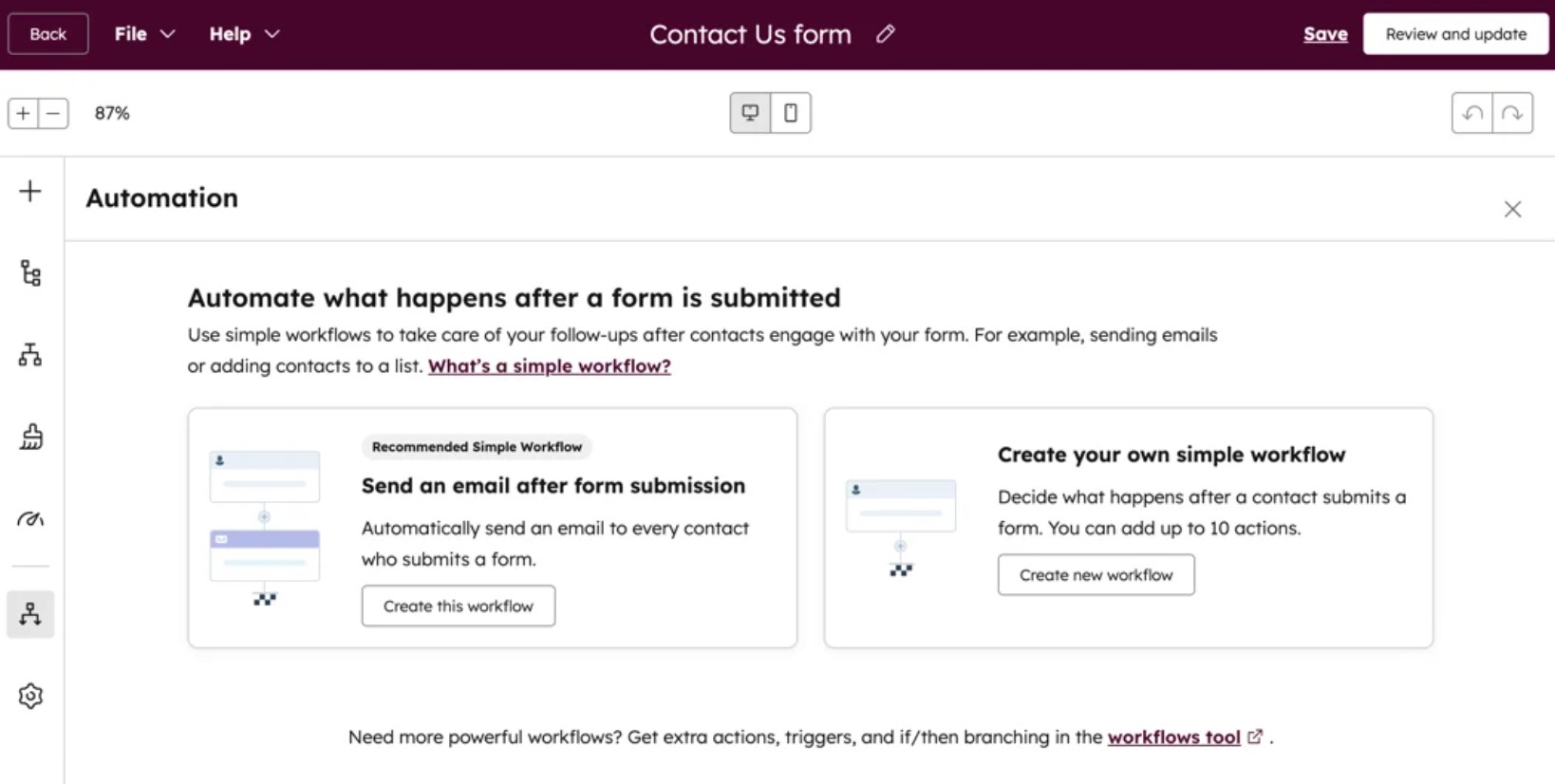
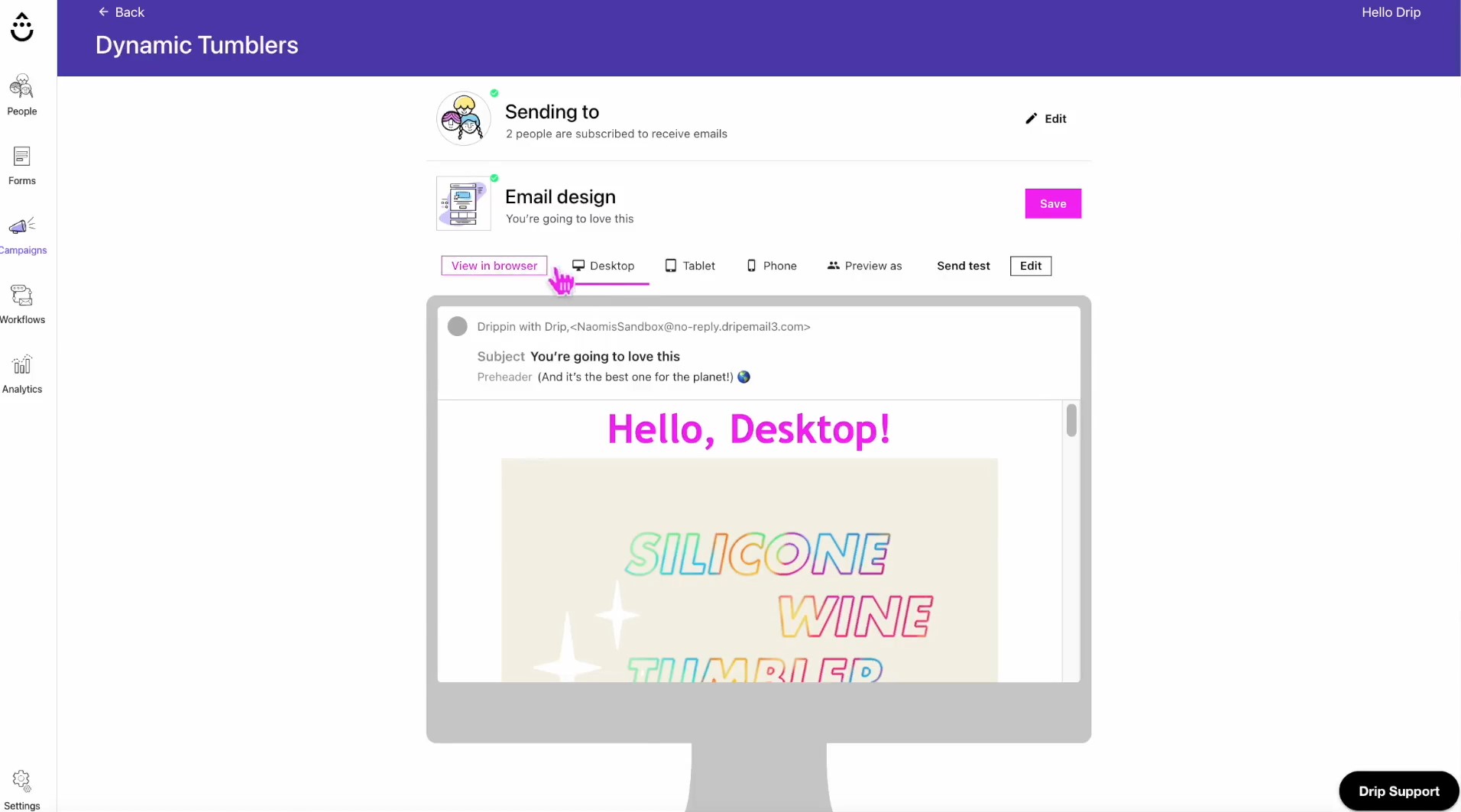
Drip is purpose-built for e-commerce, offering significantly more advanced customer behavior triggers than Brevo. These include actions like purchases, product browsing, clicks, and even data from order management systems (OMS). Its visual workflow builder uniquely integrates email, on-site campaigns, and Facebook/Instagram retargeting into a single sequence. This allows for highly dynamic campaigns, such as emailing a browser, retargeting them on social media if they don’t convert, and automatically removing them from the sequence upon purchase. Drip’s campaign tools also surpass Brevo’s, with support for split testing up to four variations and auto-resend to non-openers.
Key Features: Deep e-commerce integrations, advanced customer segmentation, behavior-based automation, social media retargeting, dynamic content, multi-channel marketing.
Pros: Highly effective for personalized, behavior-driven campaigns, excellent social retargeting capabilities, strong analytics.
Cons: Higher starting price, no free plan, can be complex to set up initially.
Brevo vs. Drip: Drip is superior for building complex, behavior-driven e-commerce flows with integrated social retargeting. Brevo offers better contact storage, CRM, and basic SMS functionality.
7. GetResponse: Email + Built-in Sales Funnels
- G2 Rating: 4.3/5 (1,117+ reviews)
- Pricing: From $19/month (1,000 contacts, unlimited monthly email sends). Free Forever plan available (500 contacts).
- Main Advantage Over Brevo: Comprehensive Conversion Funnel that integrates ads, landing pages, order forms, and upsells.
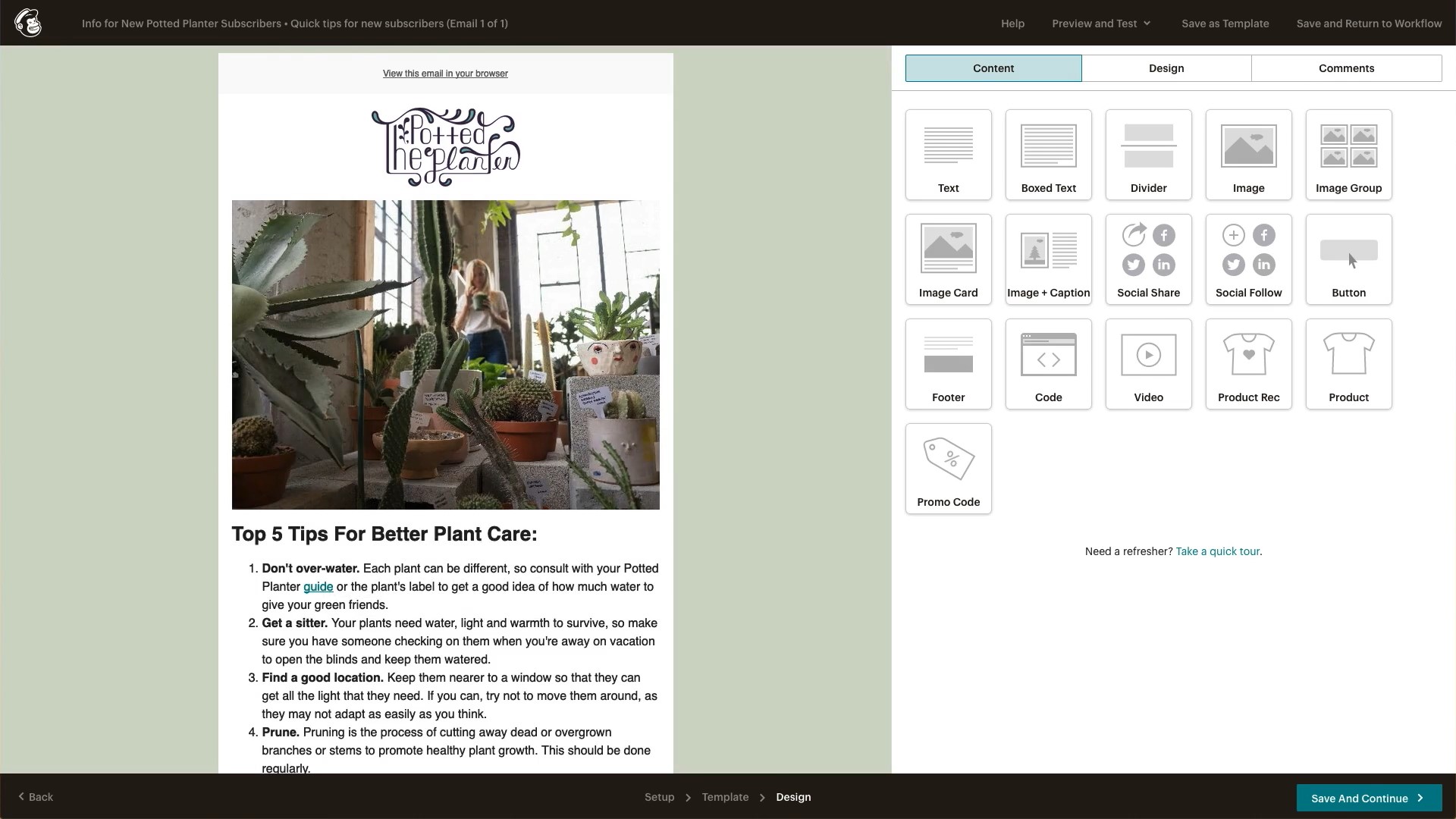
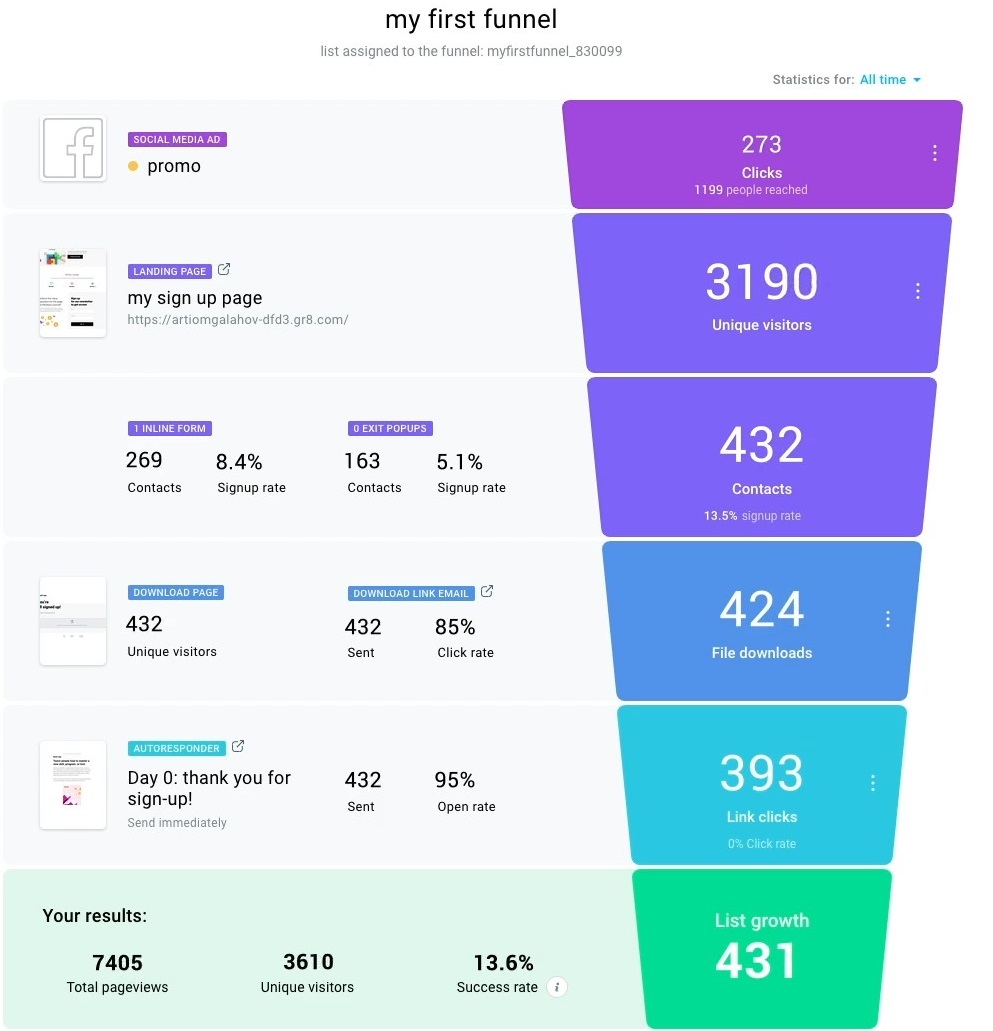
GetResponse provides an all-in-one solution covering email, automation, SMS, web push, and landing pages, with unique features like its Conversion Funnel. This powerful tool connects Facebook/Instagram ads, landing pages, payment processing, and one-click upsell pages into a seamless flow, a feature absent in Brevo. The Creator plan further extends capabilities with webinars, a website builder, and a course creator, allowing e-commerce businesses to market and sell digital products alongside physical goods. This integration streamlines lead capture, conversion, and upselling within a single platform.
Key Features: Email marketing, marketing automation, landing pages, website builder, conversion funnels, webinars, live chat, paid ads management.
Pros: Excellent for building and managing entire sales funnels, good range of marketing tools, supports digital product sales.
Cons: Interface can feel dated, advanced CRM features are not as deep as dedicated CRMs, some features locked behind higher tiers.
Brevo vs. GetResponse: GetResponse is ideal for businesses where the sales funnel is central to their strategy, offering integrated tools from lead generation to post-purchase upsells. Brevo is better suited for managing sales teams, deals, and pipelines in conjunction with email.
8. Sendlane (now Privy): Best for High-Volume DTC Brands
- G2 Rating: 4.6/5 (75+ reviews)
- Pricing: From $100/month (50,000 emails/month, unlimited profiles). 60-day free trial.
- Main Advantage Over Brevo: Tier 1 ESP delivery infrastructure, proactive delivery monitoring, and dedicated support for high-volume sending.
Sendlane, now part of Privy, targets high-volume DTC brands with a pricing model based on email volume, similar to Brevo but with more specialized tools. It offers superior delivery infrastructure (Tier 1 ESPs) and proactive monitoring to maximize inbox placement. Its automation capabilities are robust, triggered by purchases, product views, and cart abandonment, with conditional splits and goals. The Beacon tracking pixel feeds on-site behavior into these flows for highly responsive campaigns. A key differentiator is its premium support, offering dedicated success managers, personal Slack channels, and migration assistance, which Brevo does not match.
Key Features: Advanced e-commerce automation, email + SMS marketing, segmentation, pop-ups, forms, advanced analytics, dedicated support.
Pros: Excellent for high-volume senders, strong delivery rates, comprehensive e-commerce tracking, superior customer support.
Cons: High starting price, not suitable for small businesses or those with low sending volumes, smaller community than some competitors.
Brevo vs. Sendlane: Sendlane is the preferred choice for established DTC brands requiring top-tier delivery, deep automation, and dedicated support for high-volume email marketing. Brevo is more cost-effective at lower volumes and offers a broader, albeit more basic, CRM.
9. Moosend: Best for Unlimited Campaigns at Low Cost
- G2 Rating: 4.7/5 (735+ reviews)
- Pricing: From $9/month (500 contacts, unlimited email sends). 30-day free trial on paid plans.
- Main Advantage Over Brevo: Contact-based pricing model with unlimited email sends, ideal for frequent communication to smaller lists.
Moosend offers a compelling alternative with its contact-based pricing, allowing unlimited email sends regardless of frequency. This makes it highly economical for businesses with smaller lists that engage in regular communication. It provides 18 pre-built automation recipes for common e-commerce scenarios like cart abandonment and welcome sequences, all editable within an intuitive drag-and-drop builder. Its Audience Discovery feature leverages tracking data to tag contacts by purchase intent, product interest, and funnel stage, creating highly targeted segments for direct campaigns.
Key Features: Email marketing, marketing automation, landing pages, subscription forms, advanced segmentation, e-commerce AI, reporting and analytics.
Pros: Very affordable for unlimited sends, user-friendly automation builder, good e-commerce features like product recommendations and conditional visibility.
Cons: Less advanced multichannel capabilities than Omnisend, CRM is not as comprehensive as Brevo’s.
Brevo vs. Moosend: Moosend is a strong Brevo alternative for businesses that send frequently to a smaller list, offering better value for unlimited email campaigns and useful e-commerce features. Brevo provides stronger multichannel tools (transactional emails, SMS, WhatsApp) and a more developed CRM.
10. Sender: Best Email Tool for Budget Stores
- G2 Rating: 4.7/5 (224+ reviews)
- Pricing: From $10/month (1,000 subscribers, 12,000 emails/month). Free plan available (2,500 contacts, 15,000 email sends/month).
- Main Advantage Over Brevo: More generous free plan with no daily send limits and higher contact/email allowances.
Sender is an excellent choice for budget-conscious e-commerce stores, offering a highly generous free plan that surpasses Brevo’s limitations. Its free tier provides transactional emails, landing pages, and pop-ups without cost, and crucially, has no daily send limits, allowing up to 15,000 emails per month for 2,500 contacts. This is a significant improvement over Brevo’s 300 emails/day cap and automation limits. Paid plans are also cost-effective, adding SMS capabilities and unlimited landing pages. The Professional plan even includes SMS credits equivalent to the monthly plan price, a value proposition also seen in Omnisend’s paid tiers.
Key Features: Email marketing, automation, transactional emails, landing pages, pop-ups, SMS marketing (paid plans), segmentation.
Pros: Exceptionally generous free plan, highly cost-effective paid plans, includes essential e-commerce features for free, good for startups.
Cons: Lacks advanced CRM features, less robust multichannel integration (e.g., no WhatsApp), automation can be simpler than dedicated platforms.
Brevo vs. Sender: Sender is the superior choice for budget-focused businesses needing email campaigns, automation, and transactional messages at minimal or zero cost. It offers more freedom in sending volume on its free plan. Brevo maintains an advantage in CRM features and WhatsApp support.
Strategic Implications and Final Verdict
The choice of an email marketing platform carries significant implications for an e-commerce store’s growth trajectory, customer engagement, and overall profitability. While Brevo serves as a generalist solution, its limitations in scalability and access to advanced e-commerce features at reasonable price points often necessitate a move to more specialized alternatives.
Key Considerations for E-commerce Businesses:
- Pricing Model: For businesses that send emails frequently (weekly or more), a contact-based pricing model (e.g., Omnisend, MailerLite, Moosend, Sender) will generally be more cost-effective than Brevo’s pay-per-email structure.
- E-commerce Specialization: Platforms built specifically for e-commerce, like Omnisend and Drip, offer deeper integrations, behavior-based triggers, and pre-built workflows that directly translate into higher conversion rates and customer lifetime value.
- Multichannel Capabilities: The ability to integrate email, SMS, and web push notifications into unified automation flows (e.g., Omnisend, GetResponse) is crucial for a cohesive customer experience and increased engagement.
- Automation Depth: Businesses with complex customer journeys or a need for highly personalized interactions will benefit from platforms like ActiveCampaign or Drip, which offer granular control over automation.
- Budget and Scale: Startups and small businesses on a tight budget might find Sender’s or MailerLite’s generous free plans or low-cost paid tiers more appealing, while high-volume DTC brands might invest in platforms like Sendlane for premium delivery and support.
- CRM Integration: For businesses requiring a holistic view of their customer interactions across marketing, sales, and service, HubSpot offers an integrated solution, albeit at a higher cost.
Ultimately, the best Brevo alternative aligns with an individual store’s specific operational needs, growth ambitions, and budget. For a majority of e-commerce businesses seeking to maximize customer engagement and revenue through integrated, multichannel marketing, Omnisend consistently stands out as the top choice. Its e-commerce-first design, comprehensive feature set, robust automation capabilities across email, SMS, and web push, coupled with award-winning 24/7 support, directly addresses the limitations encountered with generalist platforms like Brevo. This focus is substantiated by industry recognition, with Omnisend being named a "Spring 2026 leader" by G2 and the "Best Email Marketing Tool for Ecommerce" by EmailTool Tester.
For those prioritizing specific aspects:
- Best Free Alternatives for Bypassing Brevo’s Limits:
- Sender: Offers the most generous free plan with 2,500 contacts and 15,000 emails/month, with no daily limits, making it ideal for bulk sending at no cost.
- Omnisend: Provides unlimited contacts and automation, allowing sends to 250 contacts on its free plan, prioritizing e-commerce features over raw send volume.
- MailerLite: Allows 500 subscribers and 12,000 emails/month on its free plan, excellent for frequent newsletter senders.
Migrating to a platform that genuinely supports e-commerce growth can significantly enhance a store’s ability to connect with customers, optimize conversions, and achieve sustainable success in the dynamic online retail environment.