rifanmuazin
For years, the print-on-demand (POD) landscape for creators has been largely dominated by a seemingly consistent set of popular products. T-shirts, sweaters, and mugs have long been the staples, often assumed to be the automatic "best sellers." However, a closer examination of the evolving creator economy, particularly through platforms like Fourthwall, reveals a more nuanced reality. The true success of a creator’s merchandise lies not just in the product itself, but in its strategic alignment with the platform, the audience, and the overarching brand narrative.
This shift in understanding is crucial for creators aiming to build sustainable and profitable merchandise lines. It moves beyond simply offering items that can sell, to curating collections that do sell within a specific creator context. The platform chosen plays a significant role in shaping this strategy. Fourthwall, for instance, emphasizes premium quality and offers a comprehensive backend support system, encompassing tax handling, customer service, and fulfillment. This infrastructure allows creators to focus on the creative aspect and community building, while mitigating the risks associated with launching even niche products.
The Foundation of Creator Merchandise: Quality and Audience Resonance
The assumption that a limited range of products will always perform well in the POD space is a misconception that can lead to stalled growth for many creators. While staples like t-shirts and hoodies continue to hold significant market share, their success is increasingly dependent on a higher standard of quality and a deeper understanding of audience preferences. The market is no longer satisfied with generic, low-quality merchandise. Instead, consumers, particularly fans of creators, are seeking items that reflect a genuine connection to the brand and offer tangible value, even beyond the creator’s endorsement.
This evolution is underscored by market data. The custom t-shirt printing market, for example, is projected to reach a staggering $20.05 billion by 2035, indicating a persistent and growing demand. However, within this vast market, the discerning consumer is increasingly prioritizing "premium" offerings. A t-shirt, therefore, must now pass a critical test: would someone wear it even if they weren’t actively supporting the creator? If the answer is no, the likelihood of sustained sales diminishes significantly. This necessitates a more curated approach, where the choice of blanks, the quality of printing, and the overall aesthetic of the design are paramount.
Fourthwall’s Approach: Elevating the Creator’s Offering
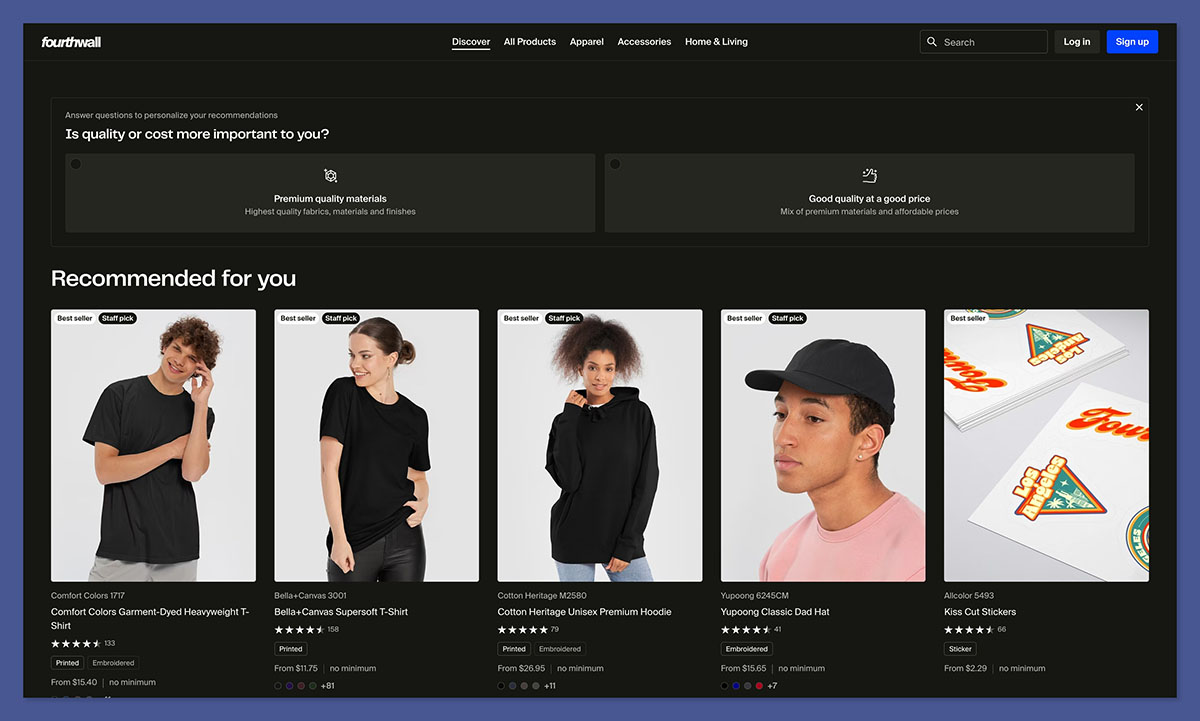
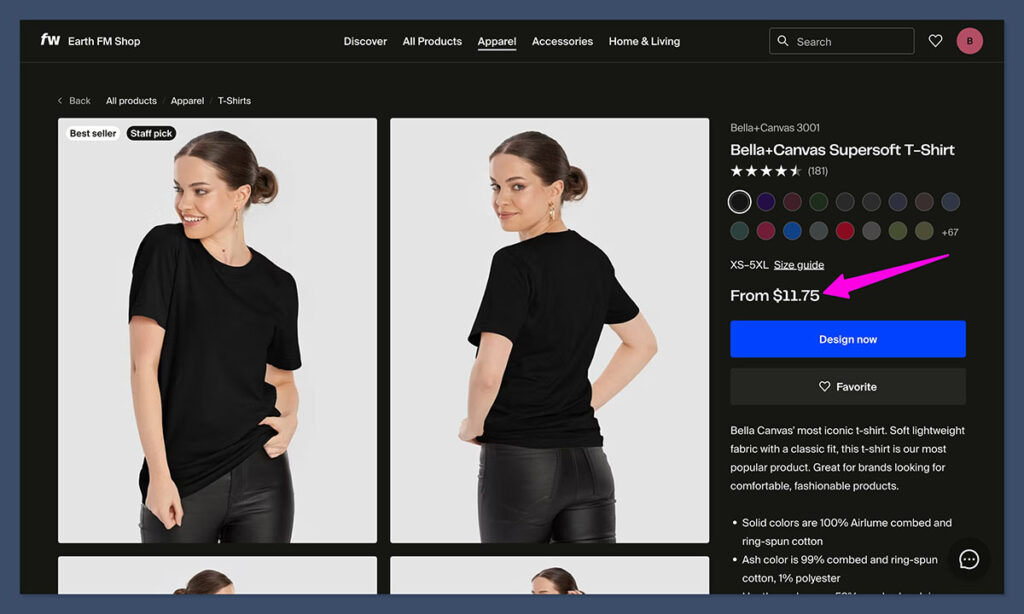
Fourthwall’s platform design inherently guides creators towards this higher standard. By providing access to a curated selection of high-quality products from reputable brands like Bella+Canvas and Comfort Colors, alongside their own Signature collection, Fourthwall eliminates the temptation to opt for the cheapest available options. This ensures a baseline of quality that is essential for building customer loyalty and repeat purchases. The platform’s commitment to working with suppliers to maintain consistent quality in production processes further reinforces this advantage.
Key Product Categories Driving Creator Commerce
While the landscape is diversifying, several product categories consistently emerge as top performers for creators on platforms like Fourthwall. These products, when executed with quality and audience relevance in mind, form the bedrock of successful merchandise strategies.
Premium T-Shirts: The Enduring Classic, Reimagined
T-shirts remain the undisputed leader in the print-on-demand world, and Fourthwall’s data confirms their continued dominance. Their accessibility, affordability, and versatility make them an ideal entry point for creators and a consistent seller. However, the emphasis has firmly shifted towards premium quality. Creators are no longer just printing logos on basic tees; they are investing in superior fabrics, thoughtful designs, and ethical sourcing to appeal to a more sophisticated consumer. The success of a t-shirt now hinges on its desirability as a standalone fashion item, irrespective of its origin as fan merchandise. This means focusing on unique artwork, compelling slogans, and a comfortable, durable fit that consumers will reach for regardless of their connection to the creator.
Hoodies & Crewnecks: Investing in Comfort and Brand Identity
While t-shirts are an easy sell, hoodies and crewnecks represent a more significant investment for consumers, demanding a higher level of perceived value. The global market for these items is immense, estimated to reach $256 billion by 2026. Fourthwall’s internal data consistently places hoodies and crewnecks directly behind t-shirts in popularity, a testament to their enduring appeal. The key to unlocking their potential lies in quality. A thin, poorly constructed hoodie with a print that cracks after a few washes will not only fail to generate repeat sales but will also tarnish the creator’s brand reputation.
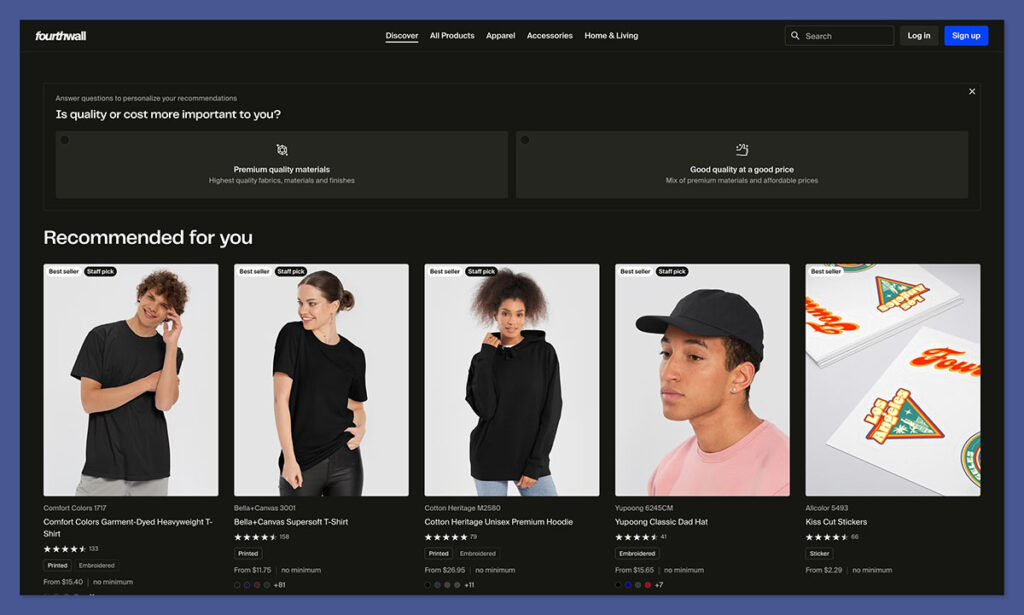
Creators are not just competing with other merchandise but with established apparel giants like Nike and Uniqlo, as well as the existing items in a customer’s wardrobe. Fourthwall’s platform facilitates the offering of premium options, such as their Signature collection, which can justify a higher price point. This allows creators to price hoodies and crewnecks in the $65-$75 range without alienating customers, who perceive the value in the superior comfort, durability, and design. Furthermore, the platform provides the flexibility to explore less saturated apparel categories like kids’ clothing, long-sleeve tees, tank tops, and sweatshirts, diversifying the offering beyond the most common items.
Hats & Beanies: Subtle Statements and Everyday Wear
Often relegated to the "accessories" section, hats and beanies are increasingly recognized as significant revenue drivers for creators. Fourthwall reports hats as the fifth most popular product category on their platform, a position that belies their potential. The global hats market alone is projected to reach $11.6 billion by 2026, with broader headwear markets extending far beyond this. What makes hats and beanies so compelling is their transition from overt fan merchandise to everyday fashion staples.
Unlike a graphic-heavy hoodie, a subtly embroidered hat can be worn in virtually any setting without needing explicit explanation. It offers a more understated way for fans to express their support, blending seamlessly into their personal style. This approach shifts the focus from "I support this creator" to "I like this hat." For creators, this translates to broader appeal and a less "merchy" perception. The recommendation for this category is to focus on small embroidery and subtle branding, experimenting with a range of styles, from classic beanies to dad hats, to gauge community preferences.
Stickers & Magnets: Accessible Entry Points and Value Additions
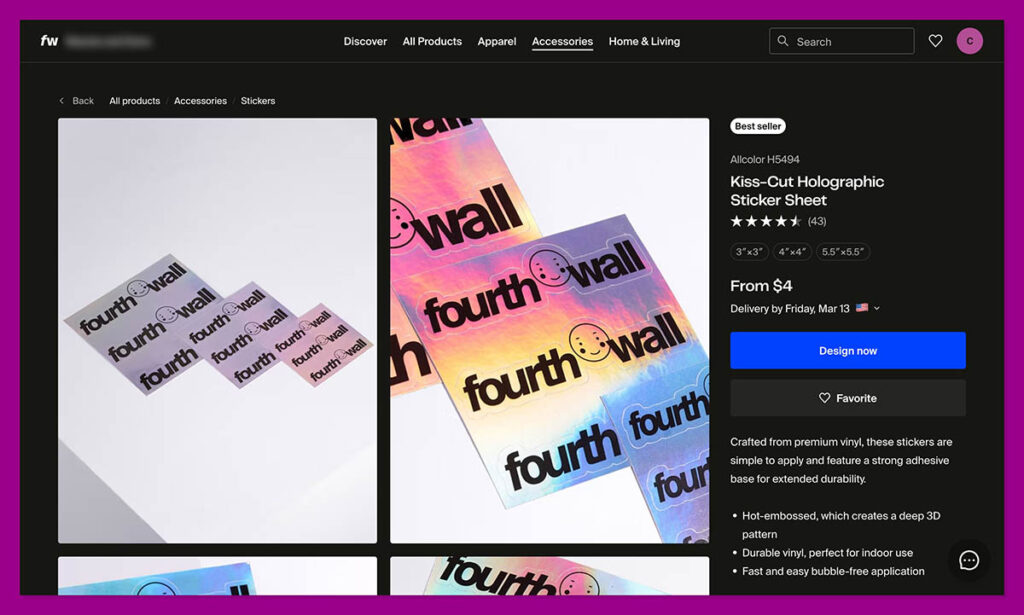
Stickers and magnets are frequently dismissed as mere "filler" items, yet when produced thoughtfully, they can be powerful tools for increasing average order value and enhancing customer engagement. The personalized stickers market is projected to reach $5.1 billion by 2026, driven by diverse applications beyond simple decoration, including e-commerce branding, collectibles, and small-batch creator products.
Their ease of sale is a significant advantage. A sticker or magnet is a low-commitment purchase, often made as an impulse buy or an add-on to a larger order. On Fourthwall, where there are no monthly fees to keep the store active, these low-ticket items can contribute to overall revenue without creating financial pressure. They can gently increase the average order value or make bundled offers more attractive. Magnets, in particular, offer a slightly more premium feel than stickers while remaining affordable, providing customers with a unique and tangible token of their support.
Mugs & Tumblers: Daily Brand Integration and Consistent Demand
Mugs and tumblers share similarities with t-shirts in that they are not necessarily "statement pieces" but consistently perform well, ranking high on Fourthwall’s top-selling categories. The global drinkware market, valued at approximately $39.6 billion in 2026, exhibits remarkable stability. Consumers regularly replace mugs, collect them, or purchase them as gifts, ensuring a steady demand that is not dictated by fleeting trends.
This category offers creators a unique opportunity to integrate their brand into a customer’s daily routine. Unlike an occasional-wear hoodie, a mug is used daily, placing the creator’s brand in a consistent, personal space. Fourthwall simplifies the testing of this category, with base costs around $5-$6 allowing for attractive retail pricing between $15-$25. Furthermore, Fourthwall’s handling of fulfillment and customer support alleviates the common logistical headaches associated with shipping fragile items like mugs, such as dealing with chipped or broken deliveries.
Desk Mats & Mouse Pads: The Surprise Successes of a Changing Workspace
Desk mats and mouse pads are often overlooked by many POD merchants, a oversight that is becoming increasingly apparent as these items emerge as significant surprise hits on platforms like Fourthwall. This surge in popularity is logically linked to the rise of remote work, the gaming community, and the overall increase in content creation. Creators can effectively showcase these products during streams, directly linking viewers to purchase options via platform integrations like YouTube’s merch shelf and Twitch.
The broader market for mouse pads and desk accessories is experiencing steady growth, driven by workspace personalization. Projections indicate this category is moving towards a multi-billion dollar valuation in the coming years. Unlike novelty items, desk mats and mouse pads are practical purchases. Their utility makes them justifiable acquisitions for consumers, even if they are not the creator’s most ardent supporters.
Plushies & Enamel Pins: Cultivating Community and Exclusivity
Plushies and enamel pins represent a more advanced stage of merchandise for creators, typically resonating most strongly with established and deeply committed communities. The specialty pin market, for instance, is anticipated to exceed $5.1 billion by 2033. These items are not impulse buys in the same vein as stickers; they are often collected and cherished by dedicated fans.
For creators with a passionate audience, plushies and enamel pins can be powerful tools for differentiation. Pins, in particular, are increasingly appearing in stores that have already achieved traction, often tied to specific product drops, community milestones, or significant events. Plushies are most effective when a creator’s identity supports them, such as a mascot or a recurring visual theme. Transforming these elements into tangible items allows fans to display, gift, or interact with them physically. Both categories are also ideal for limited-time "drops," leveraging the allure of exclusivity to drive immediate sales.
Building a Strategic Fourthwall Product Collection
The key to building a successful merchandise collection on Fourthwall, or any platform, is a strategic approach that balances immediate sales potential with long-term community growth. It is not advisable to launch every product category simultaneously. Instead, a phased strategy is recommended:
-
Initial Launch: Focus on foundational products with proven appeal, such as premium t-shirts, a selection of stickers or magnets, a few well-designed hats, and a range of mugs or tumblers. These items provide a solid base for generating initial revenue and understanding customer preferences.
-
Community Growth Phase: As a creator’s community deepens and demonstrates strong engagement, it becomes opportune to introduce more specialized or premium items. This includes higher-end apparel like sweaters and crewnecks, as well as collectible items such as plushies and enamel pins.
Fourthwall’s platform is designed to facilitate this experimental approach. The assurance of high-quality products and the absence of upfront inventory costs allow creators to test new items without significant financial risk. This experimentation is crucial for discovering what resonates best with a specific brand and audience.
The integrated nature of Fourthwall, offering direct sales through streams and content, alongside additional revenue streams like memberships and digital products, further empowers creators. By handling complex backend operations such as taxes and aspects of customer service, Fourthwall frees creators to concentrate on their core strength: audience engagement and content creation. This focus on community building is ultimately the most significant driver of long-term sales and brand loyalty in the creator economy. The ability to seamlessly integrate merchandise into the creator’s existing content ecosystem, coupled with a commitment to quality, is redefining what it means to be successful in the creator merchandising space.