rifanmuazin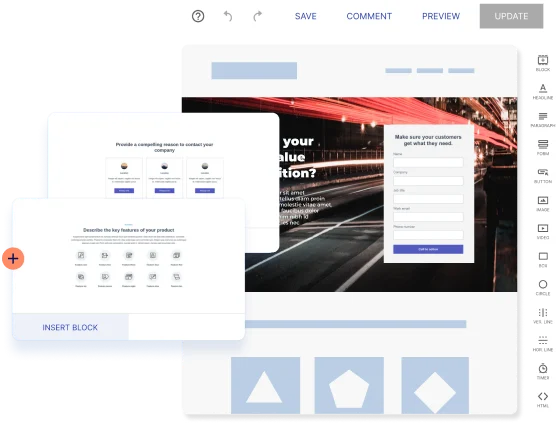
In an era of rising digital advertising costs and intensifying competition for talent, corporations are facing a significant challenge: the inefficiency of the "leaky bucket" in recruitment marketing. Industry data indicates that companies often pay upwards of $5.00 per click to drive traffic to job postings, yet a substantial percentage of that investment is lost when potential candidates exit career pages without completing an application. This phenomenon, characterized by high bounce rates and low conversion metrics, has prompted a strategic shift toward the use of dedicated recruitment landing pages designed to streamline the candidate journey and maximize return on ad spend.
The core issue identified by talent acquisition experts is the structural misalignment between recruitment advertisements and the destination pages. Most organizations direct paid traffic to generic career portals featuring exhaustive job listings, complex navigation menus, and fragmented user experiences. This lack of specificity often overwhelms candidates, leading to immediate abandonment. In contrast, a recruitment landing page is a standalone web entity engineered for a singular objective: converting a visitor into an applicant. By eliminating distractions and focusing on a specific role or value proposition, these pages represent the front line of modern, data-driven hiring strategies.
The Evolution of Digital Recruitment Strategy
The transition from broad career sites to targeted landing pages reflects a broader trend in the human resources technology sector. Historically, digital recruitment relied on "post and pray" models on massive job boards. However, as the "Great Reshuffle" and the rise of the gig economy altered candidate expectations, the focus shifted toward candidate experience (CX).
Chronologically, the industry moved from basic HTML job descriptions in the early 2000s to integrated Applicant Tracking Systems (ATS) by 2010. While ATS platforms improved backend management, they often degraded the frontend user experience with lengthy forms and mandatory account creation. By 2020, the rise of mobile-first job searching necessitated a more agile approach. Current market leaders now treat candidates like consumers, applying high-performance e-commerce marketing tactics to the hiring process. This evolution has led to the adoption of specialized landing page builders that allow HR teams to bypass slow internal IT cycles and launch optimized campaigns in real-time.
Fundamental Principles of High-Converting Recruitment Pages
To combat the high cost of candidate acquisition, marketing analysts have identified several "best practices" that distinguish high-performing pages from standard corporate sites. These principles are grounded in behavioral psychology and user experience design.
Message Consistency and Headline Alignment
One of the most critical factors in reducing bounce rates is "message match." If a digital advertisement promises a specific salary range, remote work flexibility, or a particular job title, the landing page must immediately validate that promise in the primary headline. Discrepancies between the ad copy and the landing page content create cognitive dissonance, causing candidates to suspect the opportunity is not as advertised.
Above-the-Fold Optimization
Data from eye-tracking studies suggests that users decide whether to stay on a page within the first three to five seconds. Therefore, the "above-the-fold" area—the portion of the page visible without scrolling—must contain the role title, the primary benefit, and a clear call-to-action (CTA). Successful pages typically feature three to four bulleted benefits, such as competitive compensation or career growth opportunities, alongside a prominent "Apply Now" button.
Minimizing Application Friction
Application drop-off is directly correlated with form length. Industry benchmarks suggest that for every additional field added to a recruitment form, conversion rates can drop by 5% to 10%. The most effective recruitment landing pages limit initial forms to three to five essential fields: name, email, phone number, and a resume upload. For high-volume roles, "two-step" forms are increasingly common, where the candidate provides an email address first, ensuring the recruiter has a lead even if the full application is not completed.
Leveraging Social Proof and Credibility
In a skeptical labor market, trust signals are vital. Including employee testimonials with real names and photographs, or displaying industry awards and workplace rankings (such as "Great Place to Work" certifications), provides the necessary validation for a candidate to share their personal data.
Analysis of Industry Leaders: Case Studies in Conversion
Several major players in the gig economy and freelance sectors have mastered the art of the recruitment landing page, providing templates for broader corporate adoption.
Uber and the Driver Acquisition Model
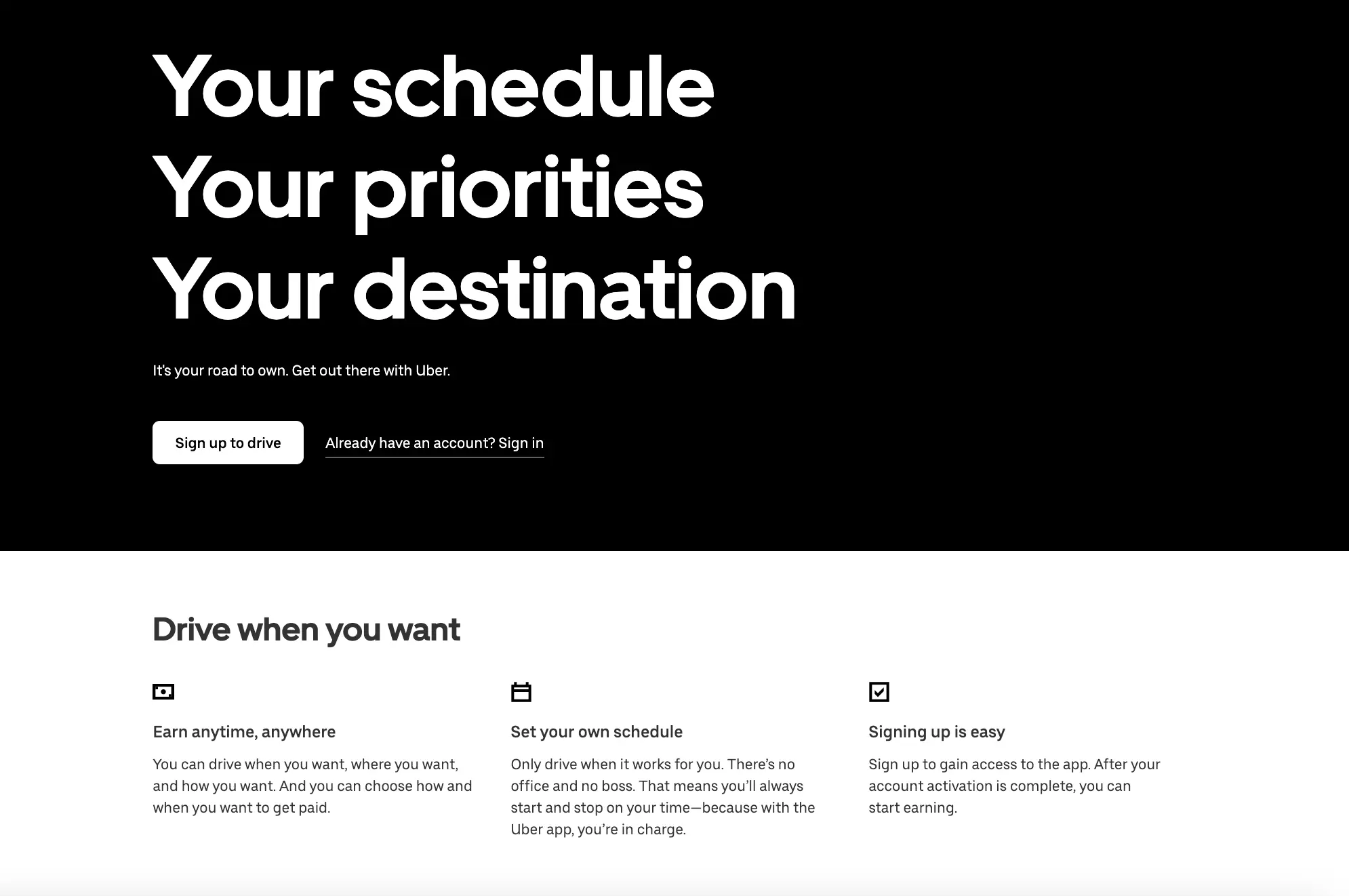
Uber’s driver and delivery signup pages are often cited as benchmarks for high-volume recruitment. These pages excel by removing all external navigation links, effectively "trapping" the user in the conversion funnel. The value proposition—earning potential and flexibility—is positioned at the very top of the page. Analysts suggest that testing location-specific imagery and real-time earning estimates could further enhance these already high-performing pages.
Lyft’s Emphasis on Earnings Transparency
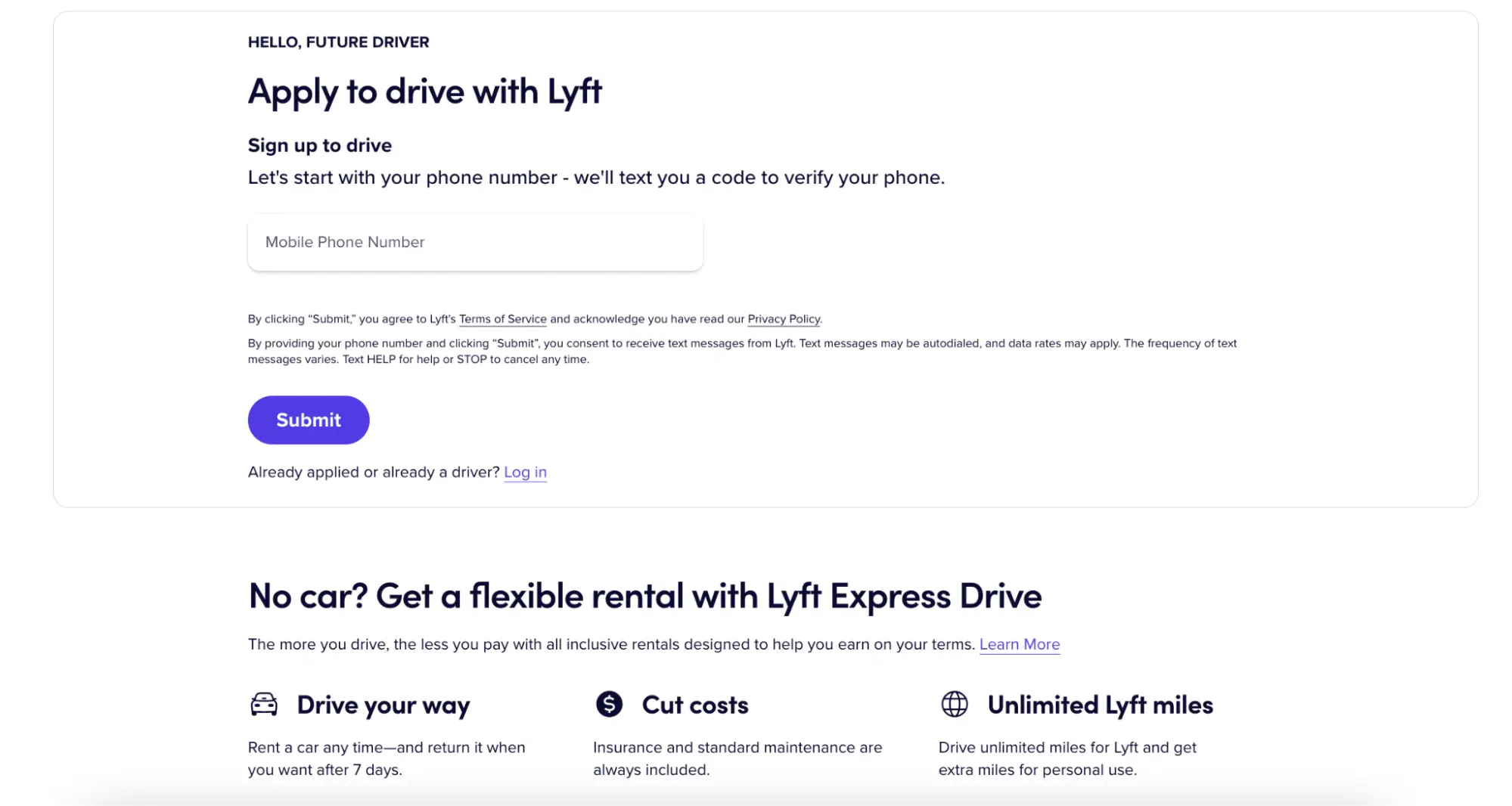
Lyft’s recruitment strategy focuses heavily on the financial incentives of the platform. Their landing pages often feature earning calculators or prominent mentions of sign-on bonuses. This direct approach appeals to the primary motivator of their target demographic. By maintaining a clean, mobile-optimized interface, Lyft ensures that the transition from a social media ad to a completed signup is nearly frictionless.
DoorDash and the Low-Barrier Entry
DoorDash utilizes a "Dasher" signup page that prioritizes speed. The page is designed for the mobile user who may be looking for immediate work. The form is typically positioned at the very top, and the benefits are presented in a high-contrast, easy-to-read format. This design acknowledges the competitive nature of the delivery market, where the speed of onboarding is a competitive advantage.
Skill-Based Marketplaces: Writers Work and Instacart
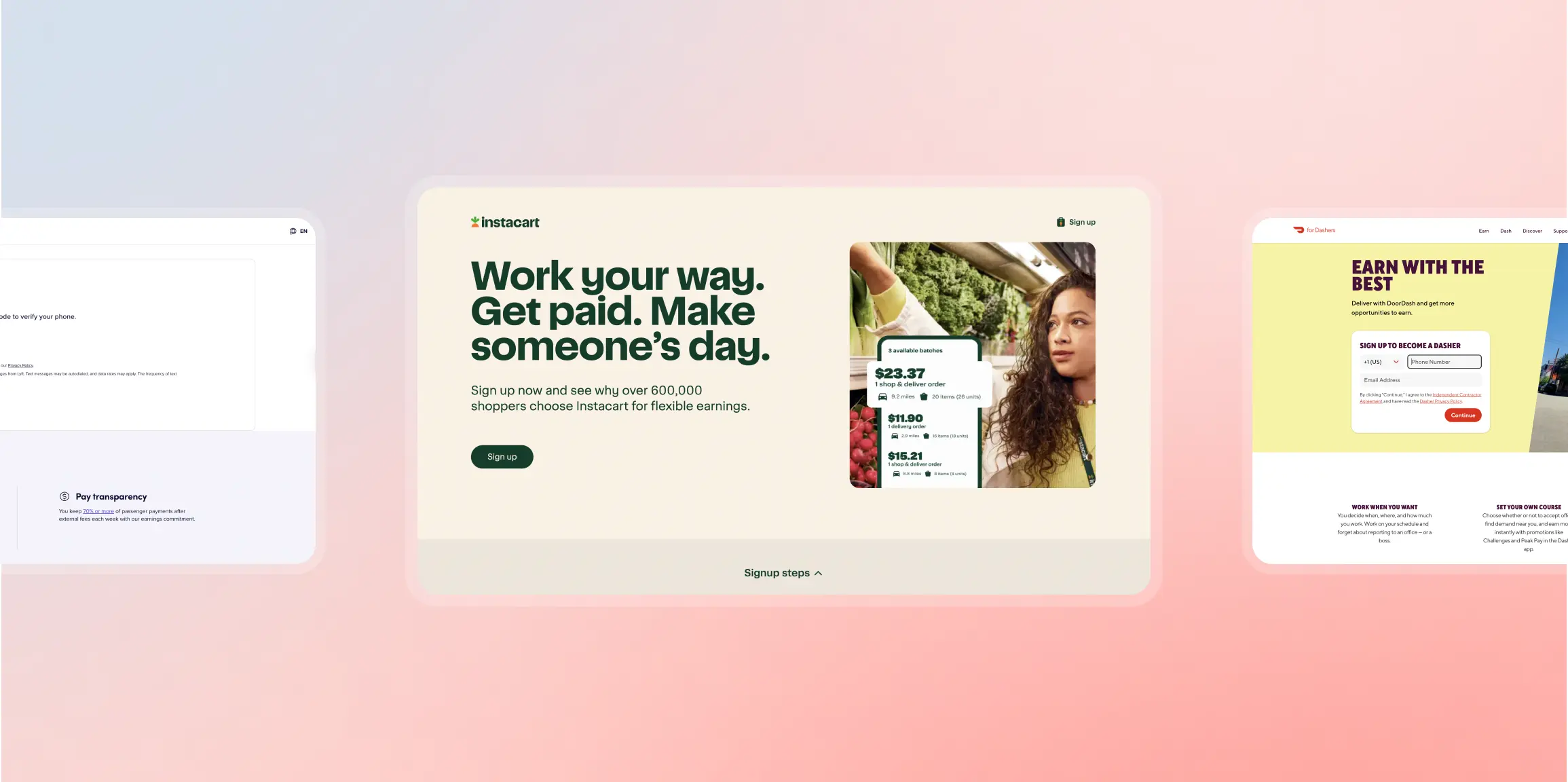
For platforms like Writers Work, the landing page serves as a qualification tool. By using a "Get Started" or "Qualify" CTA, they frame the application process as an exclusive opportunity, which can increase the perceived value of the role. Similarly, Instacart’s shopper recruitment pages use vibrant, lifestyle-oriented imagery to build an emotional connection with potential workers while keeping the technical requirements of the job clear and concise.
The Role of A/B Testing in Recruitment ROI
The implementation of a landing page is not a static event but an ongoing process of optimization. A/B testing—the practice of comparing two versions of a page to see which performs better—is now a standard requirement for recruitment marketing teams.

A 1% improvement in conversion rate on a landing page can lead to a 10% reduction in the cost per applicant over the life of a campaign. Organizations are encouraged to test elements in a specific priority order:
- Headlines: Testing different value propositions (e.g., "High Pay" vs. "Flexible Hours").
- Call-to-Action (CTA): Comparing "Apply Now" with "Start Your Journey" or "See Openings."
- Form Length: Measuring the impact of removing non-essential fields.
- Visual Media: Testing the effectiveness of video testimonials versus static images.
Advanced platforms now offer AI-driven experimentation tools. These systems automatically allocate more traffic to the "winning" variation of a page based on real-time data, ensuring that the recruitment budget is always directed toward the most effective asset.
Technical Performance and Mobile Accessibility
With over 70% of job seekers now using mobile devices to browse opportunities, technical performance has become a critical metric for recruitment success. Google’s "Core Web Vitals" indicate that pages taking longer than three seconds to load see a massive spike in abandonment. To maintain a competitive edge, recruitment landing pages must be optimized through image compression, the reduction of unnecessary JavaScript, and the use of Content Delivery Networks (CDNs).
Furthermore, the removal of "exit links"—such as header navigation menus that lead back to the main corporate homepage—is a proven tactic to keep candidates focused. In a journalistic analysis of high-performing pages, it was found that the absence of a navigation menu can increase conversion rates by up to 100%, as it prevents the candidate from becoming lost in unrelated corporate content.

Broader Implications for the Labor Market
The shift toward specialized recruitment landing pages has broader implications for the future of work and employer branding. As companies become more efficient at targeting and converting candidates, the labor market becomes more fluid. This efficiency, however, places a higher burden on companies to deliver on the promises made on these high-conversion pages.
Industry analysts suggest that while landing pages solve the "top of the funnel" problem, the long-term success of these strategies depends on the integration with backend HR processes. If a candidate is "sold" by a seamless landing page but encounters a slow, bureaucratic interview process, the employer brand may suffer.
In conclusion, the recruitment landing page is no longer an optional marketing luxury; it is a fundamental component of a modern talent acquisition stack. By applying the rigors of conversion rate optimization (CRO) to the hiring process, organizations can significantly reduce their cost per applicant, improve the quality of their talent pipeline, and gain a decisive advantage in the global competition for skilled labor. As digital advertising costs continue to climb, the ability to turn a $5 click into a completed application will remain the primary differentiator between successful and struggling recruitment departments.


 Asro
Asro
 Dwi Wanna