rifanmuazin
Conversion Rate Optimization (CRO) has evolved from a reactionary measure used to fix failing websites into a proactive, essential pillar of digital business health. Industry analysts and e-commerce architects now argue that the common misconception—that an audit is only necessary when sales plummet—is a significant barrier to long-term profitability. Much like a medical check-up, a CRO audit is a diagnostic tool designed to identify underlying issues before they manifest as critical failures, such as high cart abandonment or stagnant revenue growth. By systematically examining product pages, checkout flows, and technical performance, businesses can uncover hidden revenue opportunities and align their digital presence with evolving consumer behaviors.
The Strategic Shift in Conversion Analysis
The digital retail landscape has undergone a seismic shift over the last three years. With the deprecation of third-party cookies and the increasing cost of customer acquisition through traditional advertising, the focus has shifted toward maximizing the value of existing traffic. A CRO audit serves as the primary mechanism for this maximization. It is defined as a comprehensive evaluation of a website’s ability to convert visitors into customers, examining everything from technical infrastructure like page speed to psychological triggers like social proof and copy clarity.
Experts suggest that the frequency of these audits should be scheduled rather than sporadic. For high-volume e-commerce platforms, a quarterly audit is becoming the industry standard, ensuring that the user experience (UX) remains frictionless amidst frequent inventory updates and marketing campaign shifts. The cost of neglect is quantifiable; industry data suggests that even a one-second delay in mobile load times can impact conversion rates by up to 20%, highlighting the "money left on the table" for those who fail to monitor their site’s performance regularly.
A Chronological Approach to the CRO Audit Framework
A professional CRO audit follows a logical progression, moving from hard data to human behavior, and finally to prioritized implementation. This three-step framework ensures that decisions are rooted in evidence rather than intuition.
Phase 1: Quantitative Data Collection and Technical Benchmarking
The foundation of any audit is quantitative data—the "what" of user behavior. This phase focuses on identifying where users are dropping off and how much potential revenue is being lost at each stage of the funnel.
The GA4 Implementation Standard
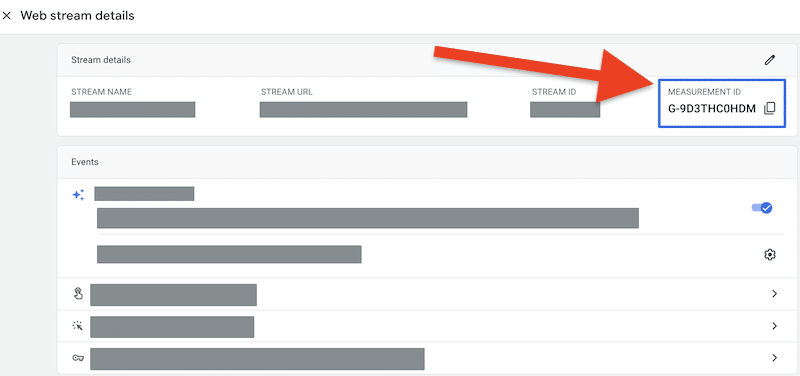
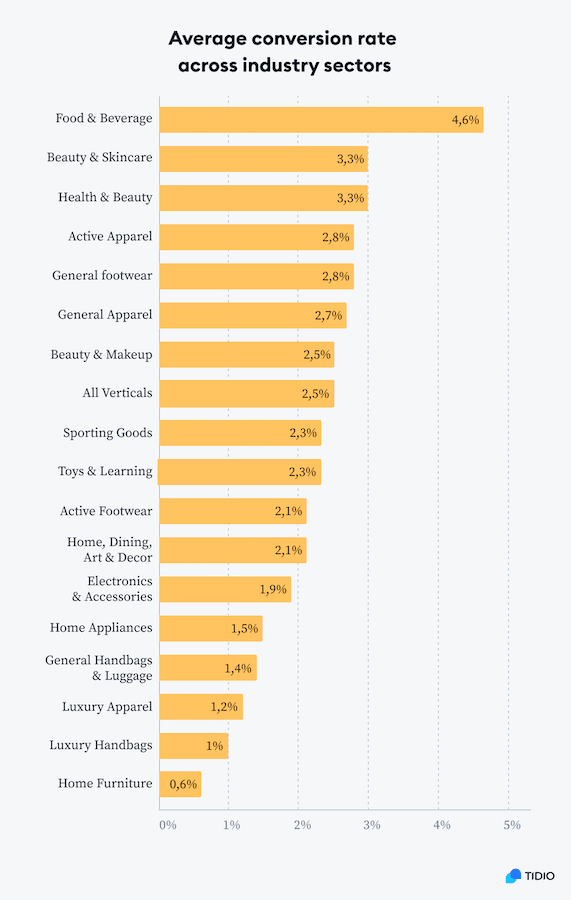
Since Google’s transition to Google Analytics 4 (GA4), the methodology for tracking e-commerce success has changed. Unlike its predecessor, GA4 is event-based, requiring specific configurations to track the shopping journey accurately. Analysts emphasize four critical events that must be monitored:
- view_item: Tracking when a user engages with a specific product page.
- add_to_cart: Measuring the initial intent to purchase.
- begin_checkout: Identifying the transition from browsing to the transactional phase.
- purchase: The final conversion event.
By analyzing the ratios between these events, businesses can pinpoint specific friction points. For instance, a high ratio of "add_to_cart" to "begin_checkout" but a low "purchase" rate often indicates issues within the shipping costs or payment options, rather than the product itself.
Performance Metrics and Core Web Vitals
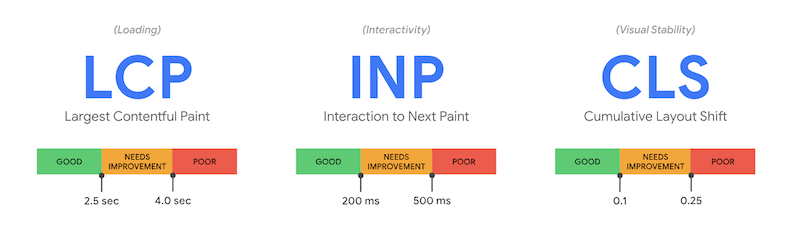
In 2024, technical performance is inseparable from conversion rates. Google’s Core Web Vitals—Largest Contentful Paint (LCP), Interaction to Next Paint (INP), and Cumulative Layout Shift (CLS)—have become the primary metrics for assessing site health. LCP measures loading performance, INP (which recently replaced First Input Delay) measures responsiveness, and CLS measures visual stability. Current industry benchmarks suggest that an LCP of under 2.5 seconds is required to maintain optimal conversion levels. Failure to meet these benchmarks often results in "pogo-sticking," where users return to search results immediately, signaling to search engines that the site is of low quality.
Phase 2: Qualitative Insight Gathering
If quantitative data shows the "what," qualitative insights explain the "why." This phase involves observing real user interactions and gathering direct feedback to understand the psychological barriers to conversion.
Behavioral Mapping through Heatmaps and Replays
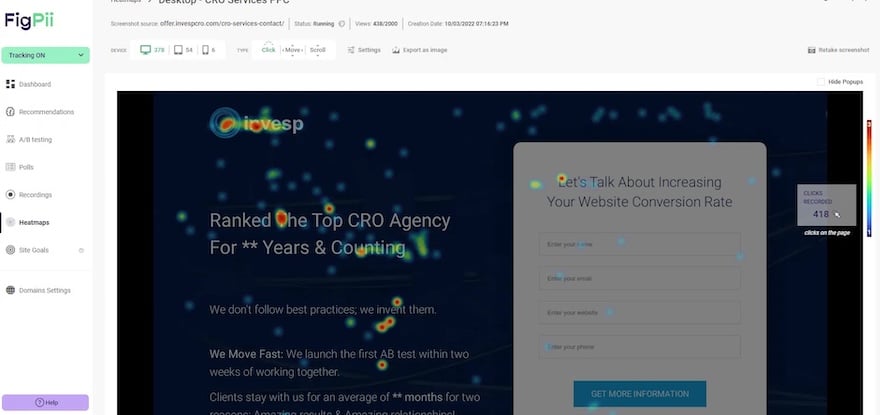
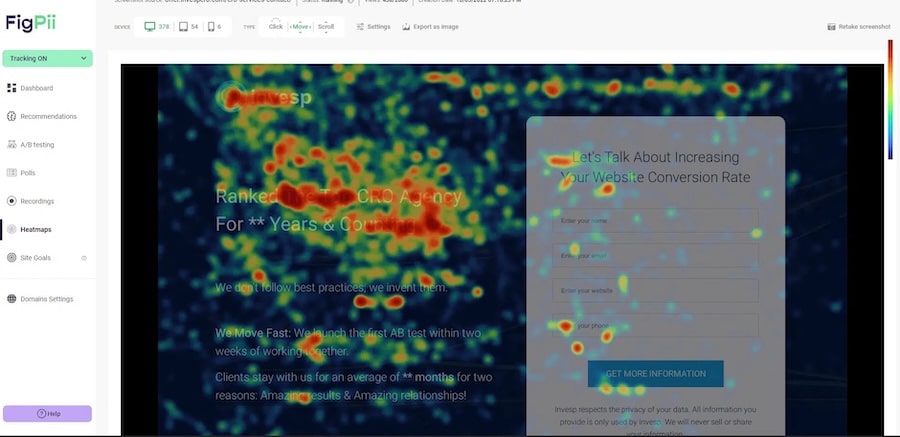
Tools such as FigPii and Hotjar allow auditors to visualize user movement. Click heatmaps reveal which elements are capturing attention, while scroll maps indicate how much of a product’s story is actually being read. Movement heatmaps can often reveal "rage clicks"—instances where users repeatedly click an unclickable element—signaling a design flaw that causes user frustration.
Session replays offer a more granular view, allowing auditors to watch real-time journeys. This often reveals mobile-specific issues, such as buttons that are too small to tap or text that is obscured by pop-ups.

Direct Voice of Customer (VoC) Data
Surveys and exit polls provide the context that data cannot. Industry best practices recommend short, targeted questions. Exit-intent polls, which trigger when a user’s cursor moves toward the close button, are particularly effective. Questions such as "What stopped you from completing your purchase today?" can uncover issues like a lack of trust in payment security or confusion regarding the return policy.
The Power of Small-Scale User Testing
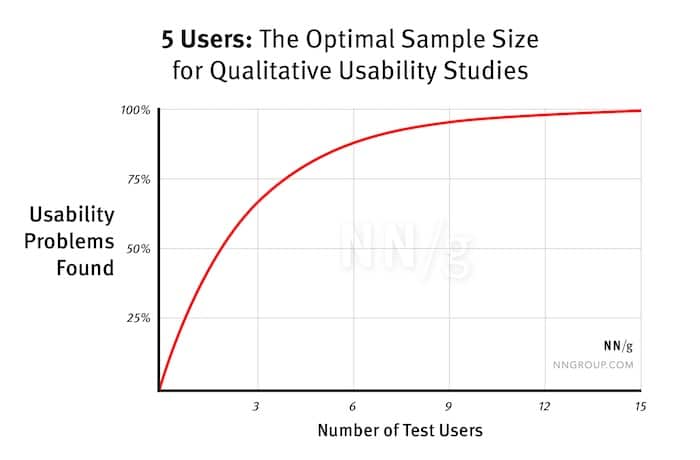
The Nielsen Norman Group, a leader in UX research, has famously stated that testing with just five users can uncover up to 85% of usability issues. In a CRO audit, moderated or unmoderated user testing involves asking participants to complete specific tasks, such as finding a specific item and checking out. Watching a user struggle to find a "Size Guide" or fail to understand a discount code application provides more actionable insight than months of passive data collection.
Prioritizing High-Impact Pages: Product and Cart Analysis
Not all pages are created equal in a CRO audit. The most significant gains are typically found on the product pages and the cart/checkout flow.
The Anatomy of a High-Converting Product Page
The product page is the ultimate "moment of truth." Auditors focus on four pillars:

- Visual Information: High-quality imagery and video are no longer optional. Photos must show the product from multiple angles and in "lifestyle" contexts to alleviate the fear of the unknown.
- Copywriting and Storytelling: Successful product descriptions move beyond features to benefits. They must answer the user’s unspoken questions: "Will this solve my problem?" and "Is it worth the price?"
- Call-to-Action (CTA) Clarity: The "Add to Cart" button must be the most prominent element on the page, ideally positioned above the fold with contrasting colors to ensure visibility across all device types.
- Social Proof Integration: Ratings, reviews, and user-generated content act as psychological shortcuts for trust. Research indicates that consumers are six times more likely to purchase when they see real-world social photos of a product.
Optimizing the Cart for Speed and Simplicity
The cart page is where intent is most vulnerable. A successful audit of this area looks for three characteristics: clarity, simplicity, and speed. Any distraction—such as excessive cross-selling or complex navigation—can lead to abandonment. Industry data shows that 40% of users will abandon a site if it takes more than three seconds to load, making the cart’s technical efficiency a top priority.
Industry Implications and the Broader Impact of CRO
The implications of regular CRO audits extend beyond immediate sales. In a broader economic context, businesses that prioritize optimization are more resilient to market fluctuations. By improving the efficiency of their existing traffic, they reduce their dependence on expensive advertising platforms like Meta and Google.
Furthermore, the "ripple effect" of a CRO audit improves overall brand perception. A site that is fast, intuitive, and transparent builds long-term customer loyalty. Analysts point out that as AI-driven search and shopping assistants become more prevalent, they will favor sites that provide clear, well-structured data and high user satisfaction scores—both of which are direct outputs of a rigorous CRO process.
Conclusion: The Path to Sustained Growth
In conclusion, a Conversion Rate Optimization audit is not a one-time fix for a broken website; it is a sophisticated, recurring business strategy. By combining the precision of GA4 quantitative data with the human context of qualitative research, e-commerce brands can create a seamless shopping experience that meets modern consumer expectations. As the digital marketplace becomes increasingly competitive, the ability to identify and seal "conversion leaks" will be the defining factor between brands that merely survive and those that achieve sustained, profitable growth. Regular audits ensure that a website remains a living, evolving asset rather than a static digital brochure, ultimately turning every visitor into a potential brand advocate.