rifanmuazin
The landscape of e-commerce delivery is undergoing a seismic shift, driven by the burgeoning gig economy. Local carriers are increasingly positioned to offer rapid and cost-effective solutions for the final leg of product delivery to consumers. However, this revolution in convenience is not without its challenges, with concerns mounting over service consistency and the potential for package theft directly at the customer’s doorstep. Merchants and shippers, grappling with the persistent "last-mile" problem, are actively seeking innovative ways to bridge this critical gap in the supply chain. A prominent example of this ongoing evolution is Target’s recent announcement to significantly expand its Shipt-powered same-day delivery service, projecting its reach to over 100 U.S. stores by 2026.
This expansion by Target underscores a broader industry trend where companies like Shipt, Amazon Flex, Uber, and a host of similar platforms leverage the flexibility of the gig economy. These services rely on independent contractors, often referred to as gig workers, to fulfill rapid last-mile deliveries. The operational model typically involves these contract drivers collecting packages directly from retail locations or fulfillment centers and then delivering them using their personal vehicles. This approach is not merely a logistical tweak; it represents a fundamental change in how brands interact with their customers, as the delivery experience is increasingly becoming a defining element of a customer’s perception of a brand.
Target’s Localized Fulfillment Strategy with Shipt
Target’s strategic embrace of Shipt is deeply rooted in a localized fulfillment model. By capitalizing on its extensive network of physical stores across the United States, Shipt has effectively brought the point of fulfillment much closer to the end consumer. This strategy transforms each Target store into a micro-fulfillment hub. Drivers for Shipt no longer need to rely on distant, centralized distribution centers for outgoing packages. Instead, they can pick up customer orders directly from their local Target store. This shift dramatically shortens delivery routes, replacing the inefficiencies and complexities of long-haul shipping with more manageable, localized journeys.
The advantage of this "store-as-a-fulfillment-center" approach is substantial. It allows Target to expand its delivery coverage and speed without the immense capital investment typically required to build new, dedicated distribution centers. Target’s acquisition of Shipt in 2017 was a pivotal move, designed to bolster this very strategy. What began primarily as a same-day grocery delivery service has evolved into a comprehensive last-mile network intrinsically linked to the real-time inventory available within Target’s physical stores. Industry analysis suggests that by utilizing Shipt, Target can achieve significant cost savings, potentially reducing delivery expenses by as much as $2.50 per package compared to using traditional national carriers.
These savings are a direct consequence of minimizing handoffs and shortening transit distances. Packages delivered via Shipt bypass the multiple sortation centers and extensive transit networks characteristic of national shipping providers. This streamlined process not only reduces costs but also inherently improves delivery speed. Because orders originate from locations geographically closer to the customer, delivery windows can be significantly tightened. This acceleration is achieved without the need for expensive premium air freight or expedited shipping services. Ultimately, this model effectively lowers fulfillment costs while simultaneously meeting the escalating consumer demand for faster delivery times, a critical competitive factor in today’s e-commerce environment. It’s important to note that Target is not an outlier in this approach; major retailers like Walmart and Amazon, along with numerous other omnichannel businesses, are actively pursuing similar initiatives to enhance their last-mile capabilities.
A Different Operational Paradigm: Gig Platforms vs. Traditional Carriers
Shipt and its ilk represent a departure from the established norms of traditional small-package delivery services. The operational structure they embody is becoming increasingly prevalent across the e-commerce ecosystem. Alongside the enduring presence of national carriers, there is a burgeoning growth in regional carriers, independent gig platforms, and specialized white-label delivery services. This diversification offers merchants a wider array of delivery options, but it also leads to a reduction in standardization across the industry.
Traditional carriers, such as UPS, FedEx, and the United States Postal Service (USPS), operate highly controlled and standardized networks. Their service levels, routing algorithms, and package handling processes are meticulously defined and consistently applied. This uniformity ensures a predictable and reliable delivery experience for both merchants and consumers, albeit often at a higher cost and potentially slower speed. In contrast, the delivery networks facilitated by gig platforms are characterized by greater flexibility and adaptability. However, this inherent flexibility often comes at the cost of consistency.
The Inconsistent Reality of Gig-Powered Deliveries: Gaps in Service and Security
The promise of fast, cheap delivery through gig platforms is frequently juxtaposed with the reality of inconsistent service and, more worryingly, an increased risk of package theft. Almost every online shopper has, at some point, encountered a delivery that did not go as planned. Consider the scenario of a resident in a multi-story urban apartment building. These individuals often rely on secure designated delivery rooms within their buildings, equipped with access control systems and surveillance cameras, for receiving packages.
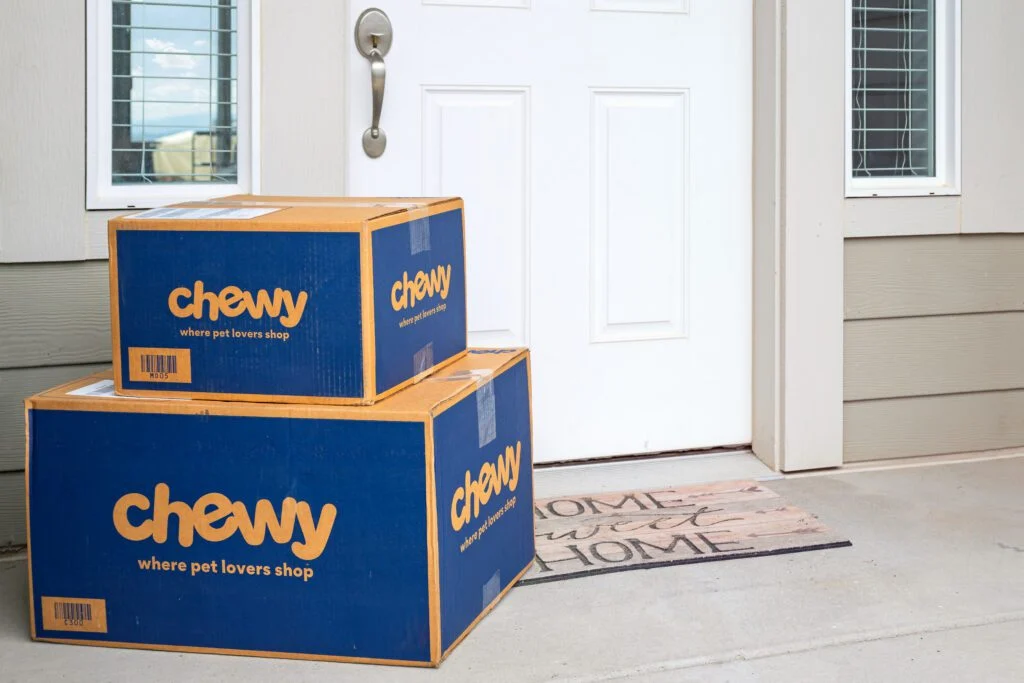
While most delivery services employ one-time passcodes or specific entry protocols to access these secure areas, gig drivers, particularly those who are less experienced or unfamiliar with such building specificities, may deviate from the instructions. This can result in packages being left in less secure common areas like lobbies or hallways, making them vulnerable to damage or, more critically, theft. The risk is not confined to urban dwellers; suburban residents can face similar issues with unsecured porch deliveries or improper placement of packages that invite opportunistic theft.
The core issue lies in the inherent variability of the gig workforce. While employees of established carriers like Amazon, UPS, FedEx, and USPS are trained and operate within structured protocols, the risk of errors or deviations can be higher with part-time, less experienced gig workers. This inconsistency manifests in several ways:
- Delivery Timing Fluctuations: Scheduled delivery windows may not be adhered to with the same precision as with traditional carriers, leading to consumer frustration.
- Variable Drop-off Locations: The exact placement of a package at the customer’s residence can differ significantly from one driver to the next, even when specific instructions are provided. This can range from leaving a package in a hidden spot to simply leaving it in plain view on an exposed porch.
- Limited or Inconsistent Communication: Communication channels between the delivery driver, the merchant, and the customer can be fragmented or unreliable, especially in instances where issues arise during the delivery process.
For large, established retailers with robust customer service departments and strong brand loyalty, these delivery failures can often be absorbed. They have the resources to manage customer complaints, issue refunds, and mitigate the impact of negative reviews. However, for small to midsize e-commerce merchants, the margin for error is considerably smaller. A single botched delivery, a poorly handled package, or a confirmed instance of theft can translate directly into increased support costs, lost revenue from refunds, and significant damage to their online reputation through negative reviews.
The Evolving Definition of "Product" in E-commerce
In this dynamic e-commerce landscape, the delivery experience has transcended its role as a mere logistical function. It has evolved into an integral component of the overall product experience, even when the merchant has no direct control over the delivery process itself. The challenge for businesses, therefore, lies in striking a delicate balance between cost, speed, and quality. Optimizing for speed and cost through gig delivery services must be carefully weighed against the potential compromises in quality and consistency that can negatively impact customer satisfaction and brand perception.
To navigate this complex terrain, merchants are increasingly focusing on proactive strategies. Establishing clear expectations with customers regarding delivery timelines and procedures is paramount. Furthermore, implementing robust systems for monitoring customer complaints and delivery feedback is crucial. This data can provide early warnings of systemic issues with specific carriers or drivers, allowing for timely intervention.
Ultimately, in the modern e-commerce era, delivery is far more than just the physical act of moving a product from point A to point B. It is a critical touchpoint that shapes the customer’s perception of the brand. Businesses that can effectively manage and optimize this last-mile experience, even through third-party gig services, will be better positioned to build customer loyalty and achieve sustainable growth in an increasingly competitive market. The ongoing innovation in last-mile delivery, driven by the gig economy, promises to continue reshaping consumer expectations and business strategies for years to come.
Data and Context: The Growth of Last-Mile Delivery Services
The global last-mile delivery market is projected for substantial growth. According to various industry reports, the market was valued at approximately $100 billion in 2022 and is expected to expand at a compound annual growth rate (CAGR) of over 10% through 2030. This surge is fueled by the relentless rise of e-commerce, increased consumer demand for faster delivery options, and the growing adoption of on-demand delivery services.
The gig economy’s role in this expansion is undeniable. Platforms like DoorDash, Grubhub, and Instacart, while primarily known for food delivery, have demonstrated the scalability and efficiency of leveraging independent contractors for rapid local deliveries. This model has been adapted by e-commerce giants and smaller retailers alike. For instance, Amazon Flex, launched in 2015, allows individuals to use their own vehicles to deliver Amazon packages. Walmart has also experimented with various delivery models, including using its own associates and third-party services to deliver groceries and other goods.
The economic underpinnings of this model are attractive to both businesses and workers. For businesses, it offers a flexible workforce that can scale up or down based on demand, potentially reducing fixed labor costs associated with traditional delivery fleets. For workers, it provides an opportunity to earn income on their own schedules, offering a degree of autonomy not always found in traditional employment. However, this flexibility often comes with trade-offs, including the lack of benefits, job security, and consistent income that are typical of full-time employment. The ongoing debate around the classification of gig workers as employees versus independent contractors continues to influence regulatory landscapes and operational strategies in this sector.
Broader Implications and Future Outlook
The rise of gig-economy-powered last-mile delivery has profound implications for urban planning, environmental sustainability, and labor relations. The increased volume of delivery vehicles on city streets can exacerbate traffic congestion and contribute to air pollution. While some platforms are exploring the use of electric vehicles and optimized routing to mitigate these impacts, the environmental footprint of this delivery model remains a significant concern.
From a labor perspective, the gig economy presents a complex duality. It offers flexible income opportunities but raises questions about worker protections, fair wages, and the long-term sustainability of a workforce operating without traditional employee benefits. As regulatory bodies worldwide grapple with how to best govern these new labor models, the operational frameworks of delivery companies are likely to evolve.
Looking ahead, the tension between speed, cost, and consistency in last-mile delivery will continue to drive innovation. We can anticipate further advancements in automation, including the use of drones and autonomous vehicles, to address some of the challenges associated with human-driven deliveries. Simultaneously, retailers will likely invest more heavily in integrating their physical store networks with their online operations, using stores as strategic fulfillment points. The success of models like Target’s Shipt expansion will likely encourage further adoption of localized, store-based fulfillment strategies. The ultimate goal for all players in the e-commerce ecosystem will be to find the optimal balance that satisfies the ever-increasing consumer demand for fast, reliable, and secure delivery, without compromising the integrity of the brand experience or the well-being of the delivery workforce.