rifanmuazin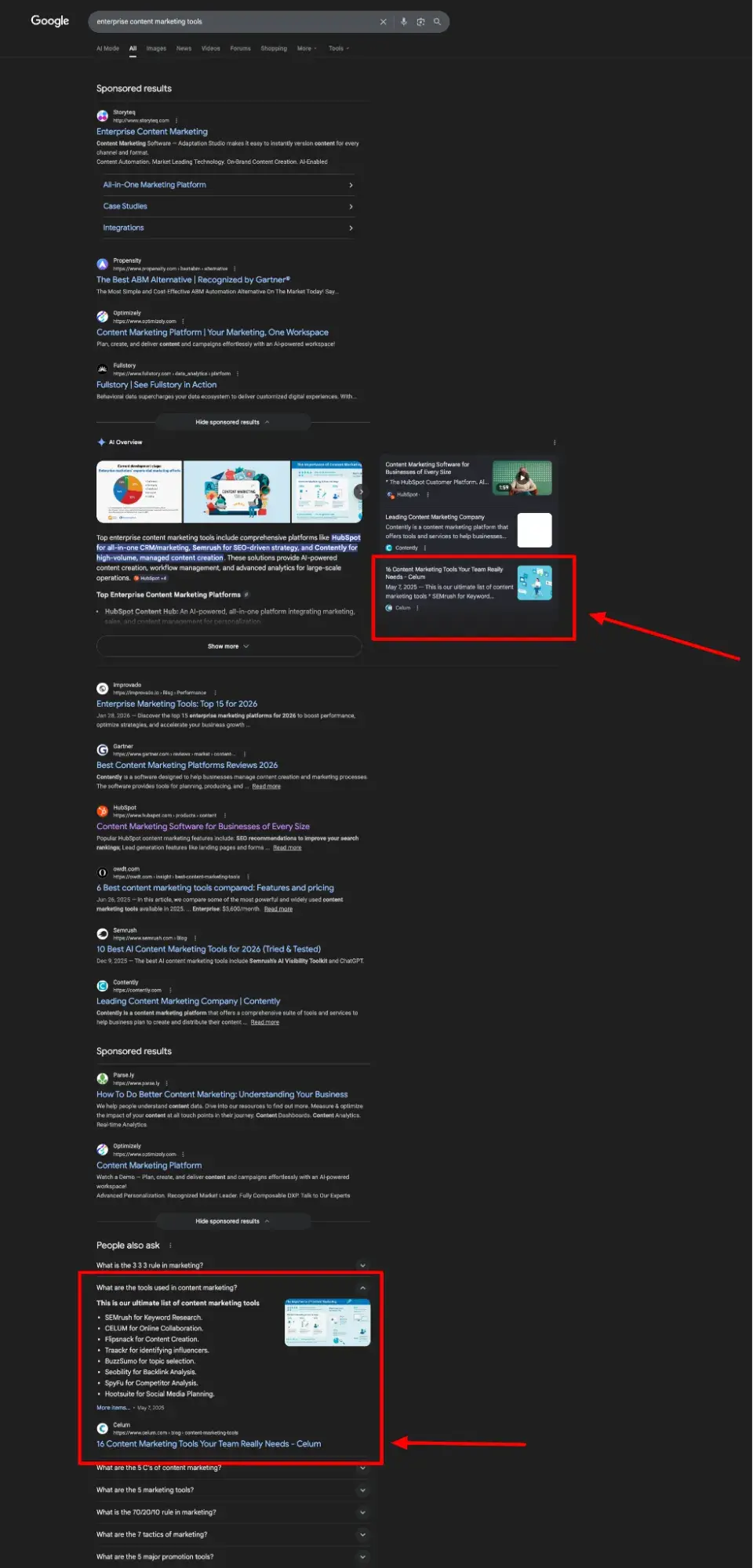
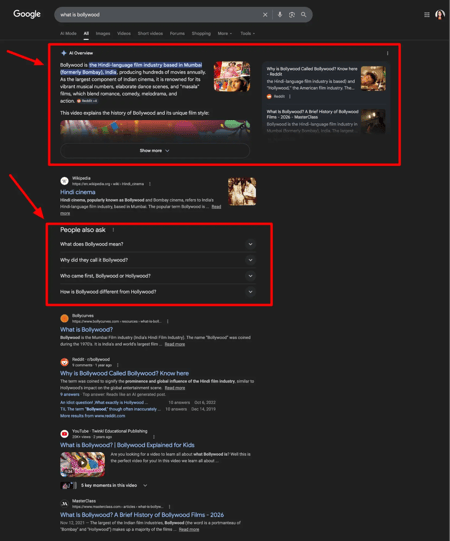
The landscape of online search, once a straightforward conduit funneling users from search engine results pages (SERPs) to brand websites, is undergoing a profound transformation. This paradigm shift, largely driven by advancements in artificial intelligence, is rapidly eroding the traditional click-through model, compelling marketing teams to rethink their strategies at an unprecedented pace. The emergence of "zero-click" searches means that an increasing number of user queries are being resolved directly on the SERP itself, bypassing the need to visit an external website.
The Rise of Zero-Click Search: A New Digital Landscape
For decades, a high search ranking was the ultimate prize for marketers, a guarantee of visibility and, crucially, website traffic. However, this model is becoming increasingly antiquated. Recent research by Bain & Company indicates that approximately 80% of consumers now rely on zero-click results for at least 40% of their searches. This trend, while offering users immediate answers and enhanced convenience, is significantly impacting businesses, leading to an estimated 15% to 25% reduction in organic web traffic across the board. For some, this shift might initially manifest as increased impressions, but without corresponding clicks, the traditional metrics of success become obsolete.
Zero-click searches encompass a variety of SERP features designed to provide direct answers. These include:
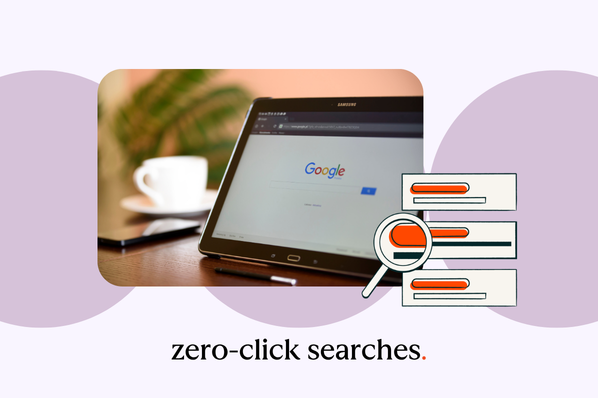
- Featured Snippets: Concise answers extracted from web pages, displayed prominently at the top of the SERP.
- Knowledge Panels: Information boxes, often appearing on the right side of the SERP, providing summaries of entities (people, places, organizations) pulled from various sources.
- People Also Ask (PAA) Boxes: Expandable sections offering related questions and their corresponding answers, keeping users on the SERP longer.
- Local Packs: Maps and business listings for local searches, providing addresses, phone numbers, and reviews without a click.
- AI Overviews (or AI-generated answers): The latest evolution, where generative AI synthesizes information from multiple sources to provide comprehensive answers directly within the search results, often with citations to the original content.
The timeline of search evolution has steadily moved towards this "answer engine" model. From the early days of simple keyword matching and blue links, search engines like Google gradually introduced features like rich snippets (circa 2010), knowledge graphs, and then featured snippets, all aimed at enriching the user experience on the SERP. The integration of advanced AI and large language models marks the most significant leap, transforming search engines into sophisticated answer platforms. This evolution is driven by user demand for instant gratification and search engines’ ambition to provide the most relevant and comprehensive information directly.
Navigating the Impact on the Marketing Funnel
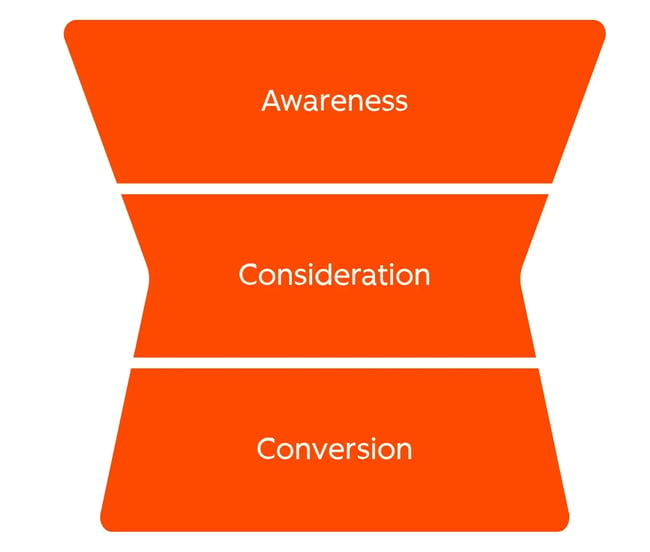
This profound shift in user behavior necessitates a re-evaluation of the entire marketing funnel. What was once a linear path from search to click to conversion is now a more complex, multi-touch journey heavily influenced by the SERP itself. HubSpot’s "Loop Marketing" model, which visualizes the buyer’s journey as an evolving hourglass, acknowledges this disruption, emphasizing continuous engagement and trust-building.
Awareness: The SERP as a Branding Arena
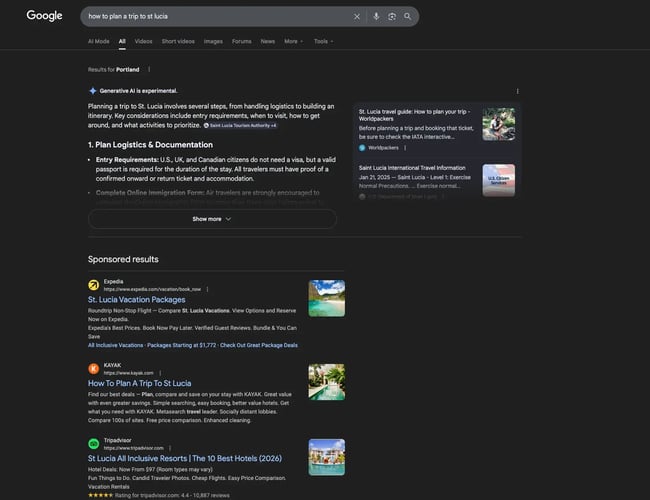
At the top of the funnel, where users are just beginning to identify their pain points and explore potential solutions, the SERP has become the primary battleground for brand awareness. In the pre-AI era, users would scroll through results, encountering various brand names and favicons, implicitly building awareness even without clicking. Now, with AI Overviews and other rich results dominating the top of the page, the brands cited within these direct answers gain disproportionate visibility. Everything below these prominent features risks being overlooked.
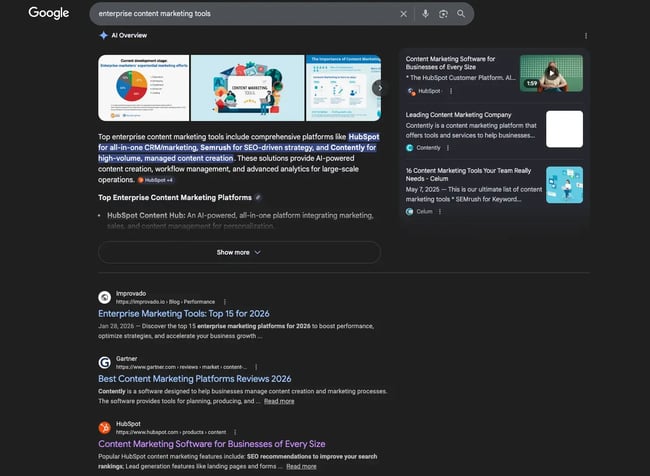
For a luxury travel agent specializing in Caribbean destinations, a user searching "how to plan a trip to St. Lucia" might receive comprehensive travel ideas and recommendations directly from an AI Overview, potentially citing various sources. If the agency’s content isn’t among those cited, they lose a crucial early touchpoint. Similarly, in the B2B sector, a search for "best CRM for mid-market" or "enterprise content marketing tools" could lead users to form initial vendor shortlists based solely on AI-generated summaries, bypassing individual company websites altogether. This makes appearing in these AI-generated answers akin to premium advertising—essential for initial brand recognition.

Consideration: Interest and Evaluation Without a Click
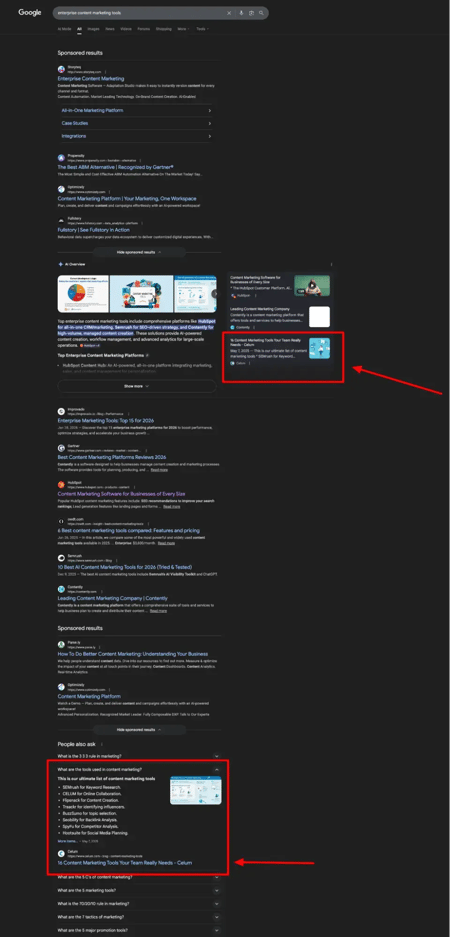
In the consideration stage, where potential buyers are actively researching solutions and evaluating options, zero-click features like People Also Ask (PAA) boxes and featured snippets satisfy the depth of inquiry that previously required multiple website visits. A brand repeatedly cited in a featured snippet, followed by appearances in related PAA questions, begins to establish itself as a trusted authority. This repetition fosters familiarity and builds preference long before a direct click occurs. The goal here shifts from forcing a click to consistently positioning the brand as the authoritative and recurring answer.
For instance, if the St. Lucia travel agency’s content is consistently cited in AI Overviews and PAA sections for various planning-related queries, users will begin to perceive them as highly knowledgeable. In the B2B SaaS example, a marketing automation tool consistently mentioned in AI Overviews and PAA for "enterprise content marketing tools" strengthens its credibility and builds trust among prospective buyers. This pre-warmed audience is then more receptive when they eventually visit the brand’s site.
Conversion: Queries With Intent Still Drive Clicks
The conversion stage, characterized by high-intent queries, remains the most resilient to the zero-click phenomenon. Queries like "St. Lucia travel agent consultation," "free content marketing tools demo," or direct comparisons such as "HubSpot vs. Salesforce" are less likely to trigger extensive AI Overviews or rich results that fully satisfy the commercial intent. These queries still typically lead to traditional search results, local packs, or structured snippets with direct calls to action.
While AI may condense information on comparison pages, users seeking demos or consultations still require a direct interaction with the brand’s website. Investments in paid search and traditional SEO for these high-intent keywords therefore remain highly valuable. The prospect arriving at a website after such a search is often already informed, meaning the landing page’s role is confirmation and facilitating the next step, rather than initial introduction. However, marketers must remain vigilant, as the path to purchase can be significantly longer due to earlier AI interventions.
Answer Engine Optimization (AEO): The Strategic Response
In this evolving search landscape, traditional SEO, while still crucial, must be complemented by Answer Engine Optimization (AEO). AEO focuses on optimizing content not just for search engine rankings and clicks, but for earning citations, summaries, answer placements, and even voice mentions within AI-generated responses across various platforms.
Shifting Key Performance Indicators (KPIs)
The first and most critical adaptation for marketing leaders is to redefine success metrics. Relying solely on organic sessions as the primary SEO metric in a zero-click world means measuring a declining output rather than the underlying influence. KPIs must evolve to reflect this new reality:
- SERP Visibility Metrics: AI citation frequency, share of voice in AI-generated answers, rich result impressions, featured snippet ownership.
- Brand Influence Metrics: Branded search volume growth, direct traffic increases, brand mention tracking across various platforms.
- Pipeline Influence Metrics: Organic-assisted leads, pipeline, and revenue, attributed not just to clicks but to overall brand visibility in answer engines.
This reframe provides internal protection for marketing teams. When traffic dips, marketers can present data demonstrating stable impressions, rising branded searches, and a growing organic-assisted pipeline, showcasing influence beyond direct clicks.
Content Strategy for Answer-First Visibility
Answer engines, including Google’s AI Overviews, Google’s AI Mode, ChatGPT Search, Perplexity, and Microsoft Copilot, process web content differently from traditional crawlers. They build intricate knowledge networks, connecting facts, entities, and relationships, where content formatting plays a pivotal role. HubSpot AEO solutions provide actionable recommendations for structuring content to maximize eligibility for AI-generated answers.
Key formatting and content adjustments include:
- Leading with Direct Answers: Ensuring the target query is answered within the first 100 words of a page. Pages that bury their answers risk losing snippet eligibility.
- Clear Headings and Subheadings (H1, H2, H3): Structuring content logically helps AI systems identify and extract key information.
- Bullet Points and Numbered Lists: These formats are easily digestible by AI and often favored for inclusion in summaries and featured snippets.
- Concise Paragraphs: Short, focused paragraphs make it easier for AI to extract relevant information.
- Q&A Format: Explicitly answering common questions directly within the content, especially for People Also Ask (PAA) eligibility.
Implementing Structured Data (Schema Markup)
Structured data, or schema markup, is increasingly vital for AI-driven SERP results. It provides search engines with explicit cues about the meaning of content, making it easier for AI to understand and present information directly. Essential schema types include:
- FAQ Schema: For question-and-answer content.
- How-To Schema: For step-by-step guides.
- Product Schema: For product details, reviews, and pricing.
- Organization Schema: For brand information, contact details, and logos.
Google’s own documentation highlights the power of structured data, with Rotten Tomatoes reporting a 25% higher click-through rate after implementation, and Nestlé seeing an 82% higher CTR for pages appearing as rich results. Marketers should prioritize implementing schema in JSON-LD format, validating it with Google’s Rich Results Test, especially for high-ranking pages.
Leveraging Local SEO for Knowledge Panels and Packs
For businesses with physical locations or defined service areas, local search optimization is a high-leverage AEO investment. Backlinko reports that 42% of searchers click on Google Map Pack results for local queries, making a three-pack listing an exceptionally valuable placement.
To strengthen local zero-click presence:
- Google Business Profile Optimization: Keep information accurate and comprehensive.
- Consistent NAP (Name, Address, Phone) Citations: Across all online directories.
- Customer Reviews and Ratings: Actively solicit and respond to reviews.
- Local Content Creation: Develop content tailored to local queries and events.
Optimizing Third-Party Channels AI Systems Trust
AI systems prioritize credibility and consensus. If a product or brand is consistently mentioned with similar messaging across Reddit, forums, industry articles, and review sites, AI gains confidence in citing that consensus. This means marketers must broaden their focus beyond owned media to include:
- Public Relations and Media Mentions: Securing citations from authoritative news outlets.
- Online Review Management: Encouraging positive reviews and managing feedback on platforms like G2, Capterra, and Yelp.
- Community Engagement: Participating in relevant forums and social media discussions to establish thought leadership.
- Partnerships and Influencer Marketing: Collaborating with trusted entities that AI might recognize as authoritative.
Focusing Efforts on Commercial Intent
The Digital Bloom reports that when AI Overviews are present, click-through rates plummet to just 8%, compared to 15% for traditional search results without AI summaries. This stark difference signals a need to reduce investment in purely informational, top-of-funnel content that AI can answer without a click. Instead, marketers should reinvest in:
- Comparison Content: Helping users differentiate between solutions.
- Product/Service Pages: Detailed information about offerings.
- Demo/Trial Pages: Conversion-focused content for interested prospects.
- High-Intent Long-Tail Keywords: Queries indicating a readiness to purchase.
This doesn’t mean abandoning awareness content entirely, but strategic prioritization is key. HubSpot AEO helps teams identify which queries drive answer engine visibility versus clicks, enabling smarter allocation of resources to commercial-intent content.
When to Embrace and When to Exercise Caution with Zero-Click Keywords
Not every keyword warrants a significant zero-click optimization investment. The decision should be guided by commercial potential and content differentiation.
Pursue zero-click visibility when:
- The keyword is informational, and the brand can provide the best, most comprehensive answer.
- The SERP already features AI Overviews or rich results, indicating user preference for direct answers.
- The brand’s content is highly authoritative and likely to be cited by AI systems.
- The goal is to build brand awareness and trust at the top of the funnel, even without an immediate click.
Avoid zero-click investment when:
- The keyword is transactional, and a click to a product or service page is essential for conversion.
- The brand lacks the authority or unique content to compete for AI citations.
- The keyword is highly competitive, and the content is undifferentiated from competitors.
- The SERP does not display rich results or AI Overviews for that specific query, suggesting users still prefer to click.
A "test-first" approach is advisable. Running a 30-day experiment on a few target keywords, restructuring content with an answer-first format, and adding FAQ schema can provide valuable insights into whether the investment yields tangible results before committing extensive editorial resources.
Measuring Success in the AI-Driven Search Era
AEO, like traditional SEO, is a long-term strategy requiring consistent monitoring and adjustment. Marketers and SEO strategists must establish a robust framework for tracking performance beyond mere click-through rates. HubSpot AEO is specifically designed to support this shift, offering tools to measure influence across AI-powered search experiences.
AEO and Answer Engine Visibility Metrics:
- SERP Visibility: AI citation frequency (how often the brand is cited), share of voice (percentage of AI-generated answers featuring the brand), rich result impressions, featured snippet ownership percentage.
- Brand Influence: Branded search volume trends, direct traffic trends, brand mention growth across third-party platforms.
- Pipeline Influence: Organic-assisted leads, opportunities, and revenue, tracking how zero-click visibility contributes to the overall sales pipeline.
Reporting Frequency:
A monthly cadence for reviewing AEO performance is crucial. This allows teams to identify trends, measure improvements, and adjust strategies proactively. A review cadence should include:
- Analysis of AI citation trends: Are we gaining or losing ground?
- Competitor analysis: How is our share of voice comparing?
- Content performance review: Which answer-first content is performing best?
- Pipeline impact assessment: Connecting AEO efforts to business outcomes.
HubSpot’s AEO features in Marketing Hub Professional and Enterprise offer deeper scoring, guidance, and content recommendations, enabling marketers to build comprehensive dashboards that combine page performance, answer engine visibility, and conversion impact. This data architecture empowers marketers to articulate the business case for AEO clearly. The most effective internal reporting frames zero-click search not as "traffic we’re losing" but as "influence we’re gaining in a channel that’s growing faster than traditional search."
The Future of Search: A Symbiotic Relationship Between SEO and AEO
Answer Engine Optimization is not a replacement for traditional SEO but rather its essential complement in the AI era. SEO continues to drive rankings and clicks, while AEO ensures visibility and citations within AI-generated answers. HubSpot’s integrated Marketing Hub aims to bring these strategies together, allowing teams to manage both traditional search performance and AI-driven visibility from a single platform.
The fundamental principles of effective content creation—structured data, strong E-E-A-T (Expertise, Experience, Authoritativeness, Trustworthiness) signals, and clear, authoritative content—remain paramount. These factors now determine not only search rankings but also whether a brand is deemed credible enough to be cited directly by AI. The shift is less about doing more and more about working smarter with existing assets. Small, strategic changes, such as front-loading answers or aligning content with common user questions, can significantly boost visibility without requiring a complete overhaul of content strategy.
Zero-click search does not eliminate opportunity; it merely redistributes it. The brands that will thrive in this new environment are those that consistently show up, build trust through authoritative answers even before a click, and measure success through a holistic lens that extends beyond mere website traffic. By turning visibility into influence, and influence into a robust pipeline, businesses can successfully navigate and even capitalize on the evolving digital search landscape.