rifanmuazin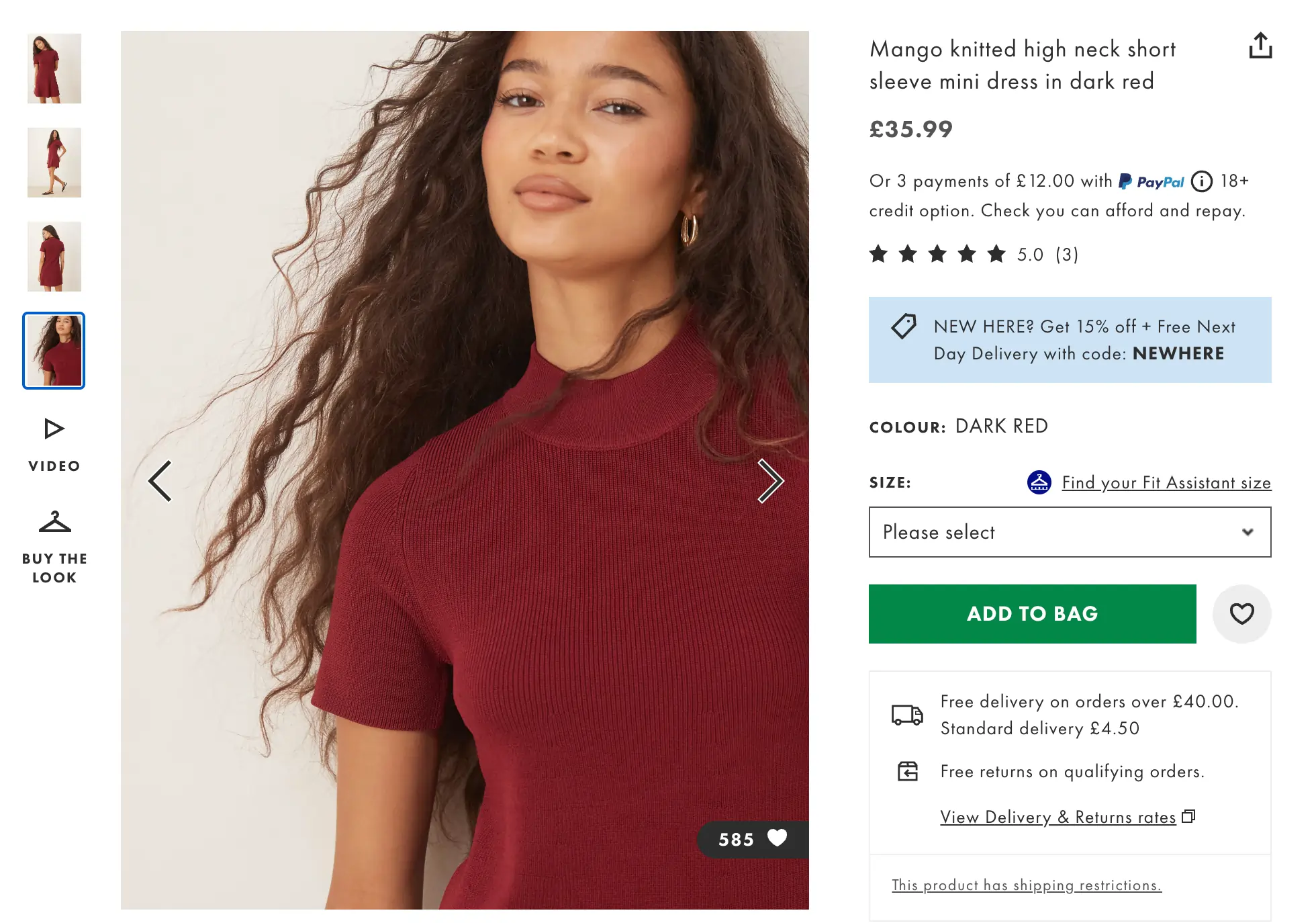
The product detail page (PDP) has evolved into the central battleground for digital consumer attention, with the image carousel emerging as one of the most influential components in the conversion funnel. Recent industry data suggests that while traditional website carousels on homepages are frequently bypassed by users, PDP-specific image carousels maintain high engagement rates, often serving as the primary tool for consumer decision-making. Analysts observe that the first two images in a product sequence typically receive the highest interaction, while subsequent images serve as critical "sanity checks" where potential buyers seek reassurance regarding quality, fit, and technical specifications. Despite the proven utility of these visual elements, many e-commerce brands continue to underutilize the space, relying on repetitive studio shots rather than a strategic mix of informative and persuasive assets.

The Strategic Importance of Visual Commerce in 2025
The shift toward visual-heavy commerce is driven by a broader trend in consumer psychology and mobile-first browsing habits. According to e-commerce research, approximately 75% of online shoppers rely on product photos when deciding on a purchase. In the context of a mobile interface, the product carousel often occupies more than 50% of the "above-the-fold" real estate, making it the most significant piece of digital property on the page.
Experts in conversion rate optimization (CRO) emphasize that a high-performing carousel must do more than simply display the product; it must proactively answer the "decision questions" that lead to a purchase. This includes clarifying what is included in a bundle, demonstrating the product in a real-world context, and providing social or scientific proof of efficacy. For instance, when brands transition from static, repetitive imagery to a diverse sequence of lifestyle shots, macro-details, and trust-building infographics, they often report significant lifts in conversion rates, sometimes exceeding 15% to 20% for specific product categories.

Framework for Carousel Optimization: The Seven Pillars
To maximize the performance of a product carousel, industry leaders advocate for a structured approach that prioritizes clarity and the systematic removal of buyer friction.
1. The High-Clarity Hero Image
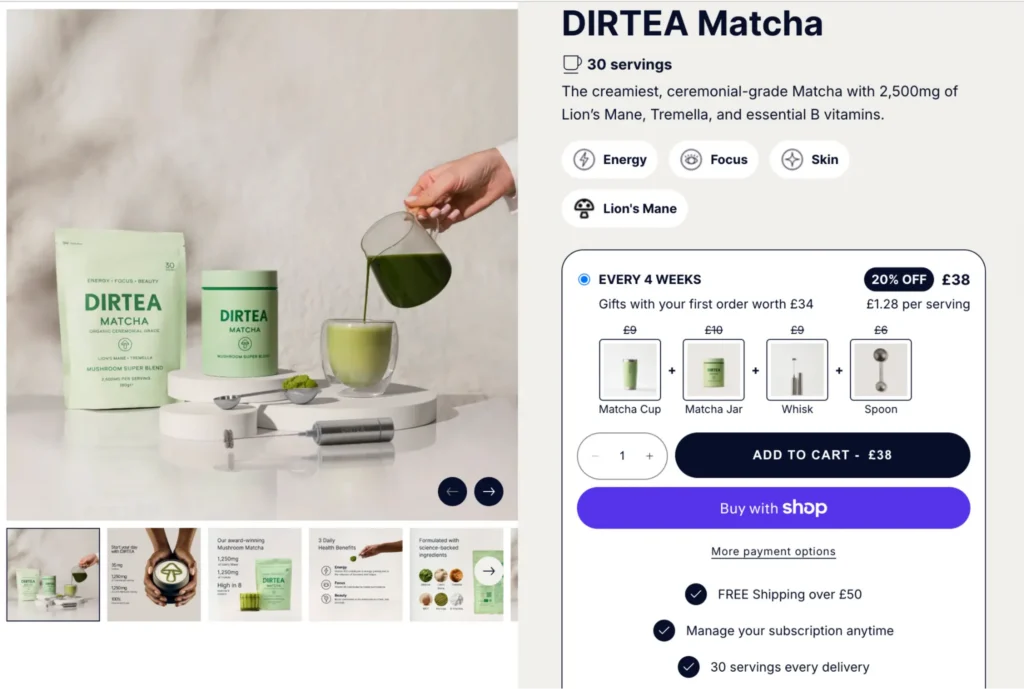
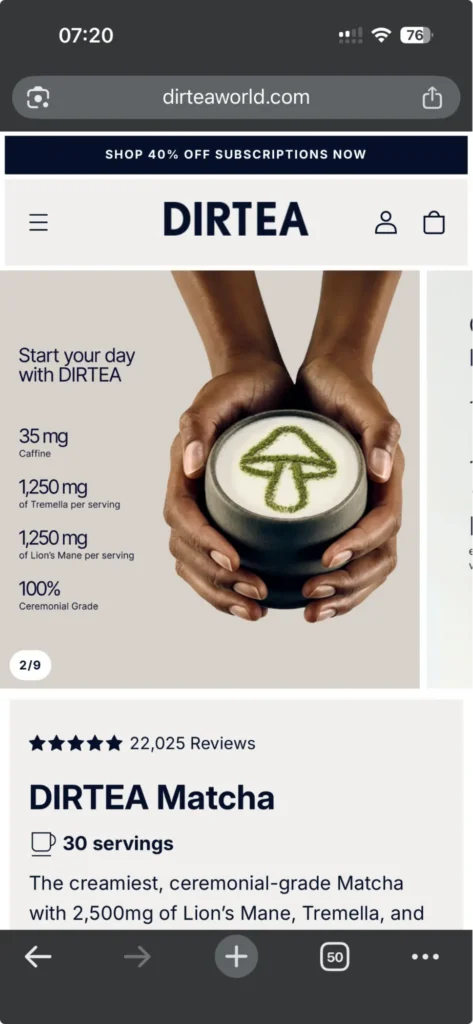
The initial image in the carousel must perform two simultaneous roles: establishing a strong first impression and immediately identifying the product. Journalistic analysis of successful D2C brands, such as DIRTEA, reveals that successful hero images often include "call-outs" for value-adds, such as free gifts or bundle components. The objective is to eliminate the cognitive load required for a shopper to "mentally stitch together" the offer from the text description alone.
2. Mobile-First Readability
With mobile traffic accounting for the majority of global e-commerce visits, carousel assets must be optimized for small screens. This necessitates high-contrast text, legible fonts, and the avoidance of "slide deck" styles that become unreadable when scaled down. Standard practice now dictates that any text overlay on a product image should be brief, punchy, and centered on a single value proposition.
3. Strategic Sequencing (Images 2-5)
While the first image attracts, the subsequent three to four images must convert. This sequence is where the brand addresses common objections. Effective carousels utilize this space for:
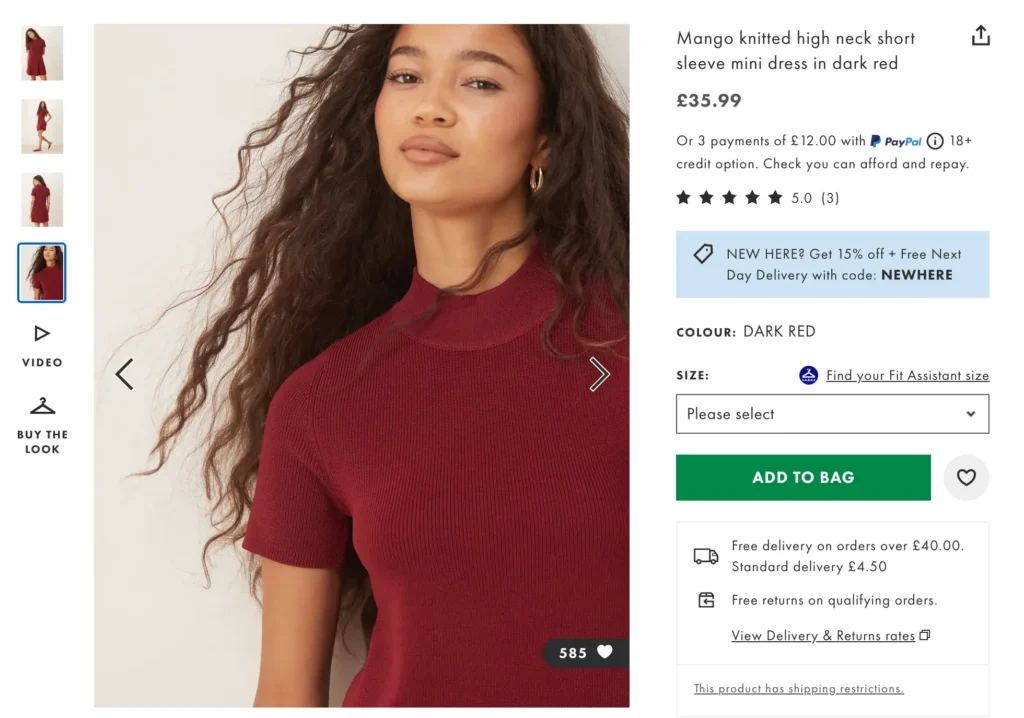
- Macro Shots: Highlighting textures, fabrics, or build quality.
- Contextual Sizing: Showing the product next to a common object or on a model to establish scale.
- Instructional Content: Demonstrating how the product is used or applied.
- Results-Oriented Visuals: Showing "before and after" states or specific outcomes.
4. Category-Specific Depth
The "depth" of a carousel—the number and type of images—should correlate with the complexity of the product. Wearables and high-ticket items generally require more angles and videos to establish trust regarding fit and quality. Conversely, consumables often benefit from a leaner carousel that focuses on ingredients, certifications, and usage results rather than repetitive shots of packaging.
5. Trust and Authority Integration
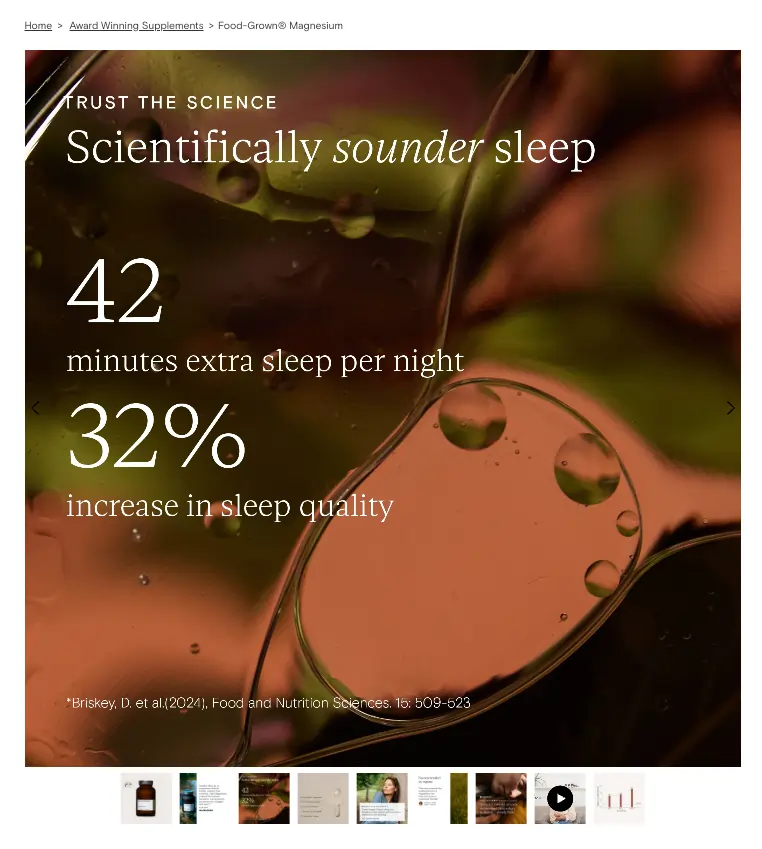
Incorporating scientific backing, expert endorsements, or third-party certifications directly into the carousel can significantly reduce the "trust gap." Brands like Wild Nutrition have successfully integrated credible imagery that highlights the science behind their formulations, providing a visual shorthand for quality that many users find more digestible than long-form text.
6. Short-Form Video Implementation
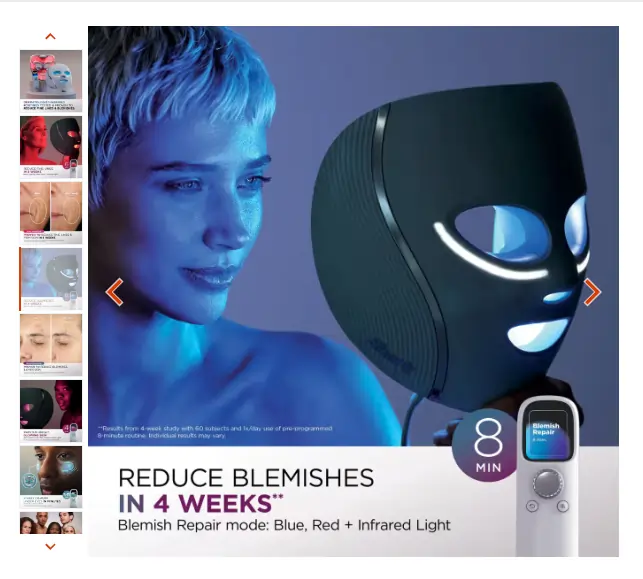
The integration of video within the carousel sequence has become a standard for top-tier retailers. Data indicates that videos between 15 and 30 seconds are most effective at maintaining engagement. These assets should ideally be muted by default, feature captions for accessibility, and be hosted on high-speed content delivery networks (CDNs) to prevent page-load delays. Brands like Charlotte Tilbury utilize video to demonstrate product application, which provides a level of clarity that static images cannot match.
7. Variety Over Repetition
One of the most common mistakes identified by CRO specialists is the "copy-paste" error, where a brand provides multiple shots of the same product from nearly identical angles. This creates a "dead zone" in the carousel where the user stops gaining new information. Replacing redundant shots with user-generated content (UGC), lifestyle imagery, or benefit-driven infographics has been shown to improve engagement metrics and reduce bounce rates.

Technical Methodologies for Shopify Testing
For merchants using platforms like Shopify, testing carousel variations presents unique technical challenges because media assets are often tied directly to product IDs. There are three primary methodologies used by growth teams to validate carousel changes:
JavaScript-Based Image Swapping: This is considered the gold standard for clean A/B testing. Using a testing tool, developers can write scripts that swap the order of images or replace specific assets for a subset of the audience. This allows for a direct comparison of Version A versus Version B without altering the underlying product data.

Sequential Testing: For smaller brands without the technical resources for JavaScript manipulation, sequential testing involves running one version for a set period (e.g., two weeks) and then switching to another. While less scientifically rigorous due to external variables like seasonal traffic fluctuations or marketing spend changes, it remains a practical "pre-post" analysis tool.
The Pitfalls of Product Duplication: Some brands attempt to test by creating a duplicate product with different images. Industry analysts strongly advise against this, as it splits SEO authority, creates inventory management complexities, and can confuse returning customers who may see two different listings for the same item.
The Integration of Generative AI in Visual Asset Creation
A significant barrier to carousel optimization has historically been the cost and time associated with professional photography. However, the emergence of generative artificial intelligence (AI) has democratized the creation of high-quality lifestyle assets. Brands are increasingly using AI tools to transform simple studio shots into diverse lifestyle scenes.
Tools such as Canva’s Magic Studio, Midjourney, and specialized platforms like Nano Banana allow founders to generate variations of their products in different environments or on different models without the need for a physical photoshoot. This "AI-augmented" workflow enables rapid experimentation. For example, a brand can test whether a sleep mask converts better when shown in a luxury bedroom setting versus a travel context, all using the same base product image.
Caution remains necessary when using AI. Experts warn that "prompt drift"—where the AI begins to alter the actual appearance or dimensions of the product—can lead to customer dissatisfaction and increased return rates if the physical product does not match the AI-generated representation.
Analytical Framework: Measuring Success
When evaluating the impact of carousel optimizations, growth teams look beyond simple click-through rates. The primary KPIs include:

- Add-to-Cart Rate: The most direct indicator of whether the visual information successfully persuaded the user.
- PDP Conversion Rate: The percentage of visitors to the product page who complete a purchase.
- Average Order Value (AOV): Often improved by carousels that effectively showcase bundles or premium features.
Supporting metrics, such as "image swipe depth" and "time spent on page," provide qualitative insights into how users are consuming the content. Heatmaps and session recordings are frequently used to identify where users "drop off" in the carousel sequence, highlighting specific images that may be confusing or unappealing.
Broader Impact and the Future of Visual Commerce
The optimization of the PDP carousel is not merely a tactical adjustment but a response to the shifting landscape of digital retail. As social commerce platforms like Instagram and TikTok continue to blur the lines between entertainment and shopping, consumer expectations for high-fidelity, informative visuals are at an all-time high.

Looking forward, the industry anticipates the rise of "shoppable AR" (augmented reality) within the carousel, allowing users to virtually place products in their homes or try on apparel directly from the image sequence. Furthermore, AI-driven personalization may soon allow carousels to dynamically reorder images based on a user’s previous browsing history—showing a technical athlete more performance-based macro shots, while showing a lifestyle-focused shopper more environmental imagery.
In conclusion, the product carousel is a high-leverage element that serves as a bridge between consumer curiosity and commercial commitment. By moving away from static, repetitive galleries and toward a strategic, tested, and AI-enhanced visual narrative, e-commerce brands can significantly improve their clarity, build deeper trust, and ultimately drive superior performance in an increasingly competitive digital marketplace.