rifanmuazin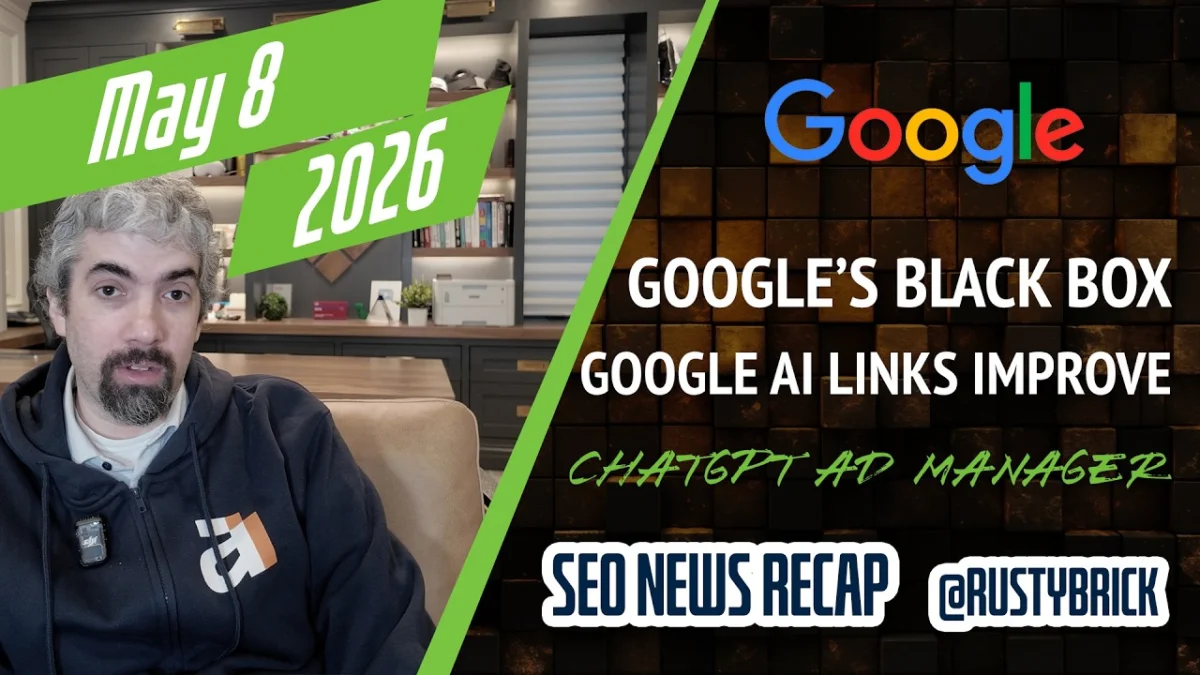
The digital landscape witnessed a week of significant shifts and strategic announcements across major search engines and advertising platforms, underscoring an accelerating trend towards AI integration, enhanced user experience, and heightened security measures. From Google’s ongoing battle with algorithmic volatility and the complexities of its "black box" AI systems to the quiet departure of a nearly 30-year search veteran, Ask.com, the industry continues to evolve at a rapid pace. Key developments include Google’s efforts to improve AI transparency and user trust through better linking within AI Overviews, the expansion of its Unified Checkout Platform (UCP), and critical updates across its advertising suite. Meanwhile, OpenAI formally entered the ad management arena, and Bing reiterated its commitment to human users and advanced indexing.
Navigating Google’s AI Frontier: Transparency, Integration, and Commerce
Google, a titan in the AI and search space, revealed its ongoing struggle with the inherent opacity of its advanced AI systems, often referred to as "black boxes." This week, the company acknowledged the difficulty in debugging and understanding the intricate decision-making processes of these complex algorithms, emphasizing efforts to isolate components to enhance interpretability and control. This admission highlights a broader industry challenge where the sophistication of AI models, particularly large language models (LLMs) powering generative AI features, often outpaces human ability to fully comprehend their internal workings. The implications of such opacity are significant, ranging from difficulties in identifying and correcting biases to ensuring fairness and accountability in search results and automated decision-making. Google’s commitment to isolating these systems suggests a strategic pivot towards modular AI architectures, potentially involving more transparent sub-models or advanced interpretability tools to demystify algorithmic outputs. This aligns with a global push for responsible AI development, where regulators and users alike demand greater insight into how AI impacts their digital experiences.
Enhancing User Experience: Links in AI Overviews and Unified Checkout
In a move aimed at bolstering user trust and supporting the broader web ecosystem, Google announced improvements to how it integrates links within its AI Mode and AI Overviews. This development directly addresses earlier criticisms regarding the lack of clear attribution and traffic referral from AI-generated summaries, which some publishers feared would diminish organic traffic to their sites. By enhancing the prominence and utility of links, Google is signaling a commitment to maintaining a symbiotic relationship with content creators, ensuring that AI-powered summaries serve as discovery tools rather than content replacement. This iterative refinement of AI Overviews reflects a continuous feedback loop from the user and publisher community, demonstrating Google’s agility in adapting its generative AI offerings to meet evolving expectations for transparency and utility. The inclusion of more robust linking mechanisms is crucial for sustaining the diverse web content ecosystem that AI models rely upon for training and real-time information.
Concurrently, Google is expanding its Unified Checkout Platform (UCP) to the main search results, a strategic initiative that deepens its footprint in e-commerce. UCP, which streamlines the purchasing process by allowing users to complete transactions directly within Google’s ecosystem, has been a cornerstone of its shopping experience. Its expansion beyond dedicated shopping interfaces to core search results signifies Google’s ambition to become an even more integral part of the consumer buying journey, from discovery to purchase. This move aims to reduce friction for users, potentially increasing conversion rates for merchants who leverage Google’s platforms. For businesses, it represents an opportunity to tap into a vast user base with a more seamless path to conversion, though it also raises questions about Google’s growing control over the e-commerce funnel and the data generated therein. The UCP expansion is a clear indication of Google’s long-term vision to integrate commerce more deeply into its search offerings, mirroring similar efforts by other tech giants to create comprehensive digital ecosystems.
Algorithmic Shifts and Policy Adjustments in Google Search
The search engine landscape remained dynamic, with Google reporting another period of "heated" and "big" ranking volatility. This ongoing fluctuation in search engine results pages (SERPs) is a recurring challenge for SEO professionals and website owners, often following major algorithm updates or continuous, subtle adjustments to Google’s ranking signals. Such volatility can significantly impact organic traffic, visibility, and ultimately, the revenue of businesses reliant on search engine discovery. The consistent nature of these ranking shifts underscores Google’s relentless pursuit of delivering the most relevant and high-quality results, often through complex machine learning models that are constantly learning and adapting. Webmasters are advised to focus on fundamental SEO best practices, quality content, and robust technical foundations rather than chasing ephemeral algorithmic changes, as stability often returns after periods of flux.
Addressing Data Gaps: Search Console’s 50-Week Reporting Fix
In a welcome development for webmasters, Google Search Console "kind of fixed" its persistent 50-week data reporting bug. This issue had hampered the ability of site administrators to conduct comprehensive historical analysis of their website’s performance in search, a critical function for identifying trends, measuring the impact of SEO strategies, and troubleshooting issues. Search Console serves as a vital diagnostic tool, providing invaluable insights into indexing status, crawl errors, search queries, and backlink profiles. While the phrasing "kind of fixed" suggests that the resolution might not be absolute or fully comprehensive, any improvement to data integrity and historical reporting capabilities is significant. Reliable data is the bedrock of effective SEO and website management, enabling data-driven decisions that contribute to long-term organic growth.
Site Reputation Abuse Policy Under Scrutiny for EU News Sites
Google’s recently introduced Site Reputation Abuse policy, designed to combat "parasitic SEO" tactics where third-party content is published on reputable sites to gain ranking advantage, is reportedly facing scrutiny, potentially leading to adjustments for EU news sites. The policy, which came into effect earlier this year, aims to penalize websites that host low-value, third-party content solely for ranking purposes, without significant editorial oversight or value to users. However, the application of such a policy to news organizations, particularly within the European Union, raises complex questions about journalistic practices, content syndication, and the role of news aggregators. EU regulations, such as the Digital Markets Act and various copyright directives, place specific emphasis on the rights of news publishers and the dissemination of journalistic content. It is plausible that discussions with EU regulators or news industry bodies have highlighted potential conflicts, necessitating a more nuanced approach for journalistic content that, while technically third-party, serves a legitimate informational purpose and adheres to editorial standards. This potential adjustment reflects the ongoing tension between platform governance and media freedom, especially in highly regulated markets like the EU.
Evolution in Advertising: Google Ads and OpenAI’s Entry
The digital advertising sector continued its rapid evolution, with Google Ads rolling out several significant updates aimed at enhancing automation, security, and efficiency for advertisers. These changes reflect a broader industry trend towards leveraging artificial intelligence for campaign optimization and strengthening cybersecurity protocols in an increasingly complex digital environment.
Google Ads: Smart Bidding, Passkeys, and AI-Powered Efficiency
Google Ads announced the expansion of smart bidding exploration and budgeting pacing capabilities to Shopping campaigns. Smart bidding, an AI-powered feature, automatically optimizes bids in real-time to achieve advertisers’ performance goals, such as maximizing conversions or return on ad spend (ROAS). Extending these sophisticated optimization tools to Shopping campaigns provides e-commerce advertisers with more powerful mechanisms to improve their campaign performance, streamline management, and allocate budgets more effectively. This move underscores Google’s commitment to automation as a core strategy for its advertising platforms, aiming to deliver better results with less manual intervention.
In a push for enhanced security, Google Ads will now require passkeys for certain sensitive actions. Passkeys represent a significant advancement over traditional passwords, offering a more secure and user-friendly authentication method based on cryptographic keys. This requirement for critical account actions, such as modifying billing information or adjusting high-value campaign settings, aims to mitigate the risk of account compromise and fraud, which can have severe financial implications for advertisers. The adoption of passkeys aligns with a broader industry shift towards passwordless authentication, offering improved protection against phishing and other credential-based attacks.
Furthermore, Google Ads introduced a new "use AI to add products" feature, designed to simplify and accelerate the process of populating product catalogs for advertisers. This AI-driven tool can potentially analyze product feeds, website content, or other available data to automatically generate product listings, descriptions, and categories, significantly reducing the manual effort involved in setting up and managing Shopping campaigns. This innovation is particularly beneficial for businesses with large and frequently updated product inventories, enabling them to bring products to market faster and more efficiently.
Advertisers also gained more granular control over AI-generated content with the move of AI Max content and title exclusions to the account level. Previously, these exclusions might have been managed at a campaign or ad group level, making it cumbersome to apply consistent brand safety or content guidelines across an entire advertising presence. Account-level exclusions provide a centralized control point, allowing advertisers to more effectively prevent their ads from appearing alongside or being generated with undesirable content or titles across all their campaigns, crucial for maintaining brand integrity and compliance.
Google Ads also updated its data retention policy, a development with implications for how advertisers access and analyze historical campaign data. These policy updates are often driven by evolving privacy regulations (such as GDPR and CCPA) and internal data management strategies. Advertisers will need to review these changes to understand how long their campaign data will be available for reporting and analysis, potentially necessitating adjustments to their data warehousing or reporting workflows to ensure continuity of insights.
Finally, Google Ads announced that call recording will be "on by default" for certain campaign types, particularly those focused on driving phone leads. This feature allows businesses to record incoming calls generated from their ads, providing valuable data for lead qualification, sales training, and performance analysis. While offering significant benefits in terms of business insights and quality control, the default-on setting for call recording necessitates careful consideration of privacy regulations and clear disclosure requirements to callers, ensuring compliance with local laws and maintaining consumer trust.
OpenAI Launches ChatGPT Ad Manager: A New Player in Digital Advertising
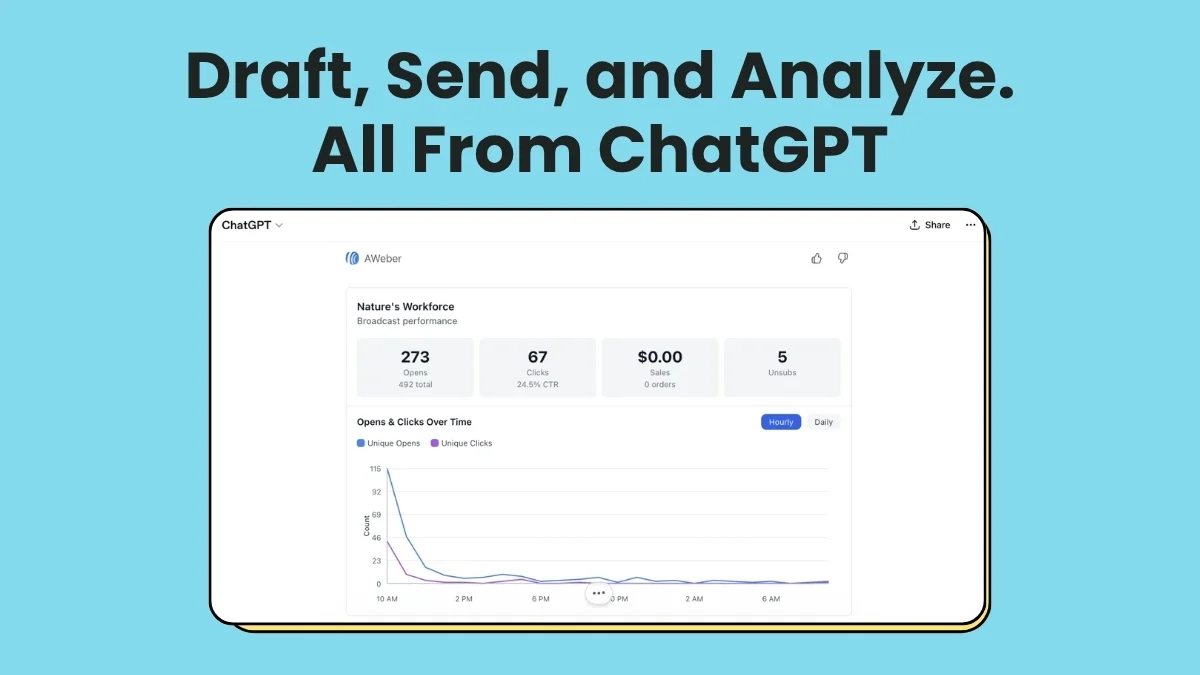
OpenAI, the creator of ChatGPT, officially launched its ChatGPT Ad Manager tool, signaling a significant expansion into the digital advertising ecosystem. This move positions OpenAI as a direct competitor or partner to established ad platforms, leveraging its powerful generative AI capabilities to offer new solutions for advertisers. The ChatGPT Ad Manager likely enables businesses to create, manage, and optimize advertising campaigns within the ChatGPT environment or through AI-powered tools that assist in ad copy generation, audience targeting, and performance analysis. This launch underscores OpenAI’s strategy to monetize its AI models beyond subscription services and API access, tapping into the lucrative digital advertising market.
Initial reports on ChatGPT Ads click-through rates (CTRs) indicate that they "aren’t that bad," a noteworthy observation for a nascent advertising platform. For any new ad offering, establishing competitive performance metrics is crucial for attracting advertisers and scaling the platform. A respectable CTR suggests that ads delivered through ChatGPT are resonating with users, potentially due to the contextual relevance of AI-generated content or the novelty of the ad format. As OpenAI refines its ad delivery mechanisms and targeting capabilities, these initial performance indicators could pave the way for broader adoption and increased investment from advertisers looking for innovative ways to reach audiences within AI-powered interfaces. This development marks a new frontier in advertising, where AI not only generates content but also facilitates its monetization.
Strengthening Local Business Presence and Battling Bots
The integrity and functionality of local business listings and the broader digital ecosystem are under constant threat from misuse and automation. Google and Bing are taking steps to enhance the reliability of their platforms.
Google Business Profiles: User Restrictions Lead to Suspension Spikes
Google Business Profiles (GBP) experienced a spike in suspensions attributed to "user restrictions." GBP is a critical tool for local businesses to manage their online presence, including listings on Google Maps and Search. Suspensions can arise from a variety of policy violations, such as false information, spammy practices, keyword stuffing, or attempts to manipulate reviews. "User restrictions" specifically might refer to automated or manual actions taken against profiles that exhibit suspicious user behavior, such as a sudden influx of unverified reviews, attempts to claim or modify profiles without authorization, or other activities designed to unfairly influence local rankings. These enforcement actions, while disruptive for affected businesses, are essential for Google to maintain the accuracy and trustworthiness of its local business data, ensuring a fair playing field for legitimate businesses and a reliable experience for consumers seeking local services.
Bing Places for Business Embraces Mobile Friendliness
In a long-overdue but welcome update, Bing Places for Business is now finally mobile-friendly. Bing Places is Bing’s equivalent of Google Business Profiles, allowing businesses to manage their local listings on the Bing search engine and Maps. In an era dominated by mobile internet usage, a mobile-friendly interface for managing critical business information is no longer a luxury but a necessity. This update streamlines the process for business owners to update hours, photos, contact details, and other essential information from their smartphones or tablets, improving efficiency and ensuring their listings are always current. The lack of mobile responsiveness had been a significant usability hurdle, and its resolution brings Bing Places up to modern standards, making it more accessible and useful for the millions of businesses listed on the platform.
New Defenses: Google’s Web Bot Auth and Bing’s Human User Assurance
The pervasive challenge of distinguishing legitimate human users from automated bots continues to plague the internet, impacting everything from ad fraud to data analytics. Google is introducing a new method to authenticate bots, named Web Bot Auth. This system is designed to provide a more robust and efficient way to verify the identity and intent of automated traffic, moving beyond traditional CAPTCHAs or IP-based blacklisting. By leveraging advanced signals and potentially machine learning, Web Bot Auth aims to reduce spam, enhance security, and improve the quality of data collected by websites and advertising platforms. This is crucial for maintaining the integrity of search results, protecting user data, and ensuring that advertising budgets are spent on reaching genuine human audiences.
Concurrently, Bing emphasized that its 1 billion monthly active users are predominantly humans, not bots. This statement serves to bolster confidence in Bing’s user base, which is vital for advertisers seeking to reach authentic audiences and for developers building services atop Bing’s platforms. In an ecosystem where bot traffic can inflate metrics and dilute engagement, Bing’s assertion highlights its commitment to a high-quality user environment. This focus on human users is a key differentiator in the competitive search market, where the accuracy of user statistics directly translates into the perceived value of an audience for monetization and partnership opportunities.
Market Dynamics: Ask.com’s Exit and Bing’s Indexing Innovation
The week also saw a notable shift in the historical landscape of search engines, alongside advancements in how search engines process and understand information.
A Search Engine Era Ends: Ask.com Shuts Down After Three Decades
After nearly 30 years in operation, Ask.com has officially shut down its search engine. Launched in 1996 as Ask Jeeves, the platform was initially known for its natural language question-answering capabilities, a pioneering feature in the early days of the internet. For a time, it was a significant player, offering an alternative to the keyword-centric search engines of its era. However, with the rise of Google and its superior algorithmic capabilities, Ask.com’s market share steadily dwindled. Despite various rebranding efforts and technological updates over the decades, it struggled to regain its competitive edge against the dominant players like Google and, later, Bing.
The closure marks the end of an era for one of the internet’s original search engines, symbolizing the immense challenges of competing in a market now largely monopolized by a few giants. While the search engine component has ceased operations, the Ask.com domain may continue to exist as a platform for other services, such as its popular Q&A community or content portal, which have evolved beyond traditional web search. The departure of Ask.com serves as a stark reminder of the relentless innovation and fierce competition that characterize the search industry, where only the most adaptable and technologically advanced platforms can endure.
Bing’s Dual Indexing Strategy: Search vs. Grounding
Bing articulated its advanced indexing strategy, differentiating between "search indexing" and "grounding indexing." Traditional "search indexing" involves cataloging web pages and their content to make them retrievable for keyword-based queries. This is the foundational process upon which all search engines are built. "Grounding indexing," however, represents a more sophisticated approach, particularly relevant in the era of generative AI. Grounding involves ensuring that AI-generated responses and summaries are factually accurate, contextually relevant, and properly attributed to reliable sources. It’s about anchoring AI outputs to verified, real-world information rather than allowing them to "hallucinate" or generate incorrect data.
Bing’s emphasis on grounding indexing highlights its strategic investment in integrating AI responsibly and effectively into its search experience, particularly through features like its AI chatbot. By developing robust grounding mechanisms, Bing aims to deliver more trustworthy and authoritative AI-powered search results, reducing the risk of misinformation and enhancing user confidence. This dual indexing strategy reflects the evolving demands on search engines, which must now not only retrieve information but also synthesize and present it intelligently and reliably through AI interfaces.
Conclusion
This past week has reinforced the dynamic and rapidly evolving nature of the search and digital advertising industries. Google’s ongoing commitment to refining its AI systems, even acknowledging their "black box" nature, alongside its strategic expansions in e-commerce and advertising, illustrates a continuous drive for innovation and market leadership. The enhancements in AI Overviews, the expansion of UCP checkout, and the suite of Google Ads updates collectively point towards a future where AI-driven automation and enhanced user experiences are paramount. OpenAI’s formal entry into ad management further signals a new frontier in digital advertising, where AI is not just a tool but a platform. Bing’s focus on human users and its sophisticated dual-indexing strategy underscore its efforts to carve out a distinct identity in the shadow of Google. Finally, the closure of Ask.com’s search engine serves as a poignant reminder of the relentless competition and the imperative for constant adaptation in this high-stakes digital arena. As AI continues to permeate every facet of online interaction, the coming months are sure to bring further transformative changes across search, advertising, and beyond.