rifanmuazin
A recent survey of local SEO experts has shed new light on the critical, and often misunderstood, role of online business citations in local search engine optimization (SEO) and the burgeoning field of AI-powered search. For many small businesses, the process of acquiring and managing these digital mentions remains a complex and opaque area, leading to confusion about their true impact and how best to leverage them. With thousands of local citations built over several years, industry professionals observe a widespread lack of understanding among small business owners regarding the intricacies of citation management and its profound influence on their online visibility.
The complexities surrounding citations range from the fundamental definition of what constitutes a citation to the strategic decision of whether to manage this crucial aspect of digital marketing in-house or to outsource it to specialized agencies. This article aims to demystify local citations, provide actionable insights for businesses looking to enhance their online presence, and offer guidance on navigating the evolving landscape of local search and AI-driven discovery.
What Constitutes a Local Citation?

At its core, a local citation is any online mention of a business. In the context of local SEO, this typically refers to a structured listing on an external website that includes key business identifiers: the business name, address, and phone number (often abbreviated as NAP). These listings are commonly found on directory-style websites, serving as digital signposts for consumers and search engines alike. They can manifest in various forms, including:
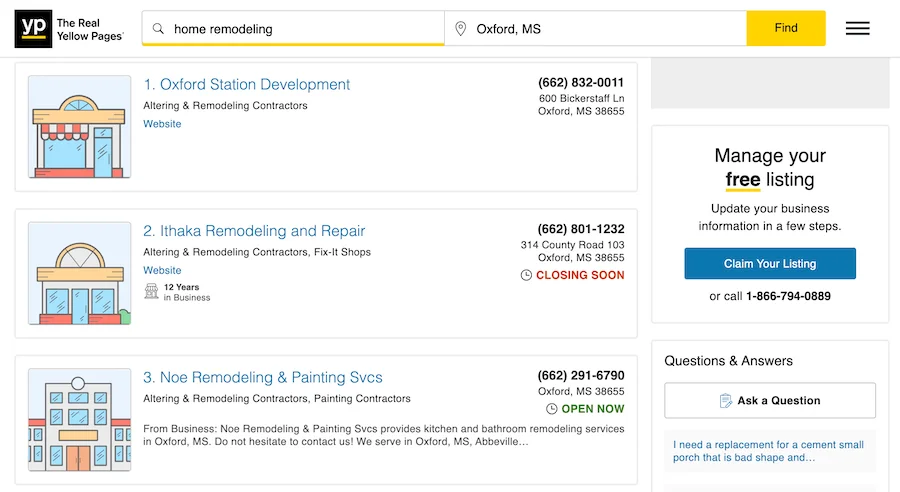
- General Directories: Broad platforms like Yelp, Yellow Pages, and Google Business Profile, where businesses of all types are listed.
- Industry-Specific Directories: Listings tailored to particular sectors, such as construction, healthcare, legal services, or hospitality. Examples include Houzz for home improvement, Healthgrades for medical professionals, and TripAdvisor for travel and hospitality.
- Local Directories: Platforms focused on specific geographic areas, such as city or county chambers of commerce, local business associations, and community portals.
- Data Aggregators: Services that collect, verify, and distribute business information to a vast network of downstream directories, apps, and mapping services. Major aggregators include Data Axle (Infogroup), Neustar Localeze, and Foursquare. While not direct citations in themselves, they play a crucial role in syndicating business information across the digital ecosystem.
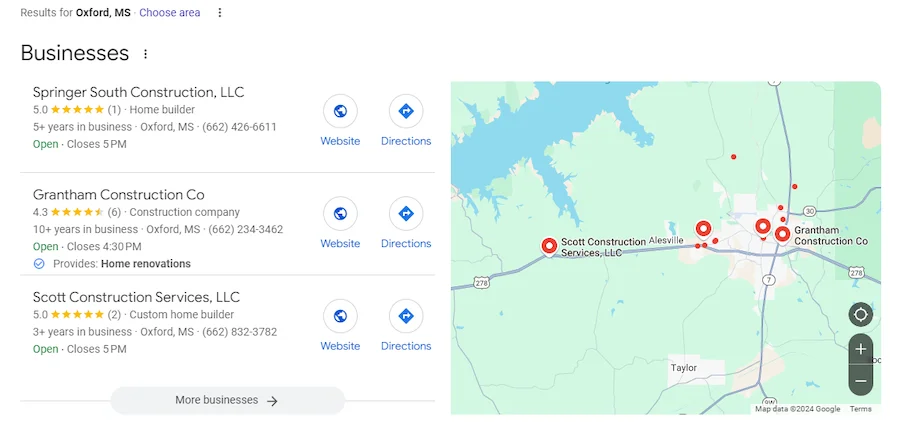
Consider a hypothetical home remodeling business operating in Oxford, Mississippi. To establish a robust online presence, this business would aim to be listed on general directories like the Yellow Pages. Beyond that, securing a spot on the Oxford Chamber of Commerce directory or a state-specific business registry would bolster its local credibility. Furthermore, finding directories dedicated to construction or resources for homeowners, such as ContractorHub, would provide highly relevant mentions that signal specialization to search engines.
The Financial Landscape of Citation Building
The market for local citation services is diverse, offering a wide spectrum of pricing and quality. A deep dive into over 50 local citation providers reveals a broad cost range. The cheapest options can dip as low as $0.13 per citation, while median pricing hovers around $1.33. At the higher end, specialized services can reach $4.73 per citation, excluding costs associated with data cleanup.
A key observation is the significant volume discount. The cost per citation drops sharply as package sizes increase. However, the lowest per-citation price doesn’t always equate to the best value. Manual services offering 50-100 citations often represent a sweet spot, with quality verification and pricing between $1 and $2 per citation. Budget freelance options may fall below $0.50 per citation but often lack crucial NAP auditing and quality checks. Software-as-a-Service (SaaS) tools typically charge more per listing but provide ongoing management and synchronization capabilities.
When evaluating the cost, businesses must consider several factors:
- Service Type: Whether the service focuses on building new citations, cleaning up existing ones, or both.
- Volume: The number of citations to be built.
- Quality: The authority and relevance of the directories where citations are placed, as well as the accuracy of the NAP information.
- Turnaround Time: How quickly the citations are expected to be live and indexed.
- Ongoing Management: Whether the service includes continuous monitoring and updates, or if it’s a one-time build.
Furthermore, the distinction between "owning" and "renting" citations is crucial. Manual and freelance citations are typically one-time purchases that remain with the business indefinitely. In contrast, SaaS listings are often subscription-based; canceling the service can lead to the disappearance of these listings, impacting the long-term value proposition.
Citations vs. Links: A Critical Distinction

A common point of confusion is the relationship between local citations and backlinks. While many local citations do include links back to a business’s website, the primary objective of citation building is not solely to acquire links. The core purpose is to ensure a business is listed on reputable directories where potential customers are likely to search. These listings act as signals to search engines, indicating that a business is legitimate, noteworthy, and geographically relevant. While building citations often results in an increased number of backlinks, this is a beneficial byproduct rather than the primary driver.
NAP Consistency: The Bedrock of Local Trust
NAP consistency refers to the uniformity of a business’s Name, Address, and Phone number across all its online listings. Inconsistencies, such as variations in abbreviations (e.g., "Street" vs. "St."), incorrect suite numbers, or outdated phone numbers, can significantly harm local search rankings. Search engines interpret these discrepancies as signals of unreliability, potentially leading to a demotion in search results. While building new citations is distinct from correcting existing ones, many citation services offer comprehensive solutions that include "cleaning up" existing listings, claiming unclaimed profiles, and updating outdated information to ensure NAP consistency.
Structured vs. Unstructured Citations

Citations are often categorized as either "structured" or "unstructured." Structured citations are those found on directory-style websites with uniform fields for business information, ensuring a consistent format. Unstructured citations, conversely, appear outside of formal business profiles, often within articles, blog posts, or news mentions. These can include a business being listed in a "best of" compilation or an employee being quoted in an industry publication. Both types contribute to a business’s online presence, but structured citations are generally considered more foundational for local SEO.
The Tangible Value of Local Citations
The impact of local citations on search engine rankings is a subject of ongoing discussion and research. While some case studies demonstrate a direct correlation between citation building and improved organic search rankings, the effect on Google Maps rankings can vary. A notable case study indicated that an increase in citations boosted organic rankings for a specific landing page, though it did not directly influence Maps rankings. However, other observations suggest a more direct impact on map visibility.
Industry experts emphasize that the value of citations lies in several key areas:

- Search Engine Trust: Consistent and accurate citations signal trustworthiness and legitimacy to search engines like Google.
- Local Visibility: Citations help search engines understand a business’s location and services, improving its chances of appearing in local search results.
- Brand Authority: A strong presence across reputable directories enhances a business’s perceived authority and credibility.
- Discovery and Traffic: Citations provide direct pathways for potential customers to find and engage with a business.
Ultimately, the effectiveness of citation building can be measured by tracking key performance indicators such as search result rankings, overall online visibility, and lead generation across Google Maps, organic search, and emerging AI search interfaces. By isolating citation-building activities and monitoring associated leads and sales, businesses can calculate their return on investment.
How Many Local Citations Are Enough?
The optimal number of local citations varies significantly based on industry competition and geographic location. For businesses in less competitive markets or niche industries, a foundational set of 50-100 high-quality citations might suffice. In more saturated markets, businesses may need to aim for 200-500 citations or even more to remain competitive. The focus should always be on quality and relevance rather than sheer quantity.
DIY Citation Building: A Practical Guide
Building local citations can be a time-consuming but manageable process for small businesses. The first step involves gathering essential information to ensure consistency across all listings:
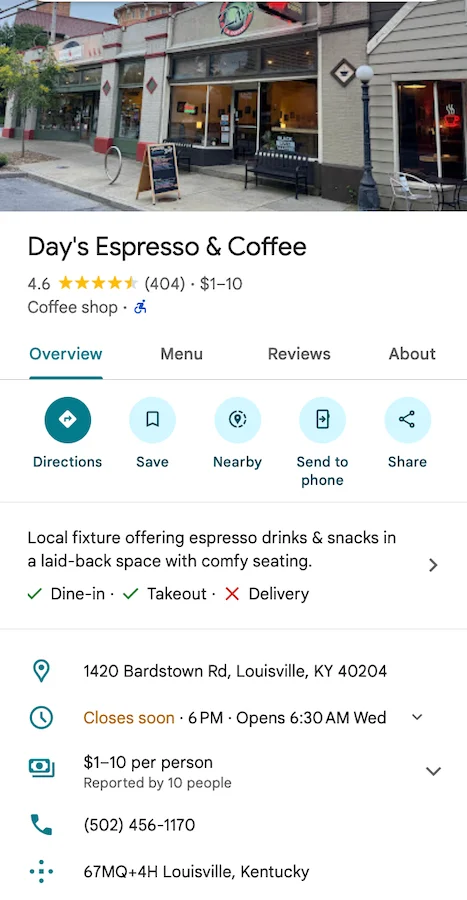
- Accurate Business Name: The official legal name of the business.
- Precise Business Address: Including suite or apartment numbers.
- Consistent Phone Number: The primary business contact number.
- Website URL: The business’s official website address.
- Business Category: The primary industry classification.
- Business Description: A concise and compelling overview of services.
Maintaining a spreadsheet to track all submitted information, including any alternate phone numbers or optional fields encountered during the process, is highly recommended. Access to the email address used for submissions and the phone number provided for verification is also crucial.
Finding Citation Opportunities
A strategic approach to finding citation opportunities involves several steps:
-
Target Top Citation Sites: Begin by ensuring listings are secured on the most critical platforms. These include essential sites like Google Business Profile, Apple Maps Connect, Bing Places for Business, Facebook Business Page, and Yelp. Beyond these, leveraging curated lists of top citation sources from industry authorities like WhiteSpark and BrightLocal can help identify dozens of additional opportunities.
-
Submit to Data Aggregators: Engaging with major data aggregators is a highly efficient method for widespread citation distribution. Submitting information to services like Data Axle, Neustar Localeze, and Foursquare can result in hundreds of citations being generated automatically across various downstream directories over time.
-
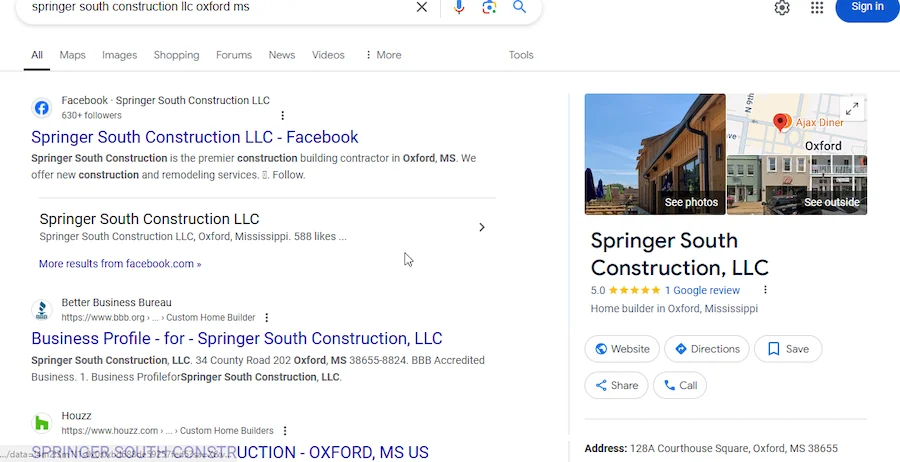
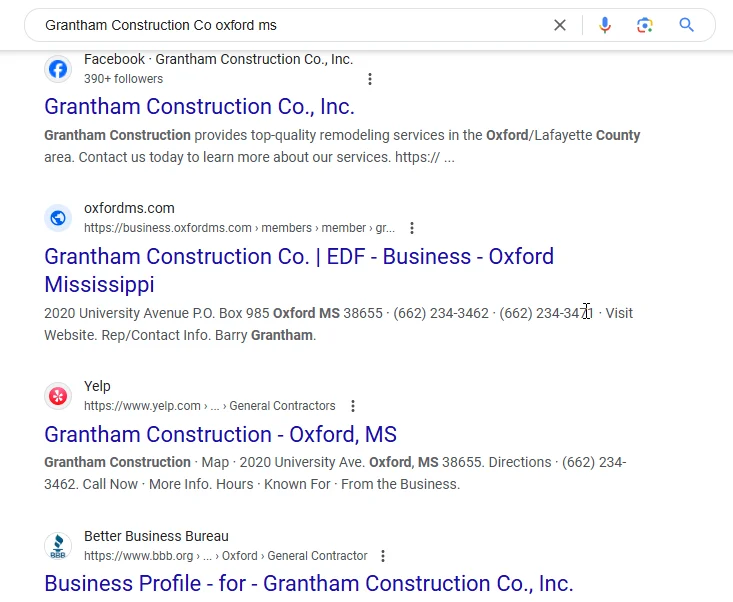
Analyze Competitor Citations: Understanding where competitors are listed provides invaluable insights. By examining the search results for local businesses that rank well, one can identify common citation sources. Tools like Google’s site operator (e.g.,
site:competitorwebsite.com) can reveal a broader range of mentions, including those that might not be immediately apparent. This analysis helps prioritize high-impact directories and uncover unique opportunities. -
Utilize SEO Tools: Paid SEO tools such as Ahrefs, Semrush, BrightLocal, and WhiteSpark offer advanced features for backlink analysis and citation discovery. These platforms can help identify competitor citations and provide comprehensive lists of relevant directories.
Ensuring Citations Are Indexed
For citations to have any SEO value, they must be indexed by search engines like Google. Manually checking if a specific citation is indexed can be done by performing a Google search using the format site:directory.com/your-business-listing. If the listing appears, it is indexed. For bulk checks, specialized tools like URL Profiler or IndexCheckr.com can be employed.
If citations are not indexing, several methods can help:
- Link Building: Creating backlinks to the citation page can signal its importance to search engines.
- Social Signals: Sharing the citation on social media platforms can draw attention and encourage indexing.
- Indexing Services: Paid indexing services can expedite the process, though it’s important to be aware of potential risks, such as overuse leading to spam flags or the possibility of citations being removed if the service is discontinued.
The Strategic Decision: DIY or Outsource?
The decision of whether to build citations in-house or outsource this task depends on several factors:
- Budget: The financial resources available for marketing efforts.
- Time Availability: The amount of time the business owner or staff can dedicate to citation management.
- Expertise: The level of understanding and experience with SEO best practices.
- Competitive Landscape: The intensity of competition in the local market.
Given that citation building is time-intensive, can significantly impact local SEO, and is often a relatively low-cost service compared to other marketing activities, outsourcing is frequently the most practical choice for small businesses. If opting to outsource, it is crucial to ensure the chosen agency or contractor provides:
- NAP Auditing and Cleanup: A thorough review and correction of existing listings.
- Quality Directory Submissions: Placement on reputable and relevant directories.
- Duplicate Listing Removal: Identification and elimination of redundant or inaccurate listings.
- Reporting and Transparency: Clear documentation of all work performed.
Free Tools to Aid Citation Building
To assist businesses in their citation endeavors, several free resources are available. An interactive citation coverage calculator can help track progress and identify priority gaps, highlighting essential platforms that may be missing. A searchable and filterable citation directory allows businesses to drill down and find important citations by category. Furthermore, an interactive guide on citation tiers, NAP consistency, and ranking factors provides valuable insights into the relative impact of different citation sources and their place within the broader local SEO ecosystem. This includes a tiered approach to citation platforms, categorizing them from essential to niche, and outlining their significance in local search algorithms.

Conclusion: A Foundational Element for Local Success
In the dynamic digital landscape, local citations remain a cornerstone of effective local SEO and a vital component for visibility in an increasingly AI-driven search environment. While the process can appear daunting, a clear understanding of what constitutes a citation, its impact on rankings, and the available strategies for acquisition empowers businesses to make informed decisions. Whether choosing a DIY approach or partnering with an expert, prioritizing accurate, consistent, and relevant citations is an investment that pays dividends in enhanced online visibility, increased customer engagement, and sustainable business growth.