rifanmuazin
In the ever-evolving landscape of digital marketing, the ability to effectively capture audience interest and build a robust email list remains a cornerstone of sustainable business growth. While the concept of offering free incentives – known as lead magnets – to compel website visitors to subscribe is not new, the strategy for creating genuinely high-converting assets has undergone a significant transformation. Modern approaches emphasize precision, brevity, and immediate value delivery over the voluminous, time-consuming offerings that once dominated the space.

Leading industry strategists advocate for a focused methodology: identifying one specific, pressing problem faced by the target audience and providing a complete, actionable solution to that singular challenge. This targeted approach contrasts sharply with the traditional inclination to offer comprehensive, multi-topic resources like 10-page ebooks or 5-day courses, which, while seemingly generous, often overwhelm creators and consumers alike. The objective is not merely to collect an email address, but to initiate a relationship built on trust and demonstrated expertise, laying the groundwork for future customer conversions.
The Evolving Landscape of Digital Engagement
The digital sphere is increasingly crowded, with businesses constantly vying for attention. Email marketing continues to prove its unparalleled efficacy, consistently delivering one of the highest returns on investment among marketing channels. Industry reports frequently cite figures suggesting an average ROI of $36-$42 for every dollar spent on email marketing, making list building an indispensable activity for companies across all sectors. However, prospects are savvier than ever, and their inboxes are often overflowing. Generic or overly complex lead magnets are increasingly overlooked, making the strategic development of these incentives more critical than ever. The shift towards solving a specific problem in a single day reflects an understanding of both the creator’s time constraints and the consumer’s desire for instant gratification and clear, actionable takeaways.
Precision in Prospecting: Identifying Core Audience Problems
The foundational step in crafting a high-converting lead magnet is a deep understanding of the target audience’s pain points. Subscribers join an email list not for the sake of another email, but in pursuit of a solution to a problem they are currently experiencing. Therefore, the lead magnet must directly address a significant challenge. Guesswork is insufficient; robust audience research is paramount.
Several accessible and effective methods exist for uncovering these critical pain points:
- Audience Surveys: For businesses with an existing email list or customer base, direct surveys are invaluable. Tools like SurveyMonkey, Google Forms, or Typeform allow for the creation of targeted questionnaires asking about current struggles and desired solutions. Even without an existing digital audience, surveying personal contacts or engaging with potential customers at industry meetups can yield crucial qualitative data. The direct nature of surveys provides first-hand insights into the language and framing of audience problems.
- Leveraging Community Platforms (Quora & Reddit): These platforms are treasure troves of unfiltered questions and discussions. Searching Quora for industry-specific questions reveals common dilemmas and the depth of interest (indicated by view counts on answers). Similarly, Reddit threads within relevant subreddits often highlight genuine frustrations and unanswered questions. A lead magnet designed to directly answer a high-comment Reddit thread or a frequently asked Quora question is almost guaranteed to resonate, as it taps into a verified need.
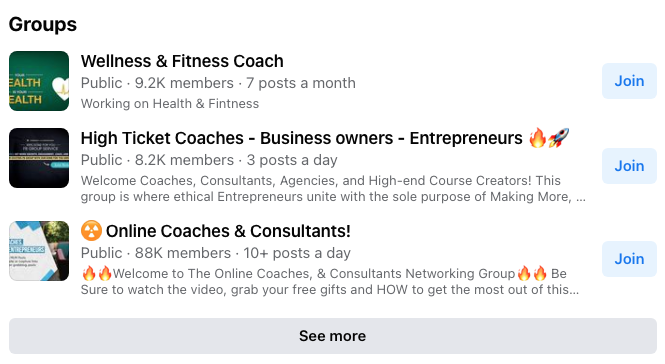
- Engaging in Facebook Groups: Active participation in Facebook groups related to one’s industry or niche provides a window into ongoing conversations. Observing the types of questions members ask, the advice they seek, and the problems they openly discuss offers rich qualitative data for identifying common pain points. Direct engagement, such as asking members about their challenges, can further refine understanding.
- Analyzing Customer Support Tickets and Reviews: For businesses with existing products or services, customer support logs and online reviews are a goldmine of information. Repeated questions, common frustrations expressed in one-star reviews, or "wish list" features all point to specific problems that a lead magnet could address. This internal data often provides the most direct and actionable insights into what the audience genuinely struggles with.
By meticulously conducting this research, creators move beyond assumptions, ensuring their lead magnet offers a truly valuable and sought-after solution, thereby attracting the right segment of the audience – those most likely to convert into paying customers.
Tailoring the Value Proposition: Diverse Lead Magnet Formats

The effectiveness of a lead magnet is not solely determined by its content but also by its format. The modern emphasis is on brevity, depth, and specificity, making the lead magnet easy to consume and quick to create. The goal is to deliver a "quick win" that demonstrates value immediately.
Several popular and effective lead magnet formats include:
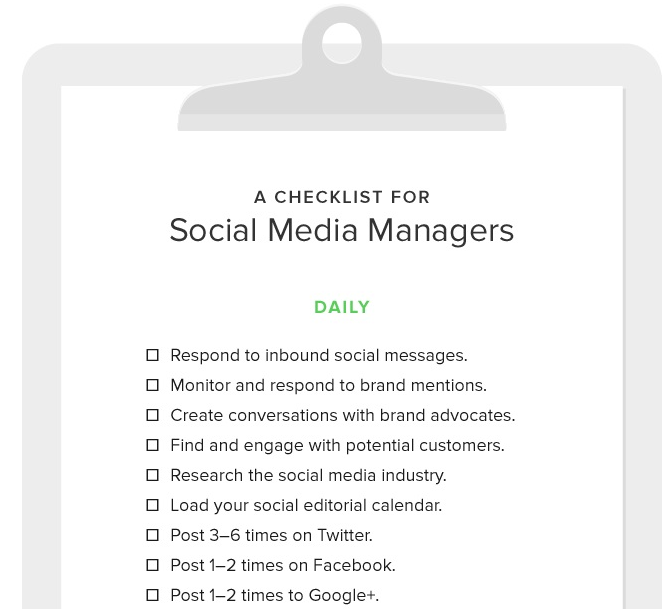
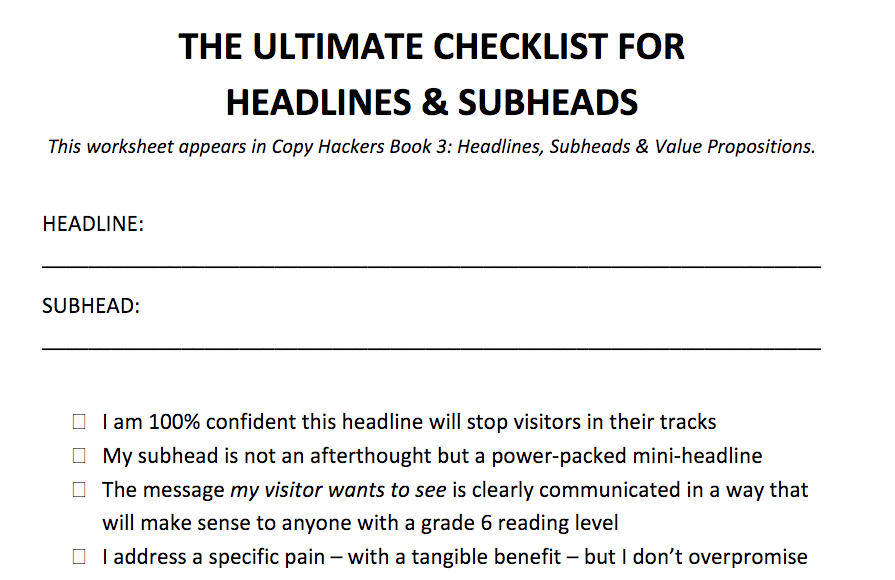
- Checklists/Worksheets: These are highly effective for audiences needing step-by-step guidance to accomplish a task. From health and wellness plans to marketing campaign blueprints, checklists break down complex processes into manageable actions. Their appeal lies in simplifying tasks and ensuring no critical steps are missed. Examples include social media content calendars or pre-launch checklists for product releases.
- Coupons/Discounts: Particularly potent for e-commerce and retail businesses, these offer immediate monetary value. A percentage discount, a free shipping code, or a special offer can be a powerful incentive for subscription, directly linking list growth to potential sales. The key is instant delivery via a welcome email.
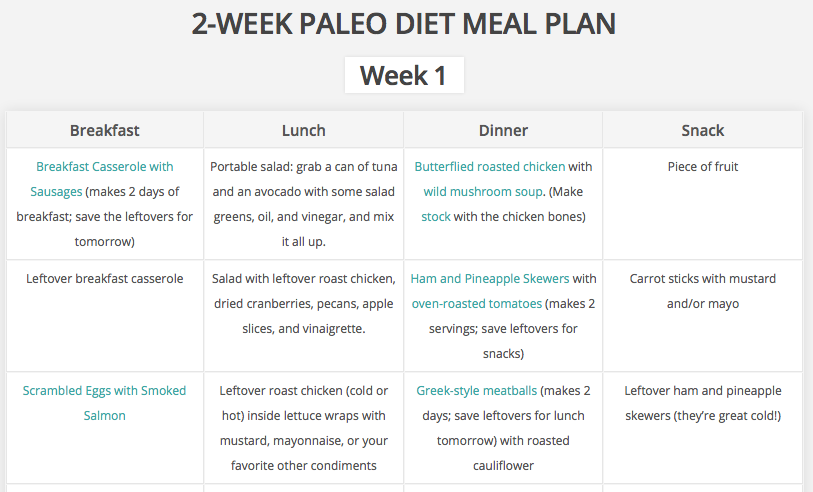
- Plans/Schedules: Ideal for industries like fitness, finance, or marketing, where structured guidance is beneficial. A "2-Week Meal Plan" or a "30-Day Content Schedule" helps the audience organize their efforts and achieve specific outcomes. These formats appeal to individuals seeking structure and clear pathways to their goals.
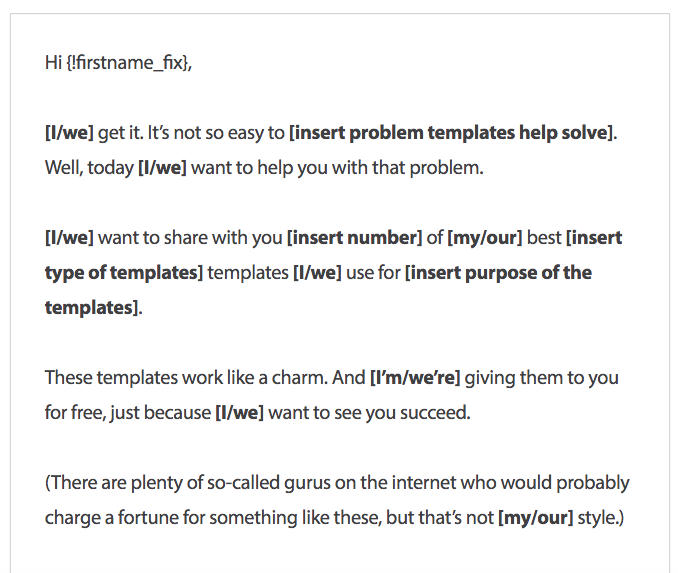
- Templates: These are time-savers that provide a ready-made framework for content creation or task execution. Examples range from email copywriting templates to social media post templates or financial budgeting spreadsheets. Templates reduce the cognitive load for the user, allowing them to customize rather than create from scratch, making them highly valued by busy professionals.
- Quizzes: Engaging and personalized, quizzes captivate audiences by offering a self-assessment and a unique result. A brand strategist might offer a "What’s Your Brand Personality Type?" quiz, where subscribers receive personalized insights upon entering their email. The interactivity and immediate, tailored feedback make quizzes excellent conversion tools, priming subscribers to be receptive to follow-up content based on their results.
- Free Email Courses: For educators, coaches, and consultants, a concise email course delivered over three to five days is an excellent way to showcase expertise and build anticipation. Each lesson focuses on a single concept and includes a small action step. This drip-feed method trains subscribers to open emails regularly and provides a tangible experience of the creator’s teaching style, making subsequent offers more appealing.
- Done-for-You Assets: These offer the ultimate convenience by eliminating virtually all effort for the subscriber. Pre-written content (e.g., email sequences, social media captions), AI prompt libraries, scripts, or spreadsheet dashboards fall into this category. Their high perceived value and immediate utility translate into superior opt-in rates, as users can deploy them instantly.
The selection of format should align with the identified problem and the audience’s preferred consumption method, ensuring the lead magnet is not only valuable but also easily accessible and usable.
The Art of Creation: Content Strategies for Impact
Once the audience’s problem and the lead magnet format are determined, the next phase involves content creation. This process, particularly for concise lead magnets, should not be overwhelming. Strategies for efficient and impactful writing include:
- Specificity as a Guiding Principle: The content must singularly focus on solving the chosen problem. Every sentence should contribute to this objective, ensuring a concise and cohesive resource. This hyper-focus benefits the reader by providing a clear, unambiguous solution and streamlines the writing process for the creator.
- Efficiency Through Repurposing: A significant time-saver is to leverage existing content. Blog posts, past email newsletters, or even social media content that addresses aspects of the chosen problem can be repurposed, edited, and refined for the lead magnet. This strategy not only shortens creation time but also ensures consistency in messaging and reinforces established expertise.
- Cultivating an Authoritative Voice: A lead magnet serves as an introduction to the creator’s expertise and a tool for building trust. The content must exude authority. Avoiding tentative phrases like "in my opinion" or "I think" and instead using direct, confident language reinforces the creator’s position as a knowledgeable expert. This firm, assertive tone inspires confidence and makes the advice more compelling, guiding prospects closer to a buying decision.
- Delivering Original Value: The most impactful lead magnets offer unique insights, proprietary information, or novel approaches that cannot be easily found elsewhere. While research helps understand existing content, the ultimate goal is to differentiate by providing an original perspective or solution. This might involve sharing personal experiences, presenting unique data, or offering a fresh framework, ensuring the lead magnet is perceived as truly invaluable and worth exchanging an email address for.
Seamless Delivery: Hosting and Initial Engagement
After crafting the lead magnet, the technical aspects of hosting and delivery must be addressed to ensure a smooth user experience.
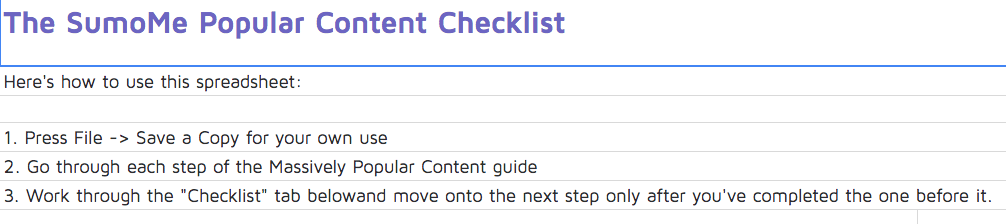
- Cloud-Based Hosting for Documents: For checklists, worksheets, or plans, platforms like Google Sheets offer a simple hosting solution. The document can be set to "view only," prompting users to make a copy for their personal use. This method is intuitive and accessible.
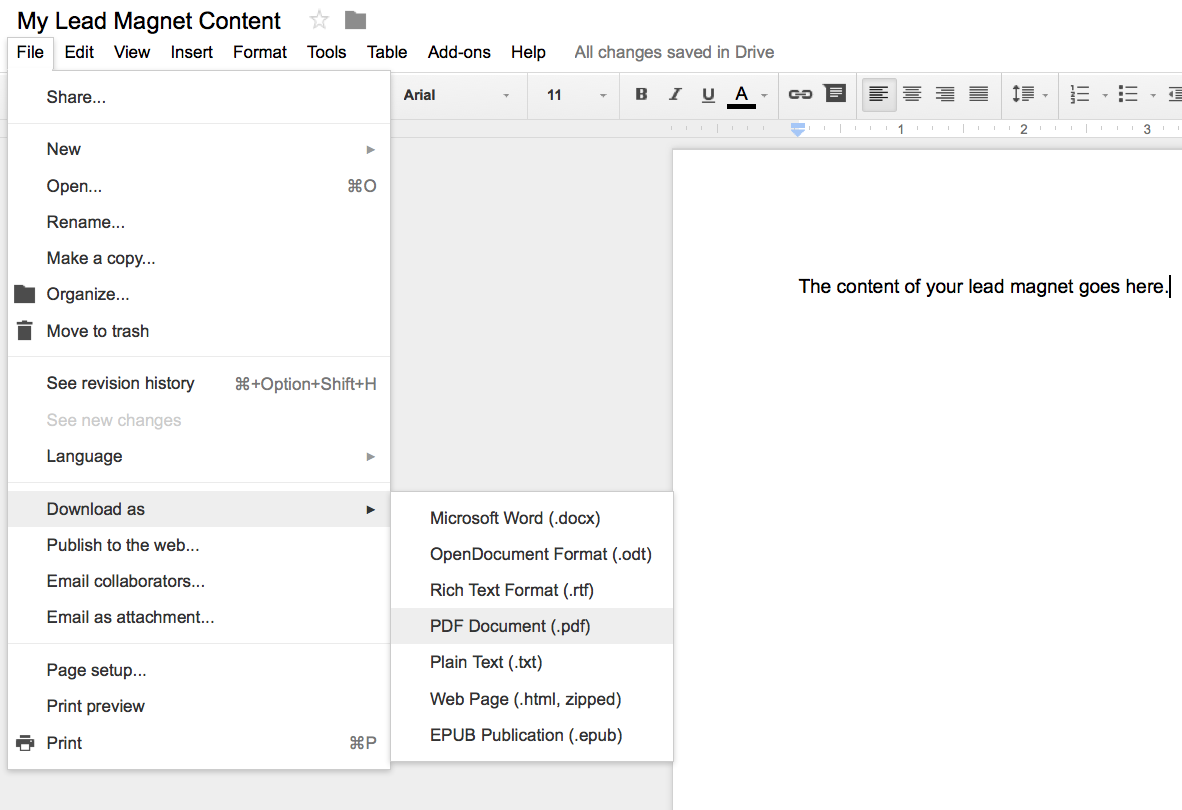
- PDF for Static Resources: Templates, short guides, or detailed instructions are often best delivered as PDFs. Content created in Google Docs or other word processors can be easily converted. Once converted, the PDF can be hosted on a website or cloud storage, and a direct hyperlink can be provided in the welcome email.
- Direct Email Content: For coupons, simple templates, or short pieces of advice, the content can be embedded directly within the welcome email itself. This offers the most immediate gratification and requires no additional downloads or external links.
The delivery mechanism is inextricably linked to the welcome email. This automated email is more than just a delivery vehicle; it’s the first direct communication with a new subscriber. It should not only provide the lead magnet but also warmly welcome them to the community, set clear expectations for future communications, and begin to build rapport. A well-crafted welcome email is critical for fostering engagement from the outset.
Beyond the Download: Nurturing Through Automated Sequences
A common pitfall in lead generation is the "transactional" approach, where a lead magnet is delivered, and then communication ceases. This leads to high sign-up rates but low conversion rates. The lead magnet attracts the address; the subsequent follow-up emails convert the subscriber into a customer. A strategic, automated email sequence following the initial welcome email is paramount for nurturing these new leads.

A simple, effective three-to-four email sequence can significantly enhance conversion rates:
- Email 1: Maximizing the Resource: Sent a day or two after the welcome email, this email offers tips on how to best use the lead magnet. It can address common questions, provide additional context, or suggest next steps for implementation. The goal is to ensure the subscriber derives tangible value from the downloaded resource.
- Email 2: Demonstrating Success (Social Proof): This email, sent a few days later, shares a related success story, case study, or testimonial. It illustrates how others have achieved positive outcomes using similar principles or services. This builds credibility and helps the subscriber envision their own success.
- Email 3: Introducing the Next Step: Positioned as the natural progression from the lead magnet’s solution, this email gently introduces a relevant product or service. It connects the problem solved by the lead magnet to a broader solution offered by the business, presenting it as the logical "next step" in their journey. A clear call to action should be included.
- Optional Email 4: Continued Value/Engagement: This email, sent later, can offer additional free resources, invite interaction (e.g., "What’s your biggest takeaway?"), or link to further valuable content on the website, keeping the relationship warm and providing ongoing value without immediate sales pressure.
This automated drip campaign, easily configurable within email workflow editors like AWeber’s, ensures consistent engagement, educates the subscriber, builds trust, and systematically guides them towards a purchasing decision, all without requiring constant manual intervention.

Optimizing the Gateway: Sign-Up Forms and Landing Pages
The final piece of the lead magnet strategy is the gateway through which prospects exchange their email address for the incentive: the sign-up form. The design and placement of this form significantly impact conversion rates.
- Website Integration: Sign-up forms can be embedded directly into website pages, blog posts, or appear as pop-ups (e.g., exit-intent, time-based). Third-party email marketing software often provides tools to create and easily install these forms. Key considerations include clear calls to action, minimal fields (often just email address, sometimes name), and compelling copy that reiterates the lead magnet’s value.
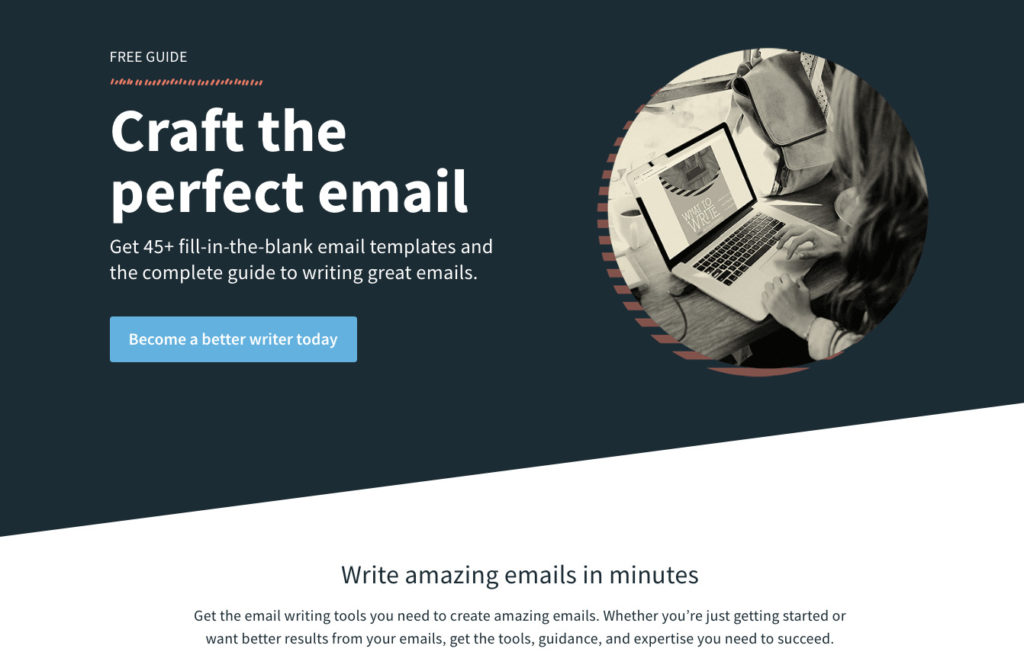
- Dedicated Landing Pages: For optimal conversion, a dedicated landing page for the lead magnet is highly recommended. The benefit of a landing page is its singular focus: to convert visitors into subscribers. Unlike a typical website page, a landing page typically removes navigation menus and other distractions, directing all attention to the lead magnet’s value proposition and the sign-up form. Landing page builders, often included with email service providers, offer templates specifically designed for this purpose, allowing for quick customization and deployment. Studies consistently show that landing pages convert significantly better than forms buried on general website pages due to their focused design and clear objective.
Strategic Implications and Future Outlook
The intentional creation of high-converting lead magnets, combined with a robust nurturing sequence, offers profound strategic implications for businesses. It moves beyond a simple list-building tactic to become a core component of customer acquisition and relationship management.

- Enhanced Customer Understanding: The initial research phase provides invaluable insights into customer needs, informing not only lead magnet creation but also product development and broader marketing messaging.
- Improved Lead Quality: By solving a specific problem, businesses attract prospects who are genuinely interested in their expertise, leading to higher quality leads who are more likely to convert.
- Foundation for Trust and Authority: Delivering immediate, tangible value establishes the business as an authority and builds trust from the very first interaction, crucial for long-term customer loyalty.
- Scalable Growth: Automated lead magnet delivery and follow-up sequences enable businesses to scale their lead generation efforts efficiently without increasing manual workload.
- Segmentation Opportunities: Different lead magnets can attract different segments of an audience, allowing for more personalized and targeted marketing efforts down the line.
As the digital landscape continues to evolve, the principles of providing focused value, building trust, and nurturing relationships will remain central to effective lead generation. The "single-day lead magnet" philosophy championed by experts like Liz Willits from AWeber underscores a practical, results-oriented approach that empowers businesses to efficiently grow their audience and drive sustainable success. The focus on specific problems, tailored formats, authoritative content, and automated nurturing sequences ensures that lead magnets are not just freebies, but powerful engines for business expansion.