rifanmuazin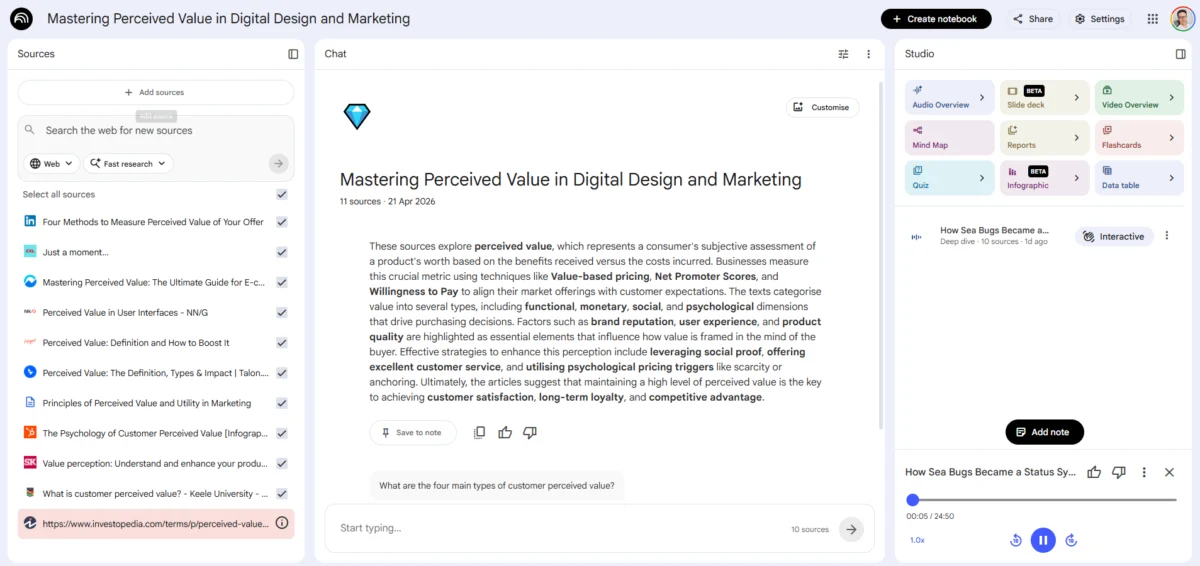
The rapid integration of generative artificial intelligence into the digital marketing sector has created a significant divide between efficiency and excellence. According to a recent data study conducted by Semrush, approximately 70% of marketers now utilize AI tools primarily to accelerate content production and reduce overhead costs. In contrast, a specialized minority of only 19% leverages these technologies with the primary objective of enhancing the quality and depth of their output. This disparity highlights a growing tension in the industry: while AI can generate text at an unprecedented scale, the pursuit of high-quality, authoritative content requires a sophisticated, hybrid approach that blends machine processing with human editorial oversight.
As search engines continue to refine their algorithms to prioritize Experience, Expertise, Authoritativeness, and Trustworthiness (E-E-A-T), the "speed-first" model of AI content creation faces increasing scrutiny. Industry analysts suggest that the future of digital publishing lies not in total automation, but in the development of rigorous, multi-step workflows that use AI as a research and refinement engine rather than a replacement for human thought.
The Chronology of the AI Content Transition
The journey toward AI-integrated content marketing began in earnest in late 2022 with the public release of large language models (LLMs) like ChatGPT. Initially, the marketing world focused on the novelty of "push-button" content. However, by mid-2023, the market was flooded with generic, repetitive blog posts that often lacked factual accuracy and unique insights.
In 2024, the landscape shifted again. Major search engines, most notably Google, implemented core updates designed to de-rank low-quality, "scaled" content produced solely for search engine optimization (SEO) purposes. This necessitated a move toward "Agentic" workflows—processes where multiple AI agents perform specialized tasks under human supervision. The current era is defined by the use of specialized tools like Claude Code for technical analysis, NotebookLM for source-grounded synthesis, and Perplexity for real-time data retrieval.
Building the Foundation: The Brand Context and Digital Knowledge Base
The primary failure point for most AI-generated content is a lack of specific context. Generic prompts yield generic results. To combat this, sophisticated content strategists are now building comprehensive "brand kits" or "brand profiles" before a single word of a draft is written. These kits serve as the "ground truth" for the AI, ensuring that the output aligns with the specific needs of the target audience.
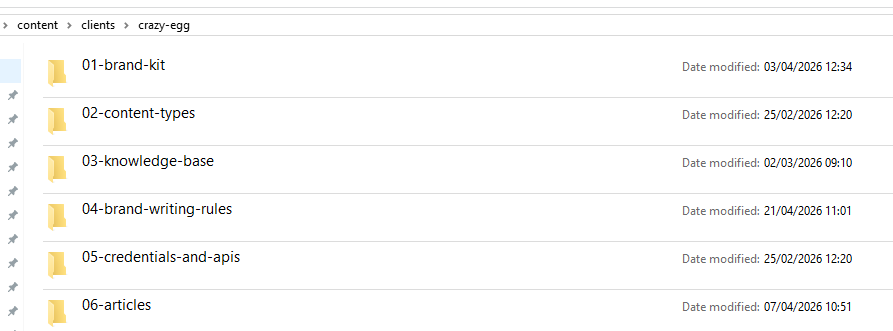
A modern brand kit typically includes:
- Detailed audience personas and their specific pain points.
- A comprehensive "Solution Map" linking product features to user problems.
- Competitive positioning documents.
- A "Writing Style Guide" that defines tone, voice, and prohibited jargon.
To ensure accuracy, marketers are increasingly using tools like Claude to scrape a client’s existing high-performing assets, including case studies, white papers, and internal positioning docs. This data is often stored in Markdown (.md) files or vector databases like ChromaDB, allowing AI models to retrieve relevant facts during the writing process. This shift from "general knowledge" to "proprietary context" is what differentiates the 19% of quality-focused marketers from the 70% focused on speed.
Multi-Modal Research and the Fact-Checking Loop
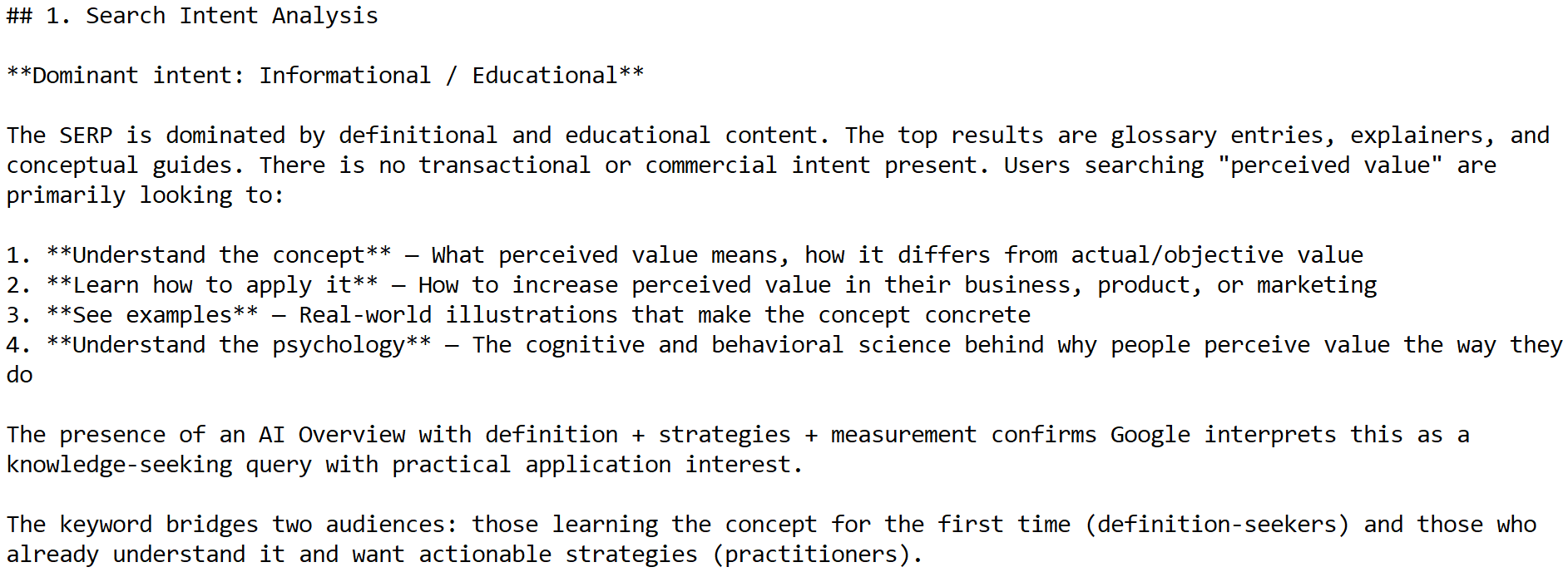
Research is the phase where AI provides the most significant competitive advantage. Rather than merely summarizing search results, modern workflows utilize a "multi-threaded" research approach. This involves analyzing diverse data types—from audio and video to academic papers and real-time search engine results pages (SERP).
Audio and Visual Synthesis
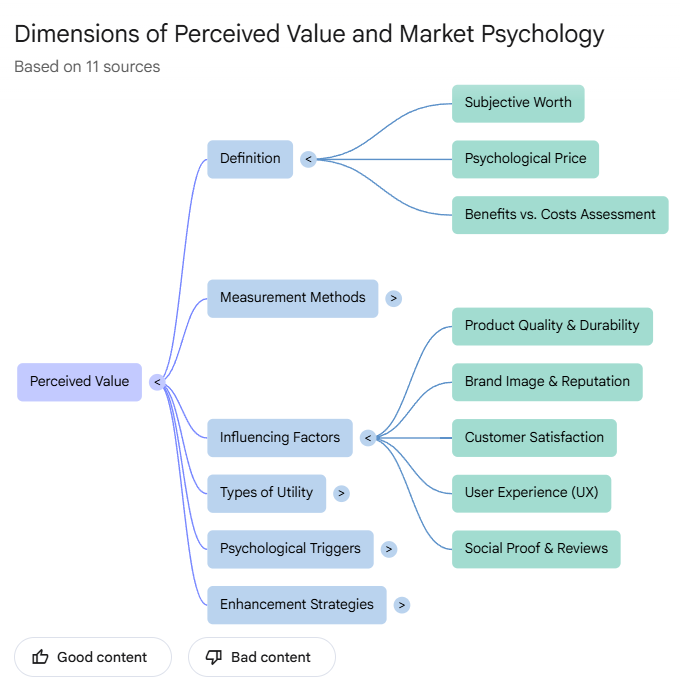
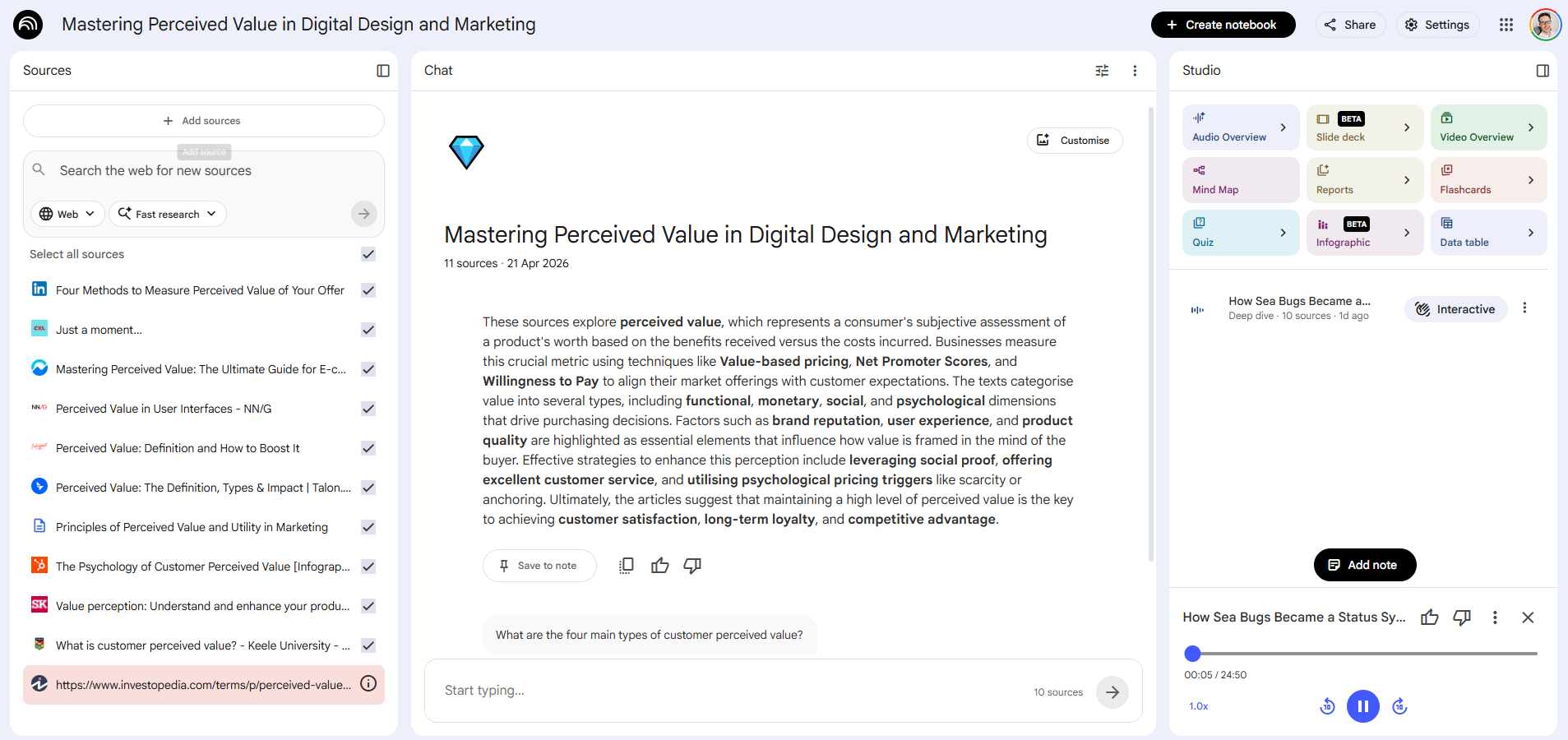
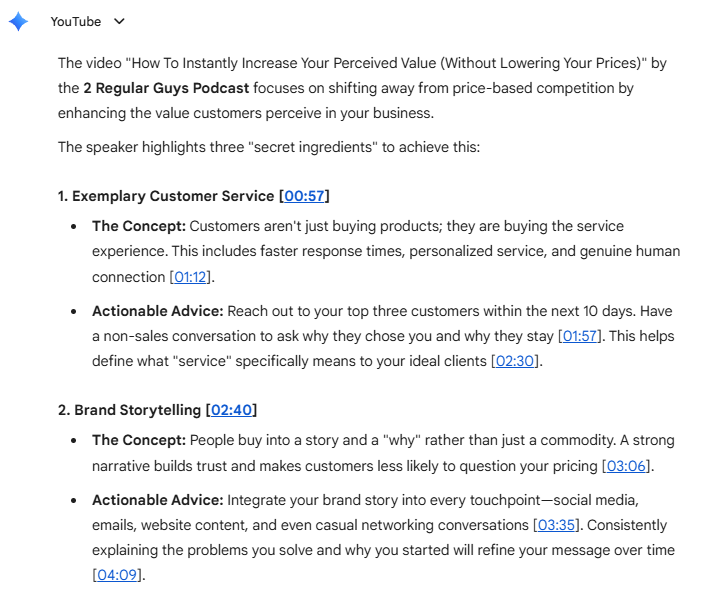
Tools like Google’s NotebookLM have revolutionized the way marketers ingest information. By uploading top-ranking articles or internal transcripts, users can generate "Audio Overviews" or mind maps. This allows a content creator to grasp the nuances of a topic through a conversational format before beginning the structural work. Furthermore, Gemini’s multimodal capabilities allow for the extraction of insights from YouTube videos and podcasts, which were previously time-consuming to transcribe and analyze manually.
Academic Verification and Deep Research
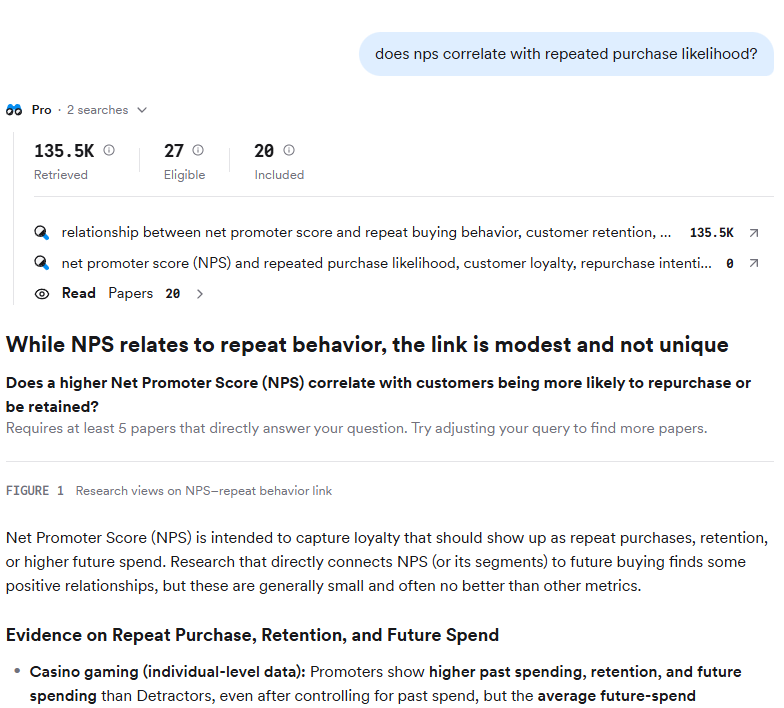
To ensure content is not only readable but also scientifically or factually sound, marketers are turning to AI-powered academic tools like Consensus. This platform allows writers to cross-reference common industry claims against peer-reviewed research. For example, if a marketing blog claims a correlation between a specific metric and consumer behavior, Consensus can verify if that claim is supported by academic consensus or if it is merely a popular myth.
The Fact-Check Imperative
The persistent issue of AI "hallucinations"—the tendency for LLMs to invent facts or citations—has led to the development of automated fact-checking loops. In these workflows, an AI "Agent A" conducts research, while "Agent B" is tasked with scraping the cited sources to verify their existence and the accuracy of the information extracted. This secondary verification layer is essential for maintaining brand reputation in an era of misinformation.
The Strategic Importance of Manual Outlining and Drafting
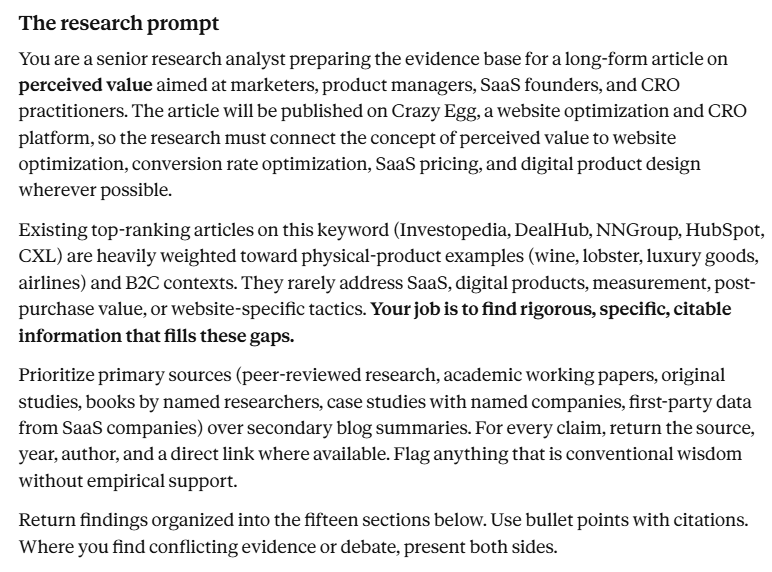
Despite the power of AI, industry experts maintain that the "logic" of an article—its structure and unique perspective—remains a human domain. Automated outlines often suffer from a lack of "Information Gain," a term used by SEO professionals to describe content that adds new value to the existing conversation rather than simply echoing what is already on the first page of Google.
The manual outlining process serves several critical functions:
- Strategic Intent: Humans can better understand the nuances of a buyer’s journey and where a specific article fits within a broader marketing funnel.
- Logical Flow: AI often struggles with complex transitions and the "narrative arc" required to keep a reader engaged.
- Information Gain: A human writer can identify gaps in the current SERP and deliberately include unique case studies or contrarian viewpoints that AI would likely overlook.
For high-impact content, many top-tier agencies still insist on manual drafting. The rationale is centered on the "soul" of the writing. AI-generated drafts often feature "filler" phrases, repetitive sentence structures, and a lack of authentic voice. By drafting manually from a highly detailed, AI-informed outline, writers can ensure the final product resonates emotionally and intellectually with the reader.
The Editorial Quality Loop: AI as the Perfectionist Editor
While drafting remains human-centric for many, the editing phase has seen a 70% to 80% reduction in manual labor thanks to AI. Modern editorial workflows now involve specialized "Editing Agents" programmed with specific checklists.
These checklists typically cover three main areas:
- Structural Editing: Checking for logical flow, proper heading hierarchy, and the placement of internal links.
- Copyediting: Ensuring adherence to the brand’s specific style guide (e.g., AP Style vs. Oxford commas) and removing "AI-isms"—cliché words like "delve," "unlock," or "tapestry."
- Fact Verification: A final pass to ensure all statistics and claims match the original research files.
A common technique is the "Ping-Pong Loop," where one AI agent performs an edit and a second agent reviews that edit against a set of rules, passing it back for corrections if any criteria are missed. This iterative process ensures a level of consistency that human editors, who may suffer from fatigue, often struggle to maintain at scale.
Broader Impact and Industry Implications
The shift toward high-quality, AI-assisted content has profound implications for the digital economy. As the cost of producing "average" content drops to near zero, the market value of "exceptional" content is expected to rise.
The Economic Shift
The traditional model of paying freelance writers "per word" is rapidly becoming obsolete. In its place, a new model is emerging based on "value per insight." Companies are increasingly looking for "AI Content Strategists"—professionals who can build and manage the complex pipelines described above—rather than just "writers."
Search Engine Evolution
As AI-generated content becomes indistinguishable from human writing, search engines like Google and Bing are expected to rely more heavily on "off-page" signals, such as brand mentions, author authority, and social proof. This means that the quality of the content is no longer just about the text on the page, but the holistic reputation of the entity publishing it.
The Risk of Skill Atrophy
There is an ongoing debate regarding "skill atrophy" among junior marketers. If AI handles the bulk of research and editing, there is a risk that the next generation of creators will lack the foundational skills required to spot errors or develop original ideas. Consequently, industry leaders are emphasizing the need for "AI Literacy" that includes a deep understanding of the underlying technology’s limitations.
Conclusion
The integration of AI into blog writing and content marketing is an irreversible trend. However, the data suggests that the most successful practitioners will be those who resist the urge for total automation. By using AI to expand the scope of research and ensure editorial consistency, while retaining human control over strategy, outlining, and the final creative "sign-off," marketers can produce content that satisfies both search engine algorithms and human readers. In the evolving landscape of 2025 and beyond, the competitive edge will belong to the 19% who prioritize quality through the sophisticated orchestration of human and machine intelligence.