rifanmuazin
The landscape of digital advertising is in constant flux, with platforms like Google continually refining their automated bidding strategies to deliver better results for advertisers. Among these, YouTube Smart Bidding has emerged as a critical tool, particularly for campaigns focused on driving tangible business outcomes such as sales, leads, and sign-ups. Understanding the nuances of these automated bidding options, and crucially, how to configure campaigns for optimal performance, is no longer an optional extra but a necessity for any advertiser aiming to thrive on the world’s largest video-sharing platform. This article delves into the intricacies of YouTube Smart Bidding, providing actionable insights and strategic recommendations to help businesses unlock its full potential.
The growing importance of Smart Bidding across Google’s advertising ecosystem, with a particular emphasis on YouTube, necessitates a deep dive into its functionalities. While merely knowing the available options is a starting point, the true differentiator lies in the strategic setup of campaigns that leverage these automated tools. For advertisers, this means moving beyond a superficial understanding to a comprehensive grasp of how to best position their campaigns for success.
Understanding the Core of YouTube Smart Bidding
At its heart, Smart Bidding is a suite of automated bidding strategies designed by Google to optimize for conversions or conversion value within a given budget. These strategies utilize machine learning to analyze a vast array of signals in real-time, including device, location, time of day, demographics, and user behavior, to make bid adjustments that aim to achieve specific campaign goals.
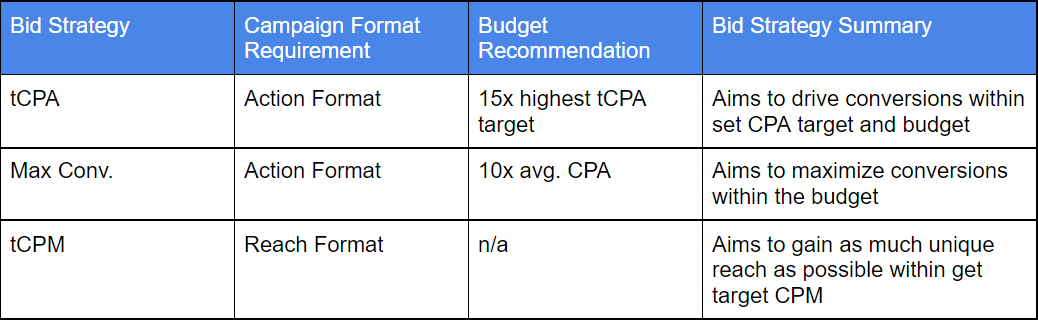
For YouTube campaigns, Smart Bidding is primarily associated with two campaign types designed to drive direct business results: Action Format campaigns. These include campaigns utilizing Target CPA (tCPA) and Maximize Conversions (Max Conv.) bidding strategies. These formats are specifically engineered to generate sales, leads, or sign-ups, making them ideal for businesses with a clear performance marketing objective.
However, Smart Bidding is not exclusively confined to performance-driven campaigns. There is also a notable option available for Reach formats, such as bumper ads. While these formats are predominantly geared towards building brand awareness, their Smart Bidding functionalities can be leveraged to achieve specific reach objectives more efficiently.

Key Smart Bidding Strategies on YouTube
When it comes to driving conversions on YouTube, two primary Smart Bidding strategies stand out:
- Target CPA (tCPA): This strategy allows advertisers to set a desired average cost per acquisition. Google Ads then automatically sets bids to help get as many conversions as possible at or below the target CPA you’ve set. This is ideal for advertisers who have a clear understanding of their target cost per conversion and want to maintain a predictable cost structure.
- Maximize Conversions (Max Conv.): This strategy automatically sets bids to help get the most conversions possible within your campaign budget. While it doesn’t allow for a specific CPA target, it aims to spend the entire budget to achieve the highest volume of conversions. This is often recommended as a starting point, especially for new campaigns, as it helps establish a baseline for conversion performance before moving to a more constrained tCPA strategy.
For campaigns primarily focused on building awareness, advertisers might explore other Smart Bidding strategies within Reach formats, though the specific options and their direct applicability to conversion goals are less pronounced. The emphasis for most performance-focused advertisers on YouTube will be on tCPA and Max Conv. within Action Format campaigns.
The Crucial Role of Bid-to-Budget Recommendations
A significant factor in the success of YouTube Smart Bidding campaigns, particularly those using tCPA and Max Conv., is adherence to Google’s bid-to-budget recommendations. These recommendations are not arbitrary suggestions; they are data-driven insights designed to provide the automated bidding system with sufficient flexibility and opportunity to perform effectively.
Google typically advises advertisers to set budgets that are between 10 to 15 times the average cost per conversion (CPA) for tCPA campaigns. For instance, if a campaign’s average CPA is $85, the recommended budget would be at least $850 (10x) and ideally up to $1,275 (15x). For Max Conv. campaigns, the recommendation often translates to a budget that allows for ample learning and optimization, with a similar multiplier often being beneficial to ensure sufficient data is gathered.

These recommendations, while sometimes appearing substantial, are grounded in the reality of how machine learning algorithms function. Sufficient budget allows the system to:
- Gather Sufficient Data: Smart Bidding relies on a large volume of conversion data to refine its predictions and bidding strategies. A limited budget can restrict the number of auctions the system can participate in, thereby hindering its ability to learn and optimize.
- Navigate Auction Volatility: The digital advertising auction environment is dynamic. A robust budget provides a buffer against fluctuations in auction prices and competition, ensuring the campaign can continue to bid effectively even during peak times or increased competition.
- Explore and Experiment: Machine learning models often need to explore various bidding scenarios to identify the most efficient paths to conversions. A generous budget allows for this exploration without prematurely limiting the campaign’s reach or performance.
Strategic Recommendation: Starting with Maximize Conversions
For advertisers new to YouTube Smart Bidding or launching new campaigns, a strategic approach involves starting with the Maximize Conversions bidding strategy. This approach serves several critical purposes:
- Establishing a Baseline CPA: By allowing the campaign to run on Maximize Conversions, advertisers can observe the actual cost per conversion that the system achieves without the constraint of a specific target. This provides a realistic benchmark for future optimization.
- Fueling the Learning Phase: Maximize Conversions is designed to spend the budget effectively to drive as many conversions as possible. This rapid spending pattern helps the campaign’s machine learning algorithms gather data quickly, accelerating the learning phase.
- Informing tCPA Setting: Once a stable CPA baseline is established, advertisers can then confidently set a tCPA target that is realistic and achievable, typically set slightly above the observed average CPA to allow for initial stability.
A Mini Case Study: The Impact of Budget Adjustments
To illustrate the practical implications of adhering to bid-to-budget recommendations, consider a hypothetical scenario:
- Situation: A YouTube campaign running on a tCPA strategy was flagged by Google Ads as "Limited By Budget" (LBB). This status indicates that the campaign’s budget is preventing it from achieving its full potential.
- Initial Bid-to-Budget Ratio: The campaign’s budget was set at approximately 10 times its current CPA. While this met the minimum recommendation, it was not sufficient for optimal performance in this specific instance.
- Update: The budget was increased to 15 times the current CPA. This significant adjustment provided the campaign with substantially more resources to operate.
- Results: After implementing the budget increase and allowing for the typical two-week learning period to conclude, the campaign demonstrated notable improvements. This included both growth in the volume of conversions and enhanced efficiency, indicating that the increased budget had empowered the Smart Bidding algorithm to perform more effectively.
This case study highlights a common challenge: meeting the minimum budget recommendations is often necessary, but sometimes exceeding them, particularly when encountering LBB issues, can unlock significant performance gains. The data visualized in such case studies often shows a clear upward trend in conversions and potentially a stabilization or even improvement in CPA after the budget adjustment, demonstrating the direct correlation between adequate funding and automated bidding success.
Other Crucial Considerations for YouTube Smart Bidding
Beyond budget and bidding strategy selection, several other factors play a pivotal role in maximizing the effectiveness of YouTube Smart Bidding campaigns:
- Conversion Tracking Accuracy: The foundation of any Smart Bidding strategy is accurate conversion tracking. Ensure that your conversion tags are correctly implemented and that you are tracking meaningful actions that align with your business objectives. Inaccurate tracking can lead the algorithm to optimize for the wrong actions, resulting in wasted ad spend.
- Campaign Structure and Audience Targeting: While Smart Bidding automates the bidding process, the quality of your campaign structure and audience targeting remains paramount. Well-defined audience segments and a logical campaign structure provide the algorithm with better inputs for optimization. Broad, untargeted campaigns will struggle to achieve desired outcomes, regardless of the bidding strategy.
- Creative Assets: YouTube is a visual platform. High-quality, engaging, and relevant video creative assets are essential for capturing viewer attention and driving action. Even the most sophisticated bidding strategy cannot overcome poor creative. Ensure your video ads are compelling, clearly communicate your value proposition, and include strong calls to action.
- Landing Page Experience: Once a viewer clicks on your ad, they will be directed to a landing page. This page must be optimized for conversions, providing a seamless and relevant experience that encourages the desired action (e.g., filling out a form, making a purchase). A poor landing page experience can negate all the efforts made in campaign setup and bidding.
- Seasonality and External Factors: Smart Bidding algorithms are powerful, but they are not clairvoyant. Be mindful of external factors such as seasonal trends, competitor activity, and economic shifts that can impact campaign performance. You may need to adjust your budgets, targets, or strategies to account for these external influences.
- Patience and Continuous Monitoring: Smart Bidding strategies, especially tCPA, require a learning period. It is crucial to allow the campaigns sufficient time to gather data and optimize before making significant changes. Continuous monitoring of key performance indicators (KPIs) is essential, but avoid making hasty adjustments based on short-term fluctuations.
The Broader Impact of Smart Bidding on Digital Advertising
The increasing reliance on Smart Bidding across platforms like Google Ads signifies a broader trend in digital advertising: the maturation of automation and machine learning. For businesses, this evolution presents both opportunities and challenges.
- Opportunities: Smart Bidding offers the potential for greater efficiency and improved ROI, especially for advertisers who may not have the resources or expertise to manually manage complex bidding strategies. It democratizes access to sophisticated optimization techniques, allowing smaller businesses to compete more effectively. Furthermore, by automating the time-consuming task of bid management, it frees up marketing teams to focus on higher-level strategic activities such as creative development, audience research, and overall campaign planning.
- Challenges: The effectiveness of Smart Bidding is highly dependent on the quality of data and the strategic setup of campaigns. Advertisers who do not understand the underlying principles or who have poorly configured campaigns may find themselves frustrated by suboptimal results. There is also a learning curve involved in transitioning from manual bidding to automated strategies, requiring a shift in mindset and a greater emphasis on data analysis and strategic oversight.
Conclusion
YouTube Smart Bidding offers a powerful pathway for advertisers to achieve their conversion goals on one of the world’s most impactful digital platforms. By understanding the available strategies, adhering to budget recommendations, implementing accurate tracking, and maintaining a focus on creative quality and landing page optimization, businesses can significantly enhance their campaign performance. While the algorithms are sophisticated, strategic human oversight remains indispensable. For those seeking to navigate the complexities of YouTube advertising and unlock its full potential, a thoughtful and data-driven approach to Smart Bidding is not just recommended; it is essential for sustained success in the competitive digital landscape. For further guidance and tailored solutions, engaging with experienced digital marketing professionals can provide invaluable insights and support.