rifanmuazin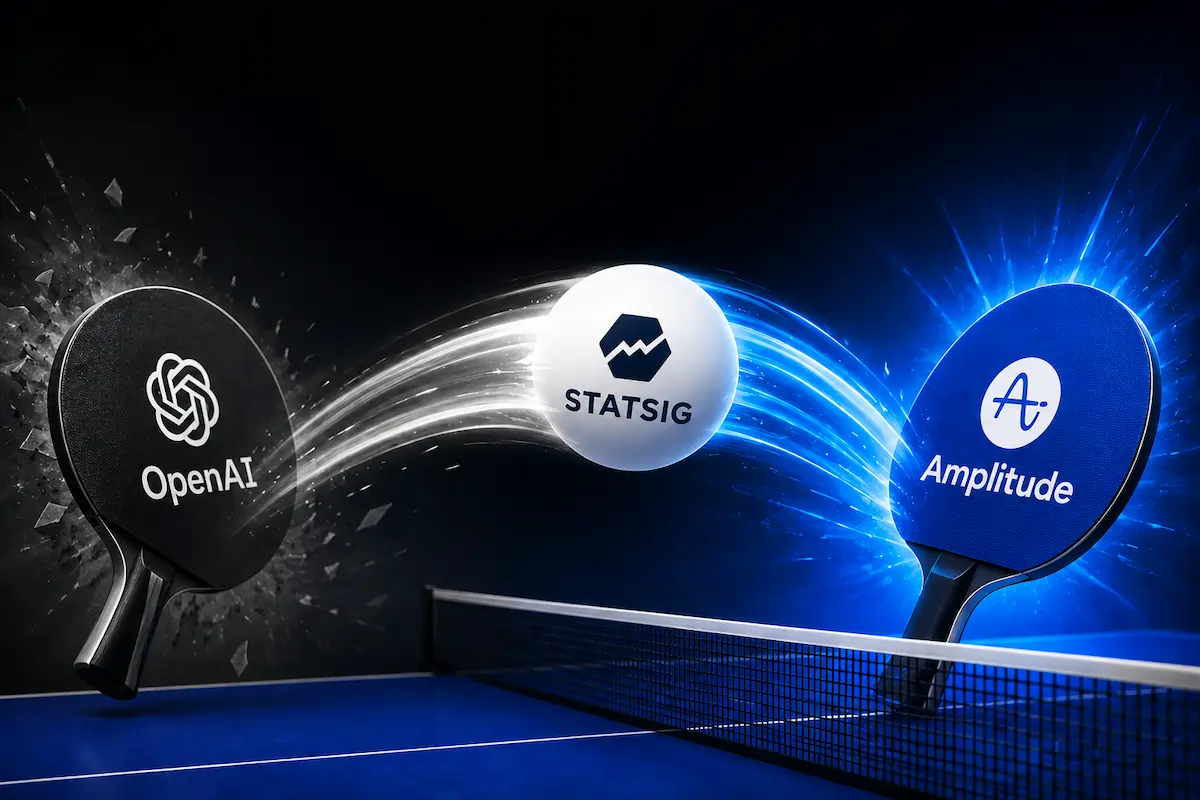
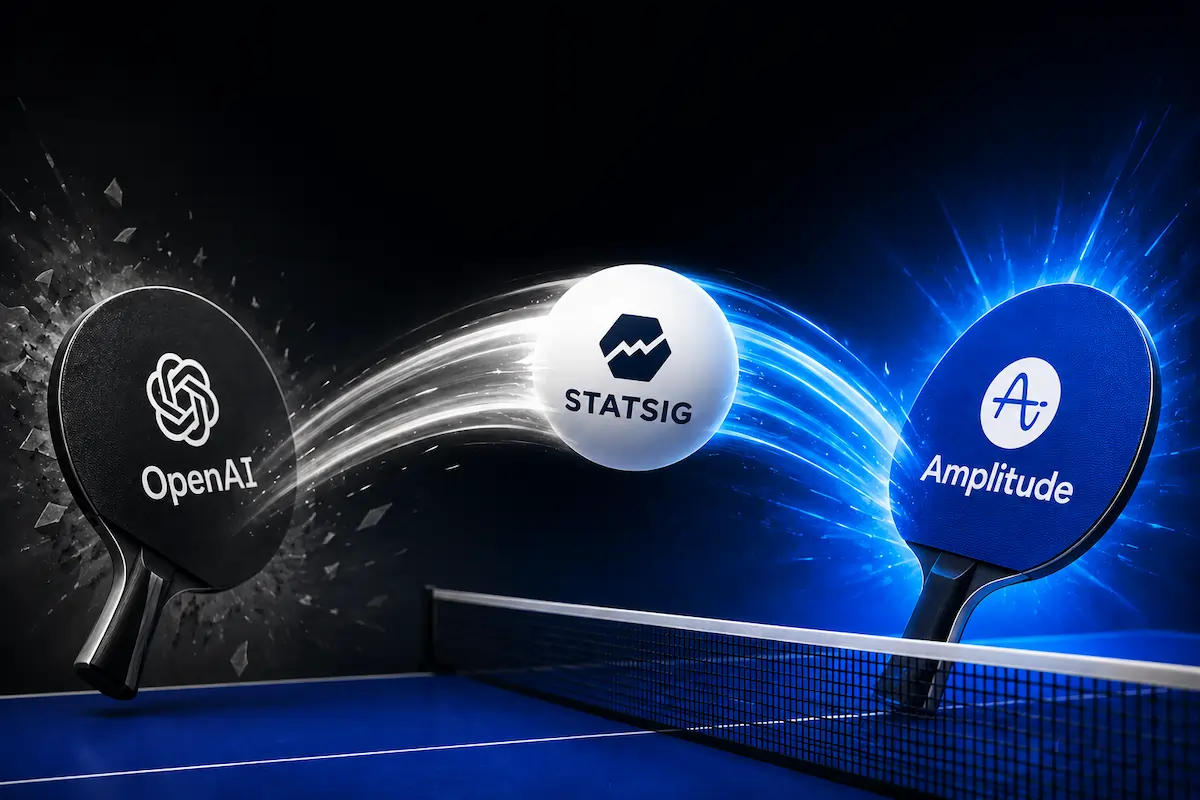
In a move that signals a significant realignment within the enterprise software and artificial intelligence sectors, Amplitude has officially announced a strategic partnership with OpenAI to take over the operations, brand, and customer base of Statsig. The announcement, made on May 5, 2026, marks the conclusion of a complex transitional period that began when OpenAI acquired the experimentation platform in late 2025. This deal effectively transfers the stewardship of Statsig’s Software-as-a-Service (SaaS) business to Amplitude, a leader in digital analytics, while allowing OpenAI to retain the core engineering talent and technology infrastructure it requires for internal development.
The transaction is being viewed by industry analysts as a pragmatic solution to a burgeoning conflict of interest in the AI space. While OpenAI sought Statsig’s sophisticated experimentation framework to optimize its own large language models (LLMs) and product features, the maintenance of a public-facing SaaS platform for external customers sat outside the AI research giant’s core mission. By handing the reins to Amplitude, OpenAI ensures that Statsig’s existing enterprise clients—who rely on the platform for critical product rollouts and A/B testing—receive continued support from a partner dedicated to the SaaS model.
A Chronology of the Statsig Acquisition and Handover
The journey toward this partnership began on September 2, 2025, when OpenAI shocked the technology world by acquiring Statsig in an all-stock deal valued at approximately $1.1 billion. At the time, it was one of OpenAI’s largest acquisitions, signaling an aggressive move into product engineering. Vijaye Raji, the founder and CEO of Statsig and a former Facebook executive, was appointed as the Chief Technology Officer of Applications at OpenAI. Under the leadership of Fidji Simo, the former Instacart CEO who had joined OpenAI to oversee its application division, Raji was tasked with integrating Statsig’s experimentation DNA into ChatGPT and Codex.
Initially, OpenAI maintained a public stance that Statsig would continue to operate independently from its Seattle headquarters, serving its diverse customer base which included major names in tech and retail. However, industry insiders noted that the primary value for OpenAI lay in the "runtime control plane"—the ability to close the loop between AI-generated code and real-world production performance.
By early 2026, the challenges of operating a high-touch SaaS business within a research-heavy organization became apparent. On May 5, 2026, Amplitude’s CEO Spencer Skates broke the news of the strategic partnership. Under the terms of the new agreement, Amplitude will assume responsibility for the Statsig brand and its customers. The company has committed to maintaining the existing platform across both cloud and warehouse-native deployments, ensuring a seamless transition for users who have integrated Statsig deeply into their data stacks.
Technical Integration and Strategic Rationalization
One of the most significant aspects of the Amplitude-Statsig deal is the reconciliation of two different architectural philosophies. Amplitude has its roots in event-stream product analytics, traditionally relying on its own proprietary data structures to track user behavior. In contrast, Statsig gained market share by championing a "warehouse-native" approach, allowing companies to run experiments directly on top of their own data warehouses like Snowflake, BigQuery, or Databricks.
Amplitude has pledged to develop an integrated roadmap that bridges these two worlds. For current Statsig customers, the transition means that while the underlying platform remains functional, the long-term development of features will converge with Amplitude’s broader analytics suite. This presents both an opportunity and a challenge: users may gain access to deeper behavioral insights, but they must also navigate the complexities of a merging product roadmap and potential changes in pricing structures during the next renewal cycle.

The decision to offload the SaaS operations to Amplitude is also seen as a move of corporate accountability by OpenAI. Rather than allowing the Statsig platform to "wither on the vine"—a common fate for SaaS startups acquired by larger tech conglomerates—OpenAI selected a partner for whom experimentation is a core business pillar. This ensures that the thousands of practitioners who depend on Statsig for their growth metrics are not left without a supported platform.
Supporting Data: The State of the Experimentation Market
The consolidation of Statsig into Amplitude is part of a much broader trend of M&A activity within the experimentation space. According to market data from 2024 and 2025, the web-only experimentation Total Addressable Market (TAM) has hovered around $1 billion, with growth slowing to approximately 10% annually. This stagnation has forced vendors to seek one of three paths:
- Upmarket Consolidation: Companies like VWO and AB Tasty have merged to form larger entities capable of competing for massive enterprise contracts.
- Category Absorption: Experimentation is being pulled into larger software categories such as observability and customer engagement. Examples include Eppo’s integration into Datadog and Split’s acquisition by Harness.
- Capability Acquisition: Large tech firms acquiring the team and technology for internal use, as seen with the initial OpenAI-Statsig deal.
The Amplitude-Statsig partnership represents a unique "fourth path" where the team and the customer base are essentially split between two different entities to maximize the utility of the acquisition for all parties involved.
Official Responses and Industry Reactions
The reaction from the experimentation community has been a mixture of caution and optimism. Ben Labay, a prominent figure in the testing space, noted that "experimentation isn’t a category to acquire; it’s a muscle to absorb." This sentiment reflects the belief that for companies like OpenAI, the value of Statsig was never the subscription revenue, but the internal culture of rigorous testing it enabled.

Simon Jackson, an analytics practitioner, suggested that the deal is a competitive signal for the AI era. "AI has cheapened code generation enough that the bottleneck has moved from shipping to learning," Jackson stated. He argues that the winners in the current market will be the organizations that can process experimental results the fastest, rather than those with the largest engineering teams.
Dennis van der Heijden, co-founder of Convert Experiences, offered a grounded perspective on the handover. He noted that the move was more thoughtful than typical Silicon Valley acquisitions. "OpenAI could have absorbed the team and let the platform decay," van der Heijden said. "Instead, they found a buyer for whom serving these customers is the actual business. It’s handled with more care than it might have been."
Broader Impact and the Future of AI-Driven Testing
The integration of Statsig into Amplitude occurs at a time when artificial intelligence is fundamentally changing the economics of A/B testing. Traditionally, experimentation was a slow, expensive process requiring 95% statistical confidence and weeks of engineering effort. This model favored large enterprises with massive traffic volumes.
However, as AI tools begin to automate hypothesis generation, variant development, and quality assurance, the cost of running an experiment is plummeting. Industry experts suggest that we are entering an era of "direction over certainty." If a team can launch ten experiments in the time it previously took to launch one, they may be willing to accept 80% confidence levels in exchange for higher velocity and lower costs.

This shift is expected to open the market to Small and Medium Enterprises (SMEs) that previously lacked the scale to make traditional experimentation viable. For an e-commerce shop or a B2B startup with moderate traffic, the ability to test cheaply and often is more valuable than achieving academic-grade statistical rigor. Amplitude’s acquisition of Statsig positions it to capture this emerging market of "speed-first" experimenters.
Implications for Enterprise Customers
For existing Statsig customers, the immediate future involves a period of transition. While Amplitude has committed to operational continuity, the real test will come during the next contract negotiation phase. Customers will be watching closely to see if Amplitude maintains the competitive pricing that helped Statsig grow, or if the platform will be bundled into more expensive, all-in-one analytics packages.
Furthermore, the "warehouse-native" users will be monitoring whether Amplitude continues to invest in the data-warehouse-first architecture or if they will be nudged toward Amplitude’s own data ingestion methods. The success of this deal will ultimately depend on Amplitude’s ability to maintain the "neutrality" of the experimentation layer while providing the deep integration that its core analytics customers expect.
As the experimentation landscape continues to consolidate, the Amplitude-Statsig partnership stands as a landmark event. It highlights the shifting priorities of the world’s most powerful AI companies and the enduring value of specialized SaaS platforms in an increasingly integrated software ecosystem. For the broader industry, it is a clear indication that the next decade of digital growth will be defined by the intersection of big data, rapid experimentation, and generative AI.