rifanmuazin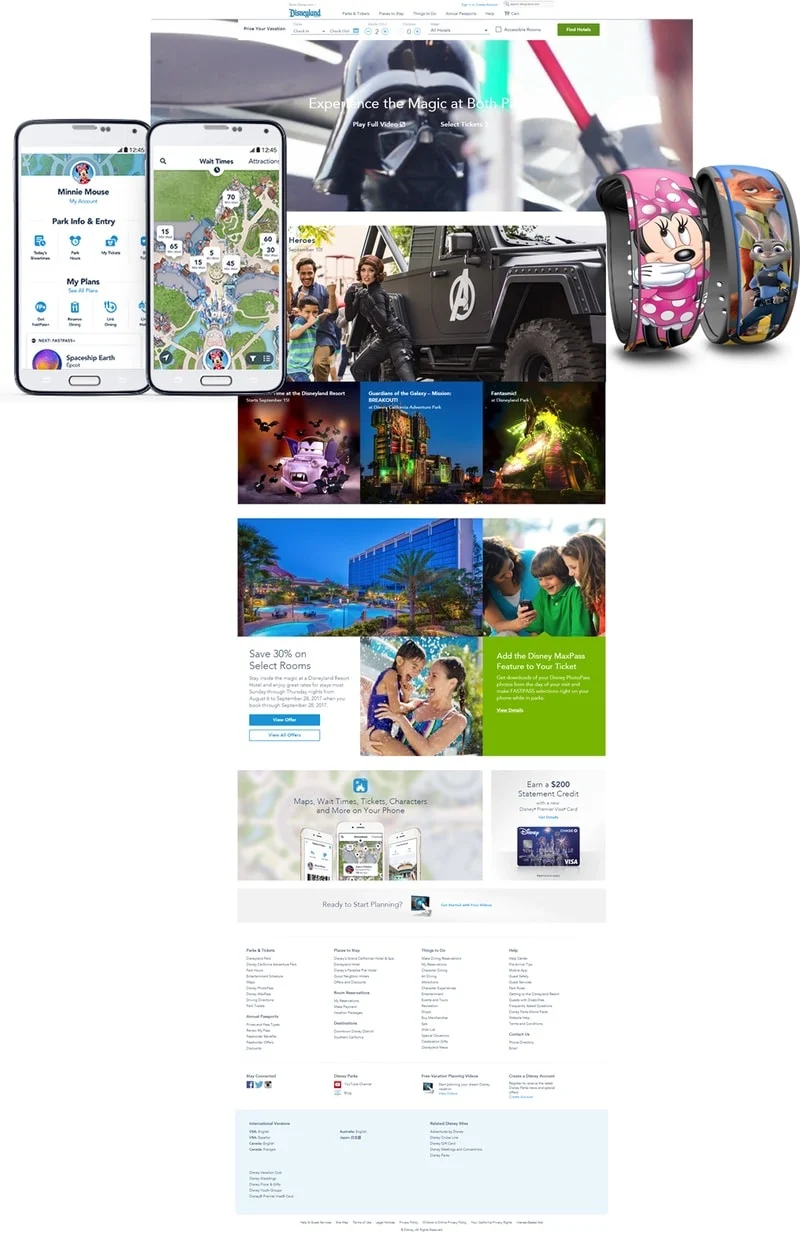
The global ecommerce landscape is currently navigating a period of profound transition as traditional digital marketing tactics lose their efficacy in the face of rising customer acquisition costs and heightened consumer privacy regulations. Industry analysts report that as global retail ecommerce sales are projected to exceed $6.3 trillion in 2024, the delta between successful enterprises and struggling retailers is increasingly defined by the adoption of future-proof growth marketing strategies. Unlike traditional marketing, which often focuses on top-of-funnel awareness, growth marketing integrates product development, data analysis, and customer experience to maximize lifetime value (LTV) and ensure long-term institutional stability.
The Evolution of eCommerce Marketing: A Strategic Chronology
To understand the necessity of future-proofing, one must examine the chronological shift in digital commerce. In the early 2010s, the "Growth Hack" era dominated, where businesses relied on exploiting platform algorithms for rapid, often unsustainable, acquisition. By 2018, the focus shifted toward "Performance Marketing," characterized by heavy spending on Meta and Google Ads. However, the 2021 implementation of Apple’s App Tracking Transparency (ATT) framework signaled the end of cheap, hyper-targeted acquisition.
In the current post-pandemic era, the market has entered a "Retention and Experience" phase. Marketing is no longer a siloed department but a cross-functional discipline that requires deep technical integration and a psychological understanding of the modern consumer. "The brands that survive the next decade will be those that treat marketing as a data-driven service rather than a series of advertisements," noted a senior consultant at a leading digital transformation firm during a recent industry summit.
Market Analysis and the Psychology of the Modern Consumer
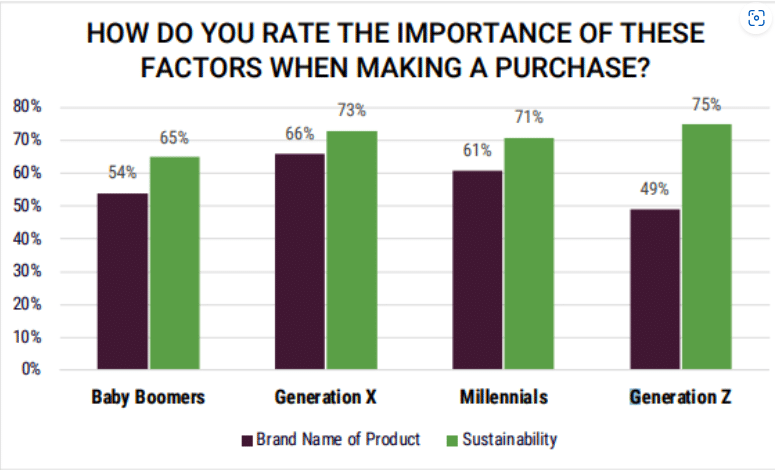
A robust growth strategy begins with a sophisticated analysis of consumer demographics and psychographics. Modern market research indicates that the "one-size-fits-all" approach is obsolete. According to data from the World Economic Forum, 75% of Generation Z—a demographic with rapidly increasing purchasing power—prioritize sustainability and ethical brand practices over mere brand recognition. This shift necessitates a marketing strategy that communicates values as clearly as it communicates product features.
To build a future-proof foundation, firms are increasingly utilizing a multi-layered approach to audience understanding:
- Psychographic Profiling: Moving beyond age and location to understand interests, values, and lifestyle choices.
- Behavioral Tracking: Utilizing first-party data to observe how users interact with digital storefronts.
- Voice of Customer (VoC) Programs: Implementing feedback loops through surveys and direct engagement to identify pain points.
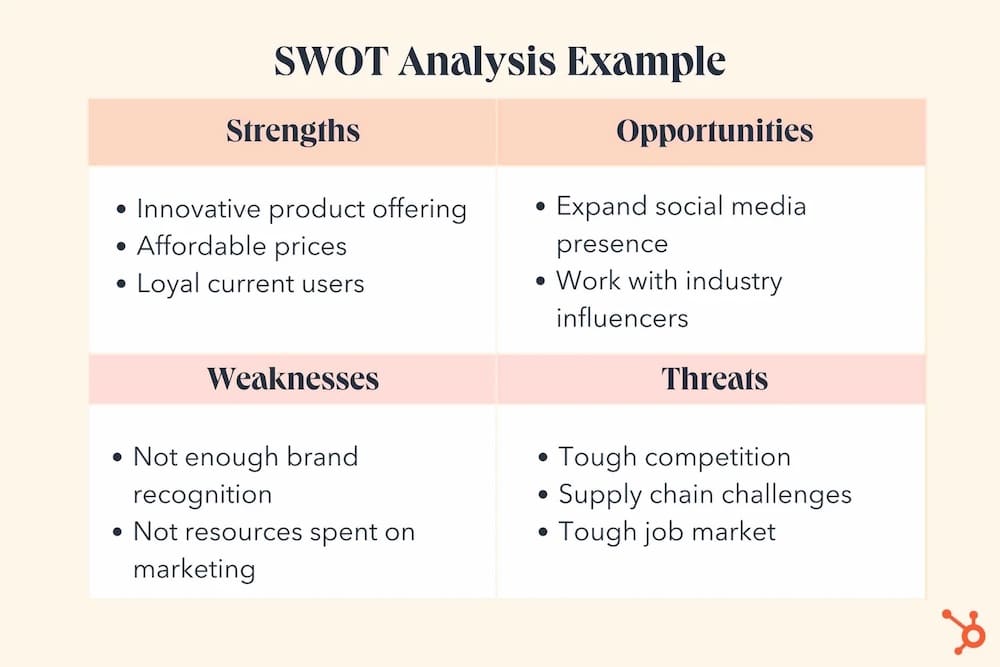
Competitive analysis has also evolved. While traditional SWOT (Strengths, Weaknesses, Opportunities, Threats) analyses remain foundational, modern growth marketers use them to identify "market gaps." Amazon’s historical dominance provides a textbook case study; by identifying that consumers valued delivery speed over almost any other factor, they developed Amazon Prime, effectively turning a logistical challenge into a marketing powerhouse and a recurring revenue stream.
Technological Infrastructure as a Growth Catalyst
Investing in a scalable technological stack is no longer an IT concern; it is a core marketing requirement. The transition toward "Headless Commerce"—where the front-end user experience is decoupled from the back-end commerce logic—allows brands to remain agile.
Scalable Platforms and AI Integration
Platforms like Shopify and Magento (Adobe Commerce) provide the structural integrity required for international scaling. However, the true differentiator in the current market is the integration of Artificial Intelligence (AI) and Machine Learning (ML). Stitch Fix, an online personal styling service, has become a benchmark for this approach. By utilizing AI to analyze customer preferences, sizes, and styles, they have moved away from traditional inventory-push models to a data-driven "pull" model that personalizes the experience for every user.
The Mobile-First Imperative
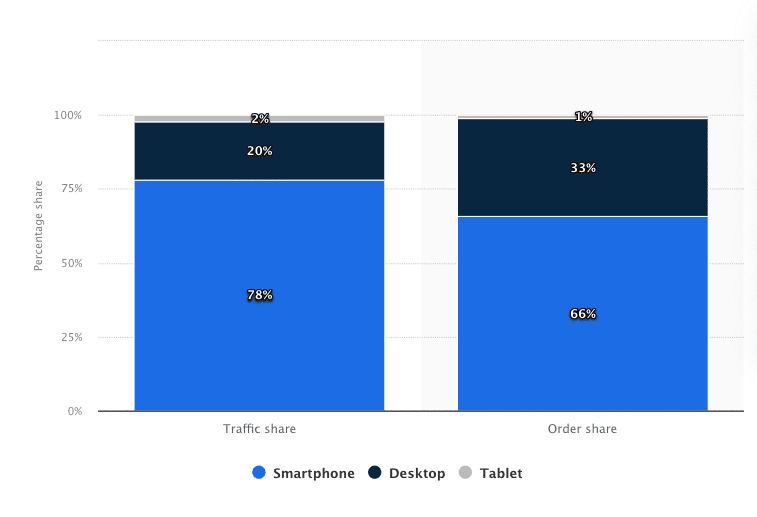
The shift toward mobile commerce (m-commerce) is near total. Statista data reveals that in the fourth quarter of 2023, smartphones accounted for approximately 78% of global retail site traffic and generated two-thirds of all online shopping orders. Future-proofing requires a "mobile-native" mindset, where site speed, simplified checkout processes, and mobile-payment integrations (like Apple Pay and Google Wallet) are prioritized over desktop aesthetics.
The Omnichannel Integration Mandate
The modern consumer journey is non-linear. A customer may discover a product on Instagram, research it on a desktop site, and eventually purchase it through a mobile app or a physical retail location. Businesses with robust omnichannel strategies retain an average of 89% of their customers, a stark contrast to the 33% retention rate observed in companies with fragmented channel strategies.
The Disney "My Disney Experience" ecosystem serves as the gold standard for omnichannel marketing. By integrating a mobile app, a website, and physical RFID-enabled "MagicBands," Disney ensures that every touchpoint is synchronized. For ecommerce retailers, this means ensuring that inventory, customer profiles, and loyalty rewards are consistent across all platforms, providing a frictionless experience that encourages repeat purchases.
Automation and the Efficiency Frontier
As labor costs rise and margins are squeezed, automation has become essential for maintaining marketing velocity. Future-proof growth strategies utilize automation not just for efficiency, but for hyper-personalization. Key areas for investment include:
- Email and SMS Sequences: Trigger-based messaging that responds to cart abandonment or browsing history.
- Customer Service Bots: AI-driven chatbots capable of resolving 80% of routine inquiries without human intervention.
- Dynamic Pricing: Algorithms that adjust prices in real-time based on demand, inventory levels, and competitor pricing.
Content Strategy: From Disposable to Evergreen
In an era of "content fatigue," the focus of growth marketing has shifted from high-volume, low-quality output to high-quality, evergreen assets. Evergreen content—content that remains relevant and valuable over long periods—serves as a long-term lead generation engine.
WikiHow is often cited by industry experts as the pinnacle of this strategy. By creating comprehensive, step-by-step guides that address specific user needs, they maintain high search engine rankings and consistent traffic for years. For ecommerce brands, this involves creating "how-to" guides, comprehensive product comparisons, and educational videos that solve customer problems rather than just selling products. This builds brand authority and reduces long-term reliance on paid search traffic.
Cultivating Loyalty and Brand Advocacy
With the cost of acquiring a new customer being five to twenty-five times more expensive than retaining an existing one, loyalty is the ultimate future-proofing mechanism. Research from Forbes suggests that 73% of consumers cite a positive customer experience as a primary factor in brand loyalty.
Successful brands are moving beyond simple points-based systems to "Emotional Loyalty." This involves:
- Exclusive Access: Offering early access to new products or limited-edition items.
- Community Building: Creating forums or social groups where customers can interact.
- Personalized Rewards: Utilizing purchase history to offer rewards that are genuinely relevant to the individual.
When customers transition from "purchasers" to "advocates," they become a low-cost acquisition channel through word-of-mouth and social proof, further stabilizing the growth engine.
Performance Analysis in the Privacy-First Era
The final pillar of a future-proof strategy is the continuous optimization of performance based on rigorous data analysis. With the phase-out of third-party cookies, growth marketers are shifting their focus to first-party data and sophisticated attribution models.
Key Performance Indicators (KPIs) such as Conversion Rate (CR), Average Order Value (AOV), and Customer Acquisition Cost (CAC) remain vital. However, the emphasis is shifting toward "LTV:CAC Ratio"—a metric that measures the long-term health of the business. Analysts recommend using advanced tools like Google Analytics 4 (GA4) in conjunction with behavior analysis platforms like FigPii. These tools allow marketers to use heatmaps and A/B testing to visualize the user journey, identifying "friction points" that hinder conversion.
Broader Impact and Industry Implications
The transition to these advanced growth marketing strategies has significant implications for the global economy. For small to medium enterprises (SMEs), the barrier to entry is rising as the "tech stack" required to compete becomes more complex. However, the democratization of AI and the availability of scalable platforms like Shopify provide a leveling of the playing field for those willing to invest in technical literacy.
From a societal perspective, the move toward sustainability-focused marketing and data privacy reflects a broader demand for corporate accountability. As brands align their growth strategies with consumer values, the marketplace becomes more transparent and user-centric.
In conclusion, securing an ecommerce growth marketing strategy for the future requires a holistic embrace of technology, data, and human-centric design. By moving away from short-term "hacks" and toward sustainable, integrated systems, businesses can navigate the volatility of the digital age and build lasting value in an increasingly competitive global market. Success in the next decade will not be defined by who spends the most, but by who understands their customer the best and serves them with the greatest efficiency and integrity.