rifanmuazin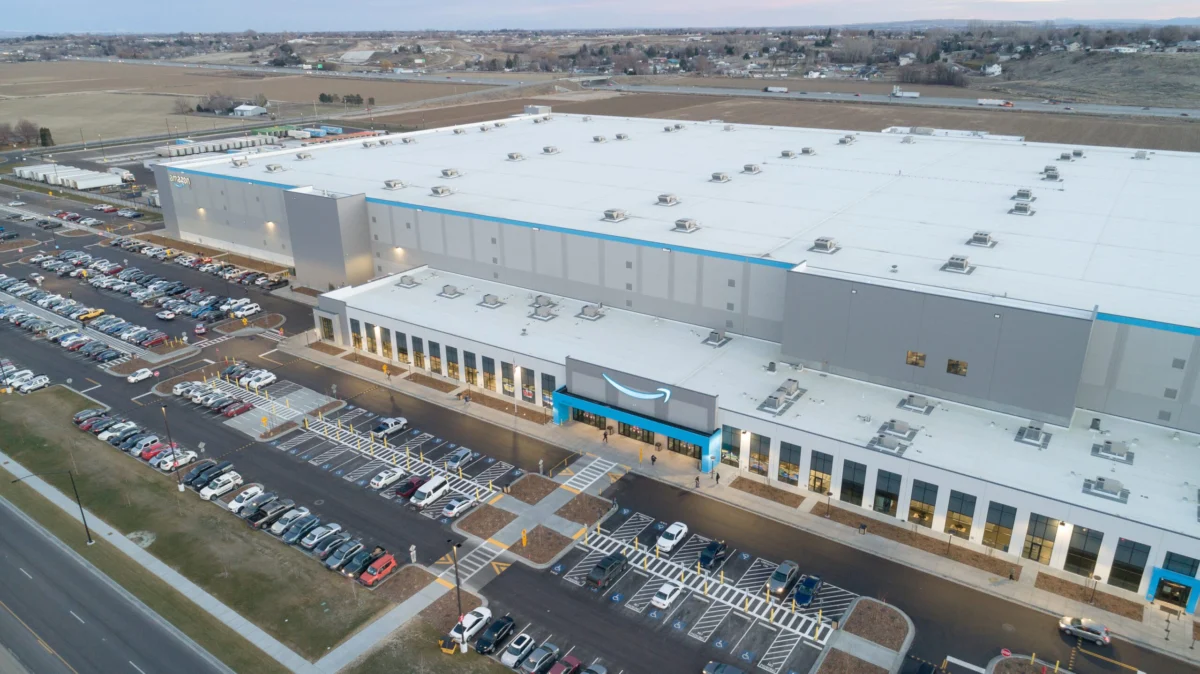
Amazon is making its vast logistics infrastructure available to businesses across the retail, healthcare, and manufacturing sectors with the groundbreaking launch of Amazon Supply Chain Services (ASCS). This strategic expansion signals Amazon’s intent to leverage its decades-honed operational expertise and massive scale to serve a broader commercial landscape, mirroring its transformative impact on cloud computing through Amazon Web Services (AWS). The online retail giant will now offer a bundled suite of its freight, warehousing, fulfillment, and parcel delivery capabilities through a unified platform accessible to any business, irrespective of whether they are existing sellers on the Amazon marketplace.
Peter Larsen, vice president of Amazon Supply Chain Services, articulated the company’s vision in a written statement: "Amazon is bringing the infrastructure, intelligence, and scale of its supply chain services – proven over decades – to businesses everywhere, much like Amazon Web Services did for cloud computing. And with the launch of ASCS, we’re confident we can give any other business access to the same cost efficiency, reliability, and speed that we’ve built for Amazon customers." This move is poised to disrupt the traditional logistics industry, presenting a formidable new competitor to established players like UPS and FedEx.
The introduction of ASCS represents a significant evolution from Amazon’s previous logistics offerings, which were largely confined to supporting third-party sellers on its e-commerce platform. Now, businesses can tap into Amazon’s end-to-end supply chain solutions for their broader operational needs, extending beyond direct-to-consumer e-commerce. This includes enabling business-to-business (B2B) companies to streamline their operations, from sourcing raw materials to delivering finished goods. Early adopters, such as Procter & Gamble, are already utilizing Amazon’s freight services to transport materials to production facilities and distribute finished products across their extensive networks. Similarly, 3M is leveraging Amazon’s freight capabilities to move products from manufacturing sites to global distribution centers.
This strategic pivot places Amazon in direct competition with established logistics titans. The immediate market reaction to the ASCS announcement was telling, with shares of UPS and FedEx reportedly falling more than 9%, underscoring the perceived threat to their market share. The sheer scale and efficiency of Amazon’s existing network, refined through years of serving millions of consumers and sellers, provides a powerful competitive advantage.
The Genesis of Amazon Supply Chain Services
The roots of ASCS can be traced back to Amazon’s relentless pursuit of operational excellence and its continuous investment in its fulfillment network. Over the past two decades, Amazon has meticulously built one of the most sophisticated and expansive logistics operations in the world. This network encompasses a vast array of fulfillment centers, sortation centers, delivery stations, and a dedicated transportation fleet, including planes, trucks, and vans. The company’s pioneering use of technology, from robotics in warehouses to advanced algorithms for route optimization and inventory management, has been instrumental in achieving remarkable speed and efficiency.
The decision to externalize these capabilities did not happen overnight. Amazon has been subtly testing the waters for some time, offering certain logistics services to select partners. However, the formal launch of ASCS signifies a strategic commitment to scaling these offerings and making them a significant revenue stream. This move is a natural progression for a company that has consistently looked for ways to monetize its internal capabilities and infrastructure. The success of AWS, which transformed Amazon from an e-commerce giant into a cloud computing powerhouse, serves as a clear blueprint for the potential of ASCS.
ASCS: A Comprehensive Suite of Logistics Solutions
Amazon Supply Chain Services is meticulously structured around three core pillars, designed to offer a holistic solution for businesses’ logistical challenges:
-
Transportation: This encompasses a broad spectrum of freight services, including Less Than Truckload (LTL) and Full Truckload (FTL) shipping, air cargo, and ocean freight. ASCS aims to provide end-to-end visibility and control over goods in transit, leveraging Amazon’s global network of carriers and its own fleet. The service promises competitive pricing and optimized routing to minimize transit times and costs. This includes the ability to move raw materials to manufacturing plants, transfer inventory between facilities, and deliver finished goods to distributors, retailers, or end customers.
-
Warehousing and Fulfillment: Beyond its existing fulfillment services for marketplace sellers, ASCS will offer dedicated warehousing solutions for external businesses. This includes inventory storage, order picking and packing, and returns processing. Businesses can utilize Amazon’s strategically located fulfillment centers to store their inventory closer to their customers, reducing delivery times and shipping costs. The sophisticated inventory management systems and automated processes within Amazon’s warehouses are designed to handle high volumes and ensure accuracy. This pillar is crucial for businesses looking to outsource their warehousing operations without compromising on efficiency or customer satisfaction.
-
Delivery: This component leverages Amazon’s extensive last-mile delivery network, including its fleet of delivery vehicles and its partnerships with various carriers. ASCS will provide businesses with options for same-day, one-day, and two-day delivery, mirroring the speed and reliability that Amazon customers have come to expect. The service is designed to handle both B2C and B2B deliveries, offering flexibility and scalability to meet diverse business requirements. This includes managing complex delivery schedules and ensuring timely arrival of goods, which is critical for sectors like healthcare where prompt delivery of medical supplies is paramount.
Supporting Data and Market Context
Amazon’s dominance in e-commerce provides a strong foundation for its foray into logistics services. The company consistently ranks at the top of industry analyses, underscoring its unparalleled reach and customer base. For instance, Amazon holds the No. 1 position in Digital Commerce 360’s Top 2000 Database, which meticulously tracks the largest North American online retailers based on their annual e-commerce sales. Furthermore, it ranks third in Digital Commerce 360’s Global Online Marketplaces Database, a testament to its significant influence in the broader online marketplace ecosystem.
This established presence and proven operational capability are key differentiators for ASCS. The sheer volume of goods Amazon handles daily provides a level of data and experience that few other logistics providers can match. This data is invaluable for optimizing routes, predicting demand, managing inventory, and identifying potential disruptions. The company’s ongoing investment in artificial intelligence and machine learning further enhances its ability to refine these processes and offer predictive insights to its clients.
The global supply chain has faced unprecedented challenges in recent years, including pandemic-related disruptions, geopolitical tensions, and fluctuating consumer demand. These challenges have highlighted the critical importance of resilient, efficient, and agile logistics networks. Businesses are increasingly seeking partners who can offer not just transportation and warehousing, but also strategic insights and technological solutions to navigate this complex environment. ASCS appears positioned to meet this growing demand.
Broader Impact and Implications
The launch of Amazon Supply Chain Services carries significant implications for the logistics industry and the broader business landscape:
-
Increased Competition and Price Pressure: The entry of a major player like Amazon is expected to intensify competition within the logistics sector. This could lead to more competitive pricing and innovation as existing providers strive to match Amazon’s offerings. Companies that have historically relied on established carriers may find themselves re-evaluating their partnerships in light of Amazon’s comprehensive and potentially more cost-effective solutions.
-
Democratization of Advanced Logistics: ASCS has the potential to democratize access to sophisticated supply chain capabilities. Small and medium-sized businesses, which may have previously found it difficult or prohibitively expensive to leverage advanced logistics, could now benefit from Amazon’s scale and technology. This could level the playing field and enable a wider range of businesses to compete more effectively.
-
Data Integration and Visibility: Amazon’s integrated platform is likely to offer businesses enhanced visibility and control over their supply chains. By consolidating various logistics functions into a single system, ASCS can provide real-time tracking, inventory management, and performance analytics, empowering businesses to make more informed decisions. This level of integrated data is a significant advantage over fragmented logistics solutions.
-
Potential for Disruption in Healthcare and Manufacturing: The inclusion of healthcare and manufacturing sectors in ASCS’s target markets suggests a strategic effort to address the unique logistical needs of these industries. For healthcare, this could mean faster and more reliable delivery of pharmaceuticals, medical devices, and other critical supplies. In manufacturing, it could translate to optimized inbound logistics for raw materials and more efficient outbound distribution of finished products.
-
Regulatory Scrutiny: As Amazon expands its reach into yet another critical sector, it is likely to face increased scrutiny from regulatory bodies regarding market dominance and potential anti-competitive practices. The company’s history of innovation is often accompanied by a complex relationship with regulators, and this expansion will undoubtedly be closely watched.
Official Responses and Industry Reactions
While specific official responses from direct competitors like UPS and FedEx have been limited following the announcement, the market’s reaction—evidenced by their stock performance—speaks volumes. Industry analysts are closely observing how these established players will adapt to this new competitive dynamic. Some analysts suggest that UPS and FedEx may need to accelerate their own digital transformation initiatives and emphasize their unique strengths, such as specialized handling for hazardous materials or deep-rooted customer relationships in specific sectors.
The broader business community is likely to approach ASCS with a mix of excitement and caution. Businesses facing significant supply chain challenges may see ASCS as a welcome solution, offering a path to greater efficiency and cost savings. However, concerns about vendor lock-in, data privacy, and the long-term implications of relying on a single, dominant provider are also likely to be key considerations for many potential clients.
The success of ASCS will ultimately depend on its ability to deliver on its promises of cost efficiency, reliability, and speed for a diverse range of businesses. Amazon’s track record in other ventures suggests a strong likelihood of success, but the complexities of the B2B logistics market, with its varied needs and established relationships, present a unique set of challenges and opportunities. The company’s ability to customize its offerings and provide exceptional customer service beyond its established e-commerce model will be critical factors in its long-term impact.