rifanmuazin
A comprehensive sales strategy is the bedrock of any successful business, encompassing every facet of the sales cycle from initial prospect identification to closing deals and fostering long-term customer relationships. It’s not a static document but a dynamic blueprint, continuously refined with evolving market intelligence and team performance data to optimize future outreach and conversion efforts. This strategic approach is crucial for maximizing sales team productivity and enabling marketing departments to position a company and its offerings with unparalleled effectiveness.
The benefits of a well-defined sales strategy are multifaceted and directly impact a company’s bottom line. By meticulously outlining target audiences and the most effective methods to reach them, sales professionals can dedicate their valuable time to high-impact activities. This strategic focus is particularly vital for small and growing businesses struggling to establish consistent lead generation channels. Identifying the ideal buyer persona allows for precise targeting and the articulation of compelling value propositions, ensuring that every sales effort is directed towards opportunities with the highest potential for conversion. This sharp focus on what truly matters—activities that drive revenue—prevents the wasteful allocation of resources on less productive tasks.
The Pillars of a Robust Sales Strategy
A robust sales strategy is built upon several key pillars, each contributing to sustainable revenue growth and operational efficiency.
1. Prioritizing High-Impact Activities
For many businesses, particularly those in their nascent stages, the quest for consistent lead generation can be an arduous journey. The challenge lies in identifying and consistently tapping into acquisition channels that reliably deliver qualified prospects. A well-crafted sales strategy addresses this by clearly defining the ideal buyer persona. Once this profile is established, the strategy can dictate precisely how to engage these individuals, what messaging will resonate most effectively, and which value propositions hold the greatest appeal. This clarity empowers sales teams to concentrate their efforts on activities that demonstrably move the needle, such as personalized outreach, strategic follow-ups, and in-depth needs assessments, rather than scattering their efforts across less productive endeavors. Research consistently shows that when sales and marketing teams are aligned and focused on these high-impact activities, overall efficiency and effectiveness skyrocket.

2. Accelerating Revenue and Pipeline Growth
The ultimate goal of any sales strategy is to drive revenue growth and expand the sales pipeline. This can be achieved through various means, including strategic price adjustments or optimizing acquisition channels for higher conversion rates. Evidence suggests a strong correlation between integrated sales and marketing efforts and increased revenue. A study by HubSpot found that companies with closely aligned sales and marketing teams, often referred to as "smarketing," experience a remarkable 38% higher sales win rate. This synergy ensures that marketing efforts generate qualified leads that are well-primed for sales engagement, and that sales teams provide valuable feedback to marketing to refine future campaigns.
3. Cultivating Repeatable and Scalable Systems
A fundamental aspect of a successful sales strategy is its ability to create repeatable processes that foster predictable growth. Instead of relying on ad-hoc approaches or guesswork, a strategy provides a framework for applying proven sales methodologies to all leads. For instance, if data reveals that leads who receive a product demonstration convert at a significantly higher rate—say, 50%—than those who do not, this becomes a critical, repeatable step in the sales process for all interactions. This systematic approach ensures consistency, reduces the likelihood of errors, and allows for more accurate forecasting and resource allocation.
Navigating the Landscape of Sales Methodologies
Understanding the different approaches to sales engagement is crucial for developing a tailored strategy. While not mutually exclusive, a business’s model and customer base will often dictate a preference for one or two primary methodologies.
Inbound Sales: Attracting and Nurturing
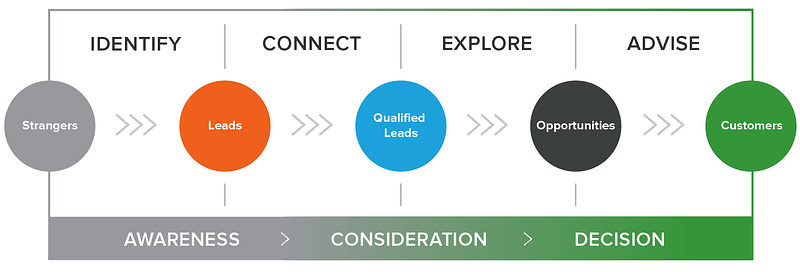
Inbound sales strategies are centered on attracting leads by providing valuable content that addresses their needs and interests. This approach seamlessly integrates sales and marketing efforts. A typical inbound scenario might involve a marketing team publishing insightful articles, whitepapers, or webinars. When a potential customer engages with this content, perhaps by downloading a whitepaper that piques their interest, the sales team can then follow up. This follow-up isn’t a cold call but a conversation aimed at understanding the prospect’s pain points and scheduling a product demonstration. In this model, sales representatives act as trusted advisors, guiding leads through the process to ensure the product or service is a genuine fit for their challenges. The inbound sales methodology, often visualized as a funnel, emphasizes creating helpful resources that draw potential customers in organically.
Outbound Sales: Proactive Engagement
Outbound sales strategies, in contrast, involve the proactive sourcing and contacting of leads. This classic approach, which has been the foundation of many successful businesses, relies on methods like cold email and cold calling. For outbound strategies to be effective, a business must possess a compelling offer and a streamlined sales process. Crucially, adherence to data privacy regulations, such as GDPR, is paramount when sourcing and contacting leads. DemandScience, for example, offers solutions to ensure GDPR-compliant lead generation, a vital consideration in today’s regulatory environment.
Account-Based Marketing (ABM): Precision Targeting
Account-Based Marketing (ABM) is a highly strategic approach that focuses on identifying and engaging specific high-value accounts that exhibit a strong potential fit for a company’s product or service. Once these target accounts are identified, personalized content and outreach strategies are developed to nurture relationships with multiple decision-makers within those organizations. The objective is to build consensus and facilitate a smoother sales cycle by providing tailored information at every stage. ABM necessitates close collaboration between sales and marketing teams, flipping the traditional model by defining the target audience first and then crafting campaigns around their unique needs. An example of ABM in action would be a coordinated effort involving targeted LinkedIn advertisements and personalized cold emails sent by the sales team to key individuals within a chosen account. This strategic alignment ensures that all touchpoints are consistent and reinforce the value proposition.
Essential Steps for Building Your Sales Strategy
Developing an effective sales strategy requires a structured, step-by-step approach.
1. Define Your Ecosystem: Industry, Product, and Buyer Persona
The foundational element of any sales strategy is a deep understanding of the business’s operating environment. This begins with a clear definition of the ideal customer—the buyer persona. How does your business uniquely position itself to serve this persona? This involves analyzing the industry landscape, understanding competitive pressures, and identifying unique selling propositions. The Average Contract Value (ACV) also plays a significant role. Businesses with a low ACV may employ different tactics than those with a high ACV. Similarly, industry norms dictate preferred engagement methods; some industries thrive on trade shows and in-person meetings, while others are predominantly online.
2. Setting Clear and Achievable Sales Goals
Sales goals should be meticulously aligned with broader company objectives. Once overarching sales targets are established, they must be broken down into actionable Key Performance Indicators (KPIs) and individual goals for sales representatives. For instance, a quarterly revenue target might translate into weekly goals such as sending 100 cold emails or conducting 20 discovery calls. The essence of effective goal-setting is ensuring that these objectives accurately reflect the expected activities of the sales team and the desired outcomes.
3. Identifying Key Acquisition Channels
The selection of appropriate acquisition channels is paramount and directly stems from the buyer persona. Understanding where your ideal customer spends their time and how they prefer to be contacted is critical. A diverse range of demand generation strategies can be employed, including:

- Content Marketing: Creating valuable and relevant content to attract and engage potential customers.
- Search Engine Optimization (SEO): Optimizing online content to rank higher in search engine results.
- Social Media Marketing: Utilizing social platforms to connect with audiences and promote offerings.
- Paid Advertising: Running targeted ad campaigns on platforms like Google Ads or social media.
- Email Marketing: Engaging leads and customers through targeted email campaigns.
- Cold Outreach: Proactively contacting potential leads via email or phone.
- Referral Programs: Encouraging existing customers to refer new business.
- Partnerships: Collaborating with complementary businesses to reach new audiences.
The cost-effectiveness of these channels is also a consideration. For a product with a low monthly price point, highly time-intensive methods like cold emailing might not be the most efficient. Conversely, for an expensive, infrequently purchased item, cold emailing can serve as an effective initial step to educate prospects before a more in-depth phone conversation.
4. Measuring and Analyzing Sales Performance
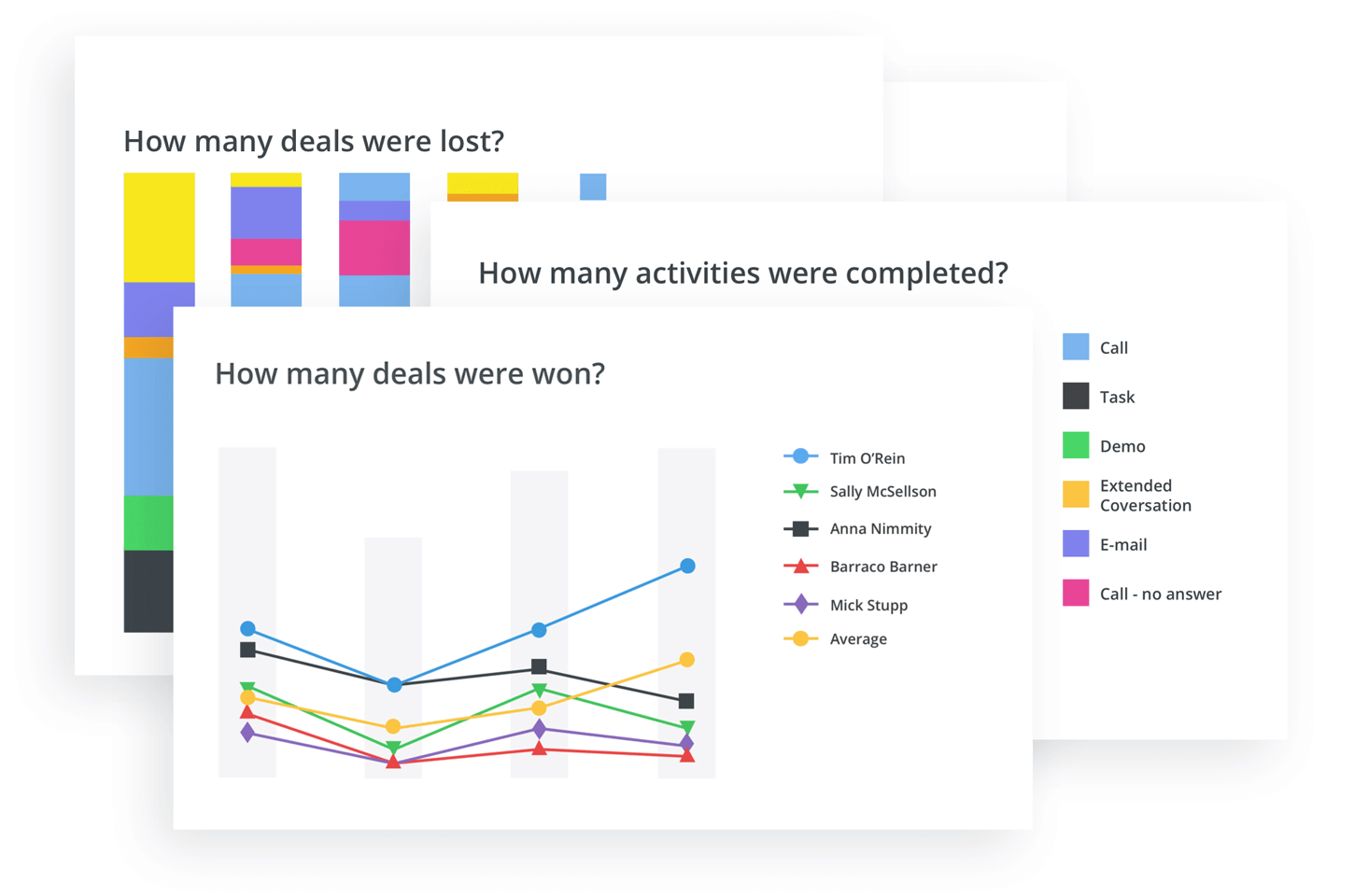
Continuous measurement is the only way to ascertain whether sales targets are being met and to identify what is working and what is not. Without tracking key metrics, businesses risk wasting valuable resources on ineffective strategies. While tools like Microsoft Excel or Google Sheets can serve as basic tracking systems, dedicated sales performance tracking tools and Customer Relationship Management (CRM) systems offer more robust capabilities.
CRMs, such as Pipedrive, HubSpot CRM, or Salesforce, provide built-in analytics that offer detailed reports on metrics like cold email open rates, response rates, conversion rates, and revenue forecasts. Over 50% of sales teams report increased productivity when utilizing a CRM, underscoring its importance in efficient workflow management and goal attainment. A well-implemented tracking system ensures sales teams are optimizing their time and that the implemented sales strategies are yielding desired results.
5. Automating Repetitive Processes
Once a sales strategy demonstrates success, automating repetitive tasks becomes a critical step in scaling operations and freeing up sales representatives to focus on high-value interactions. Automation can significantly reduce the time spent on administrative duties, allowing sales reps to dedicate more time to engaging with qualified leads.
DemandScience offers solutions that can automate the creation of targeted lead lists based on specific buyer persona criteria, such as job titles, industry, company size, and technology stacks. Tools like Lead Forensics can identify companies visiting a website, enabling proactive outreach. Lead scoring, another crucial process that can be automated, assigns a score to leads based on their engagement with a brand, helping sales teams prioritize their efforts and know precisely when to reach out. CRMs like HubSpot CRM, Salesforce, and Agile CRM often include lead scoring functionalities, empowering sales teams with data-driven insights.
Optimizing Your Sales Strategy for Continuous Improvement
The sales landscape is constantly evolving, necessitating ongoing optimization of sales strategies. This involves regularly reviewing campaign performance to identify underperforming areas and making iterative improvements. For example, if cold email open rates are consistently low, a systematic analysis should be conducted. Potential culprits include the subject line of the email or the content within the email body. By altering one variable at a time and meticulously monitoring the impact on open rates, businesses can refine their messaging for maximum effectiveness.
Never Overlook Existing Customers
The value of existing customers cannot be overstated. Statistics indicate that businesses are significantly more likely to sell to existing customers than to acquire new ones, with some studies suggesting a 60-70% higher probability. Maintaining high levels of customer satisfaction is therefore paramount, as a substantial amount of revenue is lost annually due to avoidable customer churn. Nurturing these relationships through exceptional post-sale support, proactive communication, and exclusive offers can foster loyalty and drive repeat business, forming a vital component of a holistic sales strategy.
In conclusion, a well-defined, dynamic, and continuously optimized sales strategy is not merely a set of guidelines; it is the engine that drives sustainable business growth, enhances team productivity, and ensures a competitive edge in today’s marketplace. By embracing a structured approach to strategy development, measurement, and optimization, businesses can unlock their full revenue potential and build lasting customer relationships.