rifanmuazin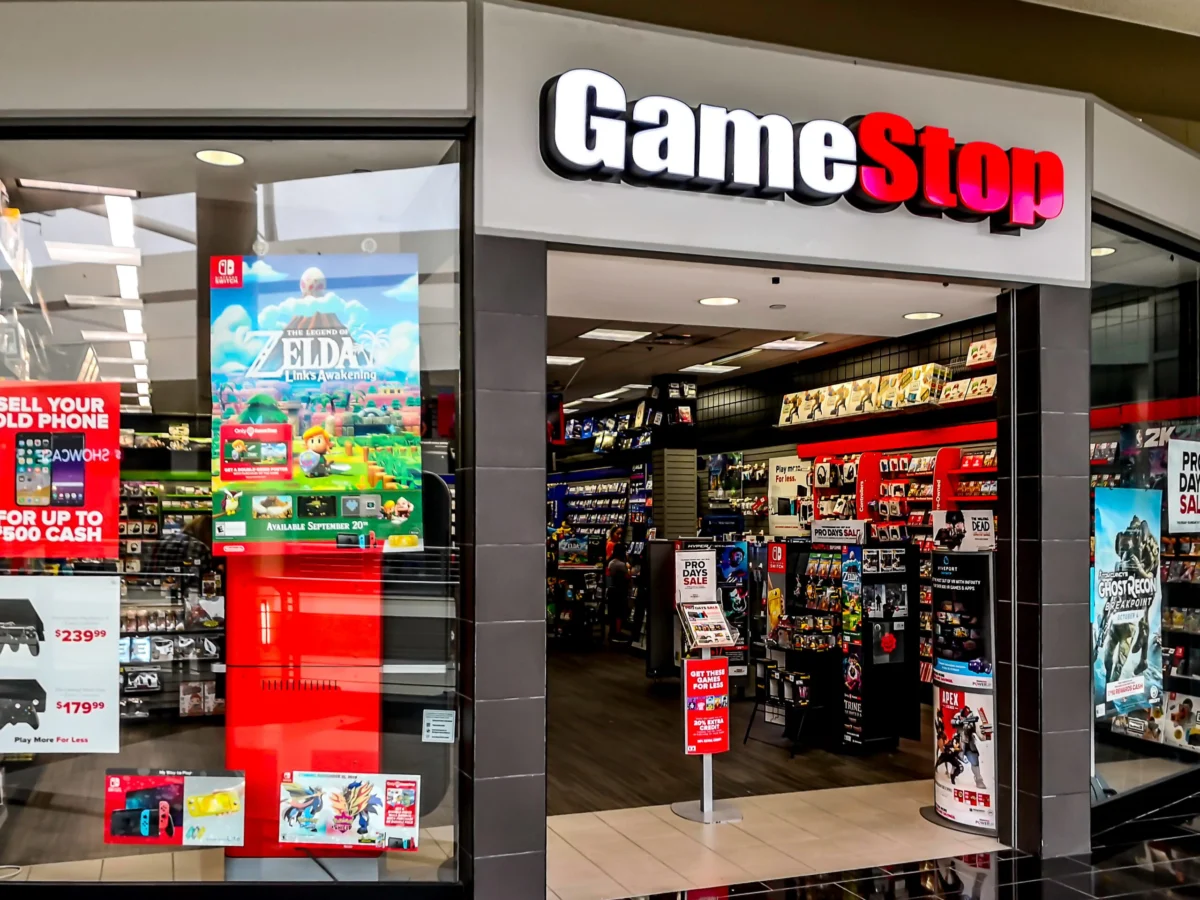
In a move that has sent ripples through the e-commerce and retail sectors, GameStop, the video game and consumer electronics retailer, has formally submitted a proposal to acquire the online marketplace giant eBay. The unsolicited, non-binding offer values eBay at approximately $55.5 billion, a staggering sum that highlights the ambitious scale of GameStop’s strategic vision. This bold proposition arrives at a time when eBay has just reported robust quarterly sales, significantly outpacing GameStop’s annual revenue, and as GameStop itself navigates a challenging retail landscape.
The financial disparity between the two companies is stark. GameStop’s most recent full fiscal year saw net sales of $3.63 billion. In contrast, eBay reported $3.09 billion in sales within its single most recent fiscal quarter, which concluded on March 31. This significant revenue difference raises immediate questions about the feasibility of the acquisition and GameStop’s ability to finance such a monumental transaction. The proposal itself, as publicly disclosed by GameStop, accounts for less than $30 billion of the required funds, leaving a substantial funding gap yet to be addressed.
GameStop’s financial disclosures, as of January 31, 2026 (the end of its fiscal Q4 2025), indicate approximately $9 billion in cash, cash equivalents, and marketable securities. This liquidity, while substantial for GameStop’s operational needs, falls far short of the $55.5 billion price tag for eBay. The proposed acquisition structure involves a combination of cash and GameStop common stock, with each share of eBay valued at $125. This represents a 46% premium over eBay’s closing price on February 4, 2026, the date GameStop claims to have initiated its stake accumulation in eBay through derivatives and beneficial ownership of common stock, securing a reported 5% economic stake.
The proposal outlines a split consideration, with half the payment in cash and the other half in GameStop common stock. This structure would offer eBay shareholders election rights regarding their preferred form of consideration, subject to pro-rata allocation. However, the financing details provided by GameStop thus far total less than $30 billion, leaving a significant portion of the acquisition price unfunded and prompting widespread inquiry into how GameStop intends to bridge this considerable gap. GameStop CEO Ryan Cohen has yet to elaborate on the specific mechanisms for securing the remaining funds.
A Timeline of Unsolicited Interest
The sequence of events leading to this public proposal offers a glimpse into GameStop’s strategic maneuvering. eBay announced its quarterly sales figures on April 29. Four days later, on a Sunday night, GameStop submitted its unsolicited acquisition proposal. This timing suggests a swift and decisive action by GameStop’s leadership, likely following a period of internal deliberation and analysis.
GameStop’s public disclosure of the proposal was accompanied by a letter from CEO Ryan Cohen addressed to eBay’s board chairman, CEO, and chief legal officer. In this communication, Cohen articulated a vision for a combined entity, highlighting potential synergies and cost reductions. He proposed that GameStop’s approximately 1,600 U.S. retail locations could serve as a "national network" for eBay’s operations, facilitating authentication, intake, fulfillment, and even live commerce initiatives. This integration strategy suggests an attempt to leverage GameStop’s physical footprint to enhance eBay’s logistical capabilities and customer touchpoints.
On May 4, eBay formally confirmed the receipt of the "unsolicited, non-binding acquisition proposal from GameStop." Crucially, eBay stated that it had "no discussions with or outreach from GameStop prior to receiving the proposal," underscoring the unsolicited nature of the offer. The online marketplace confirmed that its board of directors would undertake a thorough review of the proposal, engaging with financial and legal advisors to determine the appropriate course of action. In the interim, eBay advised its shareholders to refrain from taking any immediate action. The company also indicated a commitment to silence on the matter until its review is complete, stating it "does not intend to comment further" until the proposal has been "carefully and thoroughly considered."
Adding another layer to the narrative, Ryan Cohen appeared in a televised interview with CNBC on the morning of May 4, the same day eBay confirmed the proposal. During the interview, Cohen expressed his belief that "eBay could be making a lot more money" and alluded to the potential for "leverage on the balance sheet in order to make an acquisition possible." However, he did not provide specific details regarding GameStop’s financial strategy for the acquisition. Instead, he focused on what he perceives as inefficiencies within eBay, suggesting the company has "a lot of fat to cut" and asserting, without presenting concrete evidence or a detailed strategy, that eBay’s earnings could be "doubled in a short period of time."
Financial Footprints: A Tale of Two Companies
To understand the potential implications of this proposed merger, it’s essential to examine the financial standing and market positions of both GameStop and eBay. According to Digital Commerce 360’s Top 2000 Database, which ranks North America’s largest online retailers by annual global e-commerce sales, GameStop ranked at No. 81, a notable drop from its previous position at No. 55. The company experienced a significant year-over-year decrease of 26% in its online sales during fiscal year 2025, reflecting the broader challenges facing brick-and-mortar retailers in an increasingly digital marketplace.
In stark contrast, eBay holds a commanding position in the e-commerce landscape. It ranks No. 6 in Digital Commerce 360’s Global Online Marketplaces Database, which assesses the 100 largest marketplaces based on third-party gross merchandise value (GMV). In its fiscal Q1 2026, eBay demonstrated healthy growth, reporting 17% revenue growth and 14% GMV growth year over year. Its GMV reached an impressive $22.2 billion in that quarter alone. This robust performance underscores eBay’s established strength and market dominance as a global online marketplace.
Furthermore, eBay has recently been active in its own strategic acquisitions. The company reached an agreement in February 2026 to acquire the popular fashion marketplace Depop from Etsy for $1.2 billion in cash. This acquisition signals eBay’s ongoing commitment to expanding its portfolio and strengthening its position in key market segments. The contrast in recent performance and strategic initiatives between GameStop and eBay is a critical factor in assessing the viability and potential impact of GameStop’s acquisition proposal.
Analyzing the Implications and Future Outlook
The proposed acquisition of eBay by GameStop, if successful, would represent a monumental shift in the retail and e-commerce industries. The immediate challenge for GameStop lies in overcoming the substantial financial hurdle. The disclosed financing plan is insufficient, and the company will need to articulate a clear and credible strategy for raising the remaining capital. This could involve significant debt financing, equity offerings, or potentially strategic partnerships, each carrying its own risks and complexities.
The integration of GameStop’s physical retail presence into eBay’s online operations presents an intriguing, albeit challenging, prospect. While Cohen envisions a synergy that leverages GameStop’s stores for logistical support, the practical implementation and cost-effectiveness of such a model remain to be seen. The potential for cost reductions within eBay, as suggested by Cohen, could be a significant driver for GameStop, but realizing these savings would require a detailed operational overhaul and potentially difficult decisions regarding workforce and infrastructure.
The market reaction to the news has been mixed, with analysts scrutinizing the financial feasibility and strategic rationale behind GameStop’s ambitious move. eBay’s board is expected to conduct a rigorous evaluation, considering not only the financial terms but also the strategic fit and long-term implications of such a merger. The unsolicited nature of the proposal places eBay’s board in a position of power to either negotiate a more favorable deal, reject the offer outright, or explore alternative strategic options, including potential counter-bids from other interested parties.
The broader implications of this proposed acquisition extend to the competitive landscape of e-commerce. A combined GameStop-eBay entity could wield significant market power, potentially influencing pricing, platform fees, and consumer behavior. However, the success of such a venture hinges on GameStop’s ability to navigate the complex financial, operational, and regulatory challenges inherent in a deal of this magnitude. The coming months will undoubtedly be pivotal as eBay’s board deliberates on the proposal and GameStop works to solidify its financing strategy, leaving the industry to ponder the potential dawn of a new, albeit uncertain, era in online retail.