
 rifanmuazin
Paid search advertising generated a record-breaking $102.9 billion in U.S. revenue in 2024, solidifying its position as the primary driver of the digital marketing economy. This milestone represents a significant portion of all digital ad spending, accounting for nearly 40% of the market. The massive scale of this sector is driven by a singular value proposition: the ability to place a brand directly in front of a consumer at the precise moment of high-intent inquiry. However, as the market matures, the landscape is shifting from a simple bidding war to a complex ecosystem requiring sophisticated technical execution, AI integration, and a rigorous focus on the post-click user experience.
The Current State of the Search Advertising Market
The 2024 revenue figures highlight a resilient and expanding industry. Despite fluctuations in the broader economy, search advertising remains the "gold standard" for performance marketing because it targets active demand rather than passive interest. In the United States, search revenue has seen consistent year-over-year growth, bolstered by the increasing sophistication of machine learning algorithms that match ads to user queries with higher precision.
While the market is vast, it is also becoming increasingly expensive. Industry benchmarks indicate that the average cost-per-lead (CPL) has risen from approximately $66.69 in 2024 to an estimated $70.11 in 2025. This upward trajectory in costs is attributed to heightened competition across saturated sectors such as legal, insurance, and financial services, where cost-per-click (CPC) rates can frequently exceed $50. For marketers, this means that the margin for error in campaign management has significantly narrowed.
The Mechanics of the Modern Search Auction
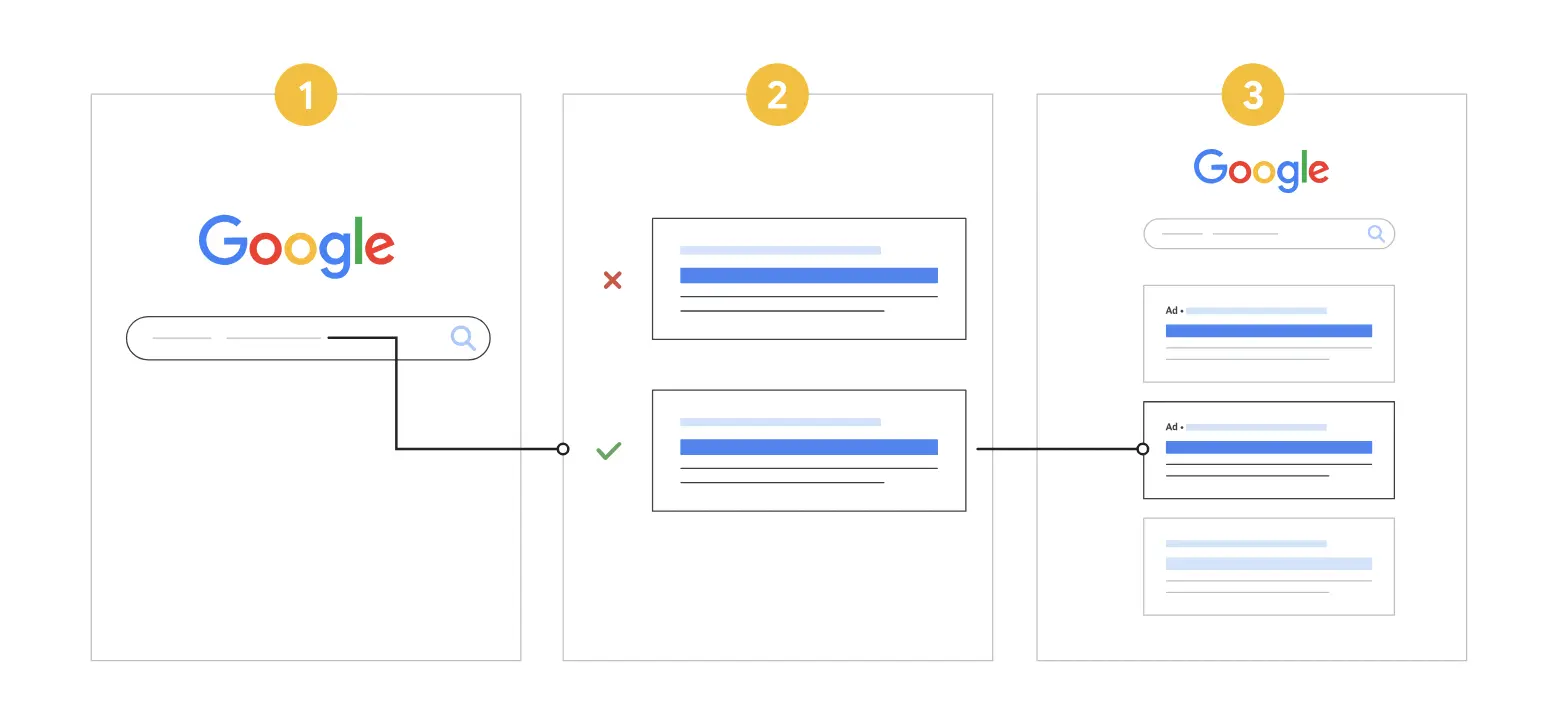
The functionality of paid search is predicated on a real-time, automated auction that occurs in the milliseconds it takes for a search engine to load a results page. Unlike traditional auctions where the highest bidder always wins, search engines utilize a multi-variable formula to determine Ad Rank.
- Bid Amount: The maximum price an advertiser is willing to pay for a click.
- Quality Score: A metric used by Google and Microsoft to measure the relevance of an ad, the quality of the landing page, and the expected click-through rate (CTR).
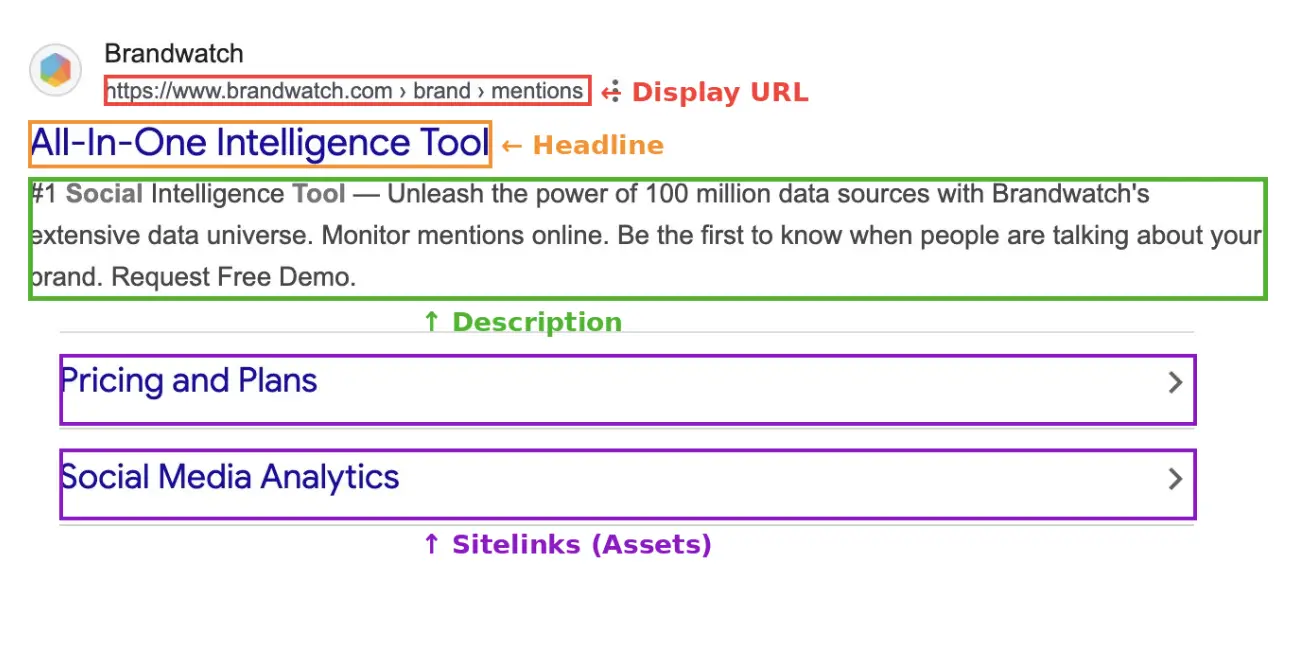
- Ad Assets and Format: The expected impact of extensions and other ad formats, such as sitelinks or callouts, which provide additional information to the user.
The final Ad Rank determines the ad’s position on the Search Engine Results Page (SERP). A well-optimized ad with a high Quality Score can outrank a competitor with a higher bid but lower relevance. This system incentivizes advertisers to create helpful, relevant content rather than simply relying on large budgets.

Dominant Platforms and the Competitive Landscape
Google Ads remains the undisputed leader in the space, commanding roughly 90% of the global search market. Its ecosystem extends beyond the search bar into YouTube, Gmail, and the Google Display Network, providing a comprehensive reach. However, Microsoft Advertising has carved out a significant niche, particularly in the B2B sector. By syndicating ads across Bing, Yahoo, AOL, and DuckDuckGo, Microsoft captures a demographic that is often older and has higher average household income. Furthermore, Microsoft’s exclusive partnership to serve ads on Netflix’s ad-supported tier represents a new frontier for search-adjacent inventory.
The rise of specialized search platforms has also fragmented the market. Apple Search Ads has become a critical channel for app developers, capturing intent within the iOS App Store. Similarly, Amazon has emerged as a powerhouse for retail search, often serving as the starting point for product inquiries, bypassing traditional search engines entirely.
Diversity in Ad Formats and the Role of Artificial Intelligence
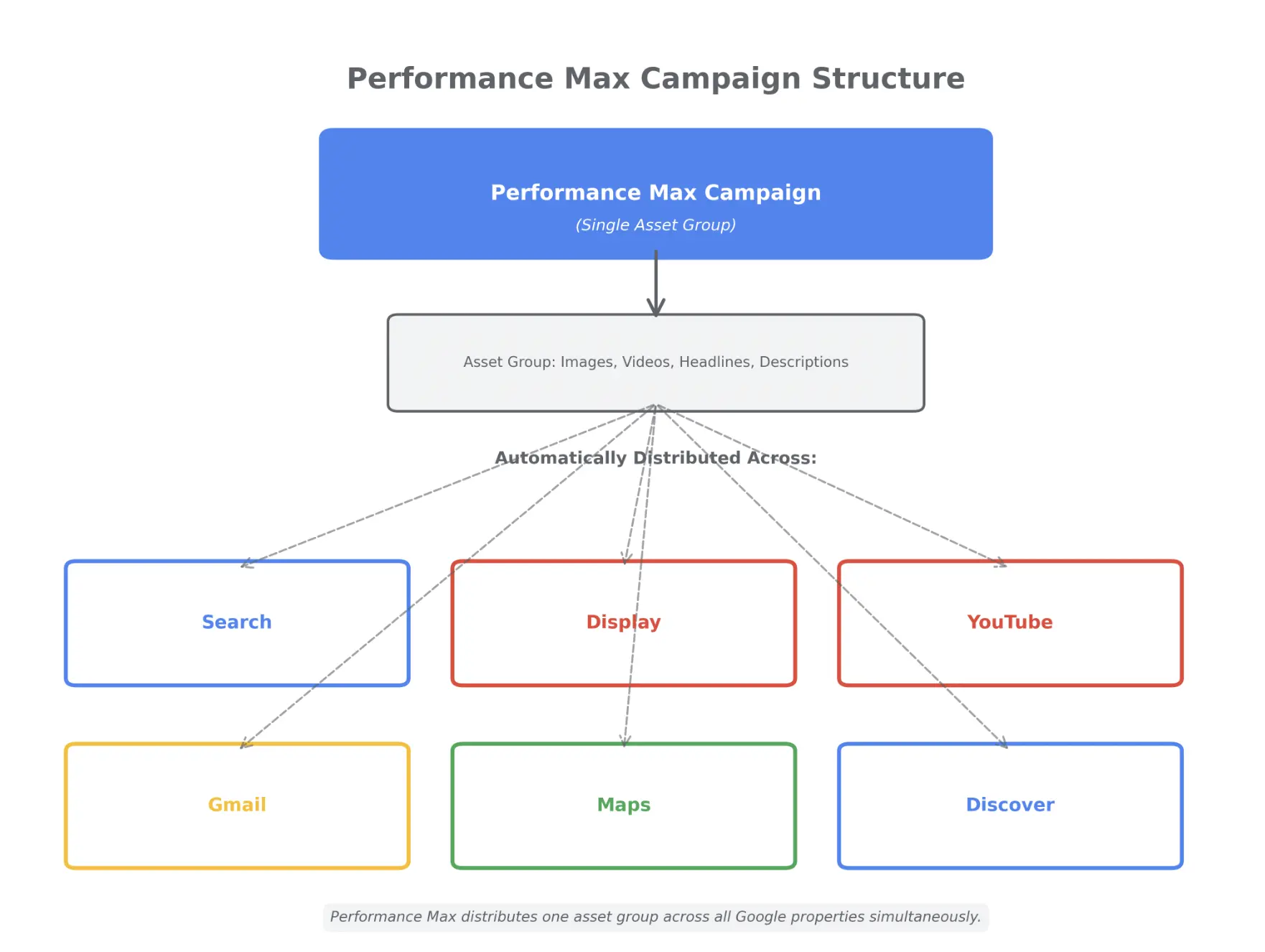
The industry is currently undergoing a transition toward automation and "black box" campaign types. The most prominent example is Google’s Performance Max (PMax), an AI-driven campaign type that serves ads across all Google channels from a single setup. PMax uses machine learning to optimize bids and placements in real-time, focusing on conversion goals rather than specific keywords.
Other critical formats include:
- Responsive Search Ads (RSAs): These allow advertisers to provide multiple headlines and descriptions, which the search engine then rotates and tests to find the best-performing combination for each individual user.
- Dynamic Search Ads (DSAs): These eliminate the need for keyword bidding by using a website’s content to automatically generate ads for relevant search queries.
- Shopping Ads: Essential for e-commerce, these ads use product data feeds rather than text-based ad copy to show images, prices, and ratings directly on the SERP.
Paid Search vs. Organic Search: A Strategic Duality
While paid search provides immediate visibility, it is fundamentally different from Search Engine Optimization (SEO). Paid search (often referred to as Search Engine Marketing or SEM) is a "pay-to-play" model that offers instant results and granular targeting control. In contrast, SEO is a long-term investment in authority and content relevance that can take six to twelve months to yield significant traffic.
The most effective digital strategies do not choose one over the other; they utilize both. Paid search is used to capture immediate demand and test messaging, while SEO builds a foundation of compounding, "free" traffic. Furthermore, data from paid search campaigns—such as which keywords have the highest conversion rates—is often used to inform the content strategy for organic search.
The Critical Importance of the Post-Click Experience
The most common point of failure in modern search campaigns is the "post-click" experience. Historically, marketers focused heavily on the ad itself, but data shows that the landing page is the primary determinant of Return on Ad Spend (ROAS). Sending paid traffic to a generic homepage is increasingly viewed as a wasteful practice. Homepages often contain multiple navigation links and competing calls-to-action (CTAs) that distract high-intent visitors.
To combat rising CPCs, sophisticated advertisers are turning to dedicated landing pages that employ "message match." This concept ensures that the headline, offer, and tone of the landing page exactly mirror the ad that the user clicked. Industry research suggests that while generic pages may convert at a rate of 2% to 4%, dedicated, optimized landing pages can achieve conversion rates exceeding 10% to 15%.
Key elements of high-converting landing pages include:

- Removal of Site Navigation: Eliminating "exit ramps" to keep the user focused on the conversion goal.
- Mobile Optimization: With mobile traffic dominating search, a one-second delay in page load time can result in a 20% drop in conversions.
- Audience Segmentation: Creating unique pages for different user personas (e.g., small business vs. enterprise) to address specific pain points and vocabulary.
Measurement, Attribution, and the Privacy-First Era
In 2025, measurement has become more complex due to the phasing out of third-party cookies and the introduction of stricter privacy regulations like GDPR and CCPA. Advertisers now rely heavily on first-party data and server-side tracking to maintain attribution accuracy.
Google Analytics 4 (GA4) has become the standard tool for tracking the user journey from a paid search click to a final conversion. Key Performance Indicators (KPIs) have shifted from vanity metrics like "impressions" to efficiency metrics like "Search Impression Share Lost (Budget)" and "Return on Ad Spend (ROAS)." By analyzing these metrics, brands can identify "wasted spend"—clicks that cost money but have a 0% probability of converting—and refine their negative keyword lists accordingly.
Broader Implications and Future Outlook
The search advertising industry is at a crossroads. The integration of Generative AI into search engines—such as Google’s AI Overviews and Bing’s AI-powered chat—is changing how users consume information. This shift may lead to a "zero-click" environment where users find answers without ever leaving the SERP, forcing advertisers to adapt their strategies to maintain visibility.
Furthermore, the ongoing antitrust litigation against major tech platforms could potentially reshape the search landscape, leading to more competition and shifts in how default search engines are selected on mobile devices. Despite these uncertainties, the fundamental behavior of searching for information remains a core part of the human experience. As long as users search, the $100 billion+ search advertising market will remain the cornerstone of global digital commerce.
The successful marketers of the future will be those who can balance the automated "black box" features of AI-driven platforms with a meticulous focus on human-centric conversion optimization. The ability to turn a $70 lead into a high-value customer through a seamless, personalized post-click experience is no longer a luxury—it is a requirement for survival in the increasingly competitive digital auction.








