rifanmuazin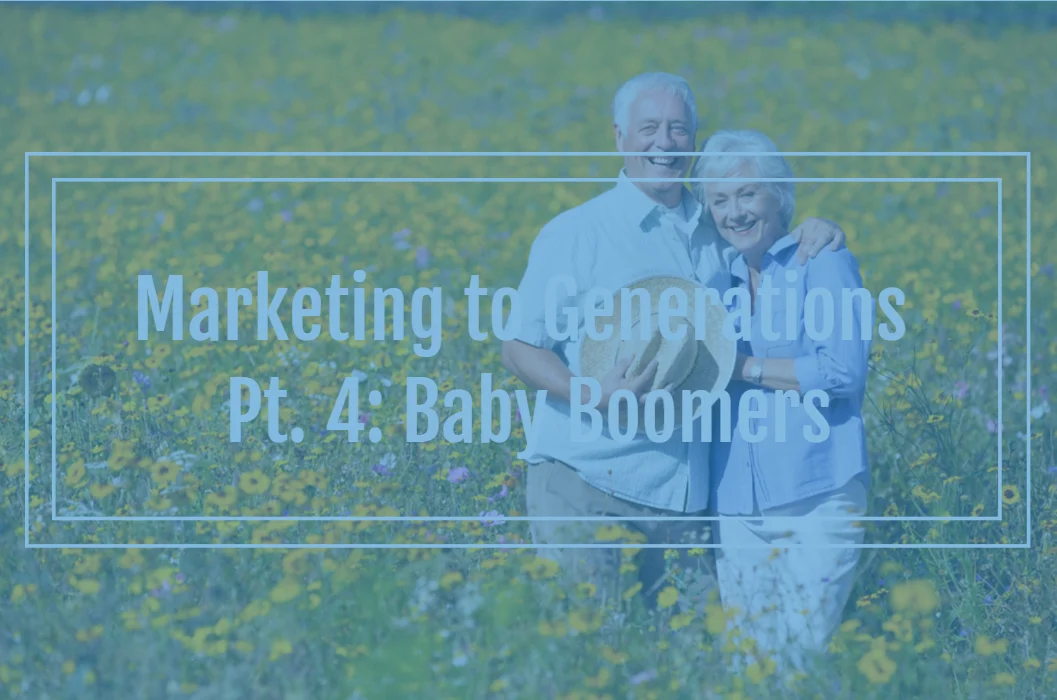
The fundamental principle of effective marketing hinges on understanding and connecting with a specific audience. This core concept, often distilled into the term "target," encompasses a multifaceted approach that considers behavioral patterns, psychographic profiles, demographic characteristics, and geographic locations. While these traditional segmentation methods remain vital, a comprehensive marketing strategy must also acknowledge the profound impact of generational cohorts. This series, "Marketing to Generations," delves into the nuances of digital marketing across various age groups, including Gen Z (1995-2010), Millennials (1980-1994), Gen X (1960-1979), and the focus of this final installment, Baby Boomers (1940-1959). By dissecting the unique attributes of each generation, businesses can refine their outreach, ensuring their messages resonate and their platforms align with consumer preferences.
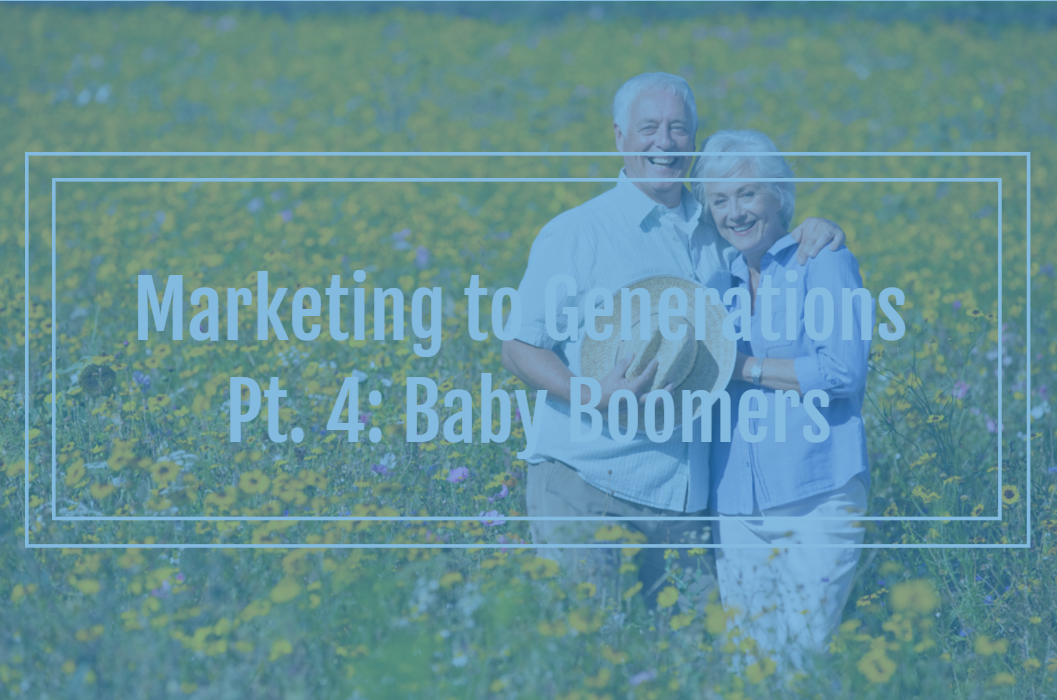
Previous analyses in this series have explored the digital landscapes of Gen Z, Millennials, and Gen X, providing insights into their media consumption habits and communication styles. Now, we turn our attention to the Baby Boomer generation, a cohort that has historically comprised a significant portion of the population and continues to wield considerable economic influence. Born in the post-World War II era, Baby Boomers have navigated a period of unprecedented technological advancement and sweeping societal transformations, shaping a distinct worldview and consumer ethos. While younger generations sometimes playfully satirize Boomer stereotypes, it is crucial to recognize the formative experiences that have sculpted this demographic.
The Enduring Mindset of the Baby Boomer Generation
The formative years of the Baby Boomer generation were indelentably marked by the aftermath of World War II. The global conflict, which resulted in an estimated 60 million military and civilian deaths, left an indelible scar on the collective consciousness. Boomers came of age witnessing the devastating impact of atomic weaponry and lived through the geopolitical tensions of the Korean and Cold Wars. For many, particularly those drafted, the Vietnam War represented a deeply divisive and challenging period. Furthermore, within the United States, a significant segment of the Baby Boomer population, especially people of color, confronted systemic racism and actively participated in the pivotal Civil Rights Movement, a struggle for equality that redefined American society. The assassination of President John F. Kennedy, the political upheaval of the Watergate scandal, and the economic instability brought on by the oil crises of the 1970s were further seismic events that shaped their perceptions of authority, trust, and societal progress.
Despite these profound challenges, the Baby Boomer era in the United States was also characterized by a period of relative economic prosperity and burgeoning optimism. The home emerged as a central symbol of stability and security, and traditional family values, which had been somewhat disrupted by wartime demands, experienced a resurgence. This socio-economic climate fostered a deep appreciation for relationships, extending this value to the connections between businesses and their clientele. Consequently, Baby Boomers have cultivated an expectation of high-quality customer service, viewing it not merely as a transactional courtesy but as a fundamental component of a positive brand interaction. This emphasis on relational engagement often translates into a preference for personalized attention and a commitment to resolving issues effectively.
A strong work ethic is another defining characteristic of the Baby Boomer generation. They largely subscribe to the belief that diligence and sustained effort are directly correlated with reward. This perspective can foster a competitive spirit and a desire for long-term career progression within a single organization, often prioritizing loyalty and advancement up the corporate ladder over frequent job changes. While many Baby Boomers are now retired, this ingrained work ethic continues to inform their approach to financial management and their engagement with consumer goods and services.
As individuals age, there is a natural tendency to accumulate greater financial resources. Baby Boomers benefited from an era where educational and housing costs were significantly lower than they are today. This financial advantage, coupled with their experience of economic fluctuations, has instilled a sense of thriftiness and a keen awareness of the value of their hard-earned money. This disposition toward financial prudence means that they are often discerning consumers, carefully weighing the cost-benefit analysis of their purchases and seeking demonstrable value for their investment.
Baby Boomer Consumption Patterns and Preferences
The distinct life experiences of Baby Boomers have resulted in discernible differences in their consumption patterns compared to subsequent generations, particularly when examining those born earlier in the cohort. A notable preference for in-store shopping over online retail is frequently observed. This inclination underscores their continued appreciation for tangible shopping experiences, personalized assistance from sales associates, and the immediate gratification of acquiring goods. For businesses with a physical presence, emphasizing location-specific services and in-store promotions remains a highly effective strategy. While Baby Boomers are certainly capable of making online purchases, and their digital engagement is growing, a physical touchpoint often enhances their confidence and satisfaction.
The pursuit of good value for money is paramount for Baby Boomers, especially for those in retirement. Financial security and the responsible management of their resources are critical concerns during this life stage. While individual circumstances vary, bundled offers and promotions that clearly articulate cost savings can be particularly appealing. Interestingly, research indicates that Baby Boomers are less inclined than younger consumers to prioritize brands that actively promote environmental sustainability. Specifically, they are 34% less likely than the average consumer to seek out brands that demonstrate a commitment to reducing energy consumption. Similarly, their engagement with broader Corporate Social Responsibility (CSR) initiatives tends to be less pronounced compared to younger demographics. This does not necessarily imply a disregard for ethical practices, but rather a prioritization of different value drivers in their purchasing decisions.
Recommendations and endorsements hold significant weight with Baby Boomers, much like with other generational groups. While influencer marketing can be a viable strategy, the selection of influencers is crucial. It is imperative that chosen influencers authentically represent the target demographic and possess a genuine connection with the product or service being promoted. Furthermore, it is essential to recognize that many Baby Boomers consult with their children and grandchildren when making purchasing decisions, particularly for technology-related items. This intergenerational influence means that marketing messages may inadvertently be reaching multiple age groups simultaneously, necessitating a nuanced approach that acknowledges these familial dynamics.
Strategic Marketing Approaches for Reaching Baby Boomers
Understanding the multifaceted mindset and consumption attitudes of Baby Boomers is the foundational step towards developing effective marketing strategies. The following outlines key considerations for reaching this influential demographic:
Platforms to Engage Baby Boomers
While Baby Boomers may not be as prevalent on emerging social media platforms like TikTok or Snapchat, their digital engagement is robust across a variety of established channels. Their media consumption habits are diverse, and strategic placement is key.
- Television: Traditional television remains a powerful medium for reaching Baby Boomers. Advertising during news programs, dramas, and lifestyle shows can yield significant reach. The perceived credibility and familiarity of television advertising often resonate well with this demographic.
- Email Marketing: Direct email remains a highly effective channel for communication and engagement. Personalized email campaigns that offer value, such as exclusive discounts, informative content, or early access to promotions, can foster strong customer relationships. The directness of email allows for clear articulation of product benefits and service offerings.
- Facebook: This social media giant continues to be a dominant platform for Baby Boomers. They utilize Facebook for connecting with friends and family, staying informed about news, and engaging with brands and communities. Targeted advertising on Facebook, utilizing detailed demographic and interest-based segmentation, can be highly effective.
- Search Engines (Google): Baby Boomers actively use search engines to research products and services. Optimizing for relevant keywords and ensuring a strong presence in search engine results pages (SERPs) through Search Engine Optimization (SEO) and paid search campaigns is crucial for capturing their intent.
- Online News Publications and Websites: Many Baby Boomers consume news and information through established online news outlets and specialized websites related to their interests. Advertising on these platforms, often through display ads and native content, can effectively reach them.
- YouTube: While often associated with younger demographics, YouTube’s reach extends across all age groups. Baby Boomers use YouTube for educational content, entertainment, and product reviews. Video advertising, particularly longer-form content that provides detailed information or demonstrations, can be highly impactful.
Messaging That Resonates with Baby Boomers
Crafting compelling marketing messages requires an understanding of their values, priorities, and communication preferences.
- Emphasize Value and Quality: Highlight the long-term benefits, durability, and cost-effectiveness of your products or services. Demonstrating tangible value for their investment is a key motivator.
- Focus on Trust and Reliability: Build credibility by showcasing customer testimonials, expert endorsements, and a history of consistent quality. Transparency and clear communication foster trust.
- Highlight Ease of Use and Convenience: While technologically adept, Baby Boomers often appreciate solutions that simplify their lives. Messages that emphasize user-friendliness and effortless integration are often well-received.
- Appeal to Nostalgia and Legacy: For certain products or brands with a long history, tapping into nostalgic sentiments or emphasizing the enduring legacy can create an emotional connection.
- Promote Health and Wellness: With an increasing focus on well-being, messages related to health, fitness, and maintaining an active lifestyle can resonate strongly.
- Showcase Family and Community Connections: Marketing that highlights family values, intergenerational relationships, or community involvement can tap into deeply held beliefs.
- Clear and Direct Language: Avoid overly complex jargon or slang. Concise, clear, and direct communication is most effective.
It is imperative to remember that these generational generalizations serve as a starting point for understanding. Within the vast Baby Boomer cohort, individual preferences, experiences, and values vary significantly. Marketing success ultimately depends on granular segmentation, thorough market research, and a commitment to understanding the unique needs of specific target audiences within this demographic. For businesses seeking to develop a comprehensive digital marketing strategy tailored to effectively reach and convert the Baby Boomer audience, seeking expert guidance can be invaluable. Engaging with experienced digital marketing professionals can provide the strategic insights and execution necessary to navigate this dynamic consumer landscape.