rifanmuazin
The digital search landscape experienced another week of significant shifts and developments, marked by continued Google search ranking volatility, critical user experience (UX) warnings, and the deepening integration of artificial intelligence across major search platforms. Webmasters and digital marketers observed a range of updates impacting everything from organic visibility and local search presence to sophisticated advertising strategies, all underscoring the dynamic nature of online visibility and user engagement. Key among the week’s announcements were Google’s advisories regarding back button hijacking, potentially triggered by certain AdSense formats, and Bing Webmaster Tools’ tantalizing preview of advanced AI reporting features, signaling a future where data-driven insights are increasingly shaped by machine learning. These developments highlight the ongoing battle for user attention and the imperative for web professionals to remain agile and compliant with evolving algorithmic demands.
Navigating Google’s Shifting Search Landscape
Persistent Ranking Volatility Continues to Challenge Webmasters
The past week has once again seen substantial Google search ranking volatility, a recurring theme that keeps search engine optimization (SEO) professionals and website administrators on high alert. This instability, often a precursor or a consequence of Google’s frequent algorithm updates, can cause significant fluctuations in organic search traffic and visibility for websites across various sectors. While Google regularly deploys minor adjustments, periods of pronounced volatility typically suggest either a broader core update rollout or a series of more impactful shifts in how the search engine assesses and ranks content. For businesses heavily reliant on organic search, such volatility translates into an immediate need for rigorous monitoring of keyword performance, traffic patterns, and competitor movements. The lack of specific official announcements during these periods often leaves SEOs to analyze patterns and speculate on potential causes, ranging from adjustments in content quality evaluation to changes in how user engagement signals are interpreted. This continuous state of flux underscores the importance of building robust, user-centric websites that adhere to fundamental SEO best practices rather than relying on short-term tactical maneuvers.
Back Button Hijacking and AdSense: A UX Compliance Warning
In a critical move to safeguard user experience, Google has begun issuing explicit notifications to webmasters whose sites are detected engaging in "back button hijacking." This manipulative tactic, which prevents users from easily navigating back to the previous page using their browser’s back button, is a severe violation of Google’s Webmaster Guidelines. It creates a frustrating and intrusive experience, often employed by sites attempting to keep users within their domain or force additional ad impressions. Significantly, Google has cautioned that certain implementations of AdSense vignette ads – full-screen, dismissible ads that appear between page views – could inadvertently trigger this penalty if not carefully configured. Vignette ads, designed to monetize interstitial spaces, inherently present a brief interruption. If their implementation interferes with standard browser navigation flows, particularly the back button function, they can be misconstrued as manipulative behavior. The implication for publishers is clear: while ad revenue is crucial, user experience and compliance with Google’s guidelines must take precedence. Webmasters are urged to meticulously review their ad implementations, particularly for full-screen or interstitial formats, to ensure they do not impede the natural browsing experience, thereby avoiding potential penalties that could severely impact search visibility.
Deindexing Debate: SEOs vs. Google’s Official Stance
A notable point of contention within the SEO community this week revolved around claims of an increased rate of page deindexing by Google. Numerous SEOs reported observing a higher-than-usual number of their pages, or those of their clients, being removed from Google’s index. This phenomenon, if widespread, could have profound implications for content creators and businesses, as indexed pages are a prerequisite for appearing in search results. However, Google’s John Mueller, a prominent figure in the company’s search relations team, publicly refuted these claims, stating that Google is not deindexing pages at a higher rate than usual. This divergence highlights a persistent challenge in the SEO world: reconciling anecdotal observations from practitioners with official statements from search engine representatives. Potential reasons for individual pages being deindexed can vary widely, including quality issues, technical crawling or indexing errors, duplicate content problems, or manual penalties. While Google maintains its indexing processes are stable, the concerns raised by SEOs serve as a crucial reminder for webmasters to regularly monitor their site’s indexing status through tools like Google Search Console, ensuring that valuable content remains discoverable and that any technical issues are promptly addressed.
The Evolving Role of AI in Search
Google AI Overviews Show Improving Click-Through Rates and New Features
Google’s ambitious integration of AI Overviews (formerly Search Generative Experience, or SGE) into its main search results continues to evolve, with reports indicating an improvement in click-through rates (CTR) from these AI-generated summaries. Initially, there were concerns among publishers that AI Overviews, by providing direct answers, might reduce traffic to source websites. However, as the AI models refine their summaries and users become more accustomed to interacting with them, the balance between direct answers and encouraging further exploration appears to be shifting. This week also saw Google testing a "sticky Ask Anything" box within AI Overviews. This new feature allows users to easily follow up on their initial query with further questions, fostering a more conversational and iterative search experience directly within the AI overview interface. The improvement in CTR suggests that AI Overviews are becoming more effective at guiding users to relevant sources for deeper dives, rather than simply satisfying informational needs within the AI summary itself. This ongoing refinement underscores Google’s commitment to making AI Overviews a central, valuable component of the search journey, while continuously optimizing for both user satisfaction and ecosystem health.
Bing Webmaster Tools Teases Advanced AI Reporting Capabilities
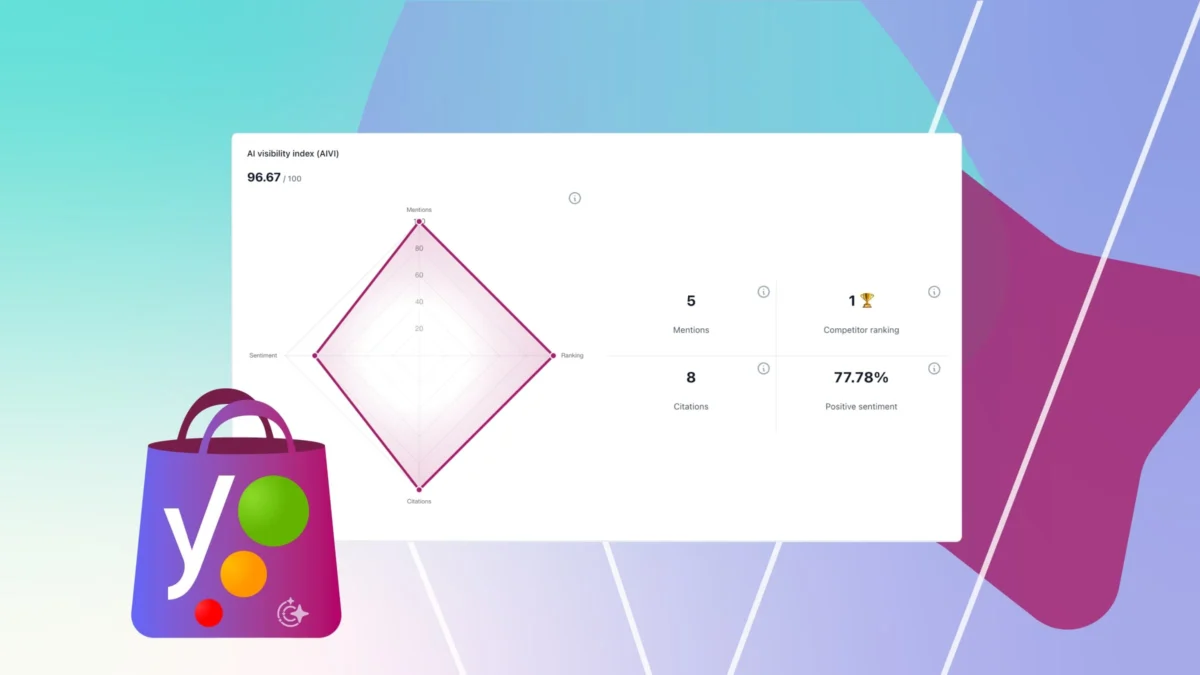
Bing is poised to significantly enhance its suite of tools for webmasters, with a recent tease of new AI reporting features within Bing Webmaster Tools. While an official launch date (ETA) remains undisclosed, the announcement signals Bing’s strategic focus on empowering webmasters with insights relevant to the burgeoning era of AI-powered search. With Bing’s Copilot already deeply integrated into its search experience, offering conversational AI interactions and summarized answers, the need for webmasters to understand how their content performs in this new paradigm is paramount. Anticipated AI reporting features could include metrics related to how often content contributes to Copilot answers, engagement with AI-generated summaries featuring their site, or even the performance of content specifically optimized for AI comprehension. Such data would provide invaluable feedback for webmasters seeking to adapt their content strategies for AI-driven search environments, offering a competitive edge in understanding and optimizing for user interactions that extend beyond traditional organic clicks. This move by Bing reflects a broader industry trend where search engines are not just indexing information but actively interpreting, synthesizing, and presenting it through AI, necessitating new tools for performance measurement.
Copilot’s Interface Evolution: Less Clickable Links Raise Traffic Questions
In parallel with its AI reporting tease, Bing’s Copilot is undergoing interface adjustments that could have implications for website traffic. Recent tests have shown Copilot results displaying fewer directly clickable links. As Copilot aims to provide comprehensive, AI-generated answers directly within the search interface, there’s a natural tendency for the AI to synthesize information rather than simply present a list of blue links. Reducing the prominence or number of direct links within AI-generated summaries could potentially impact the organic traffic driven by Bing to external websites. This strategic design choice prioritizes the AI’s ability to provide an immediate, encapsulated answer, potentially reducing the incentive for users to click through to source material. For content creators and publishers, this trend reinforces the importance of not only being a trusted source for Bing’s AI but also understanding how their information is being presented and attributed within Copilot. It necessitates a shift in focus from solely optimizing for traditional organic clicks to ensuring content is structured and authoritative enough to be leveraged effectively by AI, even if direct click-throughs diminish.
Global Reach: Google’s Preferred Sources Now Support All Languages
In a significant stride towards global inclusivity and accuracy, Google’s "preferred sources" feature now works in all languages. This functionality allows Google to prioritize and display information from designated authoritative sources for specific topics, enhancing the reliability and trustworthiness of search results. The expansion to all languages means that Google can now apply this principle universally, ensuring that users worldwide receive information from the most credible and authoritative sources, regardless of their native tongue. This is particularly crucial for sensitive topics, breaking news, or specialized fields where misinformation can be prevalent. For international businesses and multilingual content creators, this update underscores the importance of establishing strong domain authority and being recognized as a trusted entity in their respective languages and markets. It also highlights Google’s ongoing effort to combat the spread of low-quality or inaccurate information on a global scale, leveraging its algorithmic capabilities to surface high-quality content more consistently across diverse linguistic contexts.
Enhancements in Local Search and Business Tools
Google Business Profile: Empowering Local Businesses with New Features
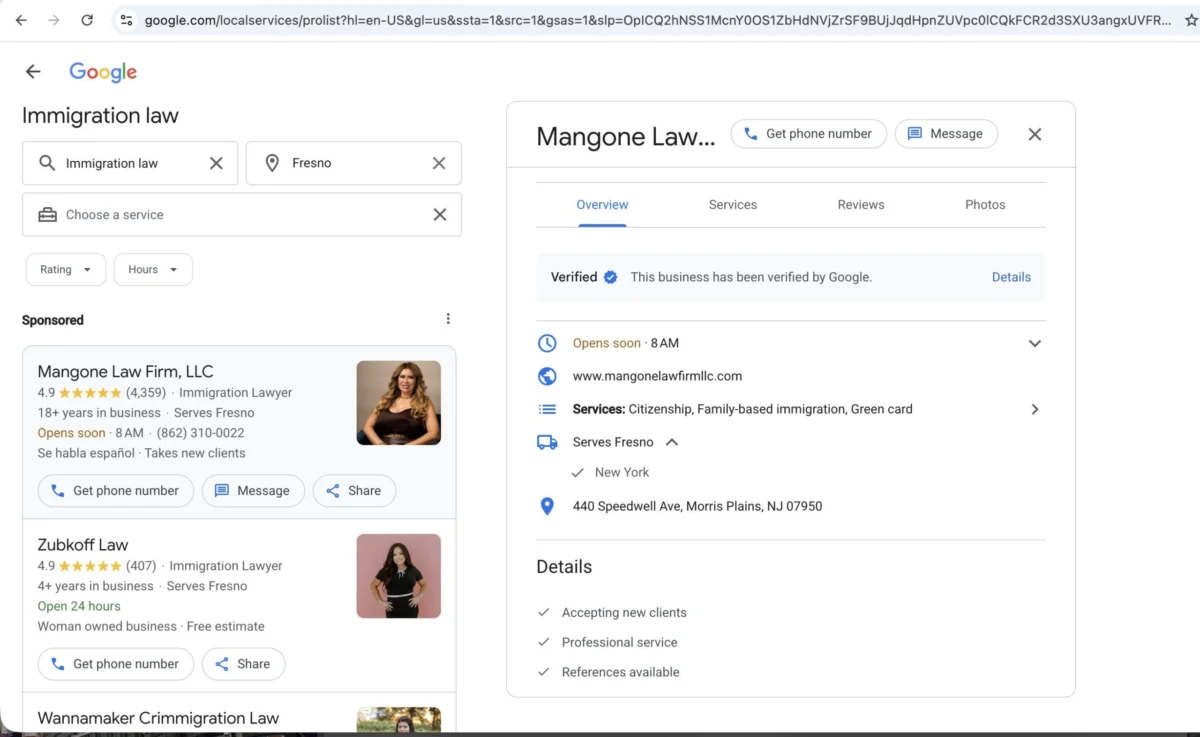
Google continues to invest heavily in its Google Business Profile (GBP) platform, introducing new features designed to empower local businesses and enhance the user experience. This week, two notable updates emerged. Firstly, the Google local panel now includes a "show more action button." This addition provides users with more comprehensive options directly within the local search result panel, potentially including additional services, booking links, or deeper information about the business, streamlining the discovery process. Secondly, Google has enabled businesses to edit their videos directly within the mobile app for their Business Profile. This feature significantly simplifies the process for businesses to manage and update their visual content, allowing them to quickly upload, trim, and refine promotional videos or customer testimonials on the go. These enhancements collectively aim to make GBP an even more robust tool for local businesses to manage their online presence, engage with customers, and stand out in competitive local search results, ultimately driving more foot traffic and conversions.
Transparency in Reviews: Germany Pilot for Removed Review Counts
In a move towards greater transparency in online reviews, Google in Germany has begun testing a feature that shows how many reviews were removed for a specific business. This pilot program, if expanded globally, could have significant implications for both businesses and consumers. For businesses, it offers a degree of clarity regarding the moderation process, acknowledging instances where fraudulent, spammy, or guideline-violating reviews have been taken down. For consumers, it provides a more accurate picture of a business’s true reputation, preventing manipulation by negative review campaigns or the artificial inflation of positive ratings. The removal of reviews is a complex process, often initiated by businesses flagging inappropriate content or by Google’s automated systems detecting violations. By publicly indicating the count of removed reviews, Google aims to foster a more trustworthy review ecosystem, building confidence in the integrity of the ratings and feedback that influence consumer decisions. This initiative reflects a broader commitment to ensuring the authenticity and reliability of user-generated content across its platforms.
The AI Revolution in Digital Advertising
Google Ads Integrates Advanced AI for Campaign Optimization and Transparency
Google Ads is at the forefront of leveraging artificial intelligence to revolutionize digital advertising, introducing a suite of new AI reporting features and tools designed to optimize campaign performance and enhance transparency. Among the new functionalities are an "AI brief," which likely provides AI-generated insights or summaries to guide campaign creation, and "text disclaimers," indicating AI-generated content in ads to maintain transparency with users. Furthermore, Google is expanding its AI Max capabilities for Shopping and Travel campaigns, promising more intelligent automation and optimization across these highly competitive verticals. AI Max aims to leverage machine learning to maximize conversion value by dynamically adjusting bids, creatives, and targeting across Google’s vast network. These integrations signify a move towards more intelligent, data-driven advertising that empowers marketers to achieve better results with less manual intervention, allowing them to focus on strategic oversight rather than granular adjustments.
AI Labels on Search Ads: A Step Towards Greater Disclosure
In a significant step towards greater disclosure and user awareness, Google is testing the implementation of AI labels on its search ads. This initiative aims to clearly distinguish ads that have been generated or heavily assisted by artificial intelligence from those crafted entirely by human advertisers. As AI tools become more sophisticated in generating ad copy, headlines, and even visual elements, the line between human and machine creation blurs. By adding AI labels, Google seeks to provide transparency to users, allowing them to understand the nature of the content they are interacting with. This move aligns with broader industry discussions around AI ethics and the need for clear identification of AI-generated content. For advertisers, it means adapting to a new level of transparency and potentially considering how AI labeling might influence user perception and engagement with their campaigns.
Strategic Negative Keyword Management with AI-Powered Previews
Google Ads is also enhancing its negative keyword management capabilities with a new feature that allows advertisers to "preview impact of negative keywords." Negative keywords are crucial for refining ad targeting, preventing ads from showing for irrelevant queries, and reducing wasted spend. This new AI-powered preview tool will enable advertisers to understand the potential impact of adding specific negative keywords before fully implementing them. By simulating the effect on impressions, clicks, and costs, advertisers can make more informed decisions, avoiding over-exclusion that might inadvertently block relevant traffic, or under-exclusion that leads to inefficient spending. This feature leverages AI to provide predictive analytics, helping advertisers fine-tune their campaigns with greater precision and confidence, ultimately leading to more efficient budget allocation and improved return on investment.
Industry Financials and Broader Implications
Tech Giants Report Earnings: A Snapshot of the Digital Ad Market
The week also brought financial insights from two of the biggest players in the digital advertising space: Google (Alphabet) and Microsoft. Both companies reported their latest earnings, providing a crucial snapshot of the health and direction of the digital ad market. These reports included specific figures pertaining to their advertising revenues, which are vital indicators of their core business performance and future investment capacities. For Google, advertising revenue remains the bedrock of its financial success, driven primarily by Search and YouTube ads. Microsoft, while diversified, also sees significant revenue from its search and news advertising, particularly through Bing and LinkedIn. The reported ad numbers offer valuable context for the current state of digital marketing, reflecting trends in advertiser spend, consumer behavior, and the ongoing shift towards digital channels. Strong ad revenues suggest a robust market and continued investment in platforms and technologies that facilitate online advertising, including the AI innovations discussed throughout this recap.
Implications for Search and Digital Marketing Professionals
The confluence of these developments – from persistent algorithm volatility and user experience warnings to the pervasive integration of AI in both search and advertising – paints a clear picture for search and digital marketing professionals: the landscape is continuously evolving at an accelerated pace. The emphasis on user experience (UX) is paramount, with penalties for manipulative tactics like back button hijacking underscoring Google’s commitment to quality interactions. The rapid advancements in AI, evidenced by improved AI Overviews, new Bing Webmaster Tools reporting, and sophisticated Google Ads features, necessitate a proactive approach to understanding and adapting to AI’s influence. Content strategies must not only cater to human readers but also be structured for AI comprehension, while advertising professionals must master AI-driven tools for optimization and transparency. The financial reports from tech giants further affirm the economic significance of digital advertising and the imperative for businesses to navigate these complexities effectively to maintain and grow their online presence.
This comprehensive overview of the week’s search news, brought to you by the Search Engine Roundtable, highlights the critical need for continuous learning and adaptation in the digital marketing realm. Special thanks to Bruce Clay, one of the founding fathers of the SEO space, who has been doing search marketing optimization since 1996. Bruce Clay is renowned for his SEO training, which can be explored at seotraining.com, and his comprehensive services at bruceclay.com. Additionally, check out their innovative new product, Prewriter.ai, a tool designed to empower writers to produce better content more efficiently.
For those who wish to stay informed on these critical updates, make sure to subscribe to our video feed or directly on iTunes, Apple Podcasts, Spotify, Google Podcasts, or your favorite podcast player to be notified of these updates and download the video in the background. The YouTube version of the feed is also available.