rifanmuazin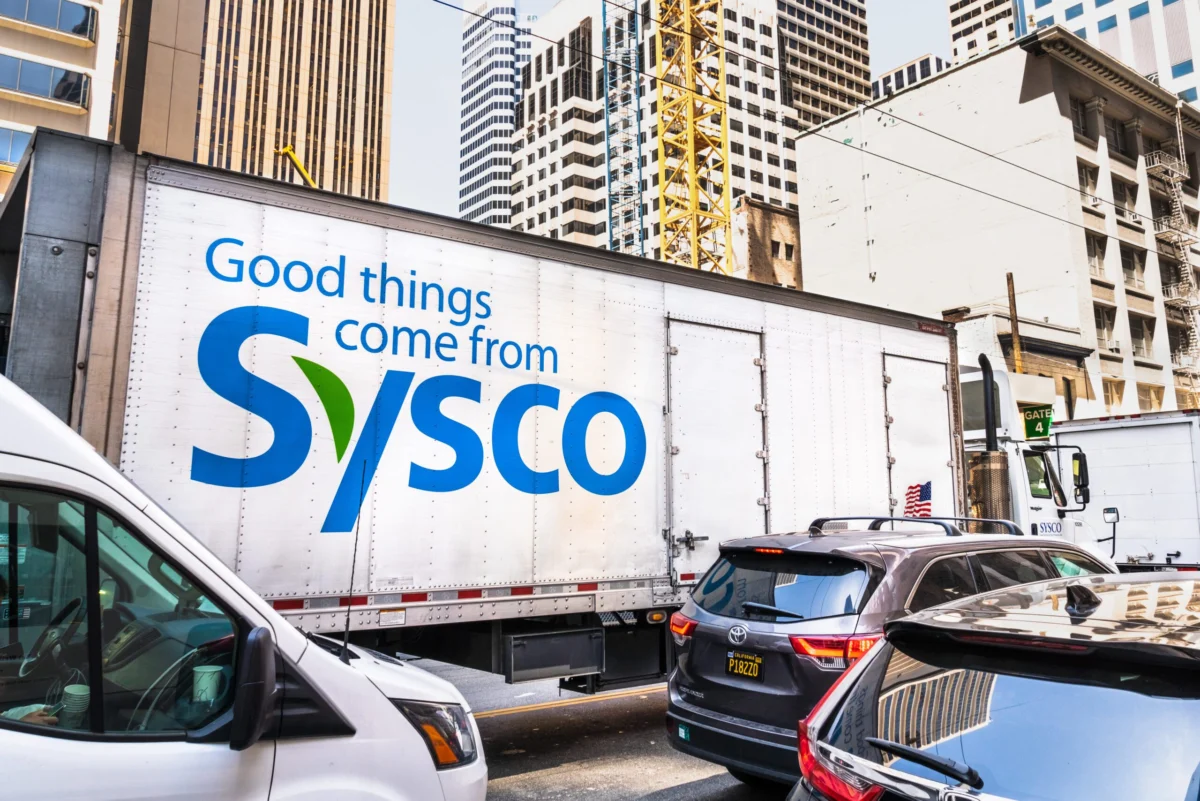
Sysco Corporation, a global leader in the distribution of food and related products, has reported a robust performance in its fiscal third quarter ended March 28, driven in part by the strategic integration of its AI360 platform. The company’s sales saw a notable year-over-year increase of 4.7%, reaching $20.5 billion, a figure described as "strong" by Kevin Hourican, Chair of the Board and CEO. This growth occurred even as the company navigated operational complexities and pursued a significant acquisition, underscoring the growing influence of technology in driving business outcomes within the wholesale food distribution sector.
The AI360 platform, now entering its second year of operational use, has been identified as a key enabler of this sales momentum. Sysco’s gross profit also saw an uptick of 6.5% to $3.8 billion, demonstrating improved profitability on its sales. While operating income experienced a slight dip of 9.1% to $619 million during the same period, this is often attributable to the strategic investments and integration efforts associated with large-scale acquisitions and technological advancements, which can temporarily impact short-term operating income before their full benefits are realized.
AI360: A Catalyst for Sales Effectiveness and Retention
The impact of artificial intelligence on Sysco’s sales operations has been a focal point for the company’s leadership. During the Q3 earnings call on April 28, Kevin Hourican elaborated on how AI tools, particularly AI360, have demonstrably improved the retention rates of its sales team members. This is a critical metric for any sales-driven organization, as high turnover can lead to increased recruitment and training costs, as well as a loss of institutional knowledge and client relationships. By equipping sales professionals with more effective tools, Sysco is fostering an environment where they can not only succeed but also thrive, leading to greater job satisfaction and longevity within the company.
Hourican emphasized that AI360 is instrumental in enhancing sales personnel productivity. "Sales personnel used tools like AI360 to sell better and serve better," he stated, highlighting the dual benefit of improved sales performance and enhanced customer service. This symbiotic relationship between sales and service is crucial in the B2B food distribution industry, where building strong, long-term partnerships with restaurants and other food service establishments is paramount. The encouraging signs of improved productivity and customer engagement provide Sysco with confidence in its ability to further mitigate customer churn, a persistent challenge in the competitive food service landscape.
The platform’s ability to provide data-driven insights is at the core of its success. "What AI360 does for our sales colleagues more than anything is the power of data and intelligence to know what we can be selling, what we should be selling and what should be on Sysco’s truck," Hourican explained. This sophisticated data analysis allows sales representatives to move beyond traditional sales approaches and adopt a more strategic, customer-centric methodology. By understanding the specific needs and purchasing patterns of each client, and by forecasting future demand, Sysco’s sales teams can proactively offer relevant products, thereby maximizing the value of each customer interaction and optimizing delivery logistics.
A key functionality of AI360 is its capacity to "pre-authorize deals for that sales colleague to be able to offer to that customer to get cases that should be on our truck." This streamlined approach to deal-making accelerates the sales cycle and ensures that sales efforts are focused on the most profitable opportunities. Hourican underscored the financial significance of this capability, noting that "Sysco’s most profitable case is that incremental truck case to an existing stop being made to a customer." This means that efficiently adding more products to existing delivery routes for current clients is a highly cost-effective way to increase revenue and profitability, a core objective for any logistics-heavy business.
The Strategic Integration of Restaurant Depot and Future Synergies
The impressive Q3 performance also occurs against the backdrop of Sysco’s monumental $29.1 billion acquisition of Restaurant Depot, a move that significantly reshapes the competitive landscape of the food service distribution market. Announced in March, this acquisition is poised to broaden Sysco’s fulfillment options and market reach, particularly by catering to a segment of the market that values cost-effectiveness and a "one-stop shop" approach.
Brandon Sewell, interim Chief Financial Officer at Sysco, provided further details on the post-acquisition strategy during the earnings call. The company is projecting substantial financial benefits, targeting $250 million in net cost synergies. These synergies are expected to be realized through various avenues, including operational efficiencies, procurement optimizations, and the integration of best practices from both organizations.
A critical aspect of the integration plan involves enhancing compliance and cybersecurity measures for Restaurant Depot. As a business that has historically operated with a distinct model, bringing its operations under Sysco’s robust governance frameworks is essential for long-term stability and risk mitigation. This focus on compliance and security not only safeguards Sysco’s reputation but also ensures a seamless and secure experience for all stakeholders, including customers and suppliers.
Beyond cost savings, Sysco anticipates significant merchandising synergies. Sewell elaborated on this, stating, "So it is taking the products that we buy today, comparing them across Restaurant Depot and across Sysco and working with our suppliers to get increased merchandising benefits." This process involves a deep dive into procurement strategies, leveraging the combined purchasing power of both entities to negotiate more favorable terms with suppliers. It also entails optimizing product assortments to better meet the diverse needs of Sysco’s expanded customer base, potentially leading to new product introductions and enhanced value propositions.
The strategic vision extends to the physical footprint of Restaurant Depot. Hourican revealed plans to open "net 125 new doors" for Restaurant Depot. This expansion initiative aims to extend the reach of Restaurant Depot’s successful business model to new communities, making its cost-effective offerings accessible to a wider range of restaurants. "As we do that as a combined entity, we’re bringing the low-cost leader, the one-stop shop way in place that restaurants can save money to more communities," Hourican stated, underscoring the commitment to providing value and savings to a broad spectrum of food service businesses. The anticipated outcome of this expansion is a significant financial benefit for tens of thousands of restaurants, helping them manage operational costs more effectively in a challenging economic environment.
Industry Context and Broader Implications
The food service distribution industry is characterized by intense competition, evolving consumer preferences, and the constant pressure to optimize supply chains for efficiency and cost-effectiveness. In this dynamic environment, technological adoption, particularly AI, is no longer a discretionary investment but a strategic imperative for maintaining a competitive edge. Sysco’s proactive embrace of AI360 demonstrates a forward-thinking approach to leveraging data and automation to enhance sales, improve customer relationships, and drive operational excellence.
The acquisition of Restaurant Depot is a bold move that signals Sysco’s ambition to consolidate its market position and capture new growth opportunities. By integrating a business known for its value-driven model, Sysco is strategically positioning itself to serve a broader segment of the restaurant industry, from large-scale enterprises to independent operators. The success of this integration will hinge on Sysco’s ability to effectively merge the operational cultures, systems, and customer bases of both entities, while simultaneously realizing the projected cost and revenue synergies.
The financial implications of Sysco’s Q3 performance, including the robust sales growth and gross profit increase, are encouraging for investors and stakeholders. The slight dip in operating income, while noteworthy, is often a transient effect of large-scale strategic initiatives. The long-term outlook, however, appears promising, as the benefits of AI-driven sales enhancements and the integration of Restaurant Depot are expected to yield sustained growth and profitability.
Furthermore, Sysco’s commitment to expanding the Restaurant Depot network highlights a broader trend in the industry towards greater accessibility and affordability for restaurant operators. In an era where margins are often tight, any initiative that helps businesses reduce costs without compromising quality is highly valued. Sysco’s strategy to bring its expanded offerings to more communities could have a ripple effect, potentially influencing pricing strategies and competitive dynamics across the sector.
The company’s focus on data intelligence through AI360 also points to a future where B2B sales and customer relationship management are increasingly driven by sophisticated analytics. This allows for more personalized interactions, proactive problem-solving, and ultimately, stronger, more resilient partnerships between distributors and their clients. As Sysco continues to refine its AI capabilities and integrate its significant acquisition, its position as a leader in the food service distribution landscape is likely to be further solidified. The coming quarters will be crucial in observing the full realization of these strategic initiatives and their impact on Sysco’s financial performance and market standing.
This article is based on information provided by Sysco Corporation regarding its fiscal third quarter earnings. For more detailed financial information and future projections, readers are encouraged to consult Sysco’s official investor relations resources and SEC filings.

 Raul Delapena Setiawan
 Ammar Sabilarrohman