
 rifanmuazin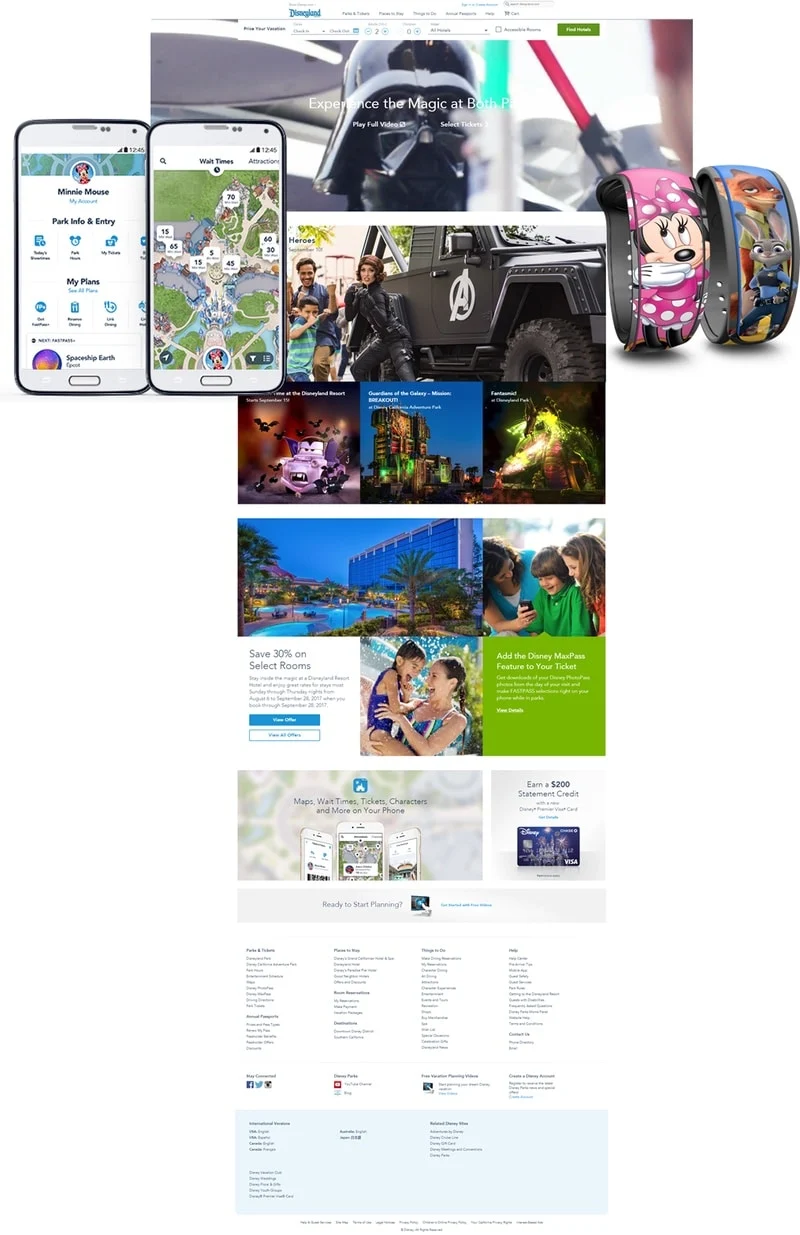
The global ecommerce sector, projected to exceed $6.3 trillion in retail sales by the end of 2024, has reached a critical inflection point where traditional digital advertising no longer yields the high returns once seen during the early 2010s. As acquisition costs rise and consumer attention spans fragment, businesses are increasingly forced to adopt growth marketing—a data-driven, full-funnel approach that prioritizes customer retention and lifetime value over mere transaction volume. A future-proof strategy in this environment is not a static document but a living framework built on deep market analysis, advanced technological integration, and a relentless focus on the end-to-end customer experience. To remain competitive in an era defined by rapid technological shifts and evolving consumer ethics, brands must move beyond surface-level trends and invest in infrastructure that supports long-term, sustainable growth.
The Evolution of Ecommerce Marketing: From Transactions to Relationships
The trajectory of ecommerce marketing has shifted through several distinct phases over the last three decades. In the late 1990s and early 2000s, the focus was primarily on "Digital Presence," where simply having an online catalog was a competitive advantage. By the mid-2010s, the "Performance Marketing" era dominated, characterized by heavy spending on Facebook and Google Ads to drive immediate sales. However, the current landscape represents the "Growth Marketing" era, where the focus has shifted toward the entire customer lifecycle, from awareness and acquisition to activation, retention, revenue, and referral.
Industry analysts suggest that the "Golden Age" of cheap customer acquisition is over. With the implementation of stricter privacy regulations such as GDPR in Europe and CCPA in California, along with Apple’s App Tracking Transparency (ATT) framework, brands can no longer rely solely on third-party data to target customers. This shift has made first-party data and deep consumer insights the new currency of the digital economy.
Strategic Market Analysis and the Rise of Values-Based Consumerism
For an ecommerce growth strategy to be resilient, it must be anchored in a sophisticated understanding of target demographics. Modern market analysis has moved beyond simple age and location data into the realm of psychographics and values-based purchasing.
Understanding the Gen Z and Millennial Shift
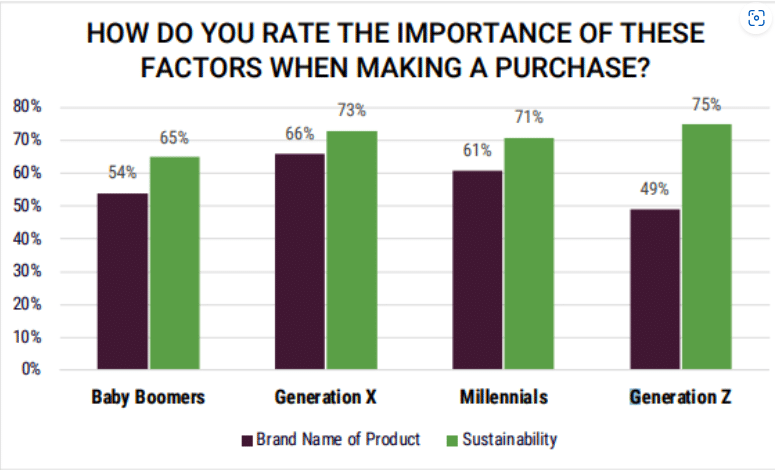
Current data highlights a significant shift in purchasing drivers among younger cohorts. According to research by the World Economic Forum, approximately 75% of Generation Z consumers—those born between 1995 and 2010—prioritize sustainability and ethical brand practices over brand names. This demographic is projected to become the most influential consumer group globally within the next decade. For a growth marketing strategy to be future-proof, it must integrate a brand’s mission and social responsibility into its core messaging. Brands that fail to demonstrate authenticity in their environmental, social, and governance (ESG) efforts risk alienating a massive segment of the market.
The Necessity of Competitive Gap Analysis
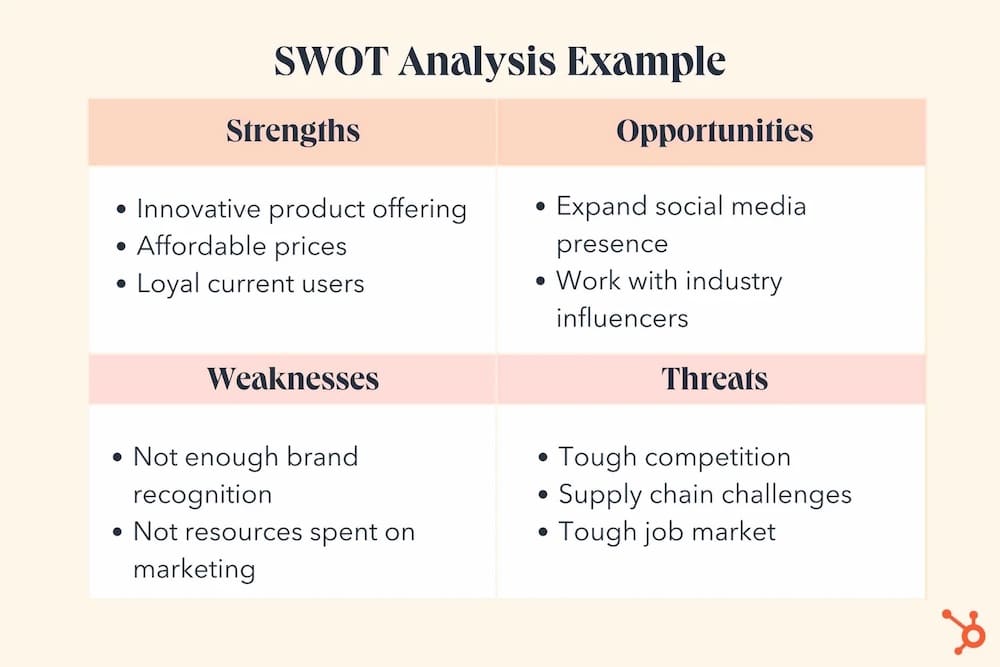
Beyond understanding the customer, growth marketing requires a rigorous competitive analysis. This involves a systematic evaluation of competitors’ product offerings, pricing structures, and technological capabilities. A standard SWOT (Strengths, Weaknesses, Opportunities, Threats) analysis remains a foundational tool. For instance, Amazon’s historical dominance was built not just on variety, but on identifying a specific market gap: the demand for hyper-fast, reliable delivery. By launching Amazon Prime, they turned a logistical challenge into a subscription-based loyalty engine. Future-proof brands must look for similar "friction points" in their own industries—areas where the current customer experience is lacking—and build their value proposition around solving those specific pains.
Technological Infrastructure: Building a Scalable Foundation
A growth strategy is only as effective as the technology that supports it. In the current market, "technical debt"—the cost of maintaining outdated systems—is one of the biggest hurdles to scaling.
Scalable Platforms and Headless Commerce
Investment in robust platforms like Shopify and Magento (Adobe Commerce) is essential for security and scalability. Shopify currently supports millions of businesses across 175 countries, providing a user-friendly ecosystem that allows brands to scale from zero to enterprise-level without changing their core infrastructure.
Furthermore, many forward-thinking brands are moving toward "Headless Commerce." This architecture decouples the front-end user interface from the back-end commerce functions. This allows developers to create highly customized, lightning-fast experiences on any device or platform without being constrained by the templates of a traditional ecommerce engine. As wearable technology and Internet of Things (IoT) devices become more prevalent, headless commerce ensures that a brand can sell anywhere, at any time.
AI and Data-Driven Personalization
Personalization is no longer a luxury; it is a baseline expectation. McKinsey & Company reports that 71% of consumers expect companies to deliver personalized interactions, and 76% get frustrated when this doesn’t happen.
Stitch Fix serves as a primary case study for the effective use of Artificial Intelligence (AI) in ecommerce. By using machine learning algorithms to analyze customer style preferences, sizes, and feedback, the company provides a highly tailored personal styling service at scale. This use of AI does more than just recommend products; it reduces return rates and increases customer lifetime value by ensuring the customer receives exactly what they want.
The Imperative of Mobile-First Optimization
The transition from desktop to mobile commerce is complete. According to Statista, smartphones accounted for approximately 78% of global retail site traffic in the fourth quarter of 2023, and mobile devices were responsible for two-thirds of all online shopping orders.
A future-proof strategy must treat mobile optimization not as a secondary task but as the primary development focus. This includes:
- Progressive Web Apps (PWAs): Offering app-like experiences through a standard web browser.
- One-Click Payments: Integration with Apple Pay, Google Pay, and Shop Pay to reduce checkout friction.
- Visual Search: Allowing users to search for products using images rather than text.
Omnichannel Marketing: Creating a Unified Customer Journey
The modern consumer journey is rarely linear. A customer might discover a product on an Instagram Reel, research it on a desktop computer during a lunch break, and finally make the purchase through a mobile app.
The Retention Power of Omnichannel
Data indicates that businesses with strong omnichannel engagement strategies retain an average of 89% of their customers, compared to a 33% retention rate for those with weak omnichannel integration. The goal is to provide a "frictionless" experience across all touchpoints.
Disney is frequently cited as the gold standard for omnichannel execution. Their "My Disney Experience" app integrates website browsing, ticket purchasing, hotel check-ins, and in-park navigation. By syncing the app with RFID-enabled "MagicBands," Disney creates a seamless ecosystem where the digital and physical worlds coexist. For ecommerce brands, this means ensuring that customer data, cart contents, and loyalty points are updated in real-time across every platform the customer uses.
Content Strategy: The Value of Evergreen Assets
While paid advertising provides immediate traffic, high-quality evergreen content provides long-term authority and organic growth. Evergreen content refers to articles, guides, and videos that remain relevant and valuable over several years.
Building Authority through Education
The success of platforms like wikiHow demonstrates the power of utility-based content. By providing step-by-step solutions to common problems, brands can capture "top-of-funnel" traffic from search engines. For an ecommerce brand selling kitchenware, this might involve creating comprehensive guides on "How to Season a Cast Iron Skillet" or "The Ultimate Guide to Knife Maintenance." This content establishes the brand as an expert in its niche, building trust long before a purchase is made.
Cultivating Customer Loyalty and Advocacy
In a market where acquisition costs are soaring, retention is the key to profitability. Research indicates that increasing customer retention rates by just 5% can increase profits by 25% to 95%.

Turning Customers into Brand Advocates
Loyalty is built through emotional connection and consistent value. Successful brands use several layers of engagement to foster this:
- Tiered Rewards Programs: Incentivizing repeat purchases with exclusive benefits.
- Early Access: Giving loyal customers first pick of new collections.
- Community Building: Creating forums or social media groups where customers can interact with the brand and each other.
- Exceptional Support: Utilizing AI chatbots for immediate queries and human agents for complex problem-solving.
When customers feel valued, they transition from passive buyers to active brand advocates, providing invaluable word-of-mouth marketing and social proof through reviews and user-generated content.
Performance Analysis: The Cycle of Continuous Optimization
A growth marketing strategy is never "finished." It requires a culture of constant testing and iteration. Future-proof brands rely on specific Key Performance Indicators (KPIs) to measure success, including:
- Customer Acquisition Cost (CAC): The total cost of winning a new customer.
- Customer Lifetime Value (CLV): The total revenue a business can expect from a single customer account.
- Average Order Value (AOV): The average amount spent each time a customer places an order.
- Conversion Rate (CR): The percentage of visitors who complete a desired action.
Tools like Google Analytics 4 (GA4) provide the quantitative data needed to track these metrics, while platforms like FigPii offer qualitative insights through heatmaps and A/B testing. By visualizing where users drop off in the sales funnel, marketers can make data-driven adjustments to the user interface, messaging, and checkout process.
Conclusion: The Path to Sustainable Growth
Securing a future-proof ecommerce growth marketing strategy requires a balance between technological innovation and human-centric marketing. The brands that will thrive in the coming decade are those that view technology not as an end in itself, but as a tool to better understand and serve their customers. By basing strategies on deep market analysis, investing in scalable infrastructure, mastering omnichannel delivery, and maintaining a rigorous focus on data-driven optimization, ecommerce businesses can build a foundation that is resilient to market volatility. Sustainable growth is no longer about who spends the most on advertising, but about who provides the most value, consistency, and authenticity to the modern consumer.








