rifanmuazin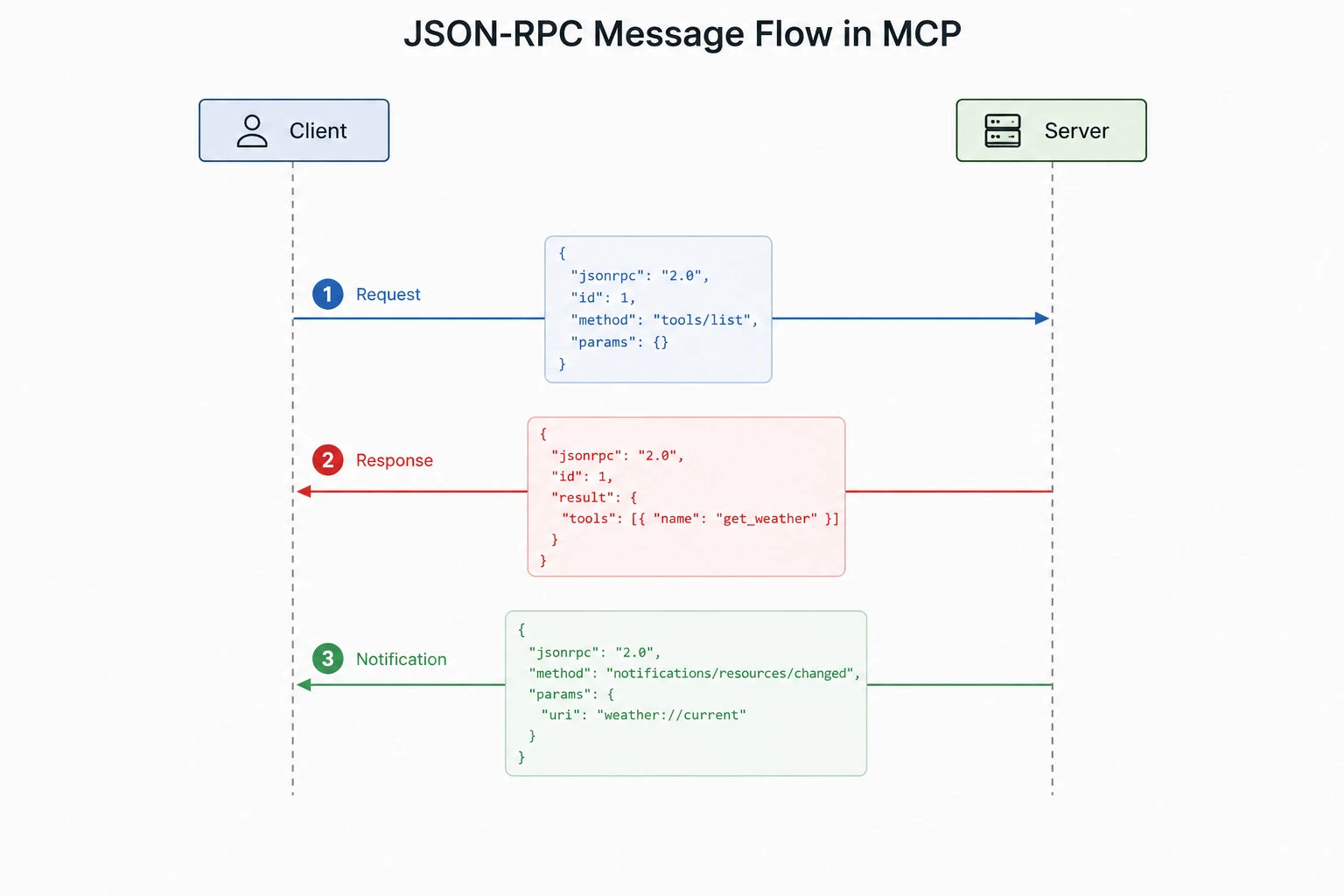
The rapid advancement of artificial intelligence has birthed a complex ecosystem of tools, protocols, and frameworks designed to bridge the gap between large language models and real-world utility. As developers and enterprises race to deploy autonomous agents, a significant debate has emerged regarding the optimal method for connecting these "brains" to external data and tools. Central to this discussion are two distinct but complementary technologies: the Model Context Protocol (MCP) and Agent Skills. While initial industry discourse framed these as competing standards, technical analysis reveals a fundamental difference in their architecture, purpose, and execution. MCP serves as a standardized client-server communication protocol, whereas Agent Skills function as on-demand, prompt-loaded instructions tailored for specific task execution.
The Landscape of AI Connectivity and the N x M Problem
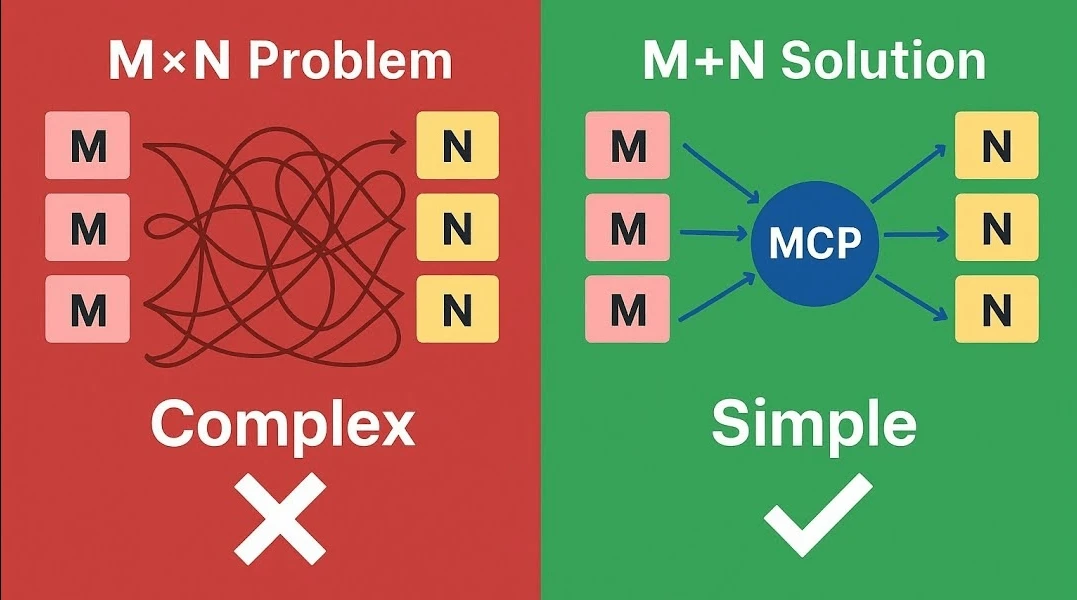
Historically, the integration of AI models into existing software ecosystems was plagued by what engineers call the "N x M" problem. For every new AI agent (N) and every new data source or tool (M), a custom integration had to be built. This resulted in a fragmented landscape where a tool designed for one agent could not easily be utilized by another without significant refactoring.
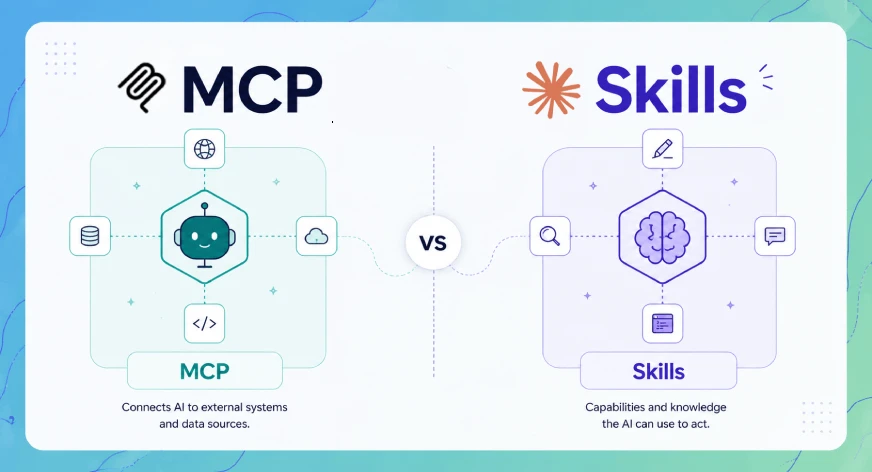
The Model Context Protocol was introduced to resolve this friction by establishing a universal standard. Much like the transition from proprietary charging ports to USB-C, MCP allows any AI agent to connect to any data source through a unified interface. This protocol handles the heavy lifting of system integration, providing a "nervous system" that allows the agent to interact with databases, APIs, and file systems.
In contrast, Agent Skills represent the evolution of prompt engineering and local task management. If MCP is the nervous system, Agent Skills are the "mental playbooks" or specialized training modules that an agent loads into its active memory when a specific challenge arises. These skills are typically stored as a collection of markdown files and scripts within a project’s directory, providing the agent with the logic required to manipulate the data it accesses via MCP.
Architectural Breakdown: Service-Oriented vs. Filesystem-Centric
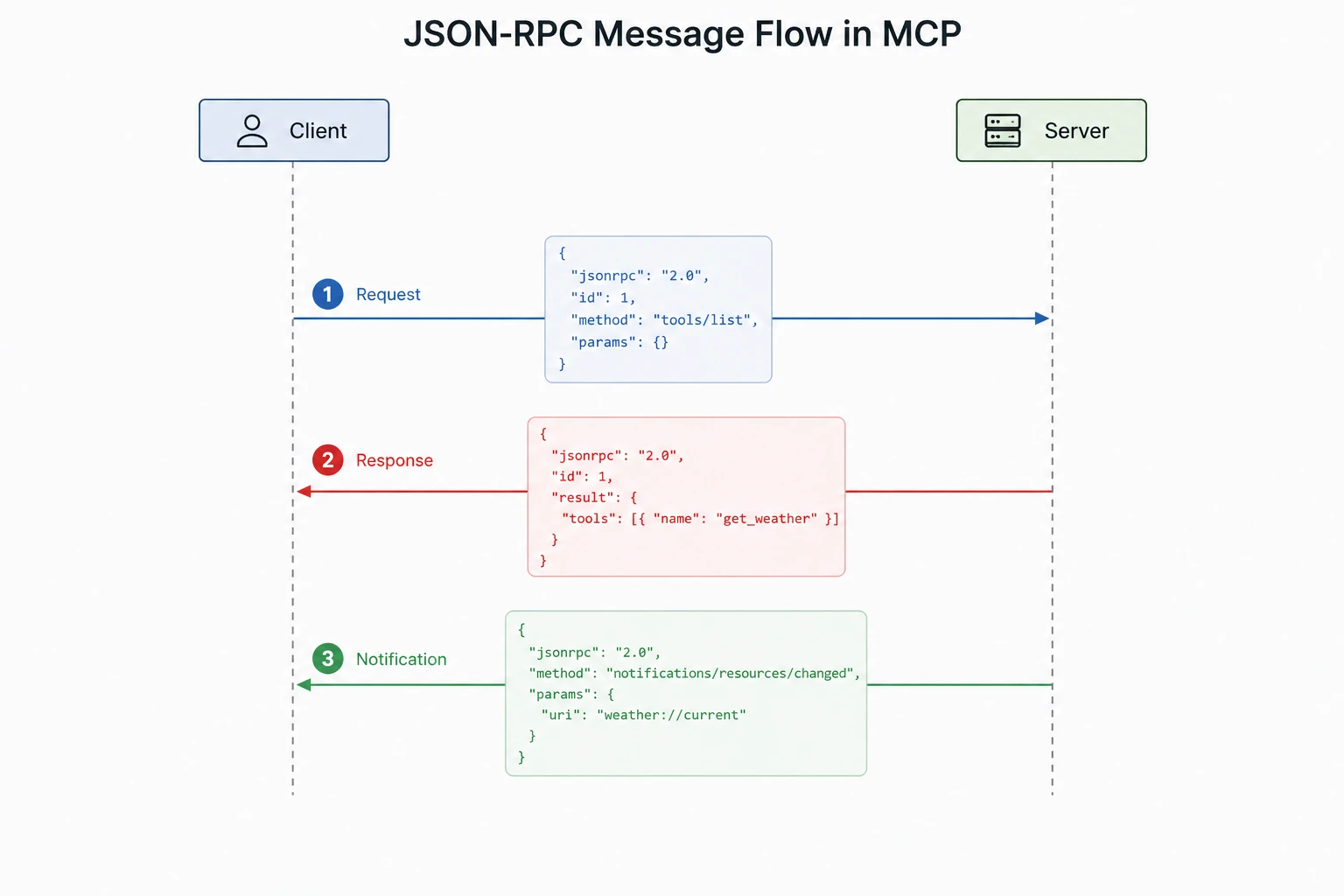
To understand the operational differences, one must examine the underlying architecture of both systems. MCP operates on a client-server model, utilizing JSON-RPC (Remote Procedure Call) messages to facilitate communication. This architecture is designed for robustness and scale. When an agent needs to fetch data from a Google Drive or query a SQL database, it sends a structured request to an MCP server. The server processes the request, interacts with the external resource, and returns the data in a format the agent can interpret. This ensures that sensitive credentials and complex backend logic remain separated from the agent’s core prompt.
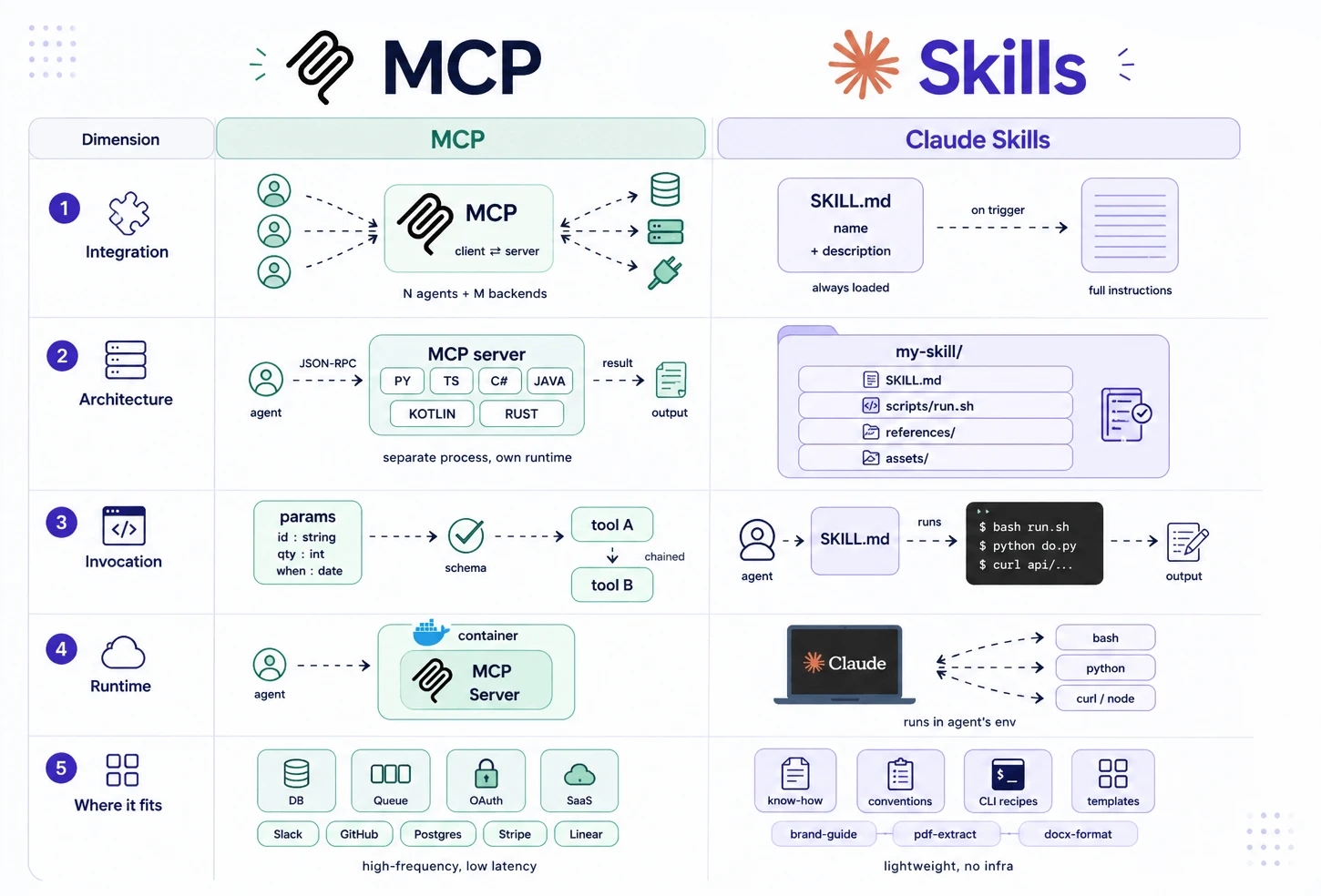
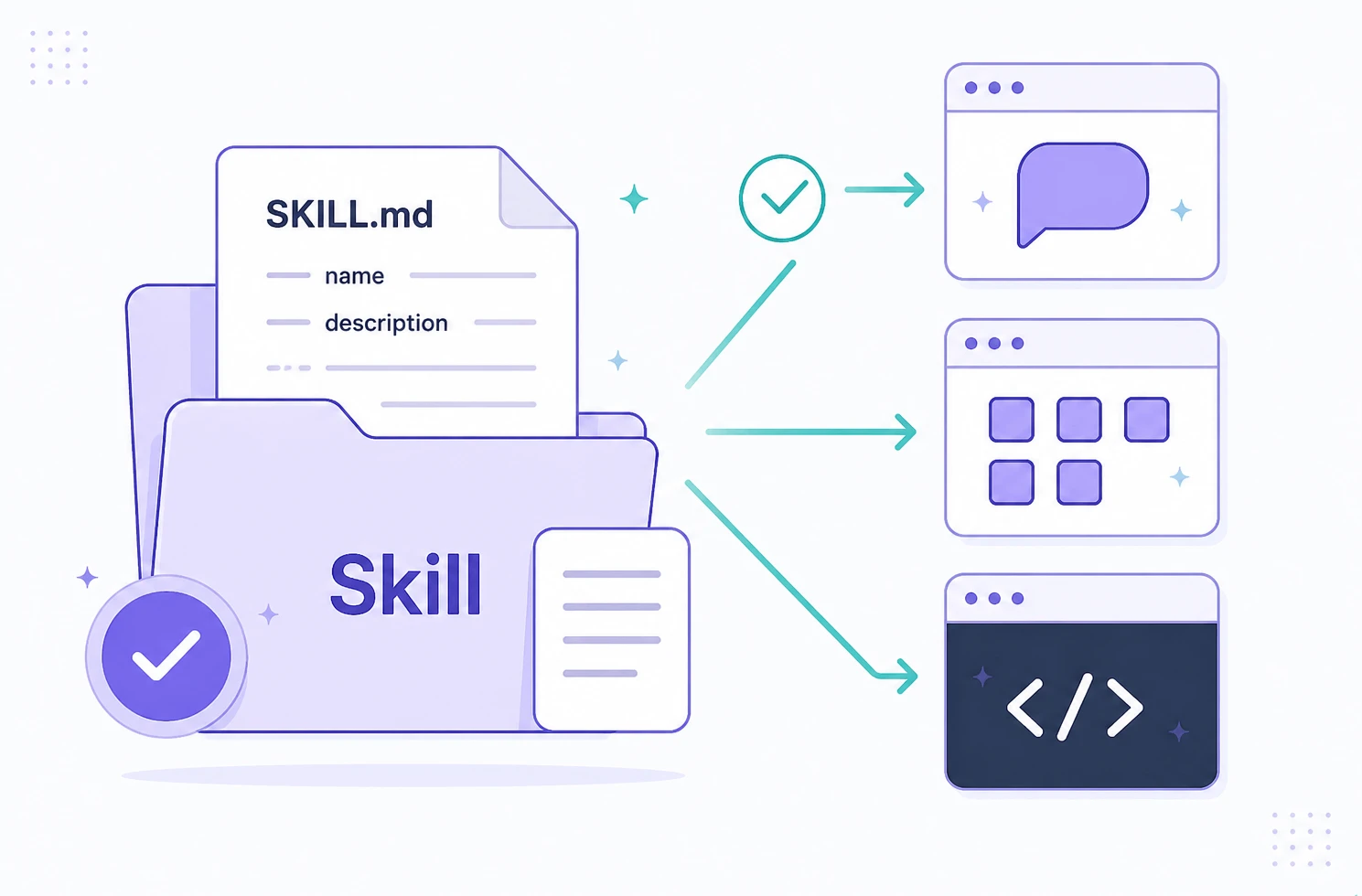
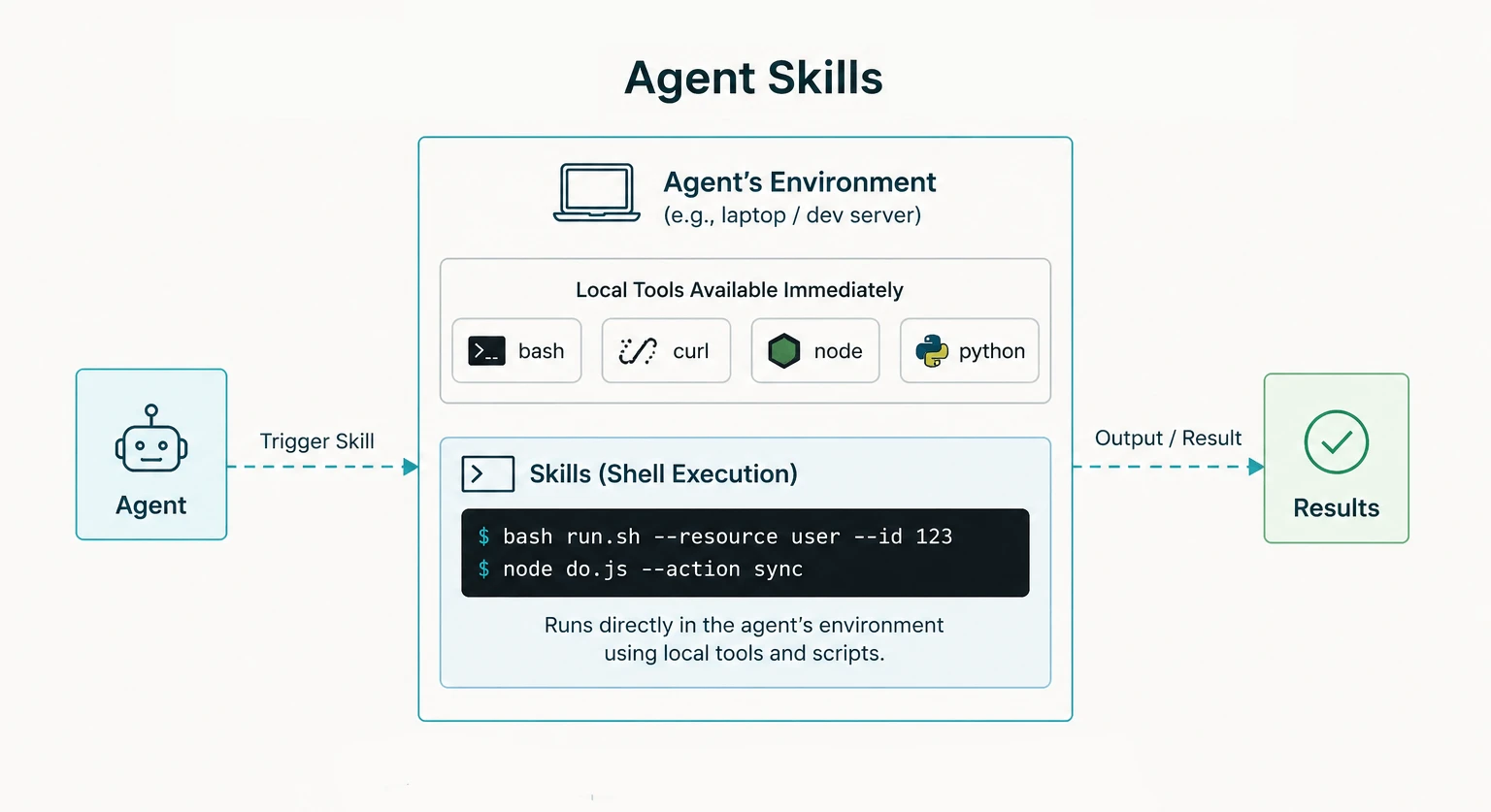
Agent Skills utilize a filesystem-based approach, often characterized by a specific directory structure such as a my-skill/ folder. Within this folder, a SKILL.md file serves as the primary instruction set. This is supplemented by template.md files for formatting output, examples/ for few-shot learning, and scripts/ that the agent can execute within its local environment. Unlike MCP, which requires a running server, Agent Skills are "latent" capabilities that are pulled into the agent’s context window only when the user’s request triggers them.
Invocation and Execution: Structured Schemas vs. Flexible Scripts
The method by which an agent "calls" these capabilities further distinguishes the two. MCP relies on strictly defined schemas. Before an interaction begins, the MCP server advertises its available "tools" and "resources" using a schema that defines exactly what inputs are required and what outputs will be provided. This structure is vital for high-frequency, mission-critical operations where reliability and data integrity are paramount.
Agent Skills offer a more flexible, script-based invocation. Because skills are essentially sophisticated prompts combined with local execution rights, they are better suited for creative or iterative tasks. For example, a "Code Review Skill" might involve a series of validation scripts and a specific set of stylistic guidelines. The agent reads the instructions in the SKILL.md file and executes the validate.sh script locally to check the code. This is an internal workflow rather than an external data fetch.
Chronology of Development and Industry Adoption
The shift toward these standardized methods began in late 2023, following the realization that monolithic prompts were becoming too large and "hallucination-prone" for complex tasks.
- Phase 1: Custom Tooling (Early 2023): Developers hard-coded API calls into agent wrappers.
- Phase 2: Function Calling (Mid 2023): Model providers like OpenAI introduced native function calling, allowing models to output JSON to trigger external code.
- Phase 3: The Rise of Modular Logic (2024): Frameworks began supporting "Skills" or "Tools" as modular files to keep prompts lean.
- Phase 4: Standardization with MCP (Late 2024 – 2025): Anthropic and other industry leaders open-sourced MCP to prevent vendor lock-in and create a universal "app store" for AI tools.
The current market state sees a convergence where top-tier AI architects utilize both. Data from early adopters suggests that using MCP for infrastructure-heavy tasks (like searching 10,000 documents) while using Skills for task-specific logic (like formatting those documents into a specific legal brief) can reduce token consumption by up to 30% and improve task success rates by 25%.
Strategic Use Cases: High-Frequency Systems vs. Lightweight Workflows
Choosing between MCP and Agent Skills is not a matter of quality, but of suitability for the task at hand.
When to implement MCP:
- Enterprise Data Access: When an agent needs to interact with secure, centralized databases or internal company APIs.
- Multi-Agent Environments: When different agents need to share the same set of tools without re-implementing them.
- Resource-Intensive Operations: When the task requires heavy computation that should be handled by a dedicated server rather than the agent’s local environment.
When to implement Agent Skills:
- Project-Specific Logic: When a task is unique to a specific repository or codebase, such as a custom build process.
- On-Demand Behavior: When an agent needs to "learn" a new trick temporarily, such as following a specific brand voice for a single marketing campaign.
- Local File Manipulation: When the agent is performing actions directly on the user’s machine, such as organizing folders or running local tests.
Expert Analysis and Future Implications
Industry analysts suggest that the "rivalry" between MCP and Agent Skills is a misunderstanding of the AI stack. "We are seeing the emergence of a dual-layer architecture," says one senior AI researcher. "MCP provides the ‘what’—the data and tools available—while Skills provide the ‘how’—the specialized knowledge of how to use those tools for a specific objective."
The implications of this synergy are profound. For developers, it means the end of "spaghetti prompts" where instructions, data, and logic are all crammed into a single 100,000-token window. By offloading data retrieval to MCP and specialized logic to Skills, agents become more focused, faster, and significantly more reliable.
Furthermore, the standardization of MCP is expected to foster a new marketplace for "AI-ready" services. In the near future, SaaS providers like Salesforce, GitHub, and Slack may provide native MCP servers, allowing any compliant AI agent to plug in and start working immediately. Simultaneously, open-source communities are already curating libraries of Agent Skills, effectively creating a "mental library" that agents can download to solve complex problems in coding, research, and data analysis.
Conclusion: The Hybrid Approach to AI Architecture
The consensus among leading AI engineers is that building a robust agent requires a hybrid approach. An agent equipped only with MCP is like a worker with access to a massive library but no instructions on how to write a report. Conversely, an agent with only Skills is like a brilliant researcher locked in a room with no internet or books.
As we move further into 2026, the distinction will become even clearer: MCP scales the systems an AI can touch, while Agent Skills scale the behaviors an AI can exhibit. For organizations looking to deploy effective autonomous systems, the directive is clear: use MCP to build a standardized infrastructure and Agent Skills to refine the agent’s professional expertise. Those who fail to integrate both will likely find themselves building limited, "half-capable" agents that struggle to keep pace with the efficiency of modular, protocol-driven competitors.