
 rifanmuazin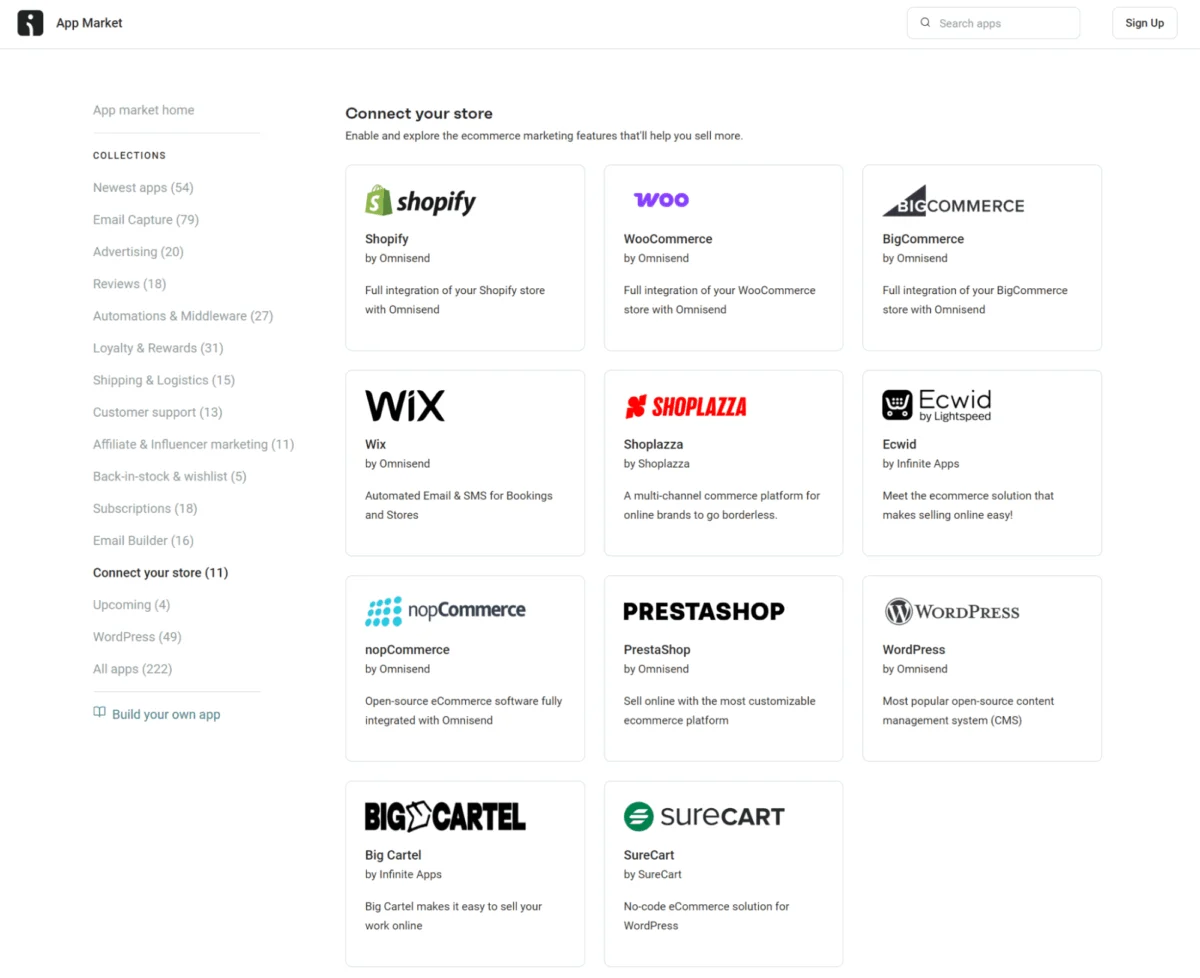
The digital retail landscape is undergoing a profound transformation, with customer expectations for personalized and seamless experiences reaching unprecedented levels. At the heart of this evolution lies the strategic implementation of SMS integrations, a critical technological nexus that connects disparate e-commerce applications to powerful text messaging tools. This connectivity is not merely about sending automated messages; it represents a fundamental shift towards data-driven, hyper-personalized customer communication, unlocking significant opportunities for revenue growth, enhanced retention, and operational efficiency for online businesses.
The Evolution of E-commerce Communication: From Silos to Synergy
For years, e-commerce businesses operated with marketing and operational tools in relative isolation. Customer data, purchasing behavior, loyalty points, shipping updates, and support interactions often resided in separate applications, creating information silos that hindered a holistic view of the customer journey. This fragmentation led to generic marketing efforts, missed opportunities for timely engagement, and often, a disjointed customer experience. As the volume of online transactions grew and competition intensified, the need for a unified approach became undeniable.
The rise of omnichannel marketing in the early 2010s began to challenge this siloed mentality, emphasizing the importance of consistent customer interactions across all touchpoints. While email marketing platforms were among the first to integrate with e-commerce platforms, SMS marketing, initially seen primarily as a tool for promotional broadcasts, gradually demonstrated its unique power for immediate, high-impact communication. However, its full potential remained untapped until sophisticated integration capabilities emerged, allowing SMS tools to "talk" to other critical e-commerce applications. This integration marked a pivotal moment, transforming SMS from a standalone channel into an indispensable component of a synchronized marketing ecosystem. Today, industry analysts consistently highlight integration as a cornerstone for any e-commerce business aiming to thrive in a competitive market, with studies indicating that integrated marketing strategies can boost customer retention by up to 90% and increase average order value by over 30%.
Defining SMS Integration in the E-commerce Context
At its core, SMS integration involves synchronizing a text messaging platform with other software applications within an e-commerce brand’s technological stack. This includes, but is not limited to, e-commerce platforms like Shopify or WooCommerce, customer relationship management (CRM) systems, loyalty programs, shipping providers, and customer support desks. The primary function of these integrations is to facilitate the seamless flow of data and information between these tools. This data exchange enables the SMS platform to:
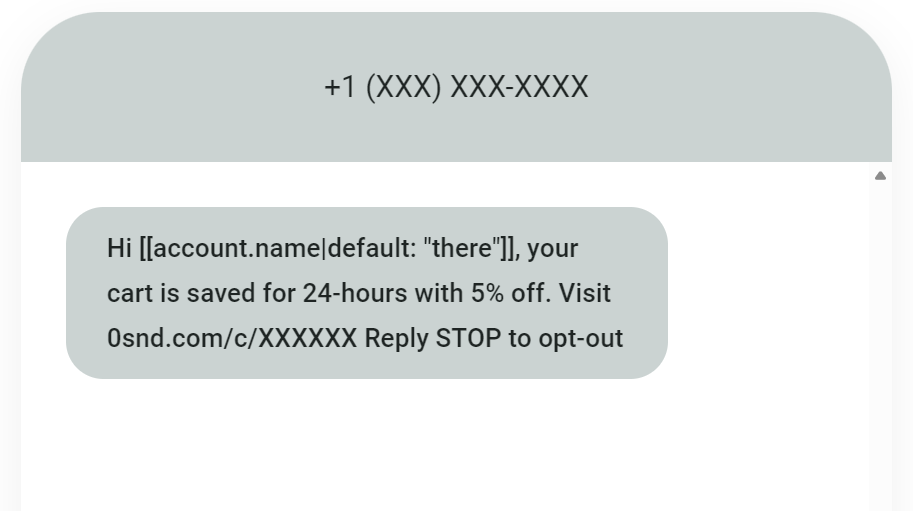
- Trigger Automated Flows: Initiate specific text message sequences based on predefined customer actions or system events (e.g., an abandoned cart, a new order, a loyalty point update).
- Segment Customers Dynamically: Utilize rich customer data from various sources to create highly specific audience segments, ensuring messages are relevant to individual customer profiles and preferences.
- Personalize Messages at Scale: Incorporate specific customer details, purchase history, and behavioral insights into text messages, moving beyond generic greetings to truly contextual communication.
Without these integrations, an SMS marketing tool functions largely as a broadcast mechanism, capable only of sending general campaigns to a static list of contacts. The rich, actionable data generated by customer interactions on an e-commerce platform or through other apps remains inaccessible, severely limiting the ability to deliver timely, relevant, and automated messages that drive significant revenue.
The Business Imperative: Why SMS Integrations Drive ROI
The strategic importance of SMS integrations for e-commerce brands is underscored by compelling financial and operational benefits. Automated text messages, powered by intelligent integrations, consistently outperform traditional SMS campaigns in terms of revenue generation. Forecasts for 2025 suggest that automated text messages could generate an average of $0.74 per send, a stark contrast to the $0.15 generated by standalone campaigns. This significant difference highlights the power of contextual, triggered messaging.
Key reasons why SMS integrations are indispensable include:
- Enhanced Customer Experience and Personalization: By accessing real-time customer data (browsing history, purchase patterns, loyalty status), businesses can send highly relevant messages. This could range from personalized product recommendations after a browsing session to an exclusive VIP offer for a loyal customer. Such tailored communication fosters a sense of value and understanding, significantly improving customer satisfaction.
- Increased Revenue through Automation: Integrations enable critical automated workflows that directly impact the bottom line. Abandoned cart reminders, post-purchase follow-ups, reorder prompts, and win-back campaigns can be automatically triggered, recovering lost sales and encouraging repeat purchases. These automations operate 24/7, ensuring no revenue opportunity is missed.
- Improved Customer Retention and Loyalty: Timely and relevant communications contribute significantly to customer loyalty. Updates on loyalty points, birthday discounts, or early access to new products via SMS keep customers engaged and feeling appreciated. This proactive engagement reduces churn and nurtures long-term relationships.
- Operational Efficiency and Reduced Workload: Automating SMS communications frees up marketing teams from manual tasks, allowing them to focus on broader strategic initiatives. Customer service teams also benefit from reduced inquiries as automated shipping updates, return confirmations, and other transactional messages proactively address common customer questions.
- Data-Driven Decision Making: Centralizing customer data through integrations provides a comprehensive, 360-degree view of each customer. This unified data empowers marketers to analyze behavior, identify trends, and refine their strategies for even greater impact, leading to more intelligent targeting and optimized campaign performance.
- Multichannel Synergy: When integrated with other marketing channels like email and web push notifications, SMS amplifies the overall marketing effort. A text message can alert a customer to a new email campaign, or an email can provide more detailed information following an SMS alert. This cohesive approach ensures maximum reach and engagement, contributing to a higher overall return on investment. Leading e-commerce platforms often report that brands leveraging at least three integrated marketing channels see a 287% higher purchase rate compared to those using a single channel.
Ten Pivotal SMS Integration Types for E-commerce
To maximize the impact of SMS marketing, e-commerce brands must strategically integrate their SMS tool with a range of other essential applications. Here are ten critical integration types, ordered by their typical priority and impact:
1. E-commerce Platform Integrations (Foundation of Data Flow)
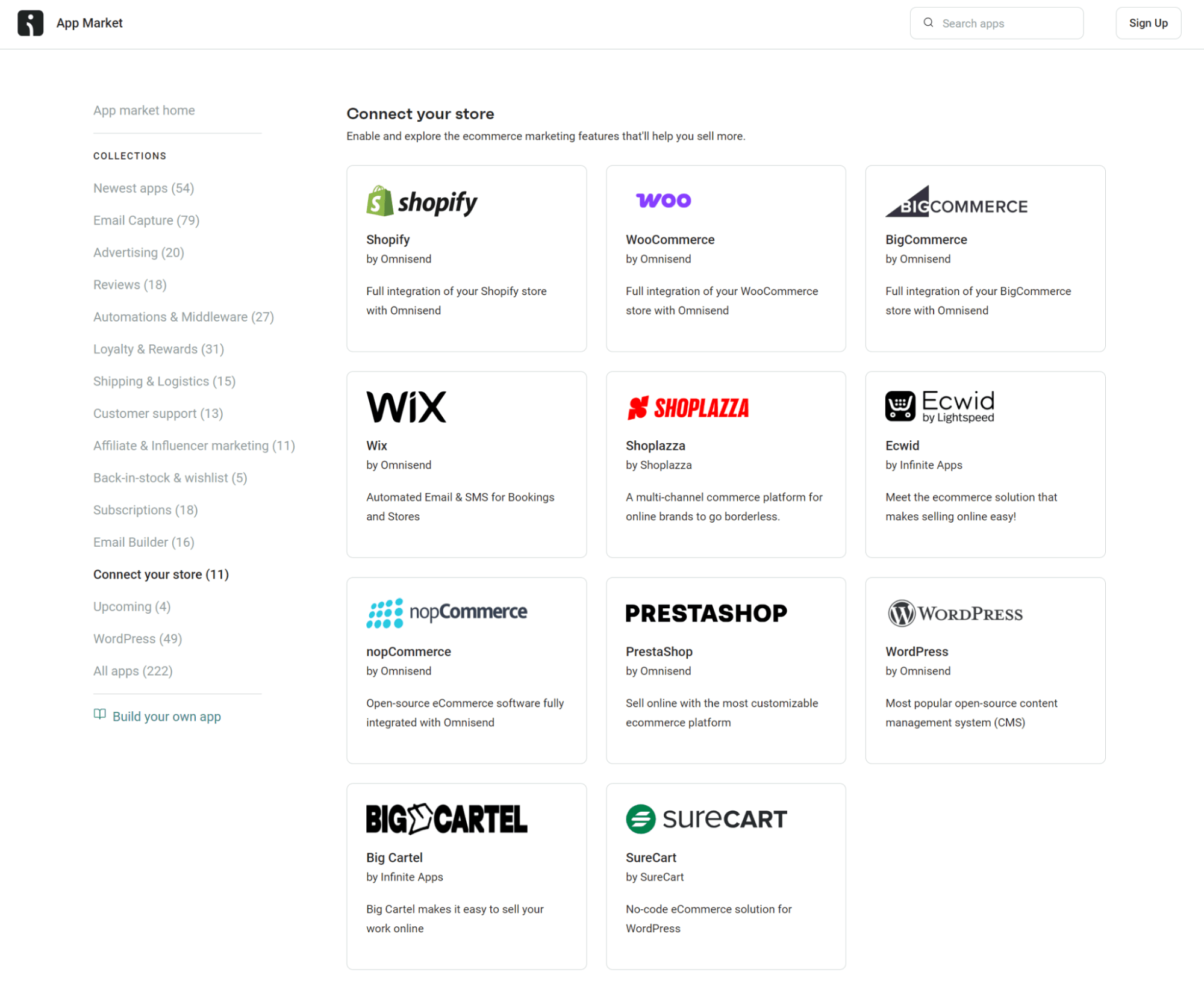
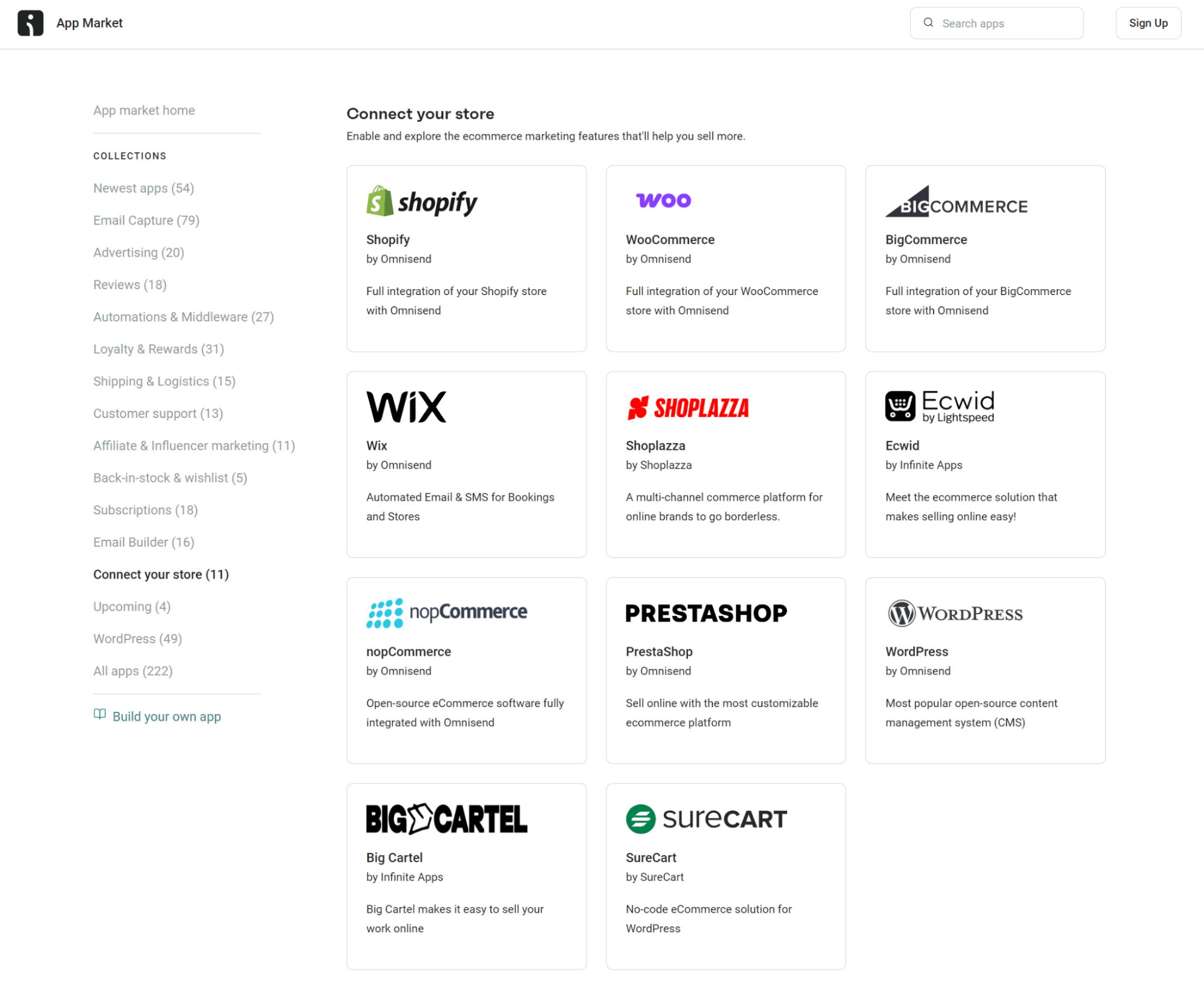
This is the absolute cornerstone. Integrating your SMS tool with your primary e-commerce platform (e.g., Shopify, WooCommerce, BigCommerce, Wix) is non-negotiable. This connection pulls vital customer profiles, purchase history, browsing behavior, and product catalog data directly into your SMS system. Without it, advanced automations like abandoned cart recovery, browse abandonment reminders, personalized product recommendations, and post-purchase follow-ups are impossible. The data flow from the e-commerce platform forms the basis for segmentation, enabling targeted messages that convert five times more effectively than generic campaigns. For instance, a customer who views a specific product category multiple times but doesn’t purchase can receive a tailored SMS offering a discount on items from that category.
2. Email Marketing Integrations (Multichannel Powerhouse)
While SMS excels at immediacy, email provides space for detailed communication. Integrating SMS with your email marketing platform (or using a multichannel tool like Omnisend that combines both) creates a powerful synergy. This allows for coordinated campaigns where SMS can prompt email opens, reinforce email offers, or serve as a fallback for unread emails. For example, a welcome series might start with an email, followed by an SMS reminder, and then another email with a special offer. Businesses employing such multichannel strategies have reported up to 100% month-over-month growth and significantly higher customer lifetime values.
3. CRM and Customer Data Platform (CDP) Integrations (Holistic Customer View)
CRMs and CDPs are repositories of extensive customer information, from purchase history and demographic data to support interactions and lifecycle stage. Integrating these with your SMS tool ensures that your SMS marketing is informed by the most complete customer profile available. This enables highly sophisticated segmentation and personalization, such as sending exclusive SMS offers to high-value customers identified in the CRM, or re-engagement messages to customers whose lifecycle stage indicates a churn risk. Furthermore, data generated by SMS interactions (e.g., replies, click-throughs) can feed back into the CRM, enriching customer profiles for future marketing and sales efforts.

4. Personalization Integrations (Contextual Relevance)
Beyond basic name personalization, integrating with advanced personalization tools allows for truly contextual messaging. This could involve leveraging AI-driven product recommendation engines to suggest items via SMS based on recent browsing or purchase history, or integrating with weather apps to send location-specific promotions (e.g., "Rainy day discount on umbrellas!"). While SMS has character limitations, these integrations ensure that the limited text space is utilized for the most impactful and relevant content.
5. Help Desk and Customer Support Integrations (Proactive Problem Solving)
Connecting your SMS tool with customer support platforms (e.g., Gorgias, Zendesk) streamlines communication and improves the post-purchase experience. This allows for automated SMS messages related to support tickets, such as confirming ticket creation, providing status updates, or notifying customers when an issue has been resolved. Crucially, it also enables support teams to initiate SMS conversations directly from their help desk, closing the loop between marketing and support and reducing common inquiries like "where is my order?" (WISMO), which can constitute up to 80% of customer service inquiries for some brands.
6. Loyalty and Rewards Program Integrations (Nurturing Brand Advocates)
Loyalty programs are designed to incentivize repeat purchases, and SMS is an ideal channel to communicate loyalty-related updates due to its immediacy. Integrating loyalty apps (e.g., Yotpo, Smile.io) with your SMS tool allows for automated messages about points earned, tier changes, reward redemptions, birthday rewards, and exclusive VIP offers. This keeps loyalty programs top-of-mind for customers and encourages continued engagement, transforming occasional buyers into brand advocates. A deep integration can sync over 40 properties and 17 custom events, enabling a highly granular approach to loyalty communication.
7. Subscription Management Integrations (Minimizing Churn)
For subscription-based e-commerce businesses, integrations with subscription management platforms (e.g., Recharge, Recurly, Chargebee) are vital for minimizing involuntary churn. Automated SMS messages can be triggered for critical events such as upcoming renewals, payment failures, credit card expiry warnings, or subscription pauses/cancellations. The immediate nature of SMS can significantly improve recovery rates for failed payments, directly impacting recurring revenue. These integrations ensure customers are informed and can take action swiftly, protecting the subscription base.
8. Shipping and Logistics Integrations (Enhanced Post-Purchase Experience)
The period between purchase and delivery is a critical window for customer satisfaction. Integrating with shipping and logistics apps (e.g., AfterShip, ShipStation) allows for automated SMS updates on order status, tracking information, potential delays, and successful delivery notifications. This proactive communication reduces customer anxiety, minimizes "where is my order?" inquiries, and provides additional brand touchpoints to nurture customers. Furthermore, these messages can subtly include cross-sell opportunities for related products, leveraging the high engagement rate of transactional SMS.
9. Reviews and UGC Integrations (Building Trust and Social Proof)
Customer reviews and user-generated content (UGC) are powerful drivers of trust and conversion. Integrating review platforms (e.g., Judge.me, Okendo, Loox) with your SMS tool enables automated review requests after a purchase, dramatically increasing response rates. It also allows for sending personalized thank-you messages for submitted reviews or even exclusive offers to customers who have provided positive feedback. The collected social proof can then be leveraged in future marketing efforts, creating a virtuous cycle of trust and engagement.
10. Returns Management Integrations (Streamlined Post-Purchase Support)
Efficient returns processes are crucial for customer satisfaction and retention, especially in fashion and electronics e-commerce. Integrating SMS with returns management apps (e.g., Loop Returns) allows for automated SMS confirmations of return requests, status updates (e.g., "return received," "refund processed"), and even offers for exchanges rather than refunds. This transparency and proactive communication reduce customer frustration during what can often be a sensitive interaction, enhancing the overall post-purchase experience and potentially reducing support load.
Prioritizing Your SMS Integrations for Maximum Impact
Given the array of potential integrations, a strategic approach to prioritization is essential. Businesses should focus on integrations that offer the highest potential for revenue generation, customer retention, and operational efficiency, typically starting with foundational platforms and then moving to specialized tools.
- E-commerce Platform First: This is the bedrock. Without data from your store, most advanced SMS automations are impossible. Prioritize connecting your e-commerce platform (Shopify, WooCommerce, etc.) immediately to enable core functionalities like abandoned cart recovery and segmentation.
- Revenue-Generating & Retention-Focused Apps Next: Once the e-commerce platform is connected, focus on apps that directly impact revenue and customer loyalty. This includes email marketing (for multichannel synergy), loyalty programs (for repeat purchases), subscription management (for recurring revenue), and reviews/UGC (for conversion and trust).
- Customer Experience & Efficiency Enhancers: Finally, integrate tools that improve the overall customer experience and streamline operations. This category includes shipping, help desk, and returns management integrations, which reduce support inquiries and build goodwill.
- Leverage a Multichannel Platform: Consider a platform that natively combines SMS, email, and other channels. This reduces integration complexity and provides a unified view of the customer across all marketing touchpoints.
The Omnisend Approach: Consolidating and Connecting Your E-commerce Stack
Platforms like Omnisend exemplify the integrated approach, offering over 200 native integrations designed specifically for e-commerce. These include direct, no-code connections to major e-commerce platforms like Shopify, WooCommerce, Wix, and BigCommerce, ensuring that all historical customer data and product information syncs automatically and in real-time. This robust foundation allows businesses to immediately deploy sophisticated, automated SMS campaigns for abandoned carts, welcome series, post-purchase follow-ups, and more, significantly reducing the manual effort involved.
Beyond core e-commerce platforms, Omnisend integrates deeply with a wide ecosystem of specialized e-commerce apps for loyalty (e.g., Yotpo, Smile.io), reviews (e.g., Okendo, Judge.me), customer support (e.g., Gorgias), and shipping (e.g., AfterShip, Wonderment). These integrations are continuously tested and updated, ensuring stable and reliable connections that feed rich data into the SMS marketing engine. For applications not natively supported, platforms often offer integrations via middleware tools like Zapier, Make, or Integrately, providing flexibility and extensibility.
A key advantage of such integrated platforms is the consolidation of marketing tools. By treating SMS, email, and web push notifications as primary, interconnected channels, businesses can reduce costs and simplify their marketing stack. Instead of managing separate tools for SMS, email, pop-ups, and back-in-stock alerts, a single platform offers pre-built workflows that can incorporate all these channels. This holistic approach empowers businesses to achieve impressive results, with Omnisend customers reporting an average $79 ROI for every $1 spent across all channels in 2025. The economic benefit is further enhanced by features like bonus SMS credits and comprehensive analytics, making advanced multichannel marketing accessible even for growing businesses.
Conclusion: The Future of E-commerce is Integrated
The journey of e-commerce communication has evolved from simple broadcasts to complex, personalized interactions. SMS integrations are not merely a technical add-on but a strategic imperative for any e-commerce brand seeking to thrive in today’s competitive landscape. By connecting critical applications to a robust SMS tool, businesses can unlock the power of data-driven automation, deliver hyper-personalized customer experiences, and achieve significant gains in revenue, retention, and operational efficiency.
The initial step involves integrating your SMS tool with your core e-commerce platform, laying the groundwork for a rich data flow. Subsequently, prioritizing integrations with revenue-generating and retention-focused apps—such as loyalty programs, review platforms, and subscription managers—will maximize impact. Finally, leveraging a comprehensive multichannel marketing platform that natively unifies SMS, email, and other digital channels can consolidate efforts, reduce complexity, and provide a holistic view of the customer journey, ensuring that every message counts. As customer expectations continue to rise, the ability to seamlessly integrate and orchestrate communication across all touchpoints will be the defining characteristic of successful e-commerce brands.
FAQs
What exactly is SMS integration in e-commerce?
SMS integration connects your text messaging tool with other e-commerce applications, such as your online store platform, CRM, loyalty program, or shipping software. This connection enables data sharing, allowing your SMS tool to trigger automated, personalized messages based on customer actions or events within those other apps.
Which SMS integrations should an e-commerce business prioritize first?
The most crucial first integration is with your primary e-commerce platform (e.g., Shopify, WooCommerce). This connection provides essential customer profiles, purchase data, and behavioral insights, which are necessary for fundamental automations like abandoned cart recovery and segmentation. After that, prioritize integrations with apps that directly impact revenue and retention, such as email marketing tools, loyalty programs, and review platforms.
Is coding knowledge required to set up SMS integrations?
In most cases, no. Modern SMS marketing platforms offer native, one-click integrations with popular e-commerce platforms and apps, requiring no coding. For less common apps, middleware tools like Zapier can often connect systems without custom code. However, for highly customized e-commerce builds or very specific, unsupported apps, API access and some technical expertise might be necessary.
Do SMS integrations work across international markets?
Yes, SMS integrations generally work internationally, provided your SMS marketing tool supports global sending capabilities. While some apps might have regional restrictions, the primary consideration is the SMS provider’s coverage for sending messages to different countries and adherence to local telecommunication regulations and opt-in laws. Always verify the international reach of your chosen SMS tool.









