rifanmuazin
For many small businesses, email remains a powerful but often underutilized tool, frequently relegated to a mere megaphone for sales announcements or routine newsletters. This approach, however, leaves substantial revenue and engagement potential untapped, as a recent analysis by AWeber underscores. Their comprehensive research, surveying over 1,200 small business owners, revealed that only 60% perceive their current email strategy as effective. The distinguishing factor among the top performers is not superior subject lines, but rather a diversified approach: deploying multiple types of emails, each meticulously designed for a specific purpose at a precise moment in the customer journey.
The digital landscape has dramatically shifted, moving beyond one-to-many communication to a preference for personalized, timely, and relevant interactions. In this environment, an email strategy that relies solely on a single broadcast type risks alienating subscribers, diminishing deliverability, and ultimately, stifling growth. Effective email marketing today is an intricate ecosystem where welcome emails convert new interest into early engagement, abandoned cart emails recover nearly lost sales, and re-engagement campaigns maintain list hygiene and sender reputation. These critical functions cannot be achieved through a generic newsletter alone. Businesses that recognize this imperative are strategically deploying a range of email types to drive revenue, cultivate lasting subscriber loyalty, and build an audience that requires less constant re-acquisition.
The Strategic Imperative of Diverse Email Types
Email marketing, with its high return on investment (ROI) often cited at $36 for every $1 spent, stands as a cornerstone of digital marketing for small and medium-sized enterprises (SMEs). Its effectiveness, however, is directly proportional to the sophistication and segmentation of its application. The transition from a broadcast-centric mindset to a multi-faceted approach is not merely a best practice; it is a necessity for competitive advantage and sustained growth. The following sections delve into the critical email types that form the bedrock of a high-performing email strategy, outlining their purpose, strategic importance, key implementation tactics, and automation capabilities.
Welcome Email: Setting the Foundation for Engagement
What it is and Why it Matters:
A welcome email is the inaugural message a new subscriber receives immediately after joining an email list. This automated message is critical because it captures the subscriber at their peak moment of interest. Industry benchmarks consistently show welcome emails achieving open rates upwards of 50-60%, sometimes even higher, dwarfing the typical 20-40% for standard promotional emails. This heightened attention represents a golden opportunity to make a strong first impression and solidify the relationship. A generic "thanks for signing up" squanders this prime window, missing the chance to convert initial interest into lasting engagement.
Optimizing for Results:
To maximize the impact of a welcome email, businesses should immediately provide tangible value. This could be an exclusive discount, a link to their most valuable piece of content, or a free resource directly related to their signup interest. Crucially, the welcome email should clearly articulate what subscribers can expect from future communications – outlining frequency, content types, and value proposition. Inviting a direct reply is a simple yet powerful tactic that significantly boosts both subscriber relationship building and email deliverability by signaling active engagement to email service providers.
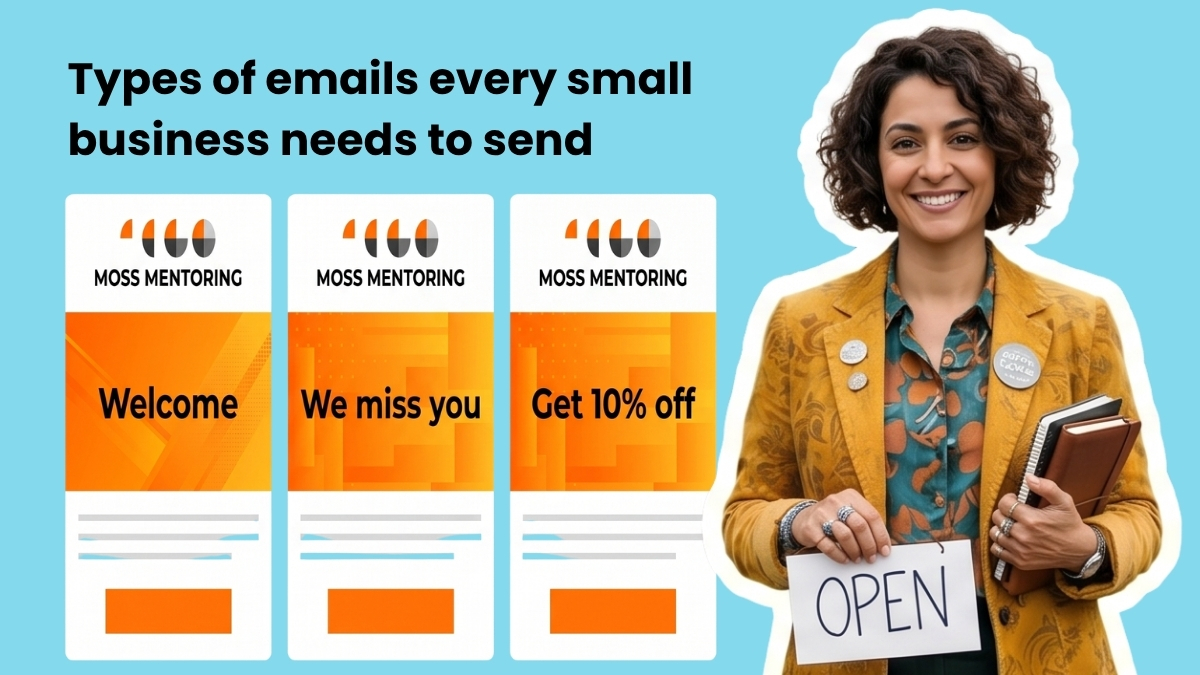
For enhanced performance, a multi-email welcome sequence often outperforms a single message. The first email delivers the promised immediate value. The second, sent shortly thereafter, can introduce another useful resource or a deeper insight into the brand’s mission. The third email, typically concluding the sequence, can subtly introduce a soft offer or encourage further exploration of products/services. By the end of this sequence, the subscriber has a clear understanding of the brand’s identity and value. Timing is paramount; the first email should trigger within minutes, ideally no more than an hour, of signup, as the window of peak recall closes rapidly.
Automation and Integration:
Welcome emails are inherently automated. They are triggered instantaneously upon a subscriber joining the list, whether through a signup form on a website, a lead magnet download, or an in-store opt-in. This automation ensures consistency, timeliness, and scalability, making manual dispatch an inefficient and impractical approach.
The Newsletter: Cultivating Consistent Connection
What it is and Why it Matters:
A newsletter is a regularly scheduled email designed to maintain an ongoing connection with an audience between specific campaigns. Its content can vary widely, incorporating original perspectives, curated industry news, behind-the-scenes updates, or a blend of these elements, all delivered on a consistent schedule. AWeber’s research indicates that 54% of small businesses send newsletters at least once a week, highlighting the widespread recognition of consistency in audience training.
Optimizing for Results:
The most successful newsletters are not necessarily those with the most elaborate designs, but rather those that offer a genuine, distinctive point of view. As Emmy Award-winning producer Paula Rizzo highlights, newsletters thrive on intimacy and exclusive content that readers cannot find elsewhere. This unique perspective is the core value proposition.
Effective newsletters typically focus on one central topic per issue, starting with the key insight rather than extensive preamble. Writing to a single imagined individual rather than a faceless list fosters a more personal and engaging tone. Maintaining a predictable sending schedule – for instance, the same day every week – builds anticipation and trust, cultivating loyalty that translates into higher open and click rates for all subsequent emails.
Automation and Integration:
While many businesses craft newsletters manually to preserve a human touch, automation options exist for specific content types. For instance, businesses that regularly publish blog posts or YouTube videos can set up RSS-to-email automations that automatically send new content to their subscribers. More advanced platforms, like AWeber’s Newsletter Assistant, leverage AI to generate personalized newsletter drafts in a brand’s voice, allowing for efficient editing and sending without starting from a blank screen. This blends automation with the need for a distinct human voice.
Promotional Email: Driving Direct Revenue
What it is and Why it Matters:
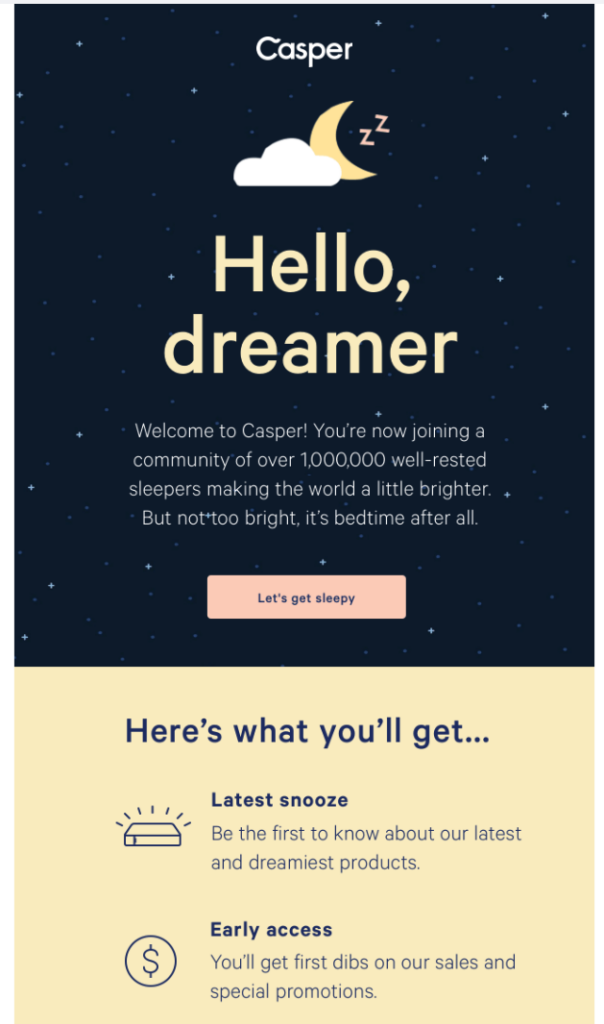
A promotional email is specifically designed to announce a limited-time offer, a sale, a discount, or a special opportunity, with the explicit goal of prompting a specific action before a defined deadline. When executed thoughtfully, promotional emails are among the most direct drivers of revenue. Conversely, poorly conceived or excessively frequent promotional emails can desensitize subscribers, leading to decreased engagement and a damaged sender reputation.
Optimizing for Results:
Successful promotional emails are characterized by clarity and a singular focus: one compelling offer, one clear deadline, and one prominent call to action. The effectiveness hinges on the inherent value of the offer itself; if the offer is genuinely attractive, a straightforward email will convert. If the email requires extensive justification or elaborate copy, the offer likely needs refinement before the email is sent.
Segmentation is paramount for promotional success. Not all subscribers desire the same offers. Utilizing tags and segments to target promotions to specific portions of a list—for example, sending hiking shoe promotions only to subscribers who have previously engaged with hiking gear content—consistently outperforms mass broadcasts. This personalized approach respects subscriber preferences and improves relevance. Limiting promotional emails to a handful per month is advisable. Each promotion, especially those lacking substantial value, draws down a finite reserve of subscriber trust.
Automation and Integration:
Most promotional emails, being tied to specific dates, campaigns, or inventory decisions, typically require manual creation and scheduling. However, post-signup promotional offers, such as a welcome discount, can and should be automated as part of the initial welcome sequence, leveraging the new subscriber’s immediate interest.
Abandoned Cart Email: Recovering Lost Opportunities
What it is and Why it Matters:
An abandoned cart email is an automated message sent to a customer who has added items to their online shopping cart but exited the website without completing the purchase. This email is automatically triggered by the specific action of cart abandonment. Data indicates that approximately seven out of ten online shoppers abandon their carts before checkout. These are not necessarily lost sales but paused ones, often due to price concerns, distractions, or lingering doubts. An abandoned cart email directly addresses these hesitations, offering a chance to recover revenue that was nearly secured. For any business selling products online, this is one of the highest-return automation sequences possible.
Optimizing for Results:
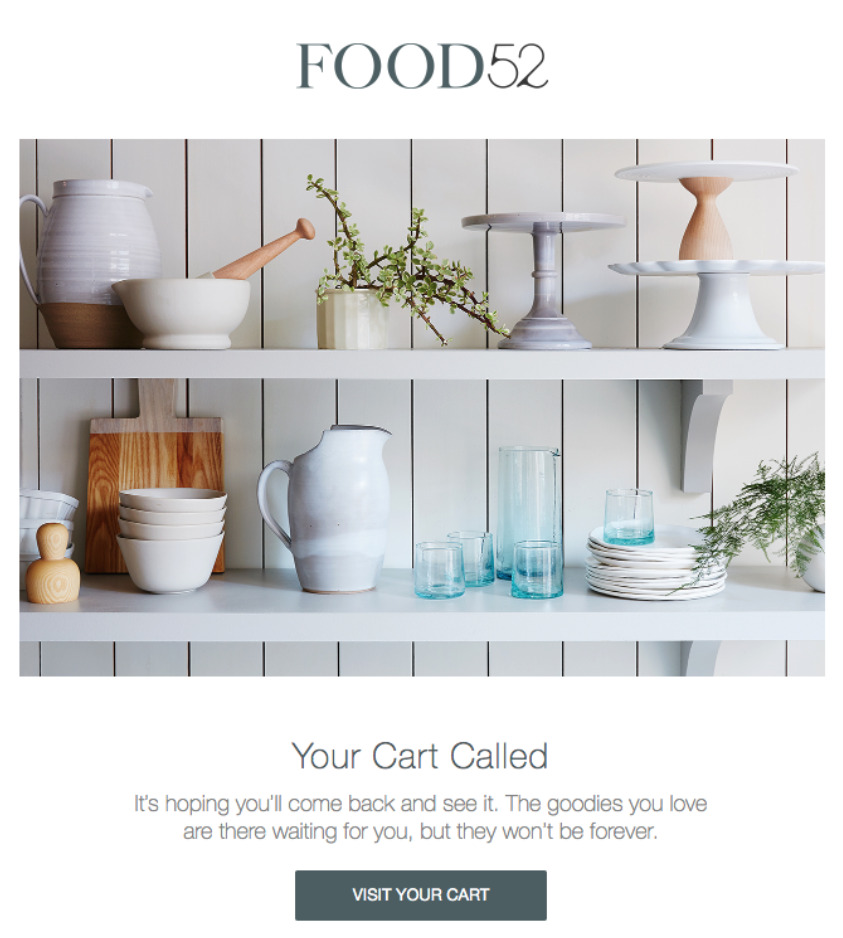
While a single reminder can recover some revenue, a sequence of two or three emails significantly boosts conversion rates. The first email, sent within one to two hours of abandonment, should be a simple, gentle reminder, perhaps including an image of the forgotten product, without immediate discounts. Many abandonments are simply due to distraction. A second email, sent around 24 hours, can address common objections like shipping costs, clarify return policies, or feature a glowing customer review of the product. The offer of a discount is best reserved for a third email, sent around 72 hours, for those who remain unconvinced.
The most effective abandoned cart emails treat the situation as a continuation of a conversation, aiming to understand the customer’s pause rather than simply chasing a sale. By anticipating and addressing potential concerns, the emails become helpful rather than pushy.
Automation and Integration:
Abandoned cart emails are always automated. They require seamless integration between an email marketing platform (like AWeber) and an e-commerce platform (such as WooCommerce, Shopify, or Magento). This integration allows the system to detect abandoned carts and automatically trigger the predefined email sequence, ensuring timely and consistent recovery efforts without manual intervention.
Re-engagement Email: Maintaining List Health and Deliverability
What it is and Why it Matters:
A re-engagement email targets subscribers who have become inactive, typically defined as six months or more without opening or clicking an email. Its purpose is to directly ascertain whether they still wish to receive communications. Every email list accumulates cold subscribers over time. If left unaddressed, these inactive contacts negatively impact overall deliverability rates for the entire list, including those who actively engage. A re-engagement sequence safeguards sender reputation before a declining engagement rate starts affecting open rates across the board. A smaller, highly engaged list invariably outperforms a large, disengaged one in terms of actual conversions and ROI.
Optimizing for Results:
Directness and honesty are key. A message like "We haven’t heard from you in a while and don’t want to fill your inbox if you’ve moved on" resonates far better than manufactured urgency. The email should offer two clear options: an easy way to remain subscribed, often paired with a valuable incentive (e.g., an exclusive offer, a useful resource), or a straightforward unsubscribe link. Subscribers who actively choose to stay after a re-engagement campaign often become some of the most reliable openers going forward, having deliberately reaffirmed their interest. Those who do not respond should be removed from the active list to immediately improve open rates and sender reputation.
Automation and Integration:
Re-engagement emails are always automated. The trigger is set within the email platform based on an inactivity window (e.g., 6 months of no opens or clicks). Once configured, the sequence runs automatically, systematically identifying and addressing dormant subscribers to maintain a healthy and engaged list.
Transactional Email: Building Trust Through Utility
What it is and Why it Matters:
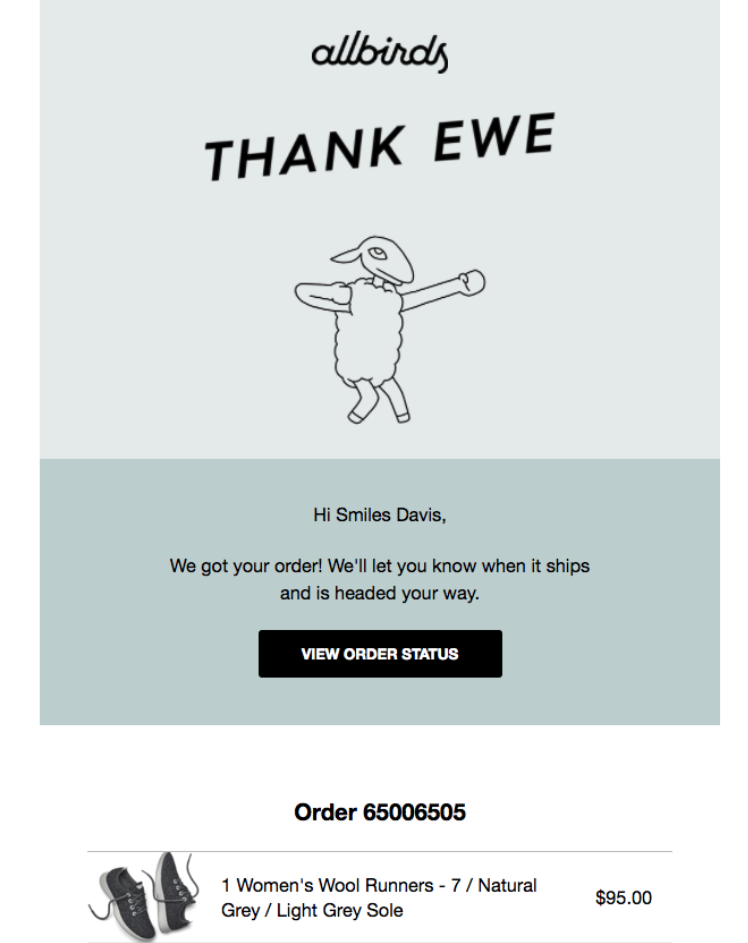
Transactional emails are triggered by specific customer actions, such as a purchase confirmation, a booking receipt, a password reset request, or an account creation. Their primary function is to deliver essential information that the customer actively needs and expects, rather than unsolicited marketing messages. Because customers are actively looking for these emails the moment they arrive, transactional emails consistently achieve exceptionally high open rates, often surpassing 70-80%, far exceeding promotional benchmarks.
Optimizing for Results:
The core purpose of a transactional email is informational clarity. It must first provide all necessary details: confirmation numbers, next steps, and clear instructions on how to seek support. Below this essential content, businesses can strategically add a single, relevant piece of additional value. This could be a personalized product recommendation based on their purchase, a brief note reinforcing their buying decision, an invitation to a brand community, or a link to a useful resource related to their transaction. The key is brevity and relevance; the transaction remains the headline, with any supplementary content serving to enhance the customer experience without distracting from the primary message.
Automation and Integration:
Transactional emails are inherently automated. They are always triggered by a specific customer action and are never sent manually. Integration with e-commerce systems, customer relationship management (CRM) platforms, or other operational software is crucial to ensure these emails are sent promptly and accurately.
Lead Magnet Follow-Up Sequence: Nurturing New Leads
What it is and Why it Matters:
A lead magnet follow-up sequence is an automated series of emails initiated when someone signs up for a free resource, such as an e-book, template, webinar, or checklist. The sequence delivers the promised asset and then builds upon that initial interaction over a short series of subsequent emails. Lead magnets serve a dual purpose: they efficiently grow an email list, and, if the follow-up is well-structured, they provide invaluable insights into each new subscriber’s specific interests. This allows subsequent email communications to be highly personalized and relevant.
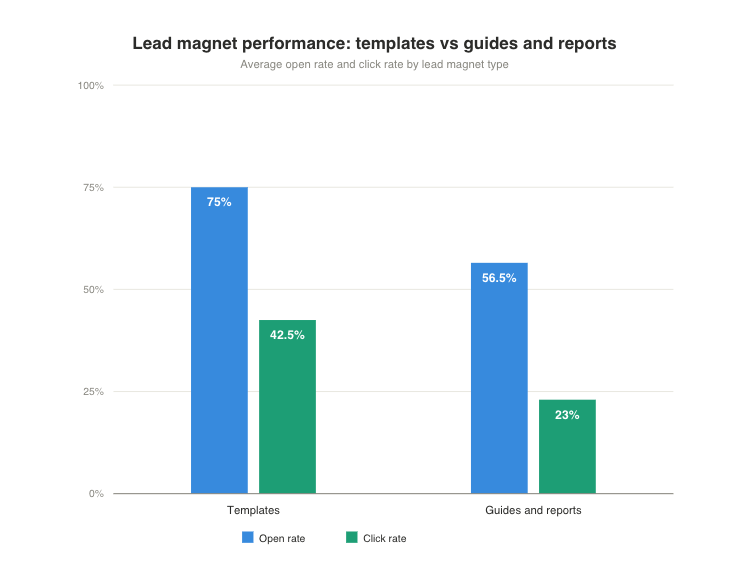
AWeber’s analysis of over 42,000 lead magnet follow-up emails revealed a significant disparity in engagement based on the type of lead magnet. Lead magnets offering immediate utility, such as templates, drove substantially higher engagement (averaging 75% open rates and 42.5% click rates on the delivery email) compared to guides or reports (averaging 56.5% open rates and 23% click rates). This data underscores the importance of offering practical, immediately applicable resources.
Optimizing for Results:
The first email, containing the lead magnet, must be delivered immediately upon signup. This initial delivery should then be followed by two to four additional emails spread over the next one to two weeks. Each subsequent email should expand on the value provided by the lead magnet, offering complementary tips, case studies, or related resources. The goal is to solidify the brand’s expertise and build trust before introducing any direct offers.
Automation and Integration:
Lead magnet follow-up sequences are fully automated. They are triggered the moment a subscriber completes the signup form for the lead magnet. The entire sequence, from delivery to subsequent nurturing emails, then runs automatically, ensuring a consistent and scalable lead nurturing process.
Product Launch Email: Orchestrating Successful Introductions
What it is and Why it Matters:
A product launch sequence is a short series of emails designed to introduce something new—a product, service, or course—to an email list, both before and after its official release. While a single announcement email can generate some interest, a well-orchestrated launch sequence significantly amplifies impact. It builds anticipation pre-launch, delivers a comprehensive overview on launch day, and provides crucial follow-ups to capture those who might have missed the initial announcement before the sales window closes. For significant new offerings, a sequence consistently outperforms a one-shot broadcast.
Optimizing for Results:
Each email within a launch sequence has a distinct objective. The "teaser" email aims to build curiosity and excitement without revealing all details. The "launch day" email provides the full value proposition, focusing on how the new offering benefits the subscriber ("What it does for them," not just "What it does"). "Last-chance" emails create a sense of urgency, ideally based on genuine scarcity or impending deadlines rather than manufactured pressure. A powerful tactic is to offer email subscribers early access or an exclusive pre-order window before a public announcement. This gesture of appreciation fosters goodwill and rewards loyalty.
Automation and Integration:
Product launch emails typically involve a blend of automation and manual oversight. Individual emails in the sequence can be pre-scheduled to send at specific times. More advanced automation can be implemented for elements like triggered "last-chance" reminders for non-openers or those who clicked but didn’t convert. However, the initial writing, strategic timing, and overall narrative flow of a launch sequence usually require human judgment to ensure maximum impact and authenticity.
Birthday and Milestone Email: Personalizing the Relationship
What it is and Why it Matters:
A birthday or milestone email is an automated message sent on a date of personal significance to the subscriber, such as their birthday, subscription anniversary, or another trackable milestone. These emails transcend the typical broadcast message, feeling like a direct, personalized communication. This shift in perception leads to exceptionally high open and click rates, often exceeding general benchmarks. Acknowledging a subscriber’s loyalty, especially for those who have remained on a list for an extended period, significantly strengthens the emotional connection and fosters goodwill that positively impacts engagement with all future communications.
Optimizing for Results:
To be truly effective, a milestone email should be paired with a genuine gesture, such as a special discount, early access to new content, or an exclusive offer. A birthday email without a tangible benefit can feel perfunctory and automated. Collecting the necessary data (e.g., birth dates) can be done discreetly during signup or through a dedicated preferences update email sent to existing subscribers. This personalization, combined with a meaningful offer, transforms a simple automation into a powerful relationship-building tool.
Automation and Integration:
Birthday and milestone emails are fully automated. They are triggered based on a specific date field stored within the subscriber’s record in the email platform. Once set up, the system automatically dispatches these personalized messages annually, requiring no further manual intervention.
Strategic Implementation and Future Outlook
For small businesses embarking on or refining their email marketing journey, the initial focus should be on establishing the foundational automated sequences. This begins with robust welcome emails to capture immediate interest and set expectations, followed by a consistent newsletter to build an ongoing relationship. Once these are effectively in place, adding a re-engagement automation is crucial for maintaining list health and deliverability. Businesses selling physical or digital products online should then prioritize an abandoned cart sequence to recover significant lost revenue. Other email types, such as lead magnet follow-ups, product launches, and birthday/milestone emails, can be layered in as the business grows and its needs evolve.
The most successful email programs are not necessarily those with the most intricate systems, but rather those that consistently address every meaningful moment in the subscriber relationship. They understand that email is not a monolithic channel but a diverse toolkit, each instrument playing a specific role in an overarching symphony of engagement and conversion.
Key Strategic Considerations:
- Automation vs. Broadcast: Understanding the fundamental difference between automated emails (triggered by subscriber actions or dates) and broadcast emails (manually created and scheduled) is crucial. Both are indispensable: automated emails handle individual moments in the customer journey, while broadcast emails foster ongoing connection and deliver timely updates.
- Email Frequency: For newsletters, weekly or bi-weekly schedules generally work well, establishing predictability. Promotional emails should be limited to one or two per week at most to avoid subscriber fatigue. Automated emails, by their nature, are sent based on subscriber behavior, making their frequency dynamic and responsive rather than fixed to a calendar. The paramount factor is consistency – meeting established expectations builds trust more effectively than any specific frequency.
- Highest Open Rates: Welcome emails and transactional emails consistently achieve the highest open rates, often exceeding 50-80%, due to subscriber expectation and direct relevance. Milestone emails, such as birthday messages, also perform exceptionally well due to their personalized timing. Newsletters and general promotional emails typically see open rates between 20% and 40%, largely dependent on list quality and the consistency of engagement.
In an increasingly competitive digital landscape, the future of small business success hinges on a sophisticated, customer-centric email marketing strategy. Moving beyond the "megaphone" and embracing a diverse array of email types, strategically deployed and often automated, is no longer optional—it is a critical pathway to sustained revenue growth, enhanced customer loyalty, and a thriving online presence.