
 rifanmuazin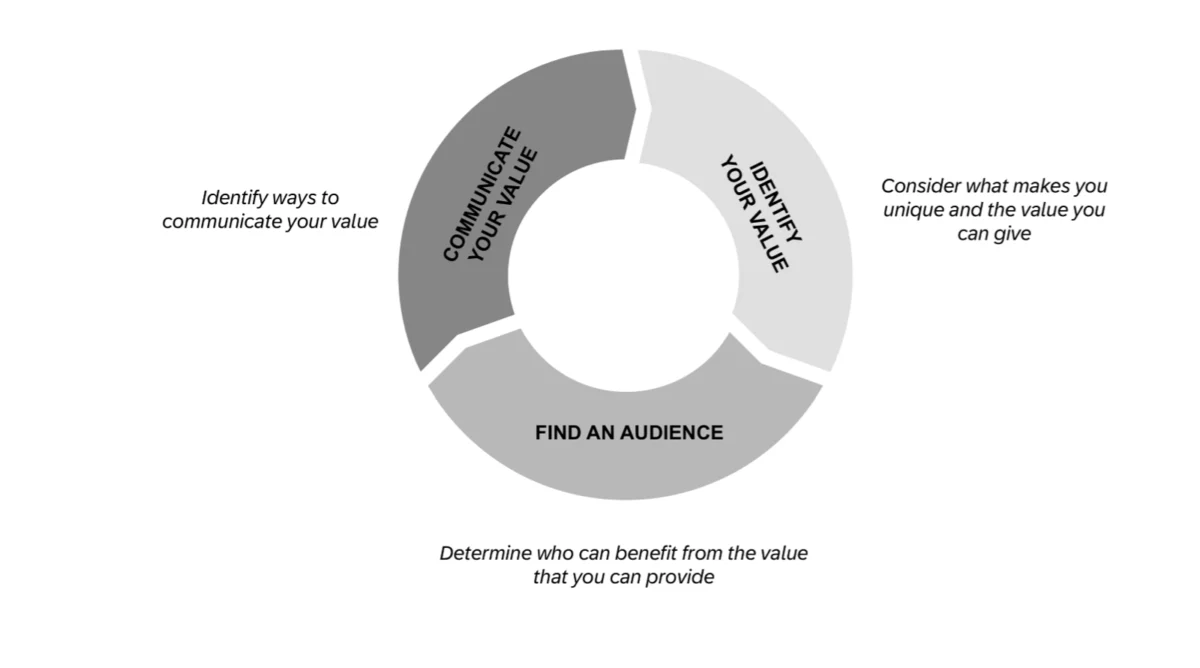
In an era defined by rapid digital transformation and the fragmentation of traditional media, the professional skills required to navigate the communications landscape have undergone a significant evolution. A recent report published by Forbes has identified networking as one of the top 20 essential skills for public relations (PR) professionals, particularly those specializing in internal communications. While often viewed as a secondary soft skill, industry experts and academic leaders are increasingly identifying networking as a foundational pillar of business efficacy. This shift in perspective comes at a time when the U.S. Department of Labor estimates that approximately 80% of available jobs are never publicly advertised, instead being filled through professional connections and the "hidden job market." Despite the clear economic incentives, a significant gap remains in how networking is taught, understood, and practiced by both veteran professionals and entering college students.
The Skills Gap and the Evolution of Career Readiness
The emphasis on networking as a core competency reflects a broader change in the professional services sector. In the past, technical skills—such as press release writing, media list management, and crisis coordination—were the primary benchmarks for success in PR and communications. However, the Forbes Communications Council now posits that internal networking is just as vital as external media relations. Effective internal communications professionals must possess the ability to navigate complex corporate hierarchies, identify key stakeholders, and build the cross-departmental bridges necessary to move business priorities forward.
This professional requirement has created a new challenge for higher education. At Boston University’s College of Communication (COM), the nation’s first dedicated PR school, faculty have recognized a growing "career readiness gap." Monique Kelley, an Associate Professor of the Practice and author of "Redefining Networking: How to Lead with Your Unique Value," has spearheaded the COM Career Readiness course. The curriculum is designed to address a startling reality: while students are often technically proficient in their specific majors—ranging from advertising and journalism to film and television—they frequently lack the fundamental understanding of how to leverage human capital.
According to data gathered from the course, students across all disciplines express a common confusion regarding the mechanics of professional relationship building. When presented with the statistic that four out of five jobs are secured through networking, the most frequent student response is not a lack of interest, but a lack of methodology. This suggests that the traditional academic focus on meritocracy and technical output may inadvertently neglect the social engineering required to enter the workforce in the 21st century.
Statistical Analysis of Networking Habits and Barriers
The reluctance to network is not confined to the classroom; it is a pervasive issue throughout the global workforce. A comprehensive global survey conducted by LinkedIn revealed that while 80% of professionals acknowledge that networking is important for career success, only 48% maintain active contact with their network when they are not actively seeking a new role. This "transactional" approach to networking—only reaching out when a favor is needed—is cited by experts as one of the primary reasons why many professionals find the process draining or ineffective.

The survey identified three primary barriers to consistent networking:
- Time Constraints: Professionals often view networking as an "extra" activity rather than a core component of their job description.
- The "Favor" Stigma: Many individuals, particularly those early in their careers, feel uncomfortable asking strangers for assistance or introductions, viewing it as an imposition.
- Introversion and Social Anxiety: A significant portion of the workforce feels that their personality type is inherently ill-suited for the high-energy social environments typically associated with networking.
However, the Journal of Career Development International provides a more clinical and perhaps more accessible definition: "Networking is defined as goal-directed behavior, which occurs both inside and outside of an organization, focused on creating, cultivating, and utilizing interpersonal relationships." By reframing networking as a "goal-directed behavior" rather than a social performance, career experts hope to lower the barrier for introverted or time-strapped professionals.
From Transactional to Transformational: A New Framework
To address these barriers, industry leaders are advocating for a shift from a transactional model to a "value-contribution" model. This approach encourages professionals to view networking as a way to contribute value to others rather than a way to extract favors. For young professionals and students, this often involves a three-step process designed to build sustainable, mutually beneficial relationships.
The first step involves identifying the unique value an individual brings to the table. For a student, this might be a fresh perspective on Gen Z consumer habits, proficiency in a new software platform, or a specific research interest. The second step is the strategic communication of that value to a curated audience, which includes not just recruiters, but also professors, guest lecturers, and alumni. The third step is the maintenance of these relationships through consistent, low-stakes engagement—such as sharing a relevant article or providing an update on a project—before a job search ever begins.
This methodology is particularly relevant for the "Class of 2024" and beyond, who are entering a workforce that is increasingly fragmented. The rise of all-virtual and hybrid work environments has eliminated many of the "organic" networking opportunities that previously existed, such as office water-cooler conversations or post-work social gatherings. In a remote setting, networking must be intentional; it does not happen by accident.
The Role of Mentorship and Industry Responsibility
The responsibility for bridging the networking gap does not rest solely on the shoulders of students. Seasoned professionals and organizations are increasingly being called upon to "pay it forward" through mentorship and sponsorship programs. In the communications industry, where "who you know" has historically been as important as "what you know," there is a growing movement to democratize access to professional networks.

Professor Monique Kelley emphasizes that if organizations are unaware of the talent that exists within their peripheral networks, that talent effectively remains invisible. By introducing junior staff to senior leaders or facilitating introductions across different agencies, veteran professionals can ensure that the "hidden job market" becomes more accessible to a diverse range of candidates. This is especially critical for maintaining a pipeline of talent in the PR and advertising sectors, which have faced scrutiny over diversity and inclusion in recent years.
Analysis suggests that companies with robust internal networking cultures see higher rates of employee retention and faster project completion times. When employees understand how to navigate the internal landscape of their firm, they can solve problems more efficiently and feel more connected to the company’s mission. Thus, networking is not merely a tool for individual career advancement, but a vital organizational asset.
Broader Implications for the Future of Work
The implications of these findings extend beyond the PR industry. As artificial intelligence and automation continue to handle more technical and administrative tasks, "human" skills like relationship building and strategic networking are expected to increase in value. The World Economic Forum’s Future of Jobs Report has consistently highlighted social influence and leadership as growing requirements in the global economy.
For educational institutions like Boston University, the success of "Career Readiness" initiatives serves as a blueprint for other universities. Integrating professional development directly into the academic curriculum ensures that students do not graduate with a degree but no direction. It prepares them for the reality of a modern economy where the traditional path of "apply, interview, hire" is increasingly being replaced by a more complex web of referrals and reputation-based recruiting.
In conclusion, the redefinition of networking from a transactional necessity to a strategic, value-based behavior is essential for the health of the communications industry. By providing students with the tools to navigate the 80% of the job market that remains hidden, and by encouraging seasoned professionals to foster an environment of mentorship, the industry can ensure a more resilient and interconnected workforce. As Professor Kelley notes, networking is ultimately about understanding one’s unique value and finding the right audience to contribute that value to—a skill that remains indispensable regardless of technological or economic shifts.










