rifanmuazin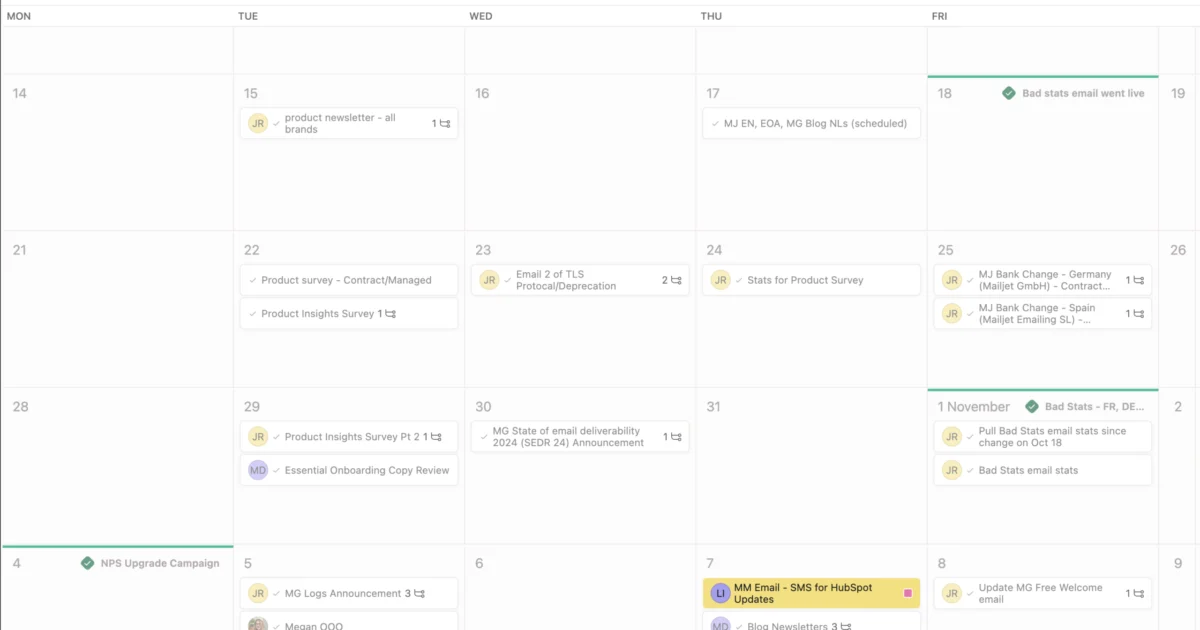
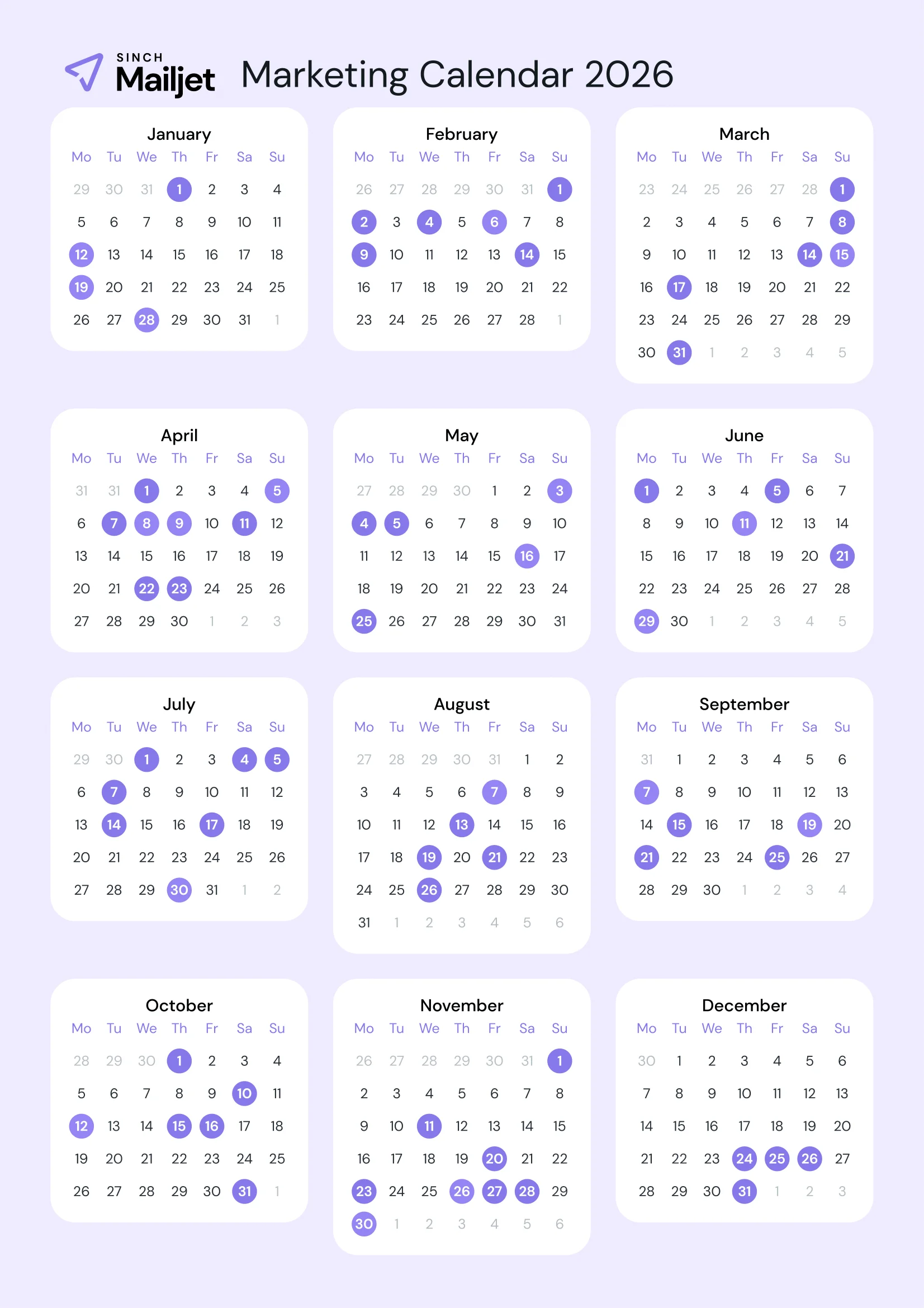
As the final quarter of 2025 draws to a close, marketers worldwide are shifting their focus to the strategic imperatives of the upcoming year. The period immediately following the end of one year and leading into the first quarter (Q1) of the next is a critical window for establishing robust marketing resolutions, particularly for those aiming to elevate their strategic outreach in 2026. This comprehensive guide outlines the essential dates and strategic considerations to ensure businesses commence the new year with impactful and well-orchestrated campaigns.
The Indispensable Role of a Marketing Calendar in 2026
Contrary to common misconceptions, the most arduous phase of implementing a marketing strategy is not the execution itself, but rather the meticulous planning that precedes it. True strategic success hinges on the early establishment of clear goals, the precise definition of priorities, and a proactive approach to anticipating market dynamics. This foundational work significantly mitigates potential challenges during later implementation stages, allowing for smoother campaign rollouts and more effective resource allocation.
In an era characterized by rapid technological advancements and unpredictable global events, the ability of brands to adapt their communication strategies is paramount. A meticulously crafted marketing calendar serves as a vital tool, enabling organizations to engage effectively with their target audiences, maximize marketing investments, and foster resilience in the face of evolving consumer behaviors. Recent years have underscored the necessity for agility, making a pre-planned calendar not just a convenience, but a strategic imperative.
Strategic Framework: Preparing Your Marketing Strategy and Plan
Developing an effective marketing strategy for 2026 requires a deep dive into several fundamental questions. These include: Who is the target audience? What are the overarching business objectives for the year? What resources (budget, personnel, tools) are available? What unique value proposition does the brand offer? And how will success be measured? Answering these questions forms the bedrock of a robust marketing plan.

The year 2026, like any other, will be punctuated by numerous special dates, holidays, and significant marketing opportunities. Proactive planning is not merely beneficial; it is essential for both business success and operational efficiency. A critical decision involves identifying which promotions—such as special deals, product launches, or seasonal sales—will anchor marketing activities. This selection must align directly with established marketing goals, as misdirected promotional strategies can severely undermine Key Performance Indicators (KPIs).
For holiday or special day marketing campaigns, a multi-stage planning approach is highly recommended. This typically involves:
- Early Planning: Identifying key dates months in advance.
- Pre-Campaign Buzz: Generating anticipation through teaser content, early access, or exclusive previews.
- Peak Campaign Execution: Launching main promotions with optimized messaging across chosen channels.
- Post-Campaign Analysis: Evaluating performance and gathering insights for future strategies.
The Imperative of Omnichannel Marketing in 2026
Once the core marketing strategy and promotional offerings are defined, the next crucial step is disseminating these messages effectively to the target audience. For special date promotions, an omnichannel approach is widely regarded as the most effective strategy. This involves integrating various marketing channels—such as in-store experiences, online platforms, social media, SMS marketing, and email marketing—to create a seamless and cohesive customer journey.
Omnichannel campaigns enhance audience engagement by providing multiple touchpoints and offering significant opportunities for upselling and cross-selling. While a diverse range of channels is available, strategic selection is key. Not every channel will be appropriate for every business; a B2B service provider, for instance, might find TikTok less impactful than LinkedIn or targeted email campaigns. However, certain channels remain universally critical for most businesses.
Email marketing consistently stands out as a high-performing channel, renowned for its exceptional Return on Investment (ROI). Industry data frequently reports email marketing generating between $35 and $40 for every dollar spent, making it a cornerstone of digital outreach. Its efficacy stems from the ability to personalize, segment, and optimize campaigns with detailed analytics. A significant advantage of email is the persistent nature of messages within contacts’ inboxes, allowing recipients to access promotional codes or store information at their convenience, thus extending the lifespan of marketing efforts.
Leveraging Technology for Marketing Calendar Organization
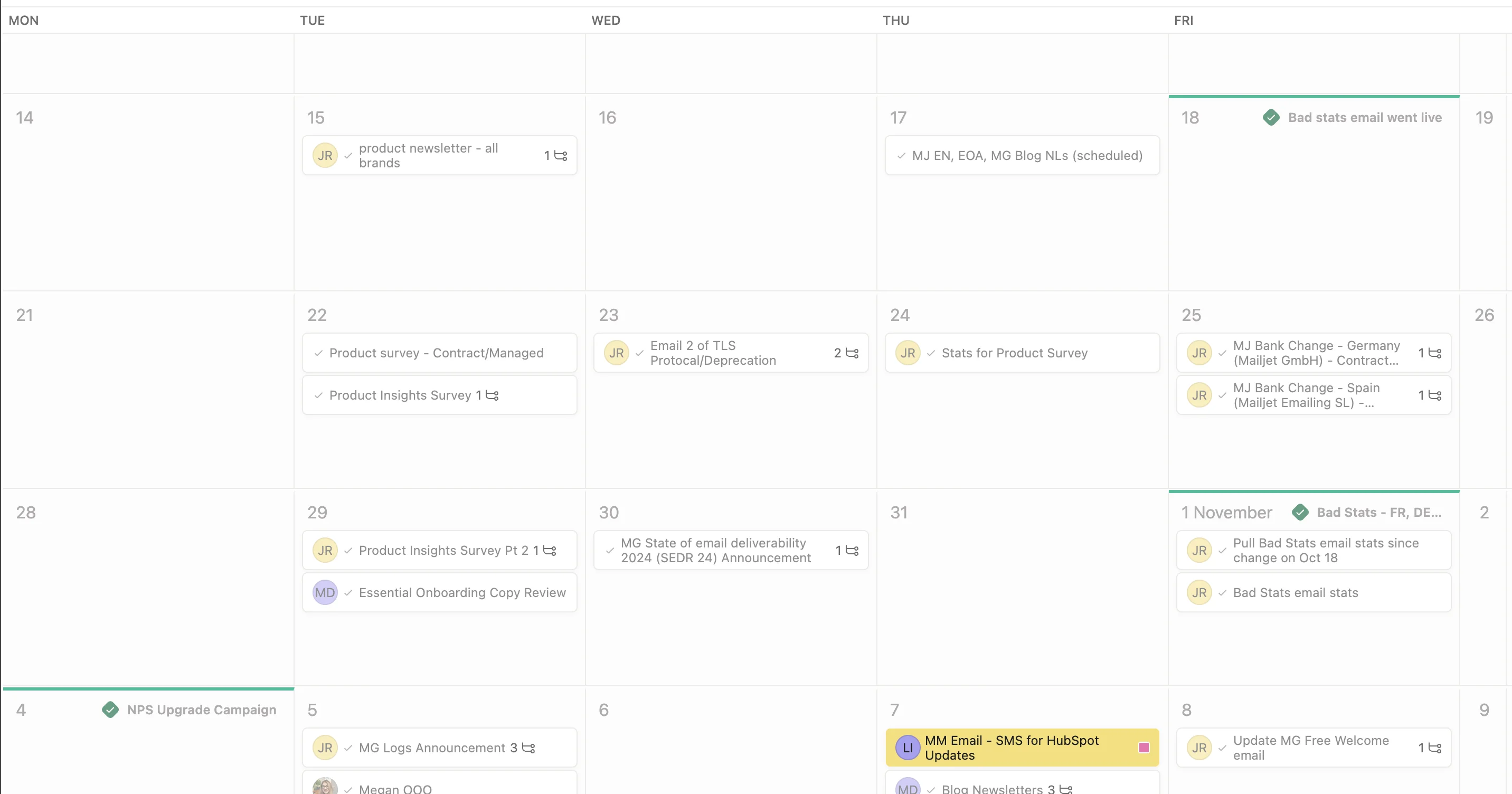
In the complex landscape of modern marketing, no single professional can realistically track every significant date and strategic nuance. The judicious use of organizational and project management tools is therefore essential for freeing up valuable mental bandwidth and streamlining operations. These tools facilitate:
- Centralized Planning: Consolidating all campaign details, deadlines, and responsibilities.
- Collaboration: Enabling seamless teamwork across departments and external partners.
- Automated Reminders: Ensuring no critical dates or tasks are missed.
- Resource Management: Allocating budgets and personnel efficiently.
- Performance Tracking: Monitoring campaign progress and identifying areas for optimization.
By integrating these tools, marketers can meticulously plan and schedule campaigns, ensuring timely execution and maximizing impact throughout 2026.
Key Dates and Strategic Considerations in the 2026 Marketing Calendar
January: A Fresh Start and Resolution-Driven Marketing
January embodies the spirit of new beginnings, goal-setting, and the lingering echoes of the holiday season. Marketers should capitalize on the pervasive theme of New Year’s resolutions. Initiating the month with well wishes for the new year is a standard practice, followed by offering special deals on products or services that align with common resolutions—such as fitness equipment, educational courses, financial planning tools, or wellness subscriptions.
Other notable dates include traditional Winter Sales across European markets, offering opportunities for post-holiday inventory clearance. The phenomenon of "Blue Monday" (typically the third Monday of January), often cited as the most depressing day of the year, presents a unique chance for brands to uplift spirits with empathetic messaging, comfort-oriented products, or engaging content designed to brighten consumers’ days.
Key Dates in January 2026:
- January 1: New Year’s Day (Focus: Resolutions, fresh starts, wellness)
- Early-Mid January: Winter Sales (Focus: Clearance, seasonal discounts)
- January 20 (estimated): Blue Monday (Focus: Uplifting content, mood-boosting offers)
February: High Stakes and Heartfelt Connections
February is a powerhouse month for marketers, hosting three of the year’s most significant events: Black History Month, Valentine’s Day, and the Super Bowl.
Black History Month (February 1-28): This month provides a crucial platform for corporate social responsibility (CSR) and authentic storytelling. Brands should leverage this opportunity to highlight stories from diverse voices within their organizations, showcase initiatives supporting equality, and promote products or services from Black-owned businesses. Campaigns should focus on education, celebration, and genuine engagement, avoiding tokenism.
Valentine’s Day (February 14): A major consumer spending event. According to past National Retail Federation data, U.S. Valentine’s Day spending can reach tens of billions, encompassing gifts, dining, and experiences. Marketers should target diverse gift categories, from traditional flowers and chocolates to personalized gifts, experiential packages, and self-care items, acknowledging that the holiday extends beyond romantic partners to friends and family.
Super Bowl (Early February): A colossal event for advertising and consumer engagement. Viewership figures consistently rank among the highest for televised events, driving significant spending on food, beverages, team apparel, and electronics for viewing parties. Marketers can capitalize on the communal aspect, offering promotions on relevant products, or engaging in real-time social media marketing during the game.
Key Dates in February 2026:
- February 1: Black History Month begins (Focus: Diversity, inclusion, heritage)
- February 1 (estimated): Super Bowl (Focus: Sports, entertainment, food & beverage, electronics)
- February 14: Valentine’s Day (Focus: Gifts, romance, self-care, appreciation)
- Late February: Mardi Gras / Carnival (Focus: Regional celebrations, festive products)
March: Empowerment, Faith, and Festivity
March is a month of significant cultural and social importance, particularly centered around women’s empowerment and religious observance.
Women’s History Month (March 1-31) and International Women’s Day (March 8): These events offer prime opportunities for brands to champion gender equality, celebrate the achievements of women, and share narratives from female leaders and employees within their organizations. Campaigns should highlight corporate commitments to diversity, equity, and inclusion (DEI) and support women-focused initiatives.
Ramadan (Early March, exact dates vary): Marking the commencement of one of the most sacred periods in the Islamic calendar, Ramadan holds immense cultural and religious significance for approximately 1.9 billion Muslims globally. Marketing efforts during this time must be handled with utmost sensitivity and respect, focusing on themes of community, reflection, and generosity. Promotions for Iftar (breaking fast) and Suhoor (pre-dawn meal) products, charitable giving, and family-oriented services are often well-received.
Other notable dates include World Wildlife Day (March 3), promoting environmental conservation, and International Transgender Day of Visibility (March 31), advocating for transgender rights and celebrating the community. And, of course, the vibrant celebration of St. Patrick’s Day (March 17), offering opportunities for festive, themed promotions, particularly in regions with significant Irish diaspora.
Key Dates in March 2026:
- March 1: Women’s History Month begins (Focus: Empowerment, equality, stories)
- March 1 (estimated): Ramadan begins (Focus: Cultural sensitivity, community, giving)
- March 3: World Wildlife Day (Focus: Conservation, sustainability)
- March 8: International Women’s Day (Focus: Achievements, advocacy, equality)
- March 17: St. Patrick’s Day (Focus: Festive promotions, cultural celebration)
- March 31: International Transgender Day of Visibility (Focus: Advocacy, awareness)
April: Spring Celebrations and Environmental Consciousness
April heralds the arrival of spring, longer days, and significant holidays.
Easter (Early April, exact date varies): For many, Easter is a blend of religious tradition and secular celebration, often associated with family gatherings, egg hunts, and seasonal treats. Marketers can engage audiences by "hiding" Easter eggs (interactive elements or special offers) within their digital campaigns to boost engagement. Campaigns can focus on family activities, spring fashion, home decor, and of course, chocolate and confectionery.
Earth Day (April 22): This global event provides an excellent platform for brands to articulate their commitment to environmental sustainability. Marketers can launch campaigns promoting eco-friendly products, highlighting sustainable business practices, or supporting environmental causes.
April Fools’ Day (April 1): Offers a chance for brands to showcase personality and humor, provided the pranks are lighthearted and clearly identifiable as jokes. It’s an opportunity to inject fun into the marketing calendar, but caution is advised to avoid miscommunication or alienating audiences.
Key Dates in April 2026:
- April 1: April Fools’ Day (Focus: Humor, brand personality, caution)
- April 5 (estimated): Easter Sunday (Focus: Family, spring, treats, religious observance)
- April 22: Earth Day (Focus: Sustainability, eco-friendly products, CSR)
- April 25: Anzac Day (Australia/New Zealand, Focus: Remembrance, national pride)
May: Pop Culture, Parental Appreciation, and European Unity
May features a mix of pop culture phenomena, heartfelt tributes, and significant international events.
Star Wars Day (May 4): "May the Fourth Be With You" is a massive social media event. Brands, even those outside the entertainment industry, can leverage this pop culture moment for engaging content, themed promotions, and lighthearted interaction with their audience.
Mother’s Day (Second Sunday in May for many countries): This is a prime occasion for consumers to express gratitude to mothers and mother figures. Marketing campaigns typically revolve around gifts, experiences, and emotional messaging. However, it’s crucial for brands to offer an optional opt-out for Mother’s Day communications, recognizing that this day can be sensitive for individuals who have lost their mothers or do not have a positive maternal relationship.
Other notable dates include May Day / International Workers’ Day (May 1), a public holiday in many countries, and the Eurovision Song Contest (mid-May), a hugely popular European event offering opportunities for engagement, particularly for brands with a European audience.
Key Dates in May 2026:
- May 1: May Day / International Workers’ Day (Focus: Labor rights, public holiday)
- May 4: Star Wars Day (Focus: Pop culture, fan engagement)
- May 10 (estimated): Mother’s Day (Focus: Appreciation, gifts, emotional marketing)
- Mid-May: Eurovision Song Contest Final (Focus: European entertainment, community)
June: Summer Transition and Pride Celebrations
As temperatures rise, June marks the unofficial start of summer, often bringing a shift in consumer behavior and a potential "summer slump" in sales for many businesses. Consumers are often focused on vacations and outdoor activities rather than online shopping.
However, this period should not lead to a cessation of marketing efforts. On the contrary, summer can be an opportune time to differentiate from competitors. Adjusting email marketing strategies to focus on travel, leisure, outdoor products, or educational content that aligns with summer interests can maintain engagement.
Pride Month (June 1-30): This month is dedicated to celebrating LGBTQ+ communities worldwide. Brands have a responsibility to show authentic support and solidarity through inclusive messaging, partnerships with LGBTQ+ organizations, and internal DEI initiatives, moving beyond superficial "rainbow washing."
Other significant dates include Father’s Day (Third Sunday in June for many countries), offering a counterpart to Mother’s Day with gift-giving opportunities, and the start of prestigious sporting events like the Wimbledon tennis competition, providing platforms for sports-related marketing.
Key Dates in June 2026:
- June 1: Pride Month begins (Focus: LGBTQ+ support, inclusivity, authentic messaging)
- June 21 (estimated): Father’s Day (Focus: Appreciation, gifts, experiences)
- Late June: Wimbledon begins (Focus: Sports, lifestyle, premium goods)
- June 21: Summer Solstice (Focus: Outdoor activities, seasonal promotions)
July: Peak Summer and Sporting Spectacles
July is the heart of the holiday season for many, presenting challenges for sustained consumer engagement. However, 2026 promises a summer packed with major sporting events that can re-energize marketing efforts. These include the Tour de France, the Wimbledon finals, and potentially a major football (soccer) event such as the FIFA Club World Cup Final, depending on the tournament schedule. These events offer significant opportunities for brands to tie into global excitement, sports merchandise, and travel.
Independence Day (July 4): For U.S. markets, this is a major patriotic holiday, driving sales in food, beverages, outdoor gear, and travel.
Emoji Day (July 17): A fun, lighthearted social media opportunity for brands to engage creatively with their audience.
Key Dates in July 2026:
- July 4: Independence Day (U.S.) (Focus: Patriotism, celebrations, summer sales)
- Early-Mid July: Tour de France, Wimbledon Finals (Focus: Sports, health, travel)
- July 17: World Emoji Day (Focus: Digital engagement, fun content)
- Late July: Potential FIFA Club World Cup Final (Focus: Global sports, merchandise)
August: End of Summer and Re-engagement Strategies
August is often perceived as a slower month globally, with many still on vacation. However, as the month progresses, people gradually return home, creating a window for targeted re-engagement. This is the perfect time to reach out with offers or promotions they might have missed during their travels.
Effective re-engagement hinges on sophisticated email segmentation. By filtering contacts based on past behavior—for instance, those who haven’t opened emails since a specific date—brands can resend personalized summer offers, back-to-school preparations, or early fall promotions. This data-driven approach ensures relevancy and maximizes conversion potential.
Key Dates in August 2026:
- Mid-August: Back-to-School preparations intensify (Focus: Education, apparel, supplies)
- Late August: End-of-Summer Sales (Focus: Clearance, transitional fashion)
- August 19: World Photography Day (Focus: User-generated content, visual campaigns)
September: Back to Business and New Beginnings
September often feels like a "second January," marking a return to routines, new projects, and a renewed sense of purpose. This "back-to-school" season extends beyond children to adults pursuing education, professional development, or home improvement projects. Consumers are eager to purchase new supplies, apparel, and tools for the academic and professional year ahead.
Marketers should leverage this momentum by creating campaigns that re-engage customers after the summer lull. Incentives such as special promotions, sweepstakes, and exclusive offers are highly effective. It’s also a critical period to focus on abandoned cart recovery, as many consumers may have left items in their online carts during the summer and are now ready to complete purchases.
Key Dates in September 2026:
- September 1: Back-to-School / Back-to-Work (Focus: Education, productivity, apparel)
- September 7 (estimated): Labor Day (U.S.) (Focus: End of summer, sales, travel)
- Mid-September: Oktoberfest begins (Focus: Regional celebrations, food & beverage)
- September 22: Autumn Equinox (Focus: Seasonal transition, fall fashion, home goods)
October: The Spooky Season and Q4 Kickoff
October officially ushers in autumn and the highly anticipated Halloween season. Beyond the costumes and festive decorations, October is a pivotal month for marketers as it signifies the commencement of Q4 and the crucial holiday shopping season.
This is the strategic moment to finalize holiday campaign plans, allocate budgets, and unleash creative energy. Halloween itself offers ample opportunities for themed promotions, user-generated content contests (e.g., best costume), and engaging social media campaigns. Furthermore, October is often recognized as Breast Cancer Awareness Month, providing a platform for brands to engage in meaningful CSR initiatives and align with charitable causes.
Key Dates in October 2026:
- October 1: Q4 begins (Focus: Holiday planning, strategic initiatives)
- October 10 (estimated): Indigenous Peoples’ Day / Columbus Day (Focus: Cultural recognition, sales)
- October 31: Halloween (Focus: Costumes, candy, spooky themes, experiential marketing)
- October (all month): Breast Cancer Awareness Month (Focus: CSR, health, support)
November: The Retail Powerhouse
November is undeniably the strongest month for B2C sales, initiating the peak holiday gift-buying season. The period immediately following Thanksgiving is dominated by a succession of high-stakes shopping events: Black Friday, Small Business Saturday, and Cyber Monday. These dates are absolutely critical for retailers and service providers.
Marketers must meticulously plan and execute robust promotional campaigns during this window, offering aggressive discounts and compelling offers. The sheer volume of consumer spending during these few days can significantly impact annual revenue targets. Given the intense competition, early planning and strategic differentiation are paramount. These dates should be prominently marked in red on every marketing calendar for 2026, with campaigns launched well in advance to capture early shoppers and build anticipation.
Key Dates in November 2026:
- November 1: Movember begins (Focus: Men’s health awareness)
- November 11: Veterans Day (U.S.) / Remembrance Day (Commonwealth) (Focus: Respect, patriotism, specific promotions)
- November 26 (estimated): Thanksgiving (U.S.) (Focus: Family, gratitude, pre-Black Friday buzz)
- November 27 (estimated): Black Friday (Focus: Major sales, deals, early holiday shopping)
- November 28 (estimated): Small Business Saturday (Focus: Local businesses, community support)
- November 30 (estimated): Cyber Monday (Focus: Online sales, tech deals)
- December 1 (estimated): Giving Tuesday (Focus: Charitable giving, CSR)
December: Festive Climax and Year-End Reflections
December culminates the year with the festive atmosphere of Christmas and other winter holidays. This month presents a final opportunity for businesses to achieve Q4 sales targets and connect with customers on a deeper, more emotional level. While many are engaging in last-minute online shopping for gifts, this is also a time for brands to express gratitude and celebrate the year with their audience.
Beyond sales, December is ideal for creative, community-focused campaigns. Brands can run social media competitions (e.g., best holiday decorations), share festive content featuring their teams (e.g., a "Merry Christmas" newsletter with carols), or launch year-end review content. The emphasis shifts from purely transactional to building brand loyalty and fostering goodwill, ending the year on a successful and memorable note.
Key Dates in December 2026:
- December 1: World AIDS Day (Focus: Awareness, support, health)
- Mid-December: Hanukkah begins (Focus: Cultural celebration, family, gifts)
- December 24: Christmas Eve (Focus: Last-minute gifts, festive content)
- December 25: Christmas Day (Focus: Celebrations, family, post-holiday sales prep)
- December 26: Boxing Day (Commonwealth) / Kwanzaa begins (Focus: Sales, cultural celebration)
- December 31: New Year’s Eve (Focus: Reflection, celebration, future outlook)
Building Your Own Strategic Marketing Calendar for 2026
Constructing an effective marketing calendar transcends simply noting dates; it necessitates a comprehensive integration of long-term business objectives, profound understanding of the target audience, and a clear roadmap for product and service releases. The process can appear daunting, but a structured approach can simplify it:
- Review 2025 Performance and Set 2026 Goals: Analyze past campaign successes and failures to inform future strategies. Define clear, measurable, achievable, relevant, and time-bound (SMART) goals for the upcoming year.
- Understand Your Audience: Conduct thorough market research to identify key demographics, psychographics, pain points, and consumption habits. Tailor content and offers to resonate deeply.
- Map Key Business Initiatives: Plot out major product launches, service updates, and corporate milestones that will require marketing support.
- Identify Industry-Specific Dates: Beyond general holidays, pinpoint events unique to your industry (e.g., trade shows, conferences, awareness days) that offer engagement opportunities.
- Integrate Global and Local Holidays: Incorporate the significant dates outlined above, along with any regional or local holidays pertinent to your target markets.
- Allocate Resources and Budget: Assign budgets for each campaign and ensure adequate staffing and technological resources are available.
- Plan Content Themes and Types: Brainstorm content ideas (blog posts, videos, social media campaigns, email newsletters) that align with each date and goal.
- Develop a Multi-Channel Strategy: Decide which channels will be leveraged for each campaign and how they will integrate to create a cohesive experience.
- Schedule Campaign Phases: Break down each major campaign into pre-launch, launch, and post-launch phases with specific deadlines.
- Build in Flexibility: Acknowledge that unforeseen circumstances can arise. Design the calendar with room for agile adjustments and rapid response campaigns.
- Define KPIs and Measurement Strategies: Establish clear metrics for success for each campaign and plan how performance will be tracked and analyzed.
Creating a marketing calendar for 2026 is a proactive step towards aligning marketing efforts with business objectives, fostering consistency, and capitalizing on every opportunity throughout the year. It transforms potential chaos into structured opportunity, paving the way for a strategically successful year.


 Ammar Sabilarrohman
 Asro
Asro