
 rifanmuazin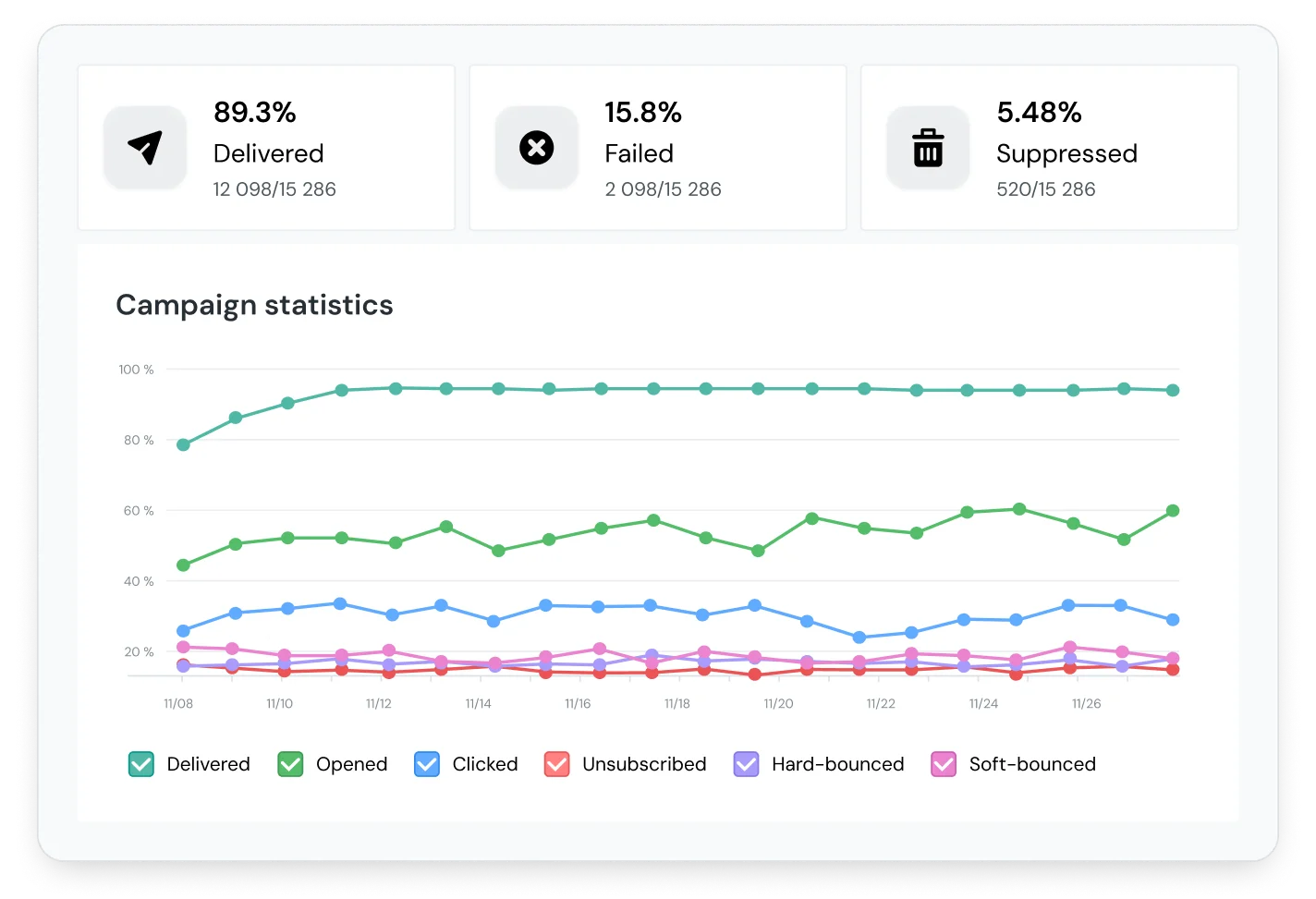
Email marketers globally continue to grapple with a perennial challenge: pinpointing the exact moment to dispatch their newsletters and campaigns to achieve peak engagement. In an increasingly saturated digital landscape, where inboxes overflow with messages, the timing of an email can be as critical as its content, dictating whether it’s opened, clicked, or consigned to oblivion. Recent comprehensive research, spearheaded by industry leaders Mailjet and Sinch Mailgun, sheds new light on this crucial aspect of digital communication, offering data-backed insights for 2025 that challenge conventional wisdom and underscore the imperative of a highly nuanced, data-driven approach.
The quest for the "best time" to send an email is far from simplistic. While a common refrain suggests a window between 9 AM and 12 PM local time, this generalization fails to account for the intricate tapestry of user behavior, geographical variations, and the specific objectives of a campaign. The latest Email Engagement Report from Mailjet, published in 2024, revealed that a substantial 63.3% of users interact with their personal mailboxes at various points throughout the day. This constant checking, however, doesn’t automatically translate to an immediate capacity or willingness to engage with marketing content. The distinction between merely viewing an email and actively processing its call-to-action remains a critical hurdle for marketers.
The Evolving Landscape of Email Engagement
The trajectory of email marketing has shifted dramatically over the past two decades. Early strategies often involved mass distribution with less emphasis on segmentation or timing. However, as email became a primary channel for both personal and professional communication, the sheer volume of messages necessitated more sophisticated approaches. The rise of smartphones transformed email from a desktop-centric activity to an always-on, mobile-first experience. This evolution has made timing even more complex, as recipients might check emails during commutes, lunch breaks, or even late into the evening, depending on their lifestyle and cultural norms.
Historically, Tuesdays, Wednesdays, and Thursdays were often cited as the prime days for sending business-related emails, avoiding the Monday morning deluge and the Friday afternoon wind-down. For consumer-focused content, opinions varied, sometimes leaning towards evenings or weekends when people had more leisure time. However, the granularity provided by modern analytics platforms, combined with extensive studies like the one conducted by Sinch Mailgun, now offers a much clearer, albeit more complex, picture. These studies analyze billions of emails, providing a robust statistical foundation for identifying optimal send times based on actual user interaction patterns.
Global Peaks: Unpacking the 15 UTC Phenomenon
The comprehensive study by Sinch Mailgun, analyzing vast datasets of emails sent by its global customer base, identified 15:00 Coordinated Universal Time (UTC) as a significant peak for email engagement, specifically in terms of click-to-open ratios. This finding suggests that across diverse time zones, the period around 3 PM UTC often correlates with the highest propensity for recipients not only to open an email but also to click through its content.
Translating 15 UTC into local times reveals its broad reach:
- For users in Eastern Standard Time (EST) during summer, this translates to 11 AM.
- In Central European Time (CET), it would be 4 PM.
- For recipients in British Summer Time (BST), it aligns with 4 PM.
- On the U.S. West Coast (PST), it is 8 AM.
This global peak at 15 UTC is not arbitrary. It often coincides with the late morning or early afternoon in major North American business centers, the mid-to-late afternoon in European capitals, and the early evening in parts of Asia. This overlap allows messages sent at this UTC hour to hit a broad swathe of active inboxes during what are typically productive or reflective periods for many users. Marketers must, therefore, be diligent in converting UTC to their target audience’s local time zones to leverage this insight effectively. For instance, a brand targeting customers predominantly in New York and London might find distinct local peaks, but a global campaign could see higher aggregate engagement around this central UTC time.
Daily Dynamics: Midweek Dominance and Weekend Doldrums
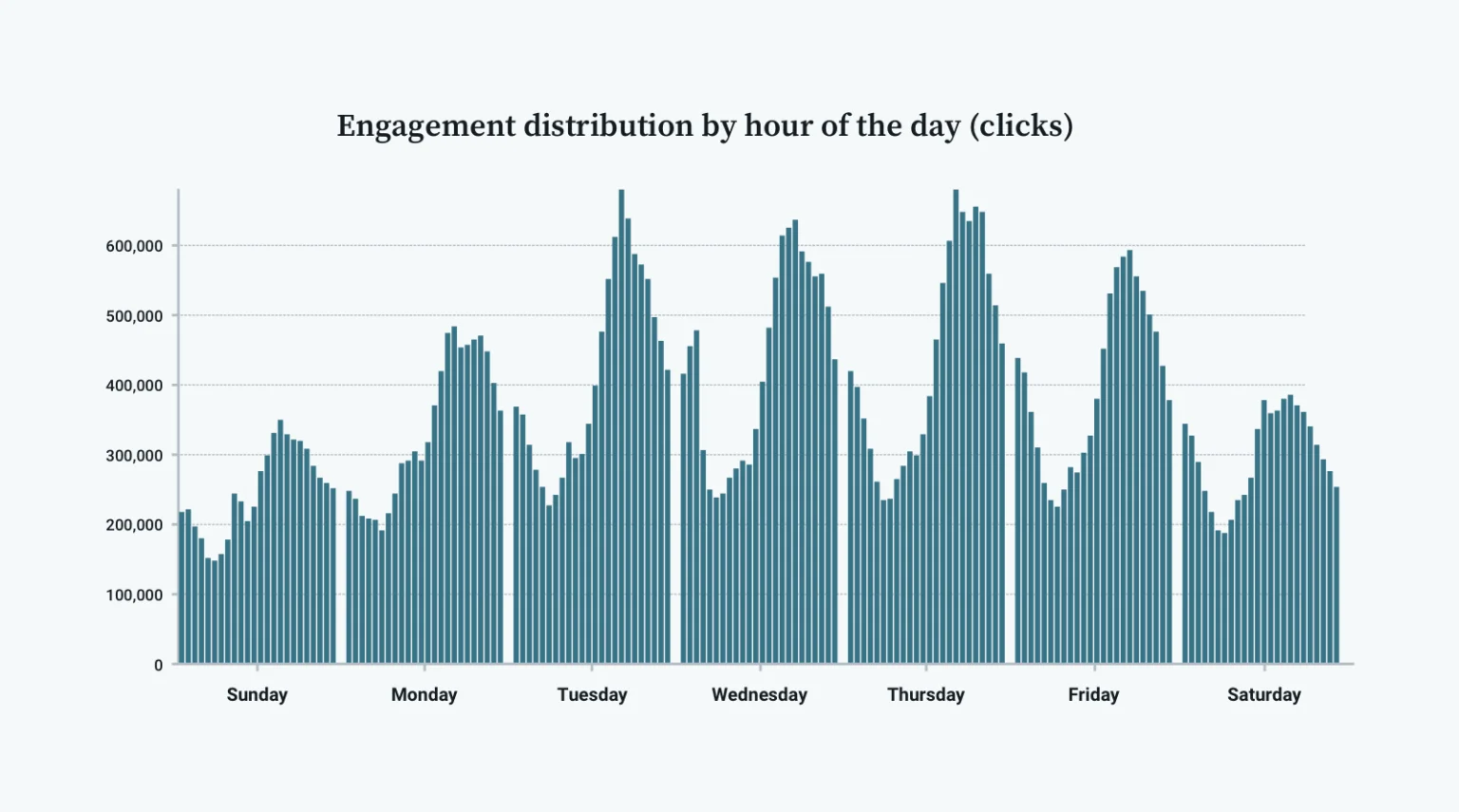
Beyond hourly patterns, the research reaffirms and refines understanding of optimal days for email campaigns. The study unequivocally highlights Tuesdays through Thursdays as the period with the highest overall open and click-through rates. Within this midweek window, Tuesdays and Thursdays often exhibit slightly superior engagement, with Wednesday serving as a strong contender.
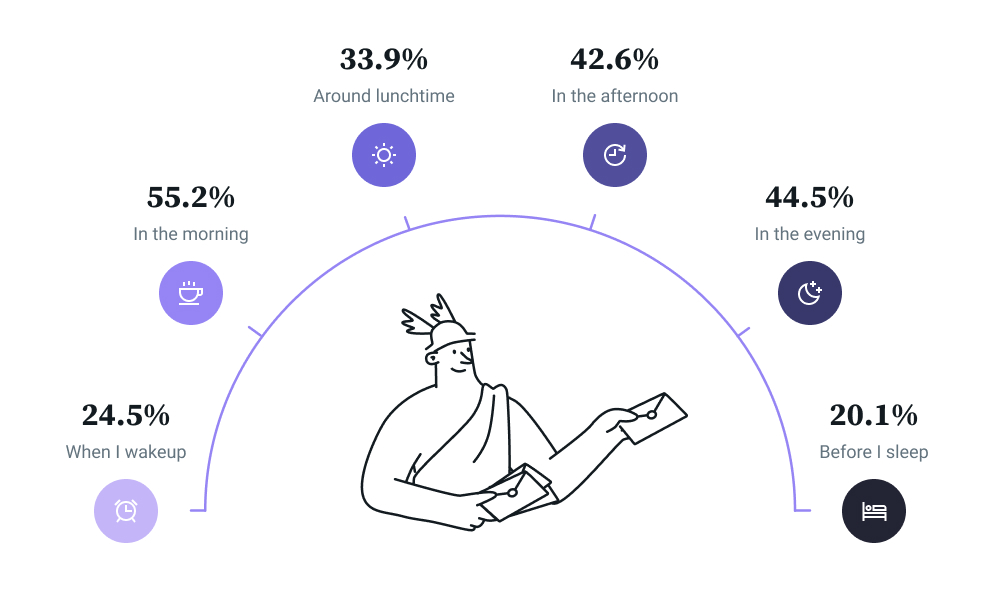
This pattern is largely attributed to work-week rhythms. Mondays are typically characterized by a scramble to catch up on weekend emails and plan the week, leading to a high volume of internal communications and less attention for marketing messages. By Tuesday, individuals have settled into their work routines, making them more receptive to external content. This receptiveness often continues through Thursday.
A crucial nuance emerges for marketers sending multiple campaigns weekly: avoid sending on consecutive days, such as Tuesday and Wednesday, or Wednesday and Thursday. As an expert from Mailjet’s data science team, Dr. Anya Sharma, notes, "Our analysis shows that sending emails too frequently within a narrow timeframe can lead to subscriber fatigue. Spacing out your campaigns, perhaps Tuesday and Thursday, ensures your audience has time to engage with each message without feeling overwhelmed, thereby protecting long-term engagement rates."
Conversely, Saturdays and Sundays consistently register as the worst days for email engagement. Weekends are predominantly reserved for personal activities, family time, and leisure, pushing email checking down the priority list. Marketing emails sent during this period are more likely to remain unopened or be deleted without interaction. While Fridays are not the strongest day, the research indicates they significantly outperform Mondays in terms of both open and click-through rates. This finding challenges the long-held belief that Fridays are "dead zones," suggesting that as the work week winds down, some individuals might be more receptive to lighter, engaging content before the weekend officially begins.
Geographical and Cultural Variations: The Segmentation Imperative
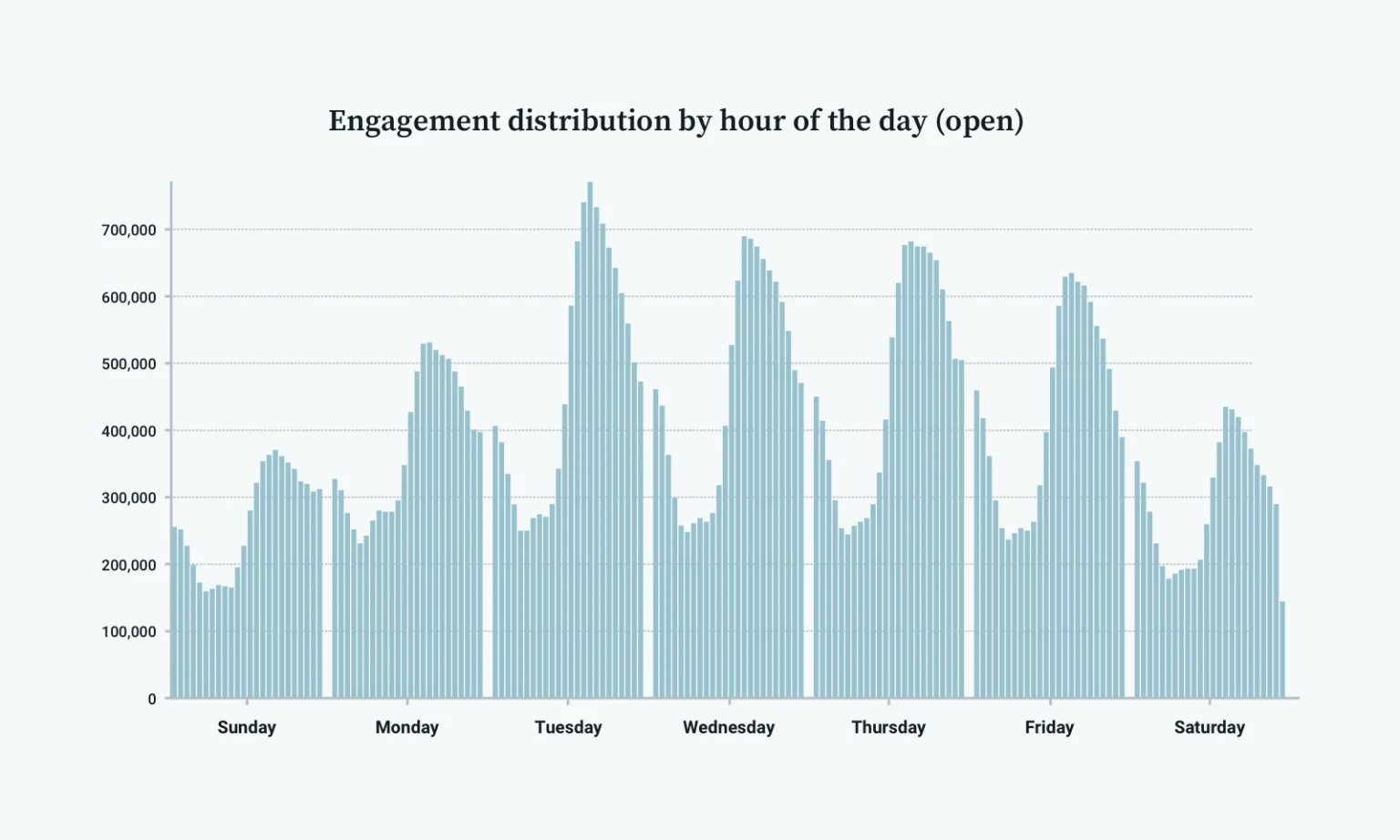
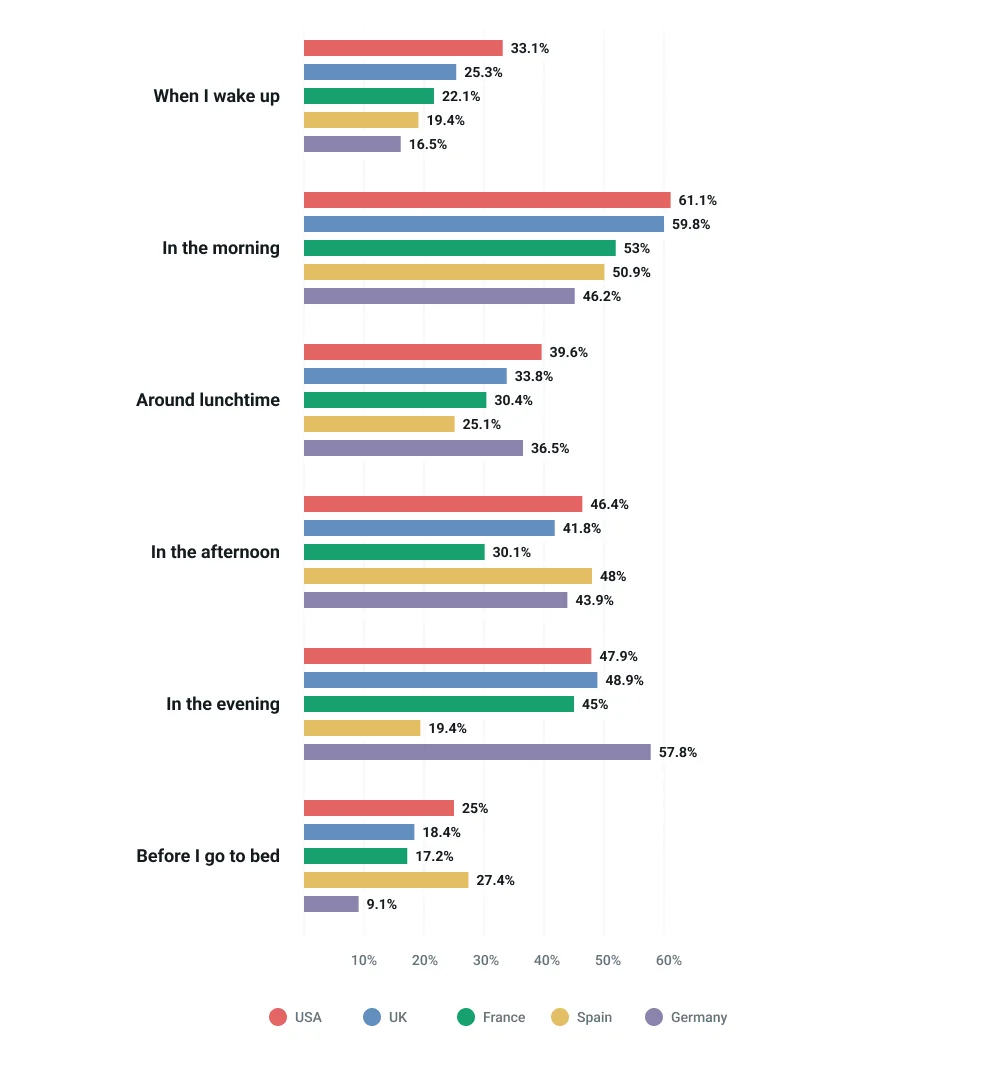
The Mailjet Email Engagement Report underscores profound differences in email habits across various countries and cultures. For example, the study revealed that German customers exhibit high email engagement in the early evening, with 57.8% opening emails during this time. In stark contrast, only 19.4% of Spanish recipients engage at the same hour. However, Spain sees a notable spike in engagement in the late evening, just before bed, with 27.4% of participants checking emails then, compared to a mere 9.1% in Germany.
This data is a powerful testament to the necessity of audience segmentation. A blanket sending strategy across diverse geographical markets is highly inefficient. As Mr. David Dubois, CEO of Mailjet, articulated in a recent press statement, "Understanding the localized nuances of email consumption is no longer a luxury, but a fundamental requirement for global brands. Our research provides the empirical evidence that cultural habits, daily routines, and even national work-life balances profoundly influence when an email will be most effective. Marketers must segment their audiences not just by demographics or purchase history, but by geographical location and corresponding time zone preferences."
For industries like retail, targeting customers during their leisure hours might mean late evenings in some cultures, while for B2B services, adhering strictly to local business hours is paramount. This level of granularity prevents wasted efforts and ensures campaigns resonate with the intended audience at their most receptive moments.
B2B vs. B2C: Divergent Paths to Engagement
The distinction between Business-to-Business (B2B) and Business-to-Consumer (B2C) email marketing strategies is paramount when considering send times. Users interact with their professional and personal inboxes in fundamentally different ways.
- B2B Audiences: Typically, B2B recipients check emails during standard working hours. Optimal times often align with the mid-morning (after initial morning tasks) and mid-afternoon (after lunch, before winding down for the day). Content should be professional, informative, and actionable, aligning with business objectives. Mondays can be challenging due to week planning, and Fridays can see reduced engagement as professionals mentally transition to the weekend. Therefore, Tuesdays, Wednesdays, and Thursdays, particularly from 9 AM to 3 PM local time, often yield the best results for B2B campaigns.
- B2C Audiences: Consumer behavior is more varied. Personal email checks can occur at any time, but peak engagement often happens during leisure moments—evenings, lunch breaks, or even weekends for certain types of content (e.g., entertainment, hobbies). The type of product or service also plays a role. An e-commerce promotion might perform well in the evening when people are relaxing and browsing, while a local event announcement could thrive on a weekend morning. Marketers need to consider their target demographic’s lifestyle, job demands, and device usage patterns (e.g., mobile vs. desktop) to tailor B2C send times effectively.
Mailjet’s data further highlights that a large percentage of users check their personal emails more than once a day, creating multiple windows of opportunity for B2C marketers, provided the content is compelling and timed appropriately for their audience’s free time. Developing detailed marketing personas that include insights into daily routines and digital habits becomes invaluable here.
Why Timing Is Non-Negotiable
The rationale behind meticulous email timing is multifaceted:
- Visibility in a Crowded Inbox: The average professional receives over 120 emails daily. Emails that arrive when a recipient is actively checking their inbox are more likely to appear at the top and be seen. Those buried beneath dozens of other messages face a significantly reduced chance of being opened.
- Improved Open Rates: Timely delivery directly impacts whether an email is opened. An email arriving when the recipient has the "capacity to act" is far more likely to capture their attention.
- Higher Click-Through Rates (CTR): An open is merely the first step. For clicks and conversions, the recipient needs to be in a mindset conducive to engaging with the content and taking action. This mental readiness is heavily influenced by the time of day and their current activity.
- Enhanced Conversion Rates: Ultimately, the goal of most marketing emails is conversion—a purchase, a sign-up, a download. Optimized timing contributes directly to nudging recipients down the conversion funnel by reaching them when they are most receptive to the offer.
- Increased Return on Investment (ROI): By maximizing engagement and conversions, businesses can significantly improve the return on their email marketing efforts, making every campaign more cost-effective.
- Brand Awareness and Recall: Consistent, well-timed engagement builds stronger brand recall and loyalty. When a brand consistently delivers valuable content at a convenient time, it reinforces a positive relationship with the customer.
A compelling statistic from the Email Engagement Report underscores this: "86.4% of respondents say having time to read an email is an important factor in determining whether to open it." This highlights that even the most compelling subject line will fail if the recipient is too busy to even consider opening the message.
Strategies for Determining Your Optimal Send Times
Given the absence of a universal "magic hour," marketers must adopt a systematic, data-driven approach to discover their unique optimal send times.
-
Leverage Your Email Service Provider (ESP) Analytics: The first step is to dive into your existing data. Most modern ESPs, including Mailjet, provide detailed analytics dashboards. These platforms track open rates, click-through rates, and conversion metrics, often broken down by hour and day. By analyzing past campaign performance, marketers can identify trends specific to their audience. Look for the days and hours that consistently yield the highest engagement for your specific content types. Mailjet users, for instance, can access these granular statistics directly within their platform’s Statistics dashboard, visualizing engagement peaks and troughs.
-
Implement Rigorous A/B Testing: This is the cornerstone of optimizing send times. Don’t rely solely on industry benchmarks; test them against your audience’s actual behavior.
- Time-based A/B Tests: For a weekly newsletter, consider a multi-week test. Send the newsletter at 10 AM in Week 1, 1 PM in Week 2, and 9 PM in Week 3. Compare the results.
- Split-List Testing: For a single campaign, segment your list and send identical emails to different groups at varying times (e.g., half the list in the early morning, the other half in the afternoon). Analyze which segment performed better.
- Combine Variables: A/B test not just time, but also day of the week, subject lines, and even content variations to isolate the most impactful elements.
-
Refine Audience Segmentation: Beyond geographical segmentation, consider other demographic and behavioral factors. Do younger audiences engage more in the evenings? Do professionals in certain industries check emails only during specific work blocks? Marketing personas, which define your ideal customer’s habits and preferences, are invaluable here. This allows for highly personalized sending schedules that cater to specific sub-groups within your larger audience.
-
Prioritize Content Relevance: While timing is crucial, it’s not a standalone factor. An email arriving at the perfect moment will still fail if its content isn’t relevant or valuable to the recipient. The synergy between compelling content and optimal timing is what drives truly exceptional engagement.
-
Balance Consistency with Flexibility: For regular communications like weekly newsletters, establishing a consistent sending schedule (e.g., every Tuesday at 11 AM) builds anticipation and trust. Subscribers come to expect your content. However, this consistency should not be rigid. During holidays, special events, or breaking news, adjusting the schedule to capitalize on heightened attention or avoid competition can be highly beneficial. It’s always preferable to deviate from a routine to achieve higher engagement than to stick to a schedule that results in unopened emails.
The Role of Technology in Timely Delivery
Email service providers like Mailjet are at the forefront of enabling marketers to navigate these complexities. Features such as advanced segmentation tools allow marketers to group subscribers based on various criteria, including location and engagement history. Robust A/B testing capabilities facilitate systematic experimentation. Comprehensive tracking and analytics provide the data needed to make informed decisions. Furthermore, modern ESPs are increasingly integrating predictive sending algorithms, which use machine learning to analyze individual subscriber behavior and automatically send emails at the optimal time for each recipient, thereby moving beyond blanket send times to hyper-personalized delivery.
Conclusion: A Dynamic Imperative
In the dynamic world of digital marketing, the concept of a "best time" to send an email is not a static rule but a continually evolving insight. While general benchmarks like 15 UTC and midweek dominance provide valuable starting points, true success hinges on a deep understanding of one’s specific audience, rigorous data analysis, and a commitment to continuous A/B testing. The insights from the 2025 research by Mailjet and Sinch Mailgun serve as a powerful reminder that maximizing email engagement and ultimately, return on investment, requires precision, adaptability, and the strategic application of advanced marketing tools. By embracing these principles, marketers can ensure their messages cut through the noise, reaching recipients when they are most receptive, most engaged, and most likely to act.









