rifanmuazin
The retail sector is undergoing a profound transformation, driven significantly by the pervasive influence of social media. What once served primarily as a platform for social interaction has evolved into a dynamic ecosystem where product discovery, direct sales, and customer relationship management converge, fundamentally altering the consumer journey at every stage. This shift necessitates a strategic re-evaluation for retail brands, moving beyond simple online presence to actively cultivating relationships and driving transactions within social channels.
The Paradigm Shift: From Traditional Search to Social Discovery

For decades, traditional search engines like Google held undisputed dominance in product discovery, with top organic rankings representing invaluable digital real estate for retailers. However, this established paradigm is rapidly yielding to the influence of social platforms, particularly among younger demographics. Recent data underscores this evolving consumer behavior: a significant 30% of Gen Z consumers now primarily discover new products on Instagram, starkly contrasting with the 18% who still rely on Google for initial product exploration. This trend extends across generations, albeit with varying degrees of intensity, signaling a broader cultural migration towards visual, algorithm-driven, and community-centric discovery models.
This generational divergence highlights a critical evolution in how consumers interact with brands and products online. Younger consumers, having grown up immersed in social media, are accustomed to a more integrated and visually rich discovery process. Their feeds, curated by sophisticated algorithms and peer recommendations, have become potent discovery engines, effectively blending entertainment with commerce. This means that for retailers, simply optimizing for search engine rankings is no longer sufficient; an equally robust strategy must ensure visibility and engagement within the dynamic currents of social media feeds. Product discovery is now intrinsically visual, often initiated by a casual scroll through curated content, making a compelling visual presence and strategic placement in the right feeds paramount for attracting modern consumers.

Accelerating the Buyer Journey: The Rise of Social Commerce
Beyond discovery, social media platforms are dramatically shortening the sales funnel, transforming casual browsing into direct purchasing opportunities. The integration of native shopping tools, such as Instagram Shop and TikTok Shop, allows users to transition seamlessly from product interest to checkout within a few taps, creating an unprecedentedly concise buyer journey. This streamlined process is not merely a convenience but a powerful catalyst for a new wave of e-commerce, commonly termed social commerce.

The impact of this shift is already substantial and continues to grow at an exponential rate. According to eMarketer’s Global Shopper Survey, approximately 40% of individuals worldwide made at least one purchase directly through social media platforms in the past year. This widespread adoption is poised to propel social commerce into a trillion-dollar industry, with projections indicating it will exceed $1 trillion globally by 2029. This phenomenal growth underscores the platforms’ successful efforts in embedding transactional capabilities directly into the user experience, eliminating friction points that traditionally existed between inspiration and acquisition. Retailers who effectively leverage these integrated shopping features stand to capture a significant share of this expanding market, turning social engagement directly into revenue.
Social Media as a Critical Customer Service Frontier
The evolution of social media in retail extends beyond discovery and sales to encompass post-purchase engagement and customer support. Social channels have emerged as a primary conduit for customer service, with a growing number of consumers expressing a preference for messaging brands directly on these platforms over traditional methods like phone calls or emails. This preference is rooted in the expectation of real-time, convenient, and personalized interactions.
Shoppers frequently utilize social media to pose questions about products, seek recommendations, or resolve issues, expecting prompt and helpful responses. For retail brands, proficient social customer service is no longer optional but a critical component of building trust and fostering loyalty. Timely and empathetic replies can significantly reduce customer friction, enhance satisfaction, and directly influence future purchasing decisions. Conversely, slow or inadequate responses can quickly erode brand reputation and drive customers to competitors. This necessitates that retail brands integrate social media monitoring and response into their core customer service operations, treating every social interaction as an opportunity to reinforce brand values and commitment to customer satisfaction.
Strategic Imperatives for Retail Brands in the Social Era
To thrive in this evolving landscape, retail brands must adopt comprehensive social media marketing strategies that mirror how customers discover, shop, and engage. Five key strategies are proving instrumental in transforming social media into a robust growth channel:
1. Replicating In-Store Experiences Digitally
One of the inherent advantages of physical retail is the immersive experience it offers – the ability to see, touch, and interact with products, ask questions, and receive personalized assistance. Social media provides innovative avenues to digitally recreate these elements. Through content formats like live stream shopping events, detailed product demonstration videos, virtual try-on features, and interactive Q&A sessions, brands can bridge the gap between online and offline shopping. For example, a TikTok Live session showcasing a hair styling tool in action allows potential customers to observe its efficacy and ask real-time questions, mimicking the experience of a sales associate demonstration. These rich, interactive experiences build consumer confidence, empowering them to make informed purchasing decisions with the same assurance they would feel in a physical store.
2. Leveraging Native Shopping Features
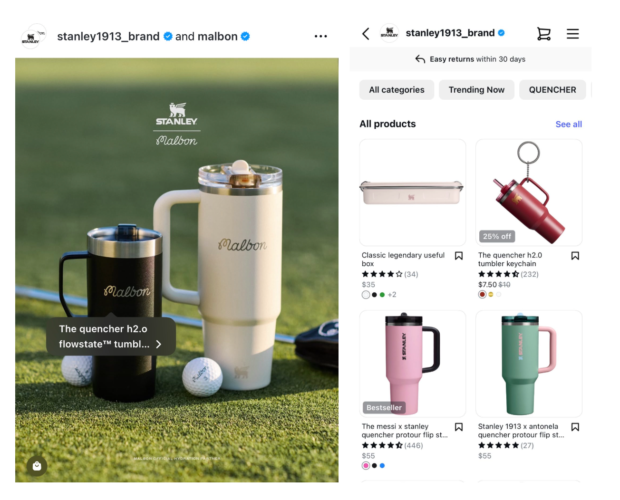
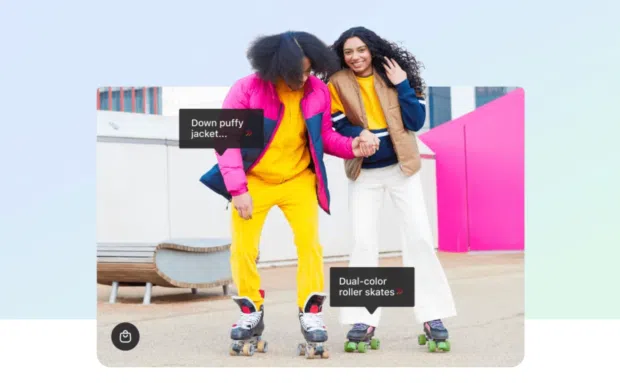
Social platforms are meticulously engineered for commerce, offering a suite of native shopping features designed to streamline the buyer journey. Retailers must capitalize on these tools to minimize the steps between a customer’s interest and their purchase. Implementing shoppable posts and product tags directly within images and videos allows users to click on an item and be taken immediately to its product page or an in-app checkout. Curating a dedicated social media storefront, such as an Instagram Shop, provides a branded destination where customers can browse collections and make purchases without leaving the platform. These integrations, exemplified by brands like Stanley’s organized Instagram storefront, significantly enhance conversion rates by removing friction and capitalizing on impulsive purchasing behaviors.

3. The Power of Influence: Creators and User-Generated Content
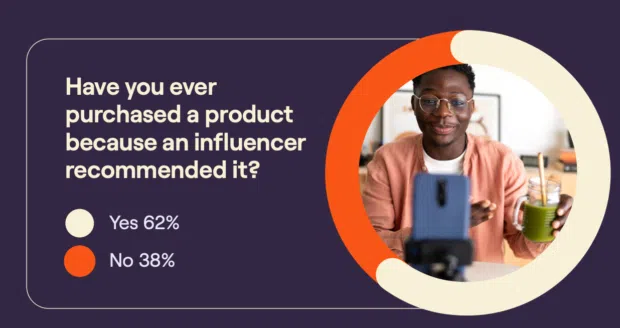
In an increasingly crowded digital space, credibility and authenticity are paramount. Instead of solely building an audience from scratch, retail brands can strategically tap into existing communities by partnering with influencers and leveraging user-generated content (UGC). The fundamental principle behind influencer marketing’s efficacy is trust: consumers inherently trust recommendations from individuals they follow more than direct brand advertisements. Research consistently supports this, with nearly two-thirds of consumers reporting a purchase influenced by an online influencer’s recommendation.
Successful influencer collaborations involve identifying creators whose audience demographics and values align with the brand. These partnerships should focus on producing authentic content that feels organic to the creator’s platform and community. Beyond paid partnerships, encouraging user-generated content—such as customer reviews, unboxing videos, or product tutorials—provides an additional layer of social proof. Brands like Kodak effectively leverage UGC by regularly resharing stunning photographs taken by their customers, showcasing both the product and the creative community it fosters. This dual approach of influencer marketing and UGC expands reach, builds genuine trust, and significantly sways purchase decisions in ways traditional advertising often cannot.

4. Balancing Value and Promotion: The 80/20 Rule
While social media is a powerful sales driver, an incessant stream of promotional content can quickly disengage audiences. The "80/20 rule" offers a balanced approach: approximately 80% of a brand’s social content should aim to entertain, inform, or inspire, while only 20% should be directly promotional. This strategy prioritizes value creation, fostering a loyal audience that is more receptive when promotional content is eventually introduced.
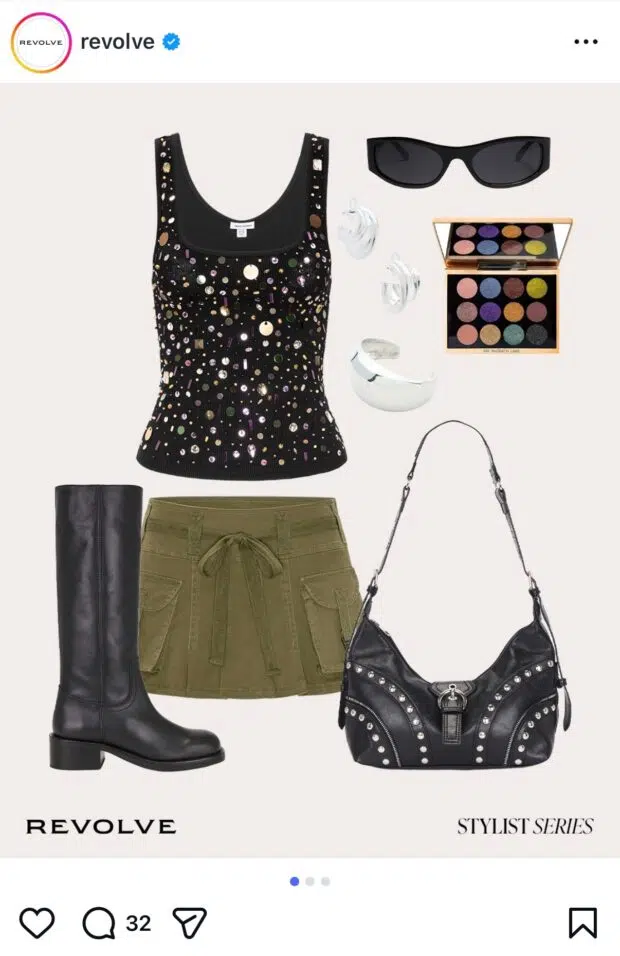
Value-driven content can take many forms: educational posts, styling guides, behind-the-scenes glimpses, interactive polls, or content that creatively taps into current trends and cultural conversations. For instance, fashion brand Revolve’s "Stylist Series" on Instagram, which demonstrates how to style various clothing pieces into complete outfits, provides tangible value to followers while subtly featuring products. This approach ensures that promotional messages are received within a context of helpfulness and engagement, making them more impactful and less intrusive.
5. Synergizing Organic Reach with Paid Amplification
Organic content is crucial for building brand awareness, fostering community, and driving long-term customer engagement. It establishes a brand’s authentic voice and maintains its relevance within social feeds. However, relying solely on organic reach can be challenging due to platform algorithms that often limit visibility. To achieve scalable growth and reach broader audiences, retail brands must strategically integrate paid social advertising.
The primary advantage of social advertising lies in its precision. Unlike broad-net traditional advertising, social platforms allow for hyper-targeted campaigns based on demographics, interests, behaviors, and past interactions with the brand. This enables retailers to allocate their marketing budget efficiently, focusing on segments most likely to convert. The most effective strategy involves using paid ads to amplify high-performing organic content, boost key seasonal campaigns, and retarget audiences who have previously shown interest in products. This synergistic approach ensures that organic efforts build a strong foundation, while paid amplification extends reach and drives conversions, maximizing overall social media ROI.

Technological Enablers: Tools for Social Commerce Success
The complexity of managing diverse social media strategies across multiple platforms necessitates robust technological support. A suite of specialized tools helps retail brands streamline content management, scale creator partnerships, and track performance effectively.
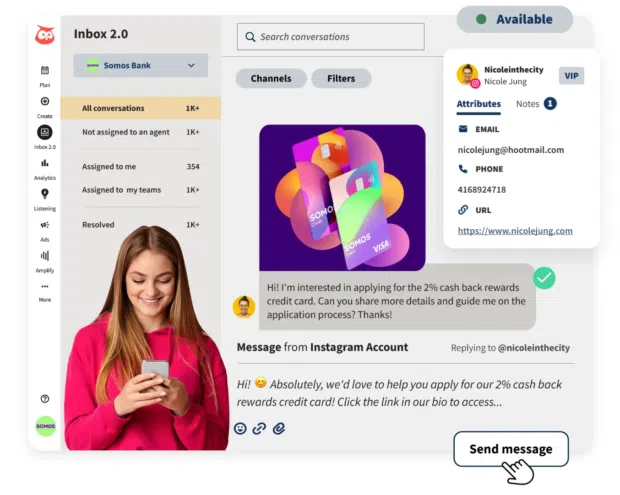
Hootsuite serves as an all-in-one social media management platform, consolidating all channels into a single dashboard. This allows brands to schedule and publish content in advance, manage direct messages, comments, and mentions through a unified inbox (Inbox 2.0), and leverage powerful social listening capabilities across major networks. Hootsuite enables data-driven decision-making by providing insights into trends, sentiment, and competitive landscapes.
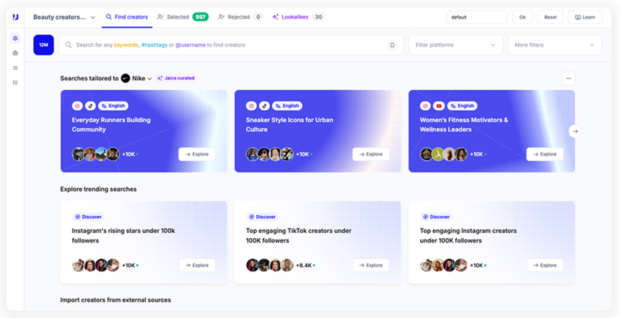
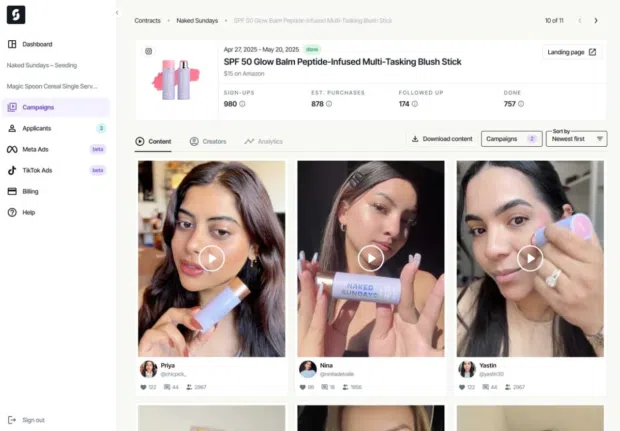
For influencer marketing, platforms like Upfluence and Stack Influence are indispensable. Upfluence helps retail brands discover and manage creator partnerships from end-to-end, offering search filters based on niche, audience demographics, and engagement rates. It also facilitates contract management and performance tracking. Stack Influence specializes in scaling micro-influencer campaigns and user-generated content, connecting brands with a vast network of creators to generate a steady stream of authentic social proof.
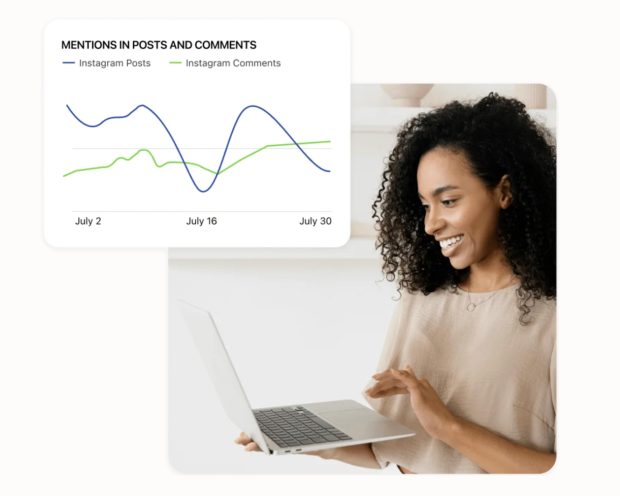
Later is another social media management platform known for its robust scheduling and social listening features, particularly for Instagram and TikTok. While its listening tools are platform-specific, it offers valuable insights for brands heavily invested in these visual-first networks.
For direct advertising, Meta Ads Manager remains a powerful tool for planning, launching, and optimizing campaigns across Instagram and Facebook. Its advanced targeting capabilities allow retailers to promote product launches, support seasonal sales, and retarget high-intent audiences, with real-time performance tracking for agile budget allocation and creative adjustments.
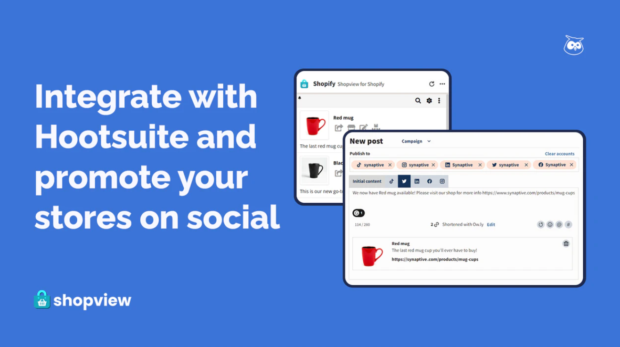
Finally, Shopview streamlines the integration of e-commerce with social media. This tool allows retailers to share products directly from their Shopify, Magento, BigCommerce, or WooCommerce stores to various social platforms, including Facebook, Instagram, and LinkedIn, often providing templates to simplify content creation.
Case Studies in Action: Retailers Mastering Social Commerce
Real-world examples illustrate the transformative power of these strategies:
1. Petco: Pioneering Live Shopping Experiences
Petco embraced live shopping as a means to replicate the engaging aspects of in-store experiences digitally. Their inaugural live shopping event, a fashion show featuring adoptable dogs, was promoted across Facebook and Instagram with targeted ads. Partnering with influencer Arielle Vandenberg to host, Petco built anticipation with teaser posts, and Vandenberg further amplified the event with behind-the-scenes content and direct links to the livestream on her Instagram Story. The event was a measurable success: seven dogs found homes, and the campaign generated a 1.9x return on ad spend. Post-event, Petco intelligently repurposed the footage for ongoing paid and organic social content, extending the campaign’s impact.
2. Walmart: Engaging Gen Z with a TikTok Branded Effect
For Black Friday, Walmart launched an innovative and interactive campaign on TikTok called #DealGuesser. This branded effect and hashtag challenge, inspired by the popular game Heads Up, encouraged users to guess products featured in Walmart’s Black Friday deals. To ignite engagement, Walmart collaborated with six prominent TikTok creators who demonstrated how to play the game to their extensive audiences. The campaign’s results were staggering: within just three days, #DealGuesser generated an astonishing 3.5 billion video views, accumulated 456 million engagements, and saw 1.8 million uses of the hashtag. It also achieved the distinction of becoming the sixth-most viewed hashtag in the U.S. during Thanksgiving weekend, showcasing the immense potential of gamified content and creator partnerships on platforms like TikTok.
Broader Implications and Future Outlook

The profound impact of social media on retail is undeniable and continues to accelerate. It has fundamentally reshaped consumer behavior, redefined the path to purchase, and elevated customer service expectations. For retail brands, the imperative to engage strategically on social media is no longer a choice but a cornerstone of competitive survival and growth. Success in this new retail landscape hinges on an agile approach, continuous innovation, and a deep understanding of evolving digital consumption patterns. Brands must invest in robust social media management tools, cultivate authentic relationships with creators and customers, and continually optimize their content and commerce strategies based on real-time data. The future of retail is inextricably linked with social media, promising an even more integrated, personalized, and interactive shopping experience for consumers worldwide.