
 rifanmuazin
The digital product landscape has reached a point of saturation where the initial user sign-up, once considered the primary goal of marketing departments, is now recognized as merely the starting line of the customer journey. In an era of high customer acquisition costs (CAC) and low switching barriers, the onboarding funnel has emerged as the most critical tactical path for software-as-a-service (SaaS) providers to move users from initial curiosity to full product activation. This structured framework maps the behavioral steps new users take from the moment they create an account to the point they realize the product’s core value, serving as the single greatest lever for determining whether a user becomes a long-term asset or a churn statistic.

The primary objective of a well-designed onboarding funnel is to reduce the "time to value" (TTV), ensuring that the gap between logging in and experiencing the product’s "Aha!" moment is as narrow as possible. Industry data suggests that a significant percentage of users who sign up for a software product never return for a second session; an optimized funnel addresses this by removing friction points and unnecessary steps that provide users with reasons to drop off. By breaking the onboarding process into measurable stages—account setup, product education, activation events, and habit formation—companies can monitor where progress stalls and momentum builds with surgical precision.
The Architecture of the Modern Onboarding Funnel
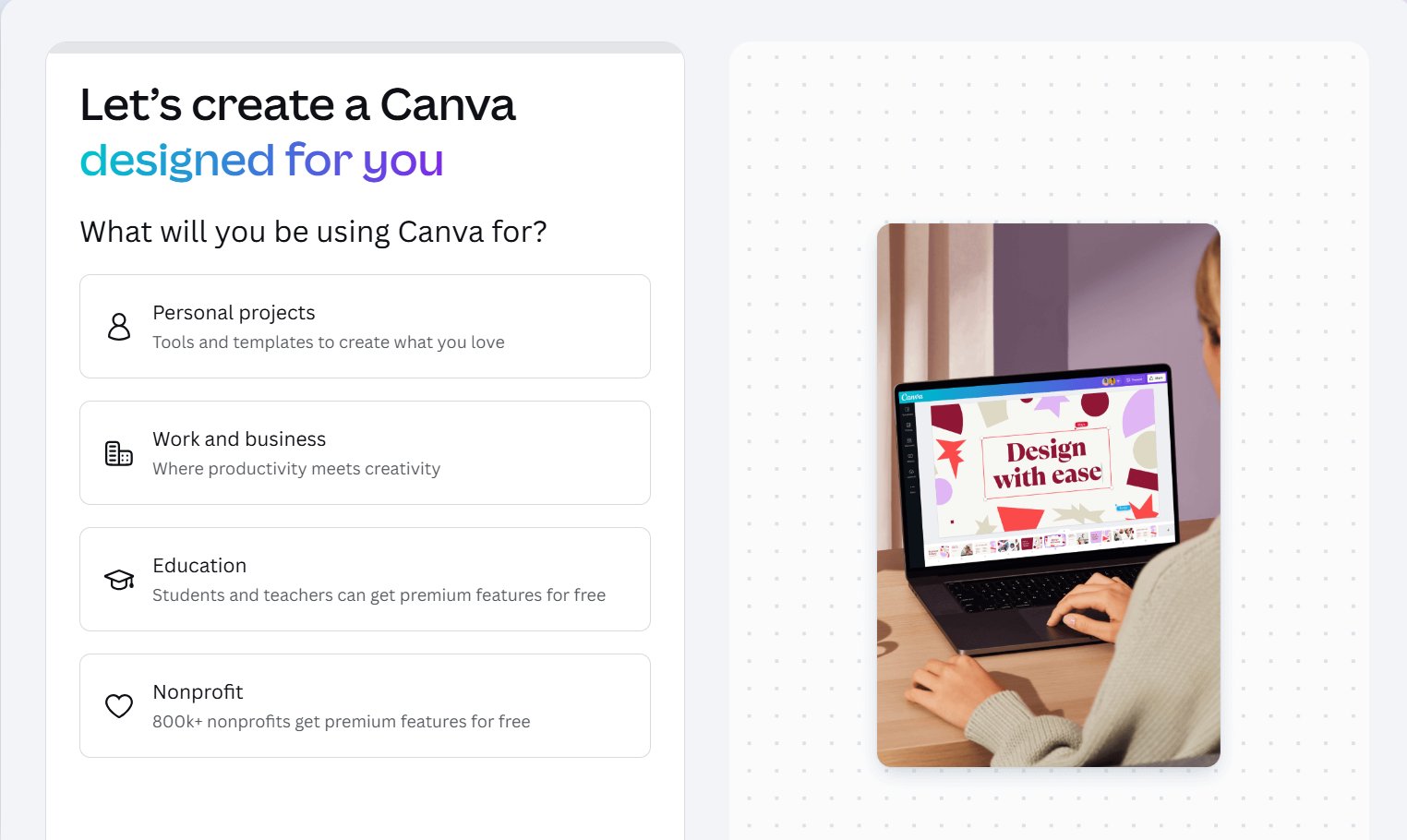
While every business model maintains unique nuances, a high-performing onboarding funnel typically follows a sequence of six distinct stages designed to transition a user from a state of exploration to a state of dependency on the tool. This progression is best illustrated through the lens of industry leaders like Canva, which has mastered the art of guided user integration.

The first stage is account setup, where new users configure their workspace or profile. In project management tools, this may involve naming a project; in design tools like Canva, it involves identifying the user’s intent (e.g., Personal, Work, or Education). This initial data collection is not merely administrative; it allows the platform to categorize users and provide a personalized experience from the outset. If abandonment occurs here, it is a clear indicator of excessive friction in the registration or initial configuration process.
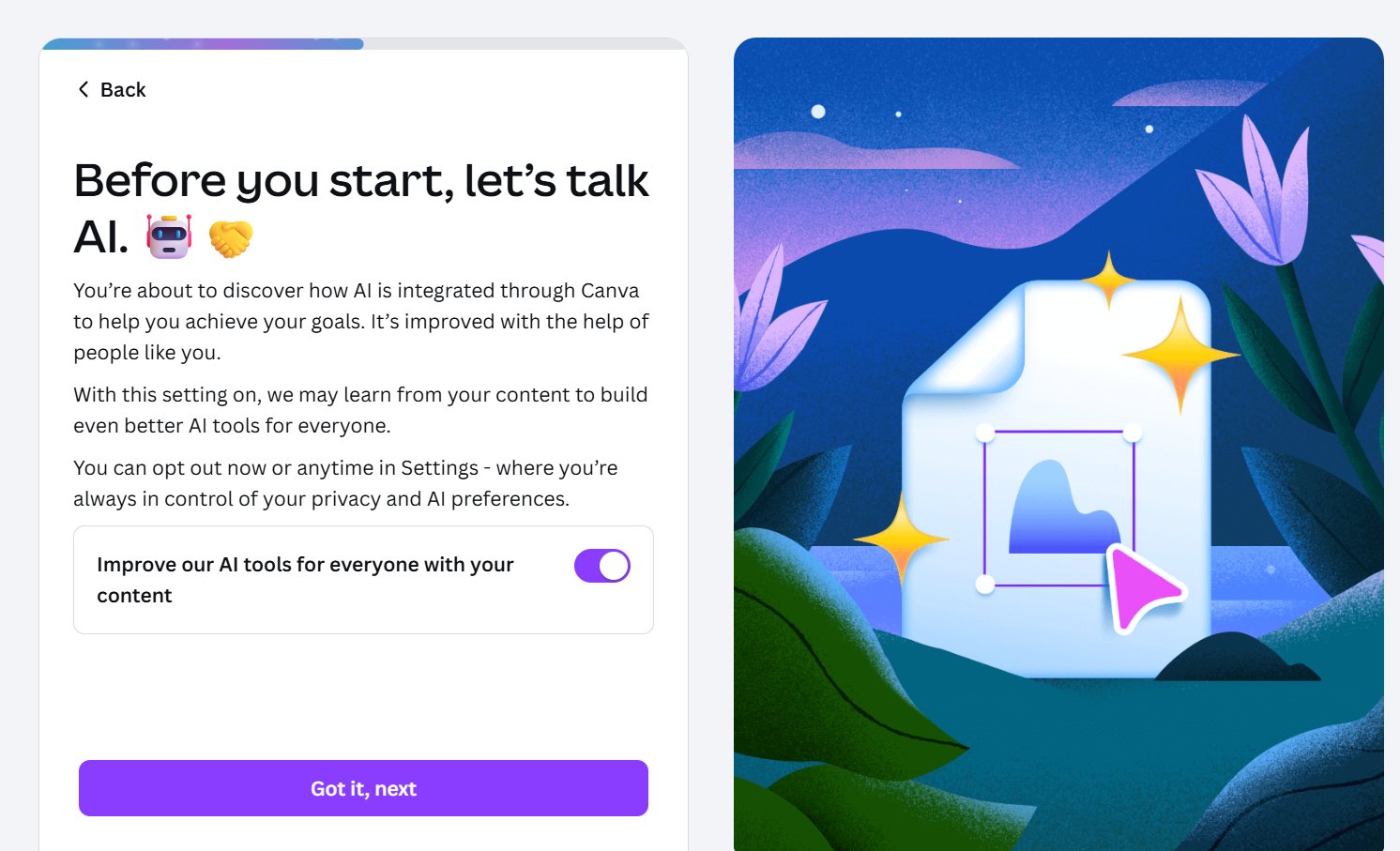
Following setup is product education, often delivered through guided tours, interactive tooltips, or video tutorials. The goal is to close the gap between "logging in" and "taking action." Canva, for instance, uses this stage to introduce AI-driven features, setting high expectations for the platform’s capabilities before the user has even started their first project.
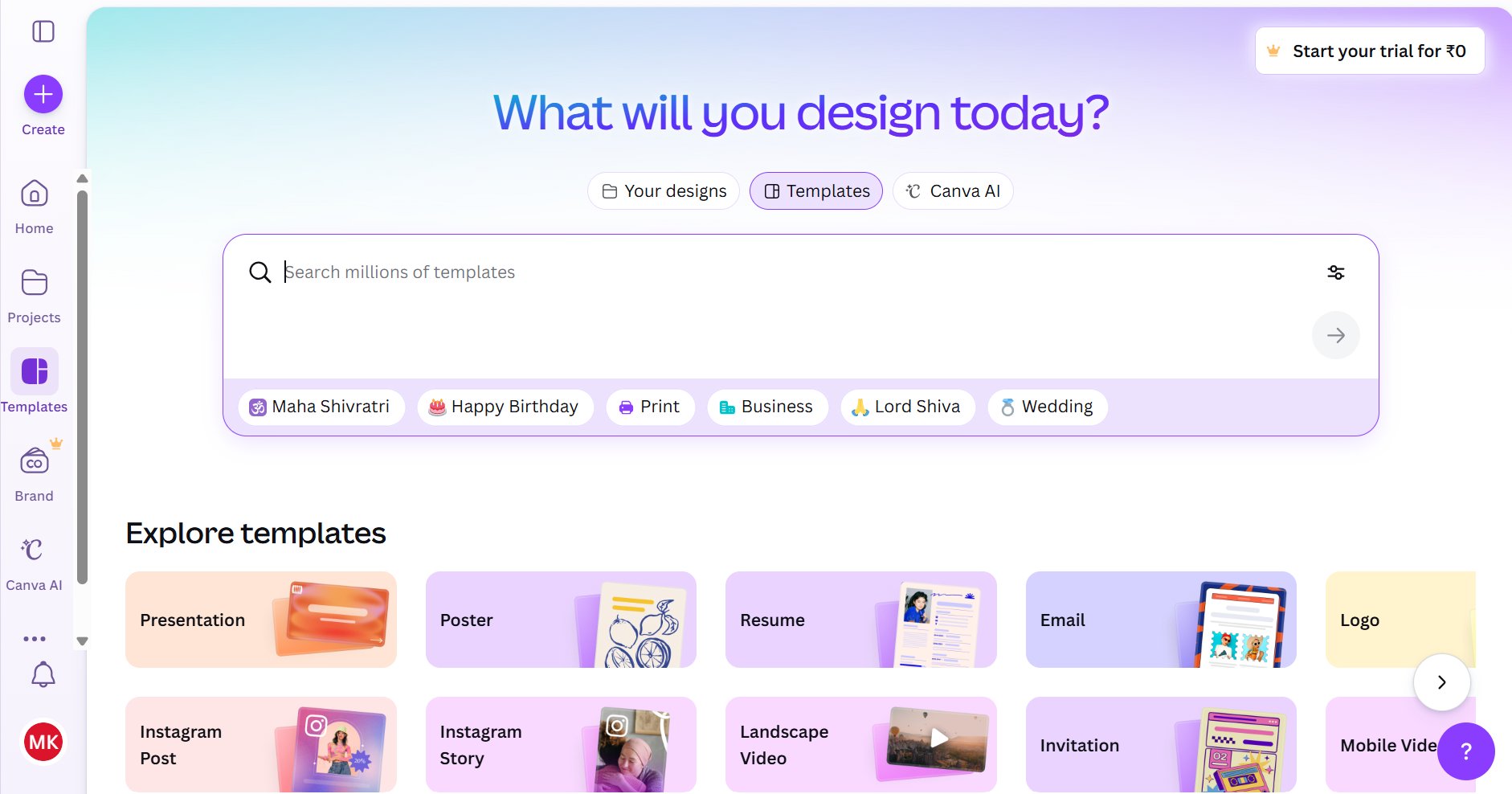
The third and most pivotal stage is the activation event, also known as the "Turn-On" moment. This is the first meaningful action that confirms the product’s utility. For a communication tool like Slack, activation might be sending a message; for a project management tool, it might be assigning a task. In Canva’s ecosystem, activation occurs when a user realizes they can create high-quality designs in seconds using templates, often culminating in the downloading or sharing of their first design.
Strategic Mapping and Persona Segmentation
Mapping a successful onboarding funnel requires a reverse-engineered approach that starts with the activation goal. Without a clearly defined milestone that separates retained users from those who churn, businesses risk tracking aimless activity rather than genuine progress. This milestone anchors the entire funnel and dictates the sequence of micro-actions required to lead the user toward it.
However, a one-size-fits-all onboarding path often fails to account for the diverse intentions of a modern user base. Segmentation is essential. Users arriving from a paid advertisement may have a high sense of urgency and require a "fast-track" onboarding experience, whereas organic users might prefer a more exploratory, deep-dive approach. Advanced segmentation enables teams to narrow down performance data to precise user groups, such as separating the onboarding needs of a freelance designer from those of a corporate marketing manager.
David Isaac Mathews, Chief Growth Officer, emphasized the importance of this alignment during a recent industry webinar. "Activation, or the moment of value perception, is crucial as it’s a great point to improve conversion and enhance the performance of all other phases," Mathews stated. He noted that as startups scale, functions often risk operating in silos, making it imperative for teams to align around this specific milestone to ensure organizational cohesion.
Data-Driven Diagnostics and Behavioral Insights
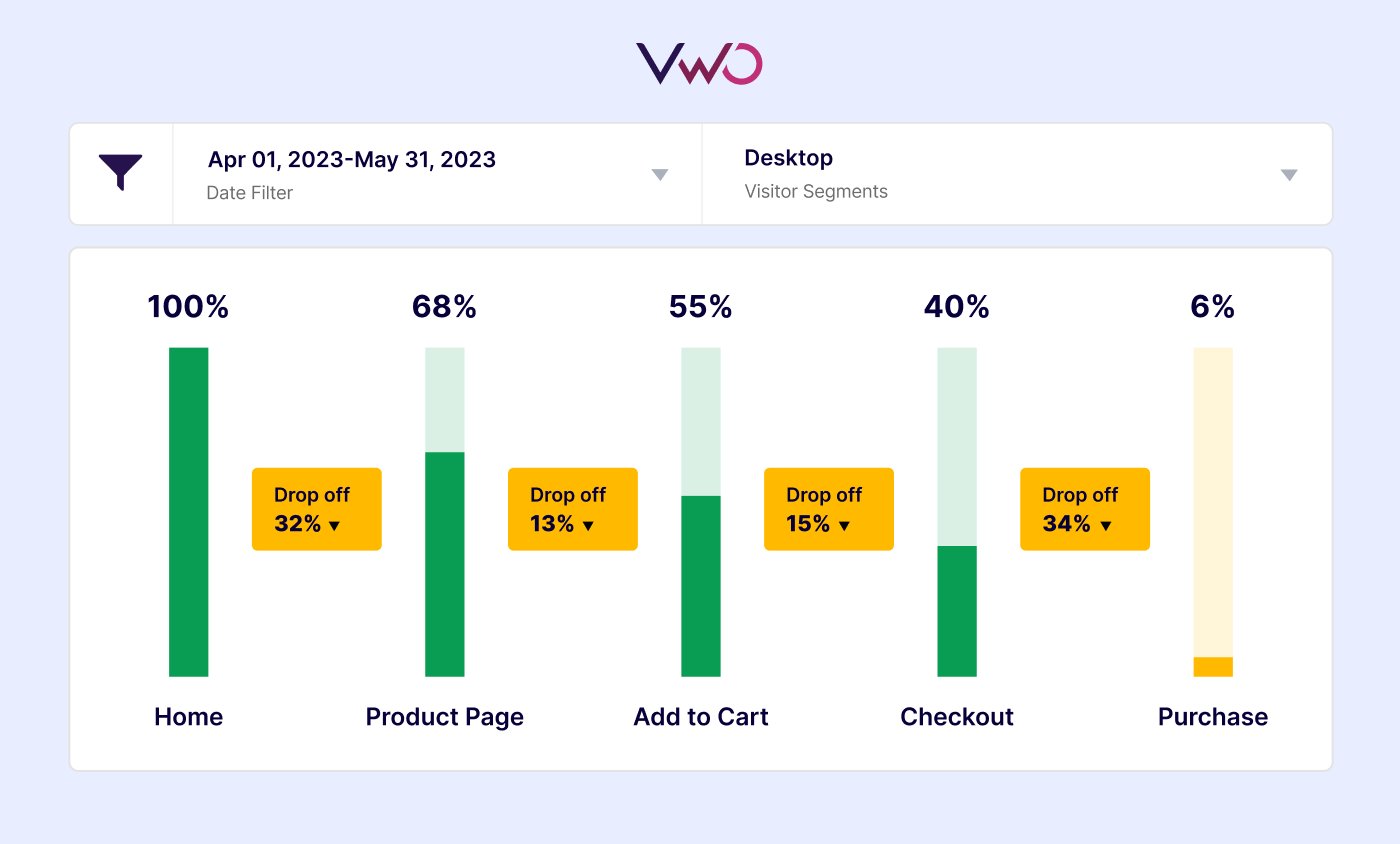
Once the funnel is mapped, the focus shifts to analysis. Quantitative data, provided by funnel reporting tools, identifies where the "leaks" are occurring. Key metrics include the stage-to-stage conversion rate, which measures the percentage of users moving from one step to the next, and the time-to-activation, which tracks how long it takes for a user to reach their first "Aha!" moment.
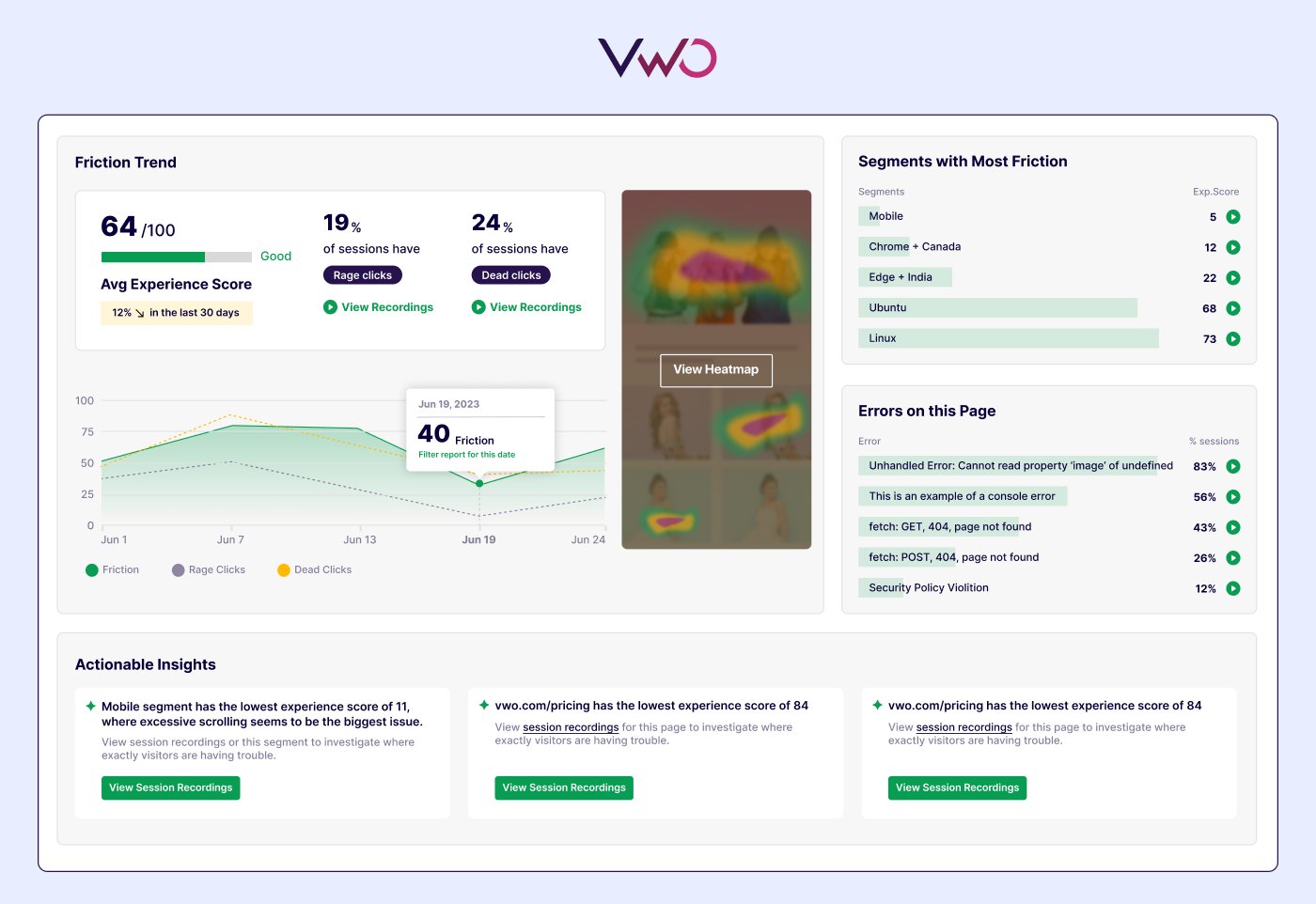
While quantitative data identifies the location of a drop-off, qualitative behavioral insights explain the "why" behind user abandonment. Tools such as heatmaps, session recordings, and form analytics allow product teams to distinguish between different types of issues:

- Clarity Issues: Users are confused by the interface or instructions.
- Friction Issues: The process involves too many steps or technical hurdles.
- Motivation Issues: The user does not perceive enough value to continue the effort.
A notable example of this diagnostic approach is seen in the case of Vandebron, an energy company that utilized behavioral analytics to investigate high drop-off rates on their sign-up form. Through the use of clickmaps and session recordings, the team discovered that a single "date of birth" field was causing significant usability issues due to a complex calendar input. By simplifying this one field and validating the change through A/B testing, the company achieved a 16.3% uplift in total sign-ups and reduced field-level drop-offs by 80%.
Case Study: AURUM and the Power of Friction Removal
The legal-tech sector provides another compelling example of how funnel optimization directly impacts growth. AURUM, through its product Astrea, helps legal professionals streamline research using structured legal clippings. For new users, the activation moment was defined by processing their first clipping.
Historically, this step could take up to 48 hours to complete, effectively turning the onboarding period into a "waiting room" where initial user enthusiasm would evaporate. By identifying this as a primary friction point, the AURUM team systematically experimented with the onboarding flow to provide a faster, more guided experience. The results were transformative: the company saw a 105% lift in activation, a 300% increase in overall activation growth, and a 125% increase in core engagement. This case demonstrates that even in complex B2B environments, reducing the time to value is the most effective way to secure user commitment.
The Role of Experimentation and Habit Formation
Optimizing the onboarding funnel is not a one-time event but a continuous process of hypothesis and experimentation. When a friction point is identified, teams must design evidence-based interventions. This often involves A/B testing different copy, removing unnecessary form fields, or introducing "milestone celebrations" (such as a congratulatory message after a user completes their first task) to provide psychological reinforcement.
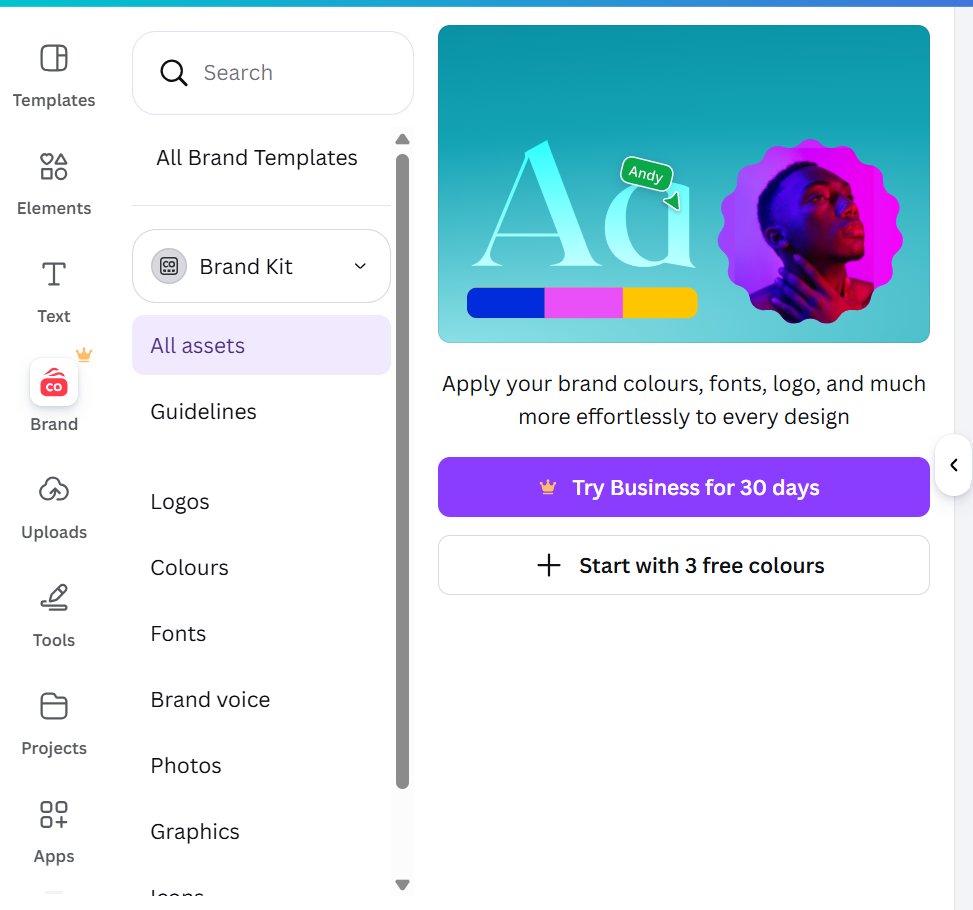
The final stages of the funnel—core feature adoption and habit formation—are where the transition from "new user" to "retained customer" is solidified. This is the stage where users move beyond basic functionality to engage with advanced features. For Canva, this might mean using the "Brand Kit" to save custom logos and colors. When a product successfully prompts a user to return and interact within a defined timeframe (such as Day 7 or Day 30), the onboarding journey has successfully transitioned into long-term retention.
Broader Implications for the SaaS Industry
The shift toward sophisticated onboarding funnels reflects a broader change in the software industry’s economic reality. As the cost of acquiring new customers continues to rise, the ability to retain and monetize existing traffic has become the primary driver of business viability. A reliable onboarding engine ensures that the investment made in marketing and acquisition is not wasted on a "leaky" user experience.
Furthermore, the integration of AI and machine learning is beginning to allow for "dynamic onboarding," where the funnel path changes in real-time based on user behavior. If a user appears stuck on a particular step, the system can automatically trigger a helpful tooltip or offer a direct line to customer support.
In conclusion, an onboarding funnel is far more than a sequence of screens; it is a strategic framework that aligns product value with user intent. By mapping the path to activation, utilizing behavioral diagnostics, and maintaining a culture of experimentation, modern SaaS teams can transform early curiosity into a predictable engine for growth and retention. As evidenced by the success of platforms like Canva and the dramatic improvements seen by companies like AURUM and Vandebron, the mastery of the onboarding funnel is no longer optional—it is a fundamental requirement for success in the digital economy.








