rifanmuazin
Email design is increasingly recognized as a sophisticated blend of art and science, demanding not just aesthetic sensibility but also a keen understanding of technical best practices and evolving digital trends. Far from being an insurmountable challenge, mastering email design is within reach for any marketer equipped with the right knowledge and tools. This was the central message delivered at the recent Email Camp event, held on December 2, 2025, where industry leaders converged to dissect the critical elements shaping effective email communication.
The annual Email Camp, a premier gathering for digital marketing professionals, served as a vital platform for exploring cutting-edge strategies and innovations in email marketing. Attracting hundreds of attendees from diverse sectors, the event focused on empowering marketers to elevate their campaigns through superior design and content. A highlight of the conference was a dedicated session led by Mike Nelson of Really Good Emails, who unveiled the top email design trends poised to drive engagement and conversion in 2026. Complementing these forward-looking insights, François Sahli, Digital Design Director at Sinch, provided a comprehensive overview of fundamental best practices crucial for ensuring accessibility and consistent performance across an ever-expanding array of devices and email clients. This article distills the key takeaways from these expert presentations, offering a definitive guide to becoming an email design expert.
Foundational Best Practices for Campaign Success

François Sahli emphasized that foundational design principles remain paramount, regardless of a marketer’s experience level. His advice forms the bedrock upon which successful and resilient email campaigns are built.
Optimized Formatting for Universal Appeal
A primary consideration in email design is ensuring consistent visual presentation across all viewing environments. Sahli highlighted critical dimensions: emails should ideally be designed for a 600-pixel width on desktop and a 320-pixel width on mobile devices. Deviating significantly from these standards can lead to suboptimal user experiences, such as requiring horizontal scrolling, which is a major deterrent to engagement.
Beyond structural dimensions, image optimization plays a pivotal role. Large, uncompressed images significantly increase email loading times, a factor that directly impacts user retention and can negatively affect deliverability rates. Industry studies show that emails taking longer than three seconds to load often lead to abandonment. Tools like Compress JPEG are indispensable for reducing image file sizes while preserving visual quality. This practice is not merely about aesthetics; it’s a critical component of email deliverability, as excessively large HTML files and media assets can flag spam filters and hinder inbox placement. A recent guide from Mailgun underscores that optimal email file sizes are essential for maintaining a healthy sender reputation and maximizing engagement.
Strategic Use of Images and Alt-Text
The delicate balance between text and images is a crucial factor influencing email deliverability. Internet Service Providers (ISPs) often scrutinize the text-to-image ratio as a spam indicator. Experts recommend a ratio of approximately 70% text to 30% images. This ensures that the message remains readable and does not appear to be an image-heavy advertisement, which is a common characteristic of spam.
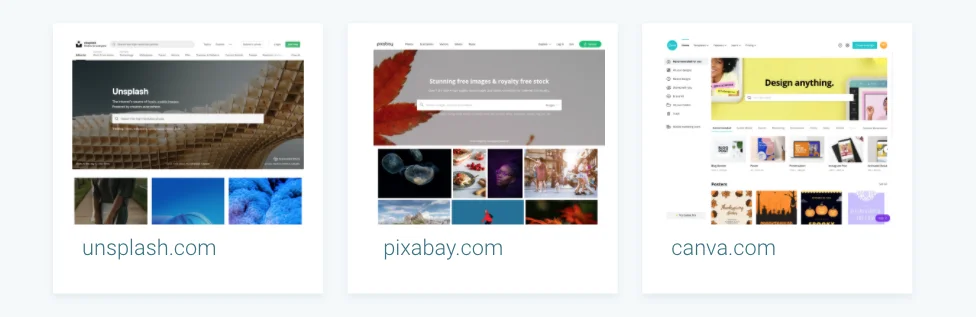
Furthermore, Sahli stressed the importance of anticipating scenarios where images might not load. This requires implementing "alt-text" – descriptive text that appears if an image fails to display. Effective alt-text enhances accessibility for users with visual impairments who rely on screen readers and provides context for all recipients when images are blocked by email clients. Additionally, using a background color in conjunction with background images ensures that text remains legible even if the images do not render. For sourcing high-quality, free imagery, Unsplash and Pixabay offer extensive libraries, while Canva provides intuitive tools for easy graphic design.
Crafting Effective Calls-to-Action (CTAs)

Calls-to-action are the conversion drivers of email marketing. Fran̤ois Sahli advised limiting the number of CTAs, particularly "above the fold" Рthe content visible without scrolling. Overloading an email with multiple competing CTAs can lead to decision paralysis and reduced conversion rates. Strategic placement, coupled with contrasting colors and clear button design, ensures CTAs stand out and guide the reader towards the desired action.
Mobile optimization is particularly critical for CTAs. Clickable elements, including buttons and icons, should be at least 40 to 48 pixels wide to accommodate finger taps on touchscreens. Adequate spacing between clickable elements is equally important to prevent accidental clicks on adjacent items, enhancing the overall mobile user experience.
Navigating Typography: Web Safe vs. Web Fonts
Typography profoundly impacts brand identity and readability. Sahli differentiated between "web safe fonts" (e.g., Arial, Times New Roman, Verdana), which are universally supported across operating systems and email clients, and "web fonts" (e.g., Open Sans, Roboto), which offer greater design flexibility but face compatibility challenges.
While web fonts unlock extensive creative possibilities, their support varies significantly across email clients. As François Sahli, Digital Design Director at Sinch, noted, "While web fonts offer many design opportunities, specialists must be careful because, unfortunately, not all email clients support them." To mitigate this, marketers must define a list of "fallback fonts." This ensures that if a recipient’s email client cannot render the preferred web font, it defaults to a closely matched web-safe font, preserving the email’s intended aesthetic and readability.
Ensuring Cross-Client Code Compatibility
The fragmented nature of email client support for HTML and CSS features presents a significant hurdle for designers. Gmail, for instance, may struggle with web fonts, while certain versions of Outlook are known to misrender background images or drop shadow effects. This necessitates rigorous testing and an awareness of client-specific rendering quirks.
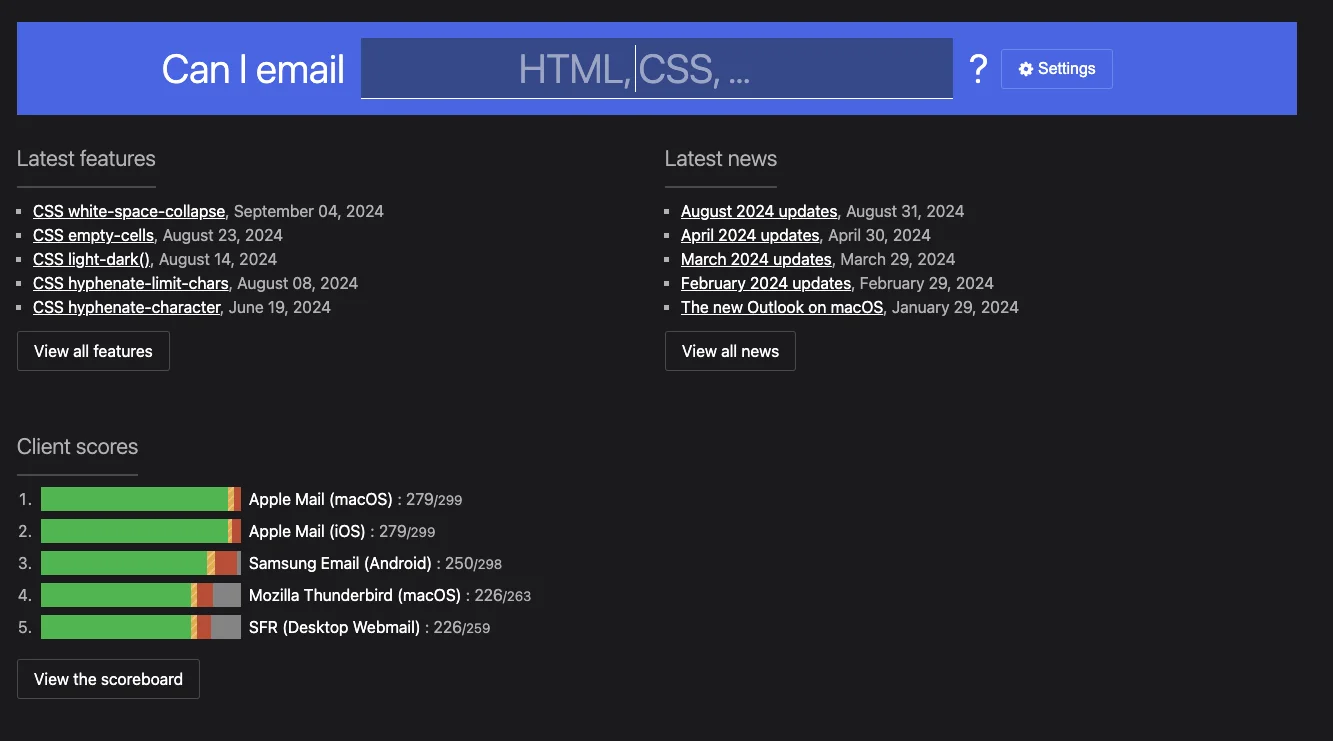
Resources like Can I Email are invaluable for designers, offering a comprehensive database detailing the partial or total support for various HTML and CSS features across a wide range of email clients. Utilizing such tools enables proactive design decisions, minimizing rendering inconsistencies and ensuring a consistent user experience.
The Imperative of Responsive Design
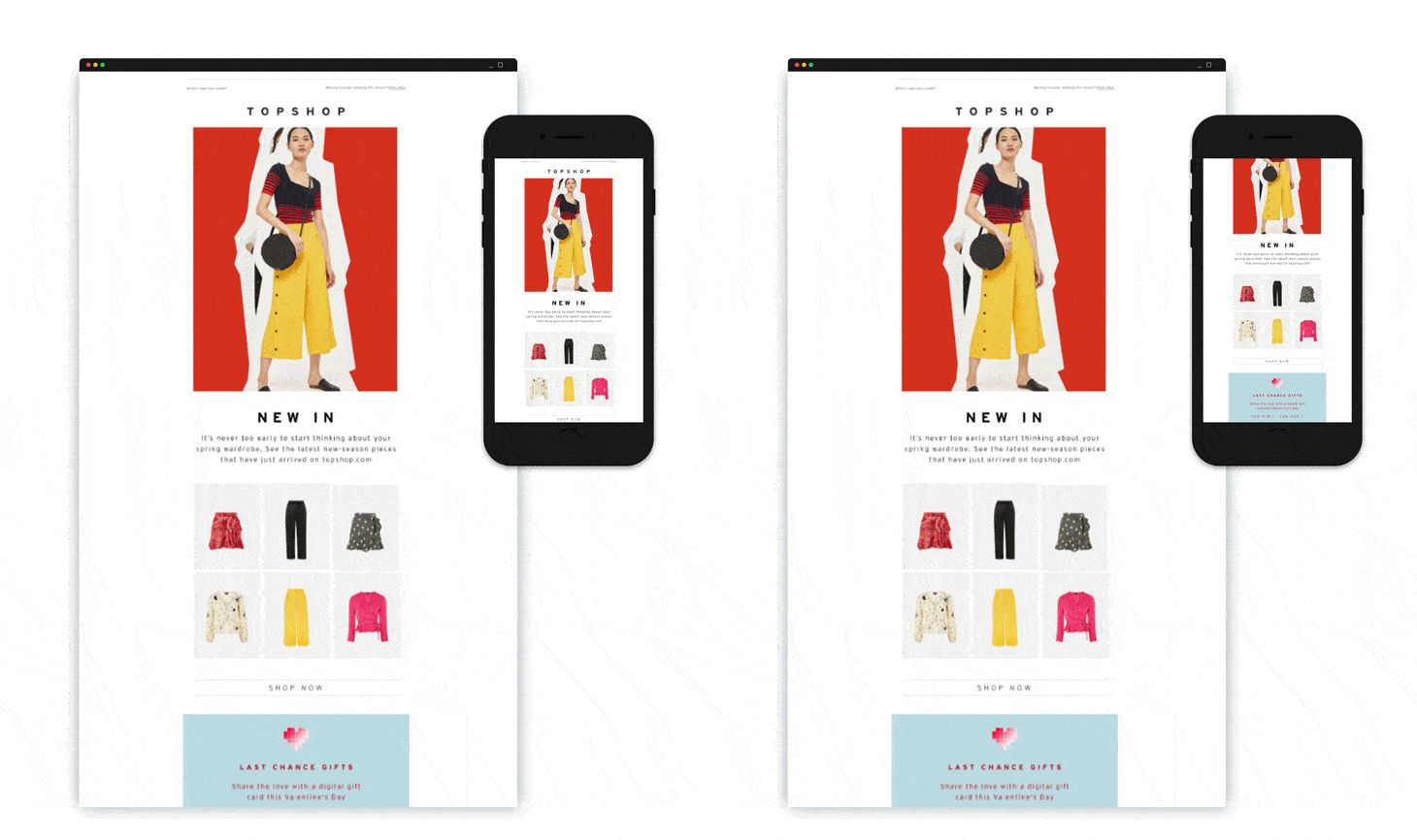
Responsive design, a technique that automatically adjusts email layouts to suit the viewing environment, is no longer optional but essential. With an overwhelming majority of users accessing emails on mobile devices – a staggering 80% of recipients report deleting emails that display incorrectly on mobile phones – a mobile-first approach is critical.
Designing for responsiveness ensures that content is legible, images scale correctly, and CTAs are easily clickable on any screen size. Advanced email editors, such such as Sinch Mailjet’s Email Editor, incorporate responsive design by default. Furthermore, features like inbox preview allow marketers to visualize how their emails will appear across different devices, operating systems, and email clients, eliminating guesswork and ensuring optimal presentation before deployment.
Leveraging Templates and Component Libraries
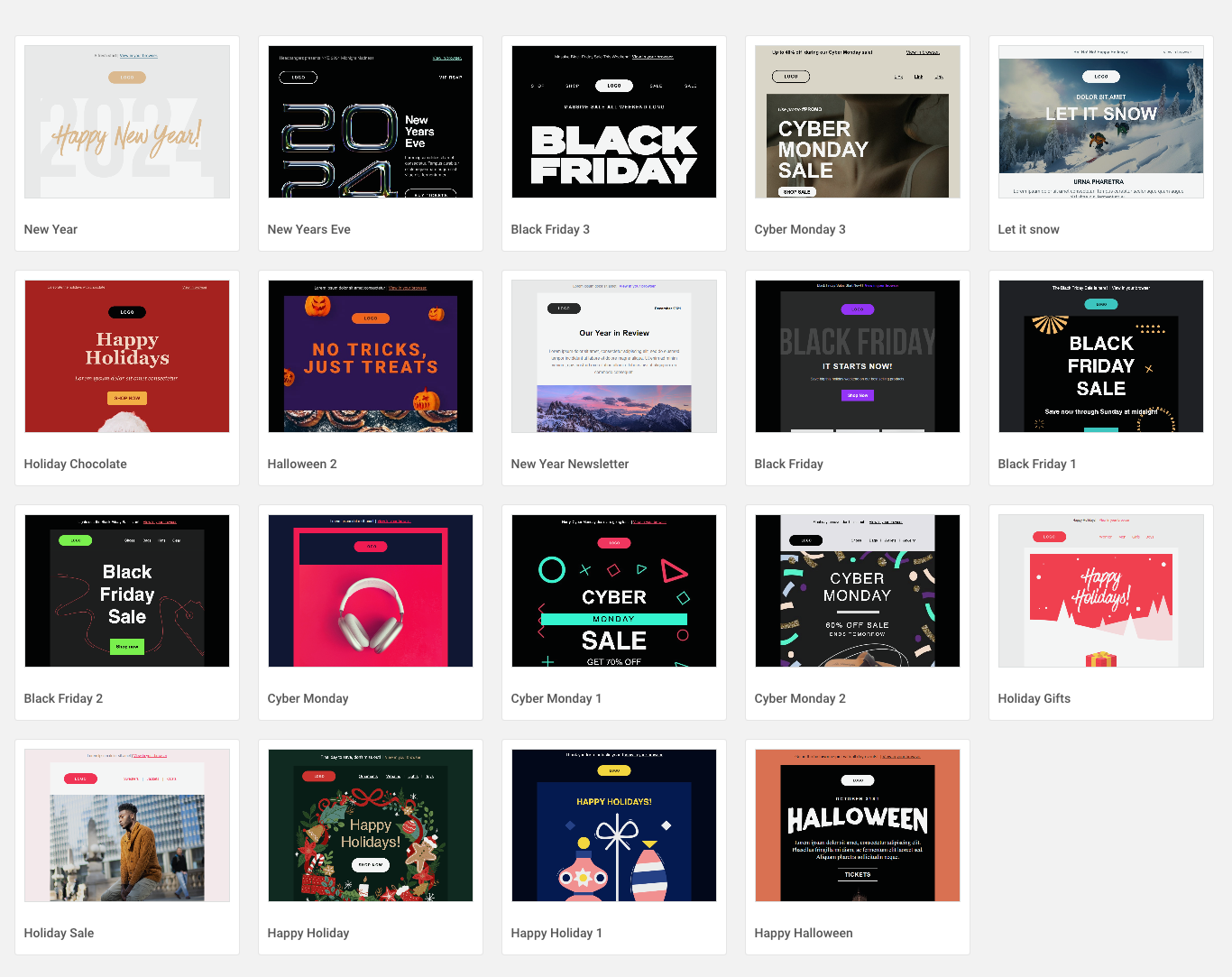
Adopting a systematic approach to email design through templates and component libraries offers substantial benefits in terms of efficiency, consistency, and testing. By building a library of reusable email components (headers, footers, content blocks, CTAs), brands can ensure all outgoing communications adhere to established design guidelines and brand identity.
This modular approach streamlines the email creation process, reduces design time, and facilitates rapid A/B testing of different layouts and content elements. Websites like Really Good Emails and Email Love serve as excellent sources of inspiration, showcasing well-designed email campaigns that can inform the development of robust component libraries. Sinch Mailjet, for example, offers an extensive gallery of pre-designed, responsive newsletter templates, including seasonal options, that significantly accelerate campaign development.
Emerging Email Design Trends for 2026
Beyond foundational best practices, Mike Nelson’s session at Email Camp shed light on several burgeoning trends poised to redefine email aesthetics and engagement in the coming year. These trends reflect a broader shift in digital marketing towards greater authenticity, visual impact, and user-centricity.
"Go Big, or Go Home": Bold Brand Statements
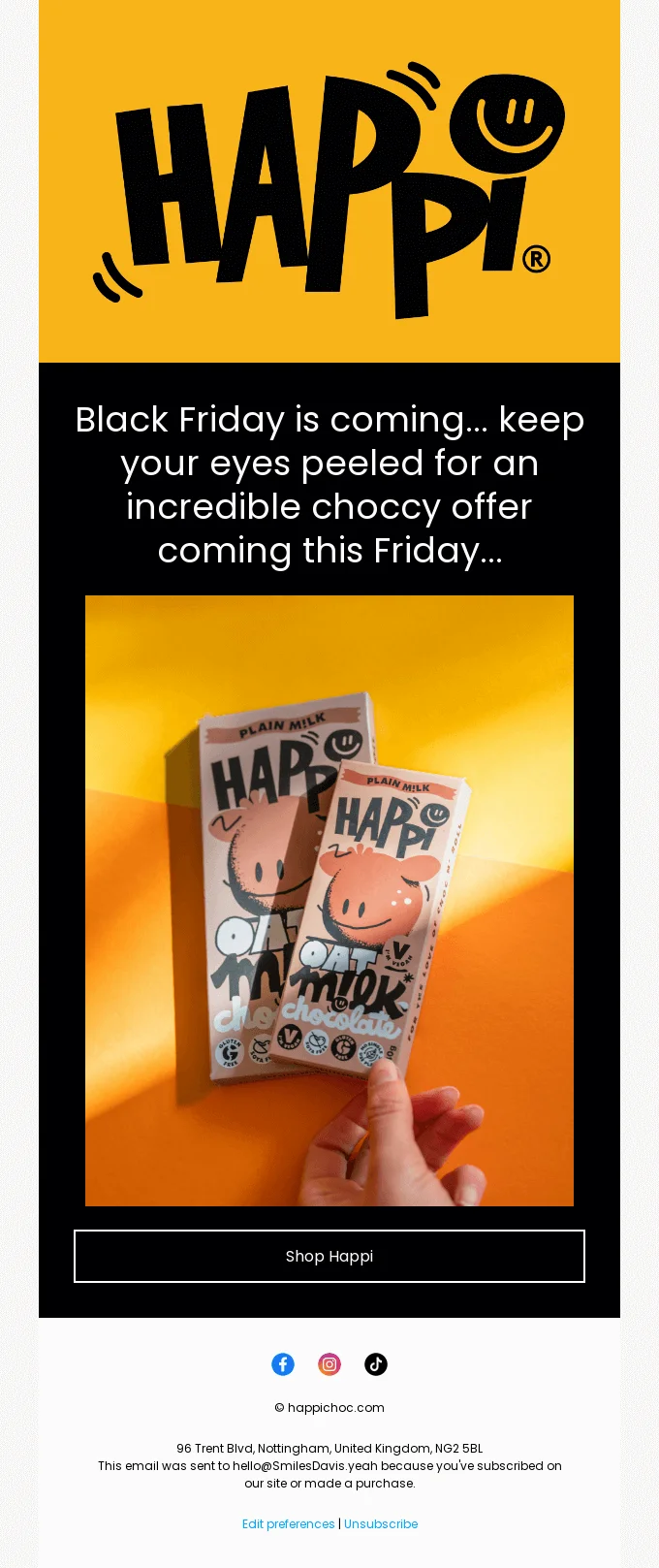
A notable trend observed by Really Good Emails is the increasing adoption of bold, brand-centric designs that prioritize impact over traditional corporate aesthetics. Instead of relying solely on logos or trademarks, brands are leveraging oversized, striking typography, prominent headlines, and expansive imagery to command attention.
This trend is a direct response to the escalating competition for inbox visibility. In an increasingly crowded digital landscape, brands are seeking innovative ways to differentiate themselves and capture immediate interest. By consciously deviating from conventional email structures, they aim to create a memorable impression that encourages deeper engagement. Examples from brands like Happi, which uses a dominant header image to highlight its brand, and The Label Edition, with its captivating title typography, illustrate this powerful approach.
"Hard Tables": Structured Clarity for Content Overload

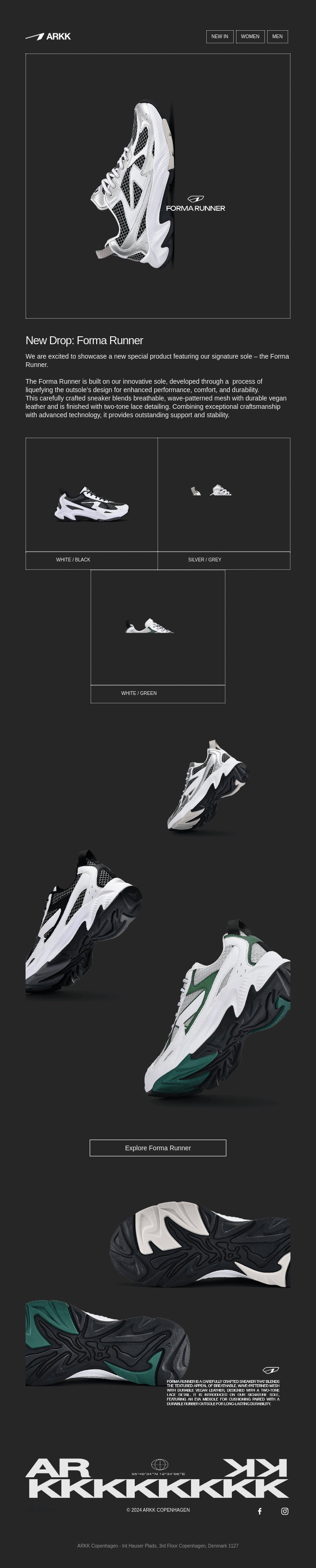
"Hard tables" refers to the practice of delineating content blocks with distinct borders, often black or contrasting lines. This design choice brings structured clarity to newsletters, particularly those with multiple sections or extensive content.
The appeal of hard tables lies in their ability to visually organize information, making newsletters appear more polished and easier to digest. In an era of information overload, clear visual hierarchy is crucial for guiding readers through content efficiently. Brands like Arkk effectively use white blocked lines on dark backgrounds, while XXXI employs traditional black outlines on white, demonstrating the versatility of this trend in enhancing readability and professionalism.
"Celeb Cameos": The Power of Influencer Endorsement
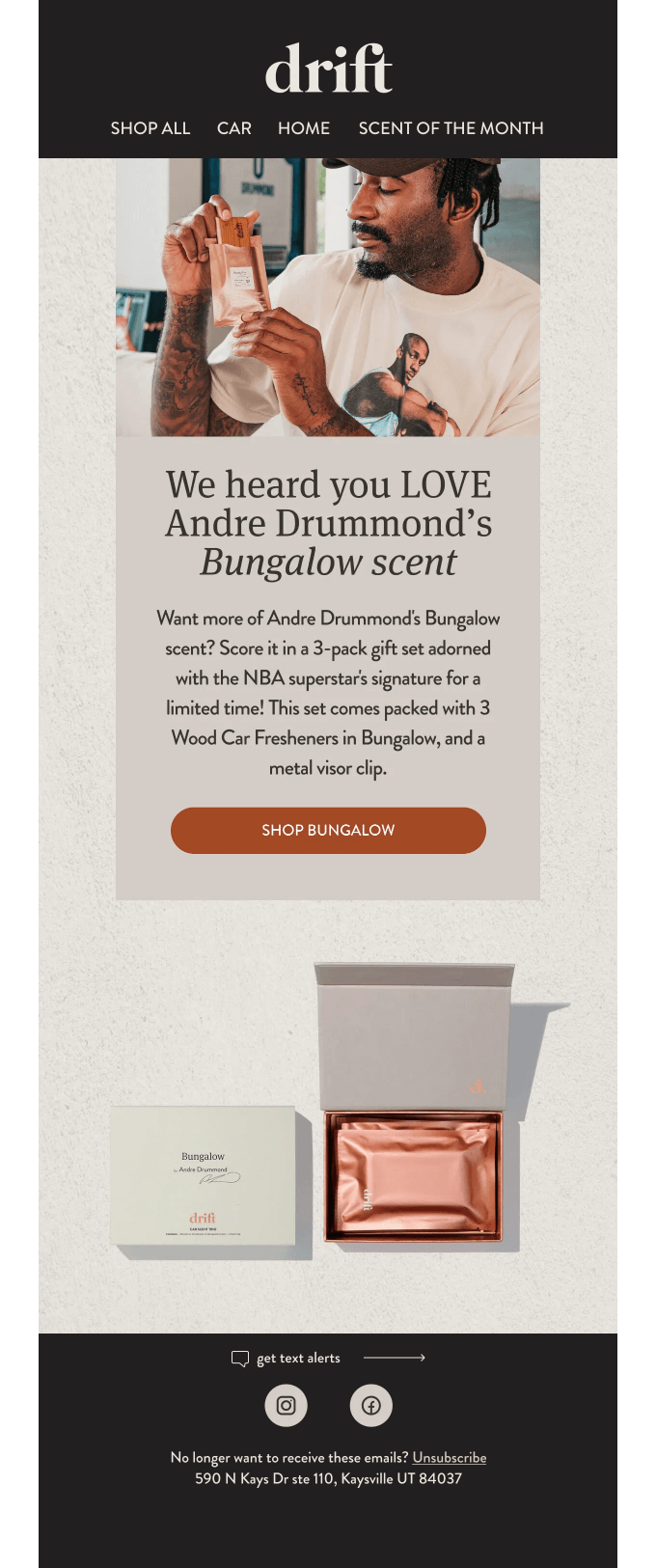
While celebrity endorsements have a long history in advertising, their resurgence in email marketing signifies a renewed focus on leveraging established influence. From Lily Langtree promoting Pears Soap in the late 19th century to contemporary athletes and artists, celebrities lend instant credibility and enhance brand reputation.
The strategic deployment of celebrity cameos in email campaigns, such as Drift’s collaboration with Andre Drummond, can significantly broaden reach. When a celebrity shares a campaign with their social media following, it can trigger viral dissemination, exposing the brand to an audience far beyond its existing subscriber base, provided the celebrity aligns authentically with the brand’s values and target demographic.
"Picture Wall": Visual Storytelling Through Abundance
The "picture wall" trend addresses the common marketer’s dilemma of selecting a limited number of images from a wealth of high-quality visual assets. Instead of choosing, this trend advocates for using multiple images in a mosaic or collage format.
This approach allows brands to showcase products from various angles, illustrate diverse applications, or feature different body types interacting with clothing, as seen in campaigns from Lululemon and Le Rose. By presenting a comprehensive visual narrative, picture walls help potential customers better visualize themselves using the product, aiding in the decision-making process and enriching the overall user experience.

"Raw and Unfiltered": Embracing Authenticity
In a digital age increasingly dominated by highly polished, and at times, AI-generated content, the "raw and unfiltered" trend champions authenticity. This involves incorporating unedited images and video footage into newsletter campaigns, creating a sense of genuine, unvarnished reality.
This counter-cultural movement in email design resonates with consumers who are growing wary of artificiality. Brands like Patagonia, with its unedited photo of a dog in a camper van, and GiftShop, showcasing raw kitchen footage, tap into a desire for realness. This approach fosters trust and relatability, presenting a more honest and human brand image.
The Crucial Role of Environment and Accessibility
Beyond aesthetics and engagement, ethical considerations are increasingly shaping email design strategies. Email ecology and accessibility are no longer niche concerns but fundamental pillars of responsible digital communication.
Minimizing Email’s Carbon Footprint
The environmental impact of digital communication, including emails, is gaining recognition. As Jonathan Loriaux, CEO and founder of the email marketing agency Badsender, stated, "When we talk about email and environment, there are really two points where we can have a positive influence: data storage and display."
Several practical steps can reduce an email’s carbon footprint:

- Optimize Images and Media: Compressing images and videos to the smallest possible file size reduces data transfer and storage requirements.
- Efficient Code: Writing clean, lean HTML and CSS minimizes the data load.
- Plain Text Options: Offering a plain text version of emails provides a low-carbon alternative for recipients.
- Clean Email Lists: Regularly culling inactive subscribers reduces the energy consumption associated with sending emails to unengaged addresses.
- Dark Mode Optimization: Designing for dark mode can reduce energy consumption on OLED screens.
Ensuring Universal Accessibility
Accessibility in email design addresses the needs of a diverse audience, particularly the more than 1.3 billion people globally living with some degree of visual impairment. Adhering to accessibility guidelines ensures that emails are readable and navigable for everyone, including those using screen readers and voice assistants.
Key accessibility practices include:
- High Contrast Ratios: Ensuring sufficient contrast between text and background colors for readability.
- Descriptive Alt-Text: Providing detailed descriptions for all images.
- Logical Content Hierarchy: Structuring content with proper headings (H1, H2, etc.) for easy navigation by screen readers.
- Semantic HTML: Using appropriate HTML tags (e.g.,
<p>,<a>,<ul>) to convey meaning and structure. - Clear Link Text: Making link text descriptive rather than generic ("Click Here").
- Keyboard Navigation: Ensuring all interactive elements can be accessed and operated via keyboard.
As voice assistants become more sophisticated in reading messages aloud, accessible design also ensures these tools can accurately interpret and convey email content, expanding reach and inclusivity.

Sinch Mailjet: Empowering Effective Email Design
Sinch Mailjet’s email marketing solution stands as a robust platform for implementing both enduring best practices and emerging design trends. Its intuitive drag-and-drop email builder empowers marketers to create 100% responsive email campaigns that render perfectly across all screens and devices, requiring minimal technical expertise. The platform’s preview features allow for comprehensive testing across various inbox environments, guaranteeing optimal presentation.
Beyond design, Sinch Mailjet’s extensive email template gallery saves invaluable time, enabling marketers to focus on strategic campaign optimization rather than repetitive design tasks. Furthermore, advanced features such as email segmentation, personalization, and A/B testing provide the tools necessary to refine campaigns, maximize engagement, and ultimately drive superior performance.
In conclusion, the landscape of email design is dynamic, constantly evolving with technological advancements and shifting consumer expectations. The insights shared at Email Camp underscore that successful email marketing in 2026 and beyond will hinge on a dual commitment: adhering to fundamental best practices that ensure technical robustness and accessibility, while simultaneously embracing innovative design trends that captivate audiences and reinforce brand identity. By prioritizing thoughtful design, marketers can transform their email campaigns from mere messages into powerful engines of engagement and growth.