rifanmuazin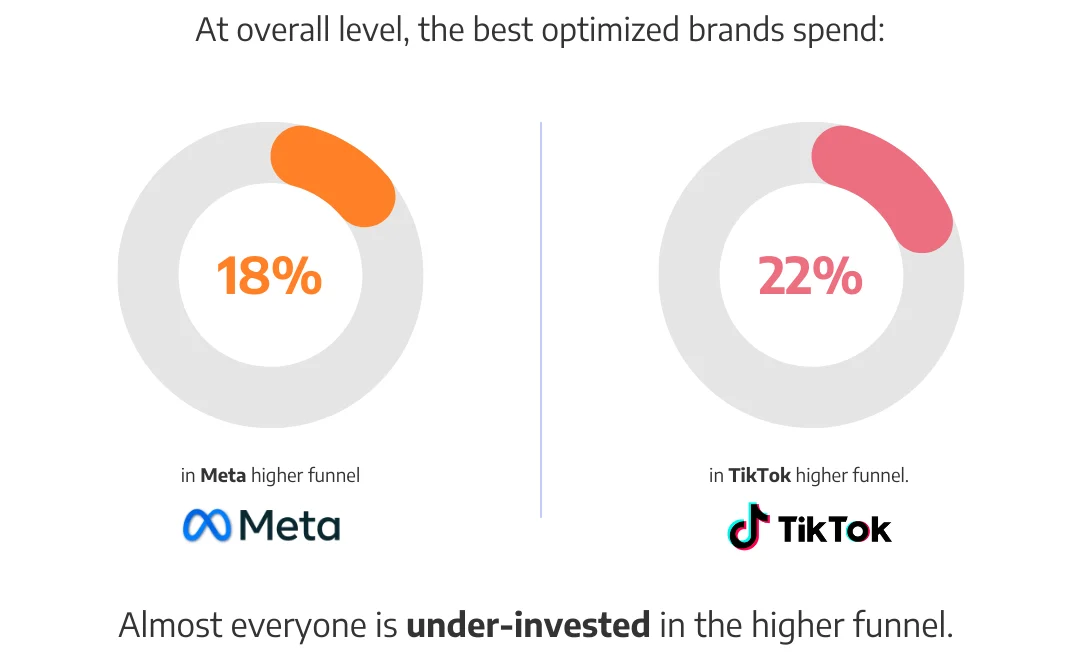
On May 29, 2024, an insightful analysis, compiled by the Fospha Team, shed light on these critical strategic alignments. This comprehensive study, which meticulously examined the performance data of 71 diverse brands, offered invaluable insights into optimal marketing channel allocation and strategic priorities tailored to specific business stages. The findings underscore that a "one-size-fits-all" approach is detrimental, advocating instead for dynamic, data-driven strategies that evolve with the brand’s trajectory. This report provides a crucial roadmap for businesses aiming to build a resilient foundation, accelerate conversion, expand their market reach, and effectively bridge the digital-physical divide.
The Foundational Phase: Startups Prioritizing Impressions and Awareness
For brands in their embryonic stage, the primary objective is to carve out an initial footprint and establish brand recognition within a crowded marketplace. The analysis revealed a clear consensus: startups predominantly lean on impressions-driven channels, with Paid Social emerging as the cornerstone of their early-stage marketing efforts. This strategy is not merely about generating clicks but about maximizing visibility, introducing the brand to a nascent audience, and cultivating initial awareness.
Paid Social platforms, encompassing giants like Meta (Facebook and Instagram), TikTok, and Pinterest, offer unparalleled targeting capabilities. Startups can leverage demographic, interest-based, and behavioral targeting to reach niche segments of potential customers efficiently. The visual nature of these platforms also allows for compelling storytelling and product showcasing, which are vital for captivating new audiences. Industry data consistently supports this approach; studies by platforms like Hootsuite indicate that over 70% of consumers use social media to discover new products, making it an indispensable channel for emerging brands. Furthermore, for a startup operating with finite resources, the ability to generate a high volume of impressions at a relatively manageable cost compared to traditional media provides a crucial advantage in the initial phase.
A compelling illustration of this strategy in action is the case of Pooch & Mutt, a D2C pet food brand. By strategically deploying Paid Social campaigns, Pooch & Mutt not only achieved significant year-on-year revenue gains but also managed to improve its customer acquisition costs (CAC). This dual achievement is critical for a startup; it demonstrates that initial investment in awareness can be both effective in driving growth and efficient in resource utilization. Their success highlights how visually engaging content, community building, and direct interaction on social platforms can foster early brand loyalty and set the stage for subsequent growth phases. The meticulous tracking of acquisition costs ensures that while reach is expanded, the path to profitability remains clear and sustainable.
The Growth Trajectory: Scaleups Accelerating Conversion with Balanced Media Spend
Once a brand has successfully navigated the startup phase, establishing a discernible audience and achieving initial market penetration, the strategic focus pivots. For scaleups, the emphasis shifts from mere awareness to aggressive conversion. Having cultivated a base of potential customers, the objective becomes to convert these prospects into loyal patrons while simultaneously sustaining the momentum of demand generation.
The analysis indicates that scaleups continue to increase their investment in impressions-led media, recognizing its ongoing role in maintaining top-of-funnel demand. However, this increased spend is meticulously balanced with a sharpened focus on conversion activities. The challenge for scaleups is to scale their advertising budgets without experiencing a disproportionate surge in customer acquisition costs. This necessitates a more sophisticated approach to media buying, leveraging advanced targeting, retargeting campaigns, and conversion rate optimization (CRO) techniques. For instance, while initial Paid Social campaigns might focus on broad reach, scaleup strategies would refine this to include remarketing ads targeting website visitors or abandoned cart users, significantly improving conversion efficiency.
Market intelligence reinforces this strategy. According to reports from firms like Statista, the average customer acquisition cost for e-commerce businesses has risen consistently over the past five years. Therefore, for scaleups, the imperative is to optimize every dollar spent, ensuring that increased media exposure directly translates into higher sales volumes and improved profitability margins. This stage often involves A/B testing various ad creatives, landing page designs, and call-to-action buttons to fine-tune the conversion funnel.
The Essence Vault provides an exemplary case study for this stage. This fragrance brand successfully scaled its presence on Meta platforms (Facebook and Instagram) while meticulously minimizing cost increases. Their strategy likely involved a sophisticated blend of expanding reach through lookalike audiences, deploying dynamic product ads tailored to individual user browsing history, and continuous optimization of ad placements and bidding strategies. By focusing on conversion-centric campaigns and rigorously analyzing performance metrics, The Essence Vault demonstrated that significant growth in a competitive sector is achievable without sacrificing profitability. Their experience underscores the critical balance between driving demand and converting it efficiently, a hallmark of successful scaleup marketing.
The Zenith of Expansion: Mature Brands Diversifying and Globalizing
For mature brands, the landscape presents a different set of challenges. Having achieved substantial market share and brand recognition, they face the perennial threat of market saturation and diminishing returns from established channels. To sustain growth and remain competitive, these brands must look beyond their immediate horizons, investing in higher-funnel activities and exploring new geographical markets.
Higher-funnel activities, in this context, refer to strategies designed to broaden brand appeal, attract entirely new customer segments, and reinforce brand equity. This can include large-scale brand campaigns, strategic partnerships, experiential marketing, content marketing initiatives that go beyond direct sales, and venturing into emerging digital platforms. The objective is to prevent stagnation by continuously refreshing brand perception and reaching audiences who might not be responsive to traditional direct-response advertising. This often involves a shift towards brand-building metrics like sentiment, recall, and top-of-mind awareness, alongside conversion metrics.
International expansion represents another critical avenue for growth at this stage. By tapping into new markets, mature brands can unlock vast customer bases and diversify their revenue streams, mitigating risks associated with over-reliance on a single geographical market. This, however, is a complex undertaking, demanding meticulous market research, localization of marketing messages and products, compliance with local regulations, and robust supply chain management.
Represent, a premium fashion brand, perfectly exemplifies this strategic pivot. To combat potential market saturation and fuel continued growth, Represent scaled its marketing efforts on TikTok, a platform known for its immense global reach and younger demographic appeal. This move not only enhanced overall brand growth but also indirectly improved the efficiency of their Meta campaigns, suggesting a synergistic effect where TikTok drove discovery and brand affinity, which then translated into more efficient conversions on other platforms. Crucially, Represent further expanded its presence in the United States, a strategic move to tap into a massive consumer market. This geographical diversification allowed them to mitigate risks associated with over-reliance on their domestic market and capitalize on new growth opportunities. The brand’s ability to successfully integrate new platforms like TikTok into its existing marketing mix and execute a robust international expansion strategy showcases the adaptability and foresight required of mature D2C players.
Bridging the Divide: Majority Offline Brands Embracing Digital Channels
Even in an increasingly digital world, a significant segment of businesses continues to operate primarily offline. However, the analysis highlights an undeniable truth: for majority offline brands, embracing digital channels is no longer an option but a strategic imperative. Historically, these businesses have gravitated towards click-based channels like Google’s Performance Max, which efficiently drives traffic and conversions through highly targeted advertising across Google’s network.
While Performance Max remains a vital tool for capturing intent-driven demand, the study reveals significant untapped opportunities in Paid Social for these brands. This suggests that a balanced approach, integrating both click-based and impressions-driven strategies, yields optimal results. The rationale is clear: while Performance Max excels at converting existing demand (e.g., someone searching for "best local coffee shop"), Paid Social excels at creating demand and building brand affinity even before a specific need arises.
Paid Social offers offline businesses a powerful avenue for local targeting, allowing them to reach potential customers within a specific radius of their physical locations. This is invaluable for driving foot traffic, promoting local events, and fostering a sense of community. For instance, a local restaurant can showcase its daily specials through engaging Instagram reels, or a boutique clothing store can highlight new arrivals on Facebook, directly influencing offline visits and purchases. The concept of "Research Online, Purchase Offline" (ROPO) is highly relevant here, where consumers use digital platforms to gather information before making an in-store purchase.
Moreover, Paid Social enables offline brands to humanize their operations, share behind-the-scenes content, and interact directly with their customer base, building stronger relationships that translate into loyalty. While the original report did not specify a case study for this category, numerous examples abound in the marketplace. A local hardware store, for instance, might use Facebook to promote workshops or new product demonstrations, while a fitness studio could leverage Instagram to showcase class schedules and testimonials. The integration of online booking systems or direct messaging features on social platforms can further streamline the customer journey from digital discovery to physical engagement.
The implication for majority offline brands is clear: they must strategically diversify their digital marketing spend beyond pure conversion-focused channels. By integrating Paid Social into their marketing mix, they can build broader brand awareness, engage with local communities, and create a seamless omnichannel experience that drives both online and offline sales. This requires a shift in mindset from viewing digital purely as a sales channel to recognizing its power as a brand-building and community-engagement tool.
Broader Implications and the Future of D2C/E-commerce Marketing
The analysis of these 71 brands by the Fospha Team underscores a fundamental truth in modern marketing: strategic agility and data-driven decision-making are non-negotiable for success in the D2C and e-commerce sectors. The insights reveal that the most effective marketing strategies are not static but evolve in lockstep with a brand’s growth trajectory. From building foundational awareness to accelerating conversions, expanding into new territories, and digitizing offline experiences, each stage demands a distinct yet interconnected approach to channel utilization and investment.
The report highlights the critical importance of understanding customer lifecycle stages and aligning marketing efforts accordingly. It implicitly calls for sophisticated attribution models that can accurately measure the impact of various touchpoints across the customer journey, from initial impressions to final conversion. As the digital advertising landscape becomes increasingly complex with evolving privacy regulations and platform changes, the ability to derive actionable intelligence from marketing data will only grow in importance.
Looking ahead, the principles illuminated by this study will remain pertinent. The rise of artificial intelligence in marketing promises even greater personalization and optimization capabilities, while the continuous emergence of new platforms (like the rapid ascent of TikTok) demands ongoing vigilance and adaptation. Brands that succeed will be those that not only understand the current best practices but also possess the foresight to anticipate future trends and integrate them seamlessly into their evolving growth strategies. The journey of a D2C or e-commerce brand is a dynamic one, requiring continuous learning, experimentation, and a steadfast commitment to understanding and serving its audience at every stage.