rifanmuazin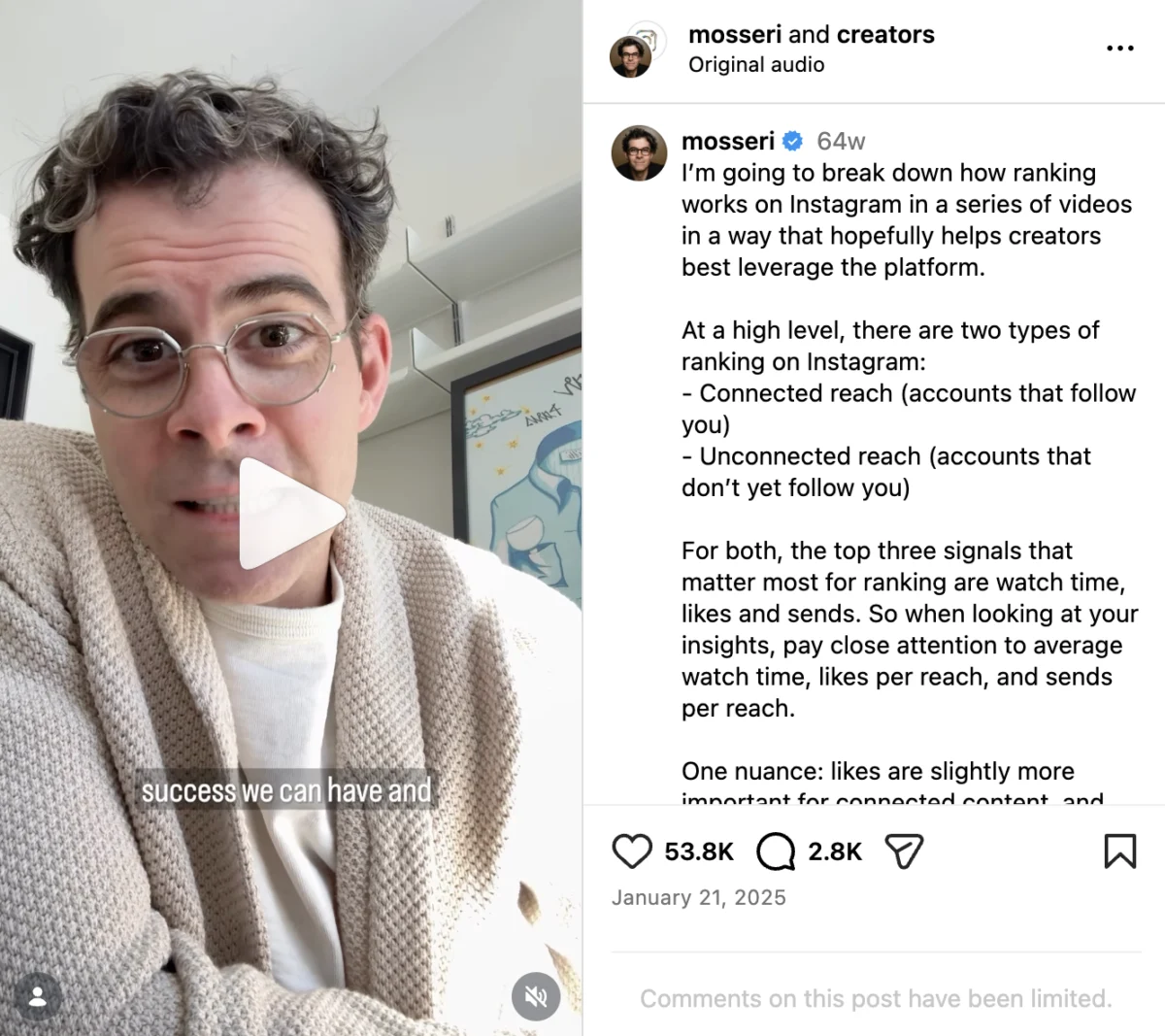
Social media algorithms are intricate collections of rules, ranking signals, and sophisticated calculations that dictate the priority and display order of content for each user. These AI-powered systems are the invisible architects of our digital experiences, determining what we encounter during the approximately 141 minutes per day the average global user dedicates to social media platforms. Through advanced machine learning, these algorithms continuously evolve, personalizing user feeds to an unprecedented degree.
The Evolution of Digital Discovery: From Chronology to Hyper-Personalization
The journey of social media algorithms began in the early 2000s with platforms like MySpace and the nascent Facebook, where content feeds were purely chronological. Users saw posts from their connections in the order they were published, from most recent to oldest. This straightforward approach, however, quickly proved unsustainable as the volume of content exploded. The need to filter and prioritize information became paramount to prevent user overwhelm and maintain engagement.

A pivotal moment arrived in 2006 with Facebook’s launch of the News Feed. This innovation marked a significant departure, introducing a curated experience. By 2010, the underlying mechanics were publicly described, known as EdgeRank, a foundational algorithm that considered affinity, weight, and time decay to rank posts. EdgeRank was subsequently replaced in 2011 by more advanced, multifaceted algorithms, setting the stage for the complex, AI-driven systems prevalent today.
In 2026, virtually every major social platform employs its unique set of algorithms to rank and display content. The lone exception, Bluesky, defaults to a chronological feed, championing user-controlled algorithmic choice. However, even established giants like X (formerly Twitter), Facebook, and Instagram continue to offer users the option to switch to a chronological view, acknowledging a lingering desire for unfiltered recency.
Understanding the Mechanics: How Algorithms Operate in Practice
At its core, a social media algorithm functions by analyzing user behavior and preferences to deliver highly relevant content. Consider a user on Instagram who watches three cooking Reels to completion. The algorithm meticulously notes the watch time, cross-references it with past engagement with similar food-related content, and subsequently begins to surface more cooking Reels within that user’s main feed and Explore page. Conversely, a friend who consistently skips cooking content in favor of travel photography will receive an entirely different stream of recommendations. This dynamic illustrates the power of personalization: the same platform, driven by the same underlying algorithmic framework, crafts a distinct and unique experience for every individual.

To effectively navigate this digital landscape, it is crucial to understand key terminology:
- Ranking Signal: Any attribute or factor utilized by social media algorithms to evaluate content quality, relevance, and potential user interest. These signals directly influence whether content appears in a user’s feed or search results, and its specific display order.
- Machine Learning (ML): A subset of artificial intelligence where systems learn from data, identify patterns, and make predictions or decisions without explicit programming. ML models are central to the continuous evolution and personalization of social media feeds.
- Artificial Intelligence (AI): A broader field encompassing technologies that enable computers to perform tasks traditionally requiring human intelligence, such as problem-solving, reasoning, and pattern recognition. AI provides the foundational capabilities for sophisticated algorithmic operations.
The Pillars of Prioritization: Common Ranking Signals in 2026
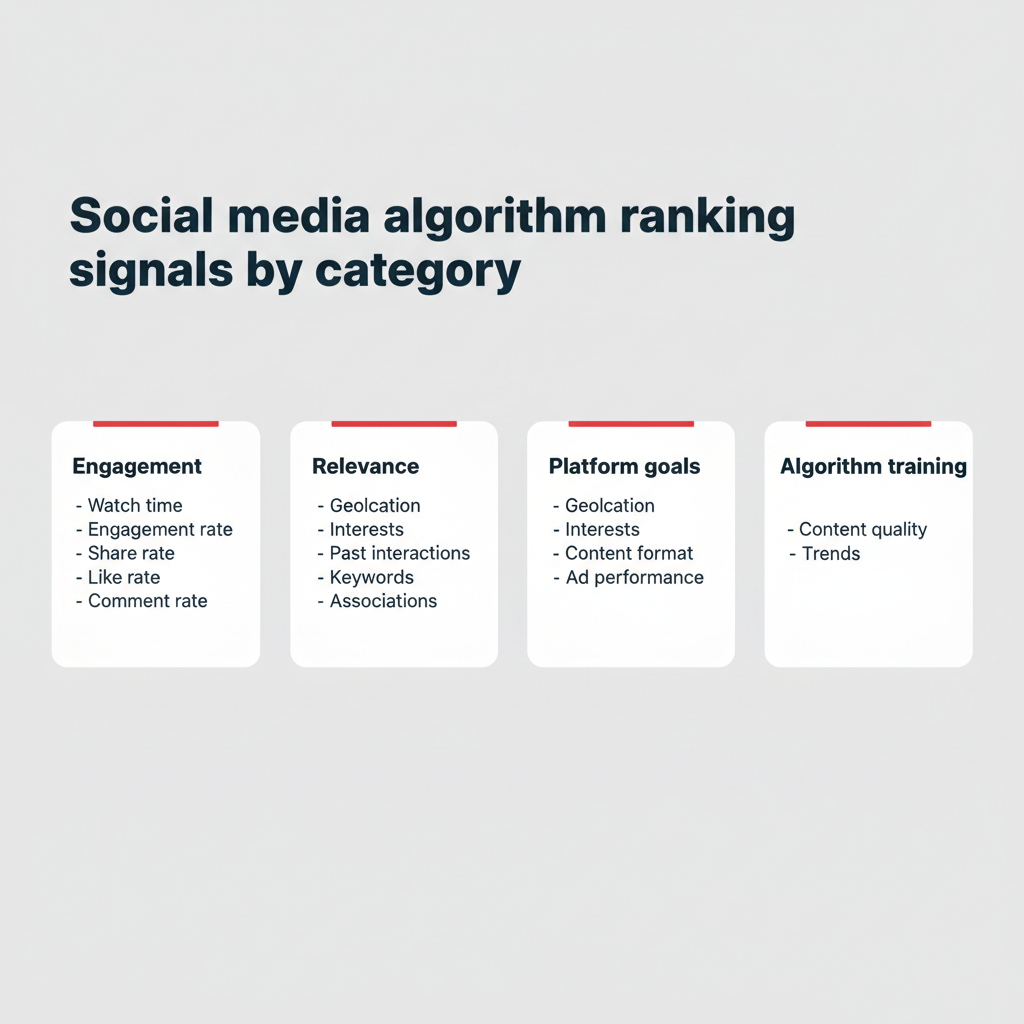
While each platform’s algorithms are proprietary and constantly tweaked, most draw from a common set of signal categories to personalize the user experience. These include:
- Engagement-Based Ranking: This category encompasses direct user interactions with content, such as likes, comments, shares, saves, and watch time (for video). Algorithms interpret high engagement as a strong indicator of content value and relevance.
- Relevance and Personalization: Signals in this area relate to a user’s past behavior, stated interests, and connections. This includes the types of accounts they follow, content they’ve previously engaged with, search queries, and even demographic data.
- Platform Goals: Each social network has strategic objectives, often influencing algorithmic priorities. This might include promoting new features (e.g., short-form video), encouraging specific types of content creation, or prioritizing content that keeps users on the platform longer.
- Algorithm Training: This refers to the continuous feedback loop where algorithms learn from aggregated user data. For instance, if a specific type of content consistently performs well with a certain user segment, the algorithm is "trained" to show more of that content to similar users.
Platform-Specific Algorithmic Dynamics
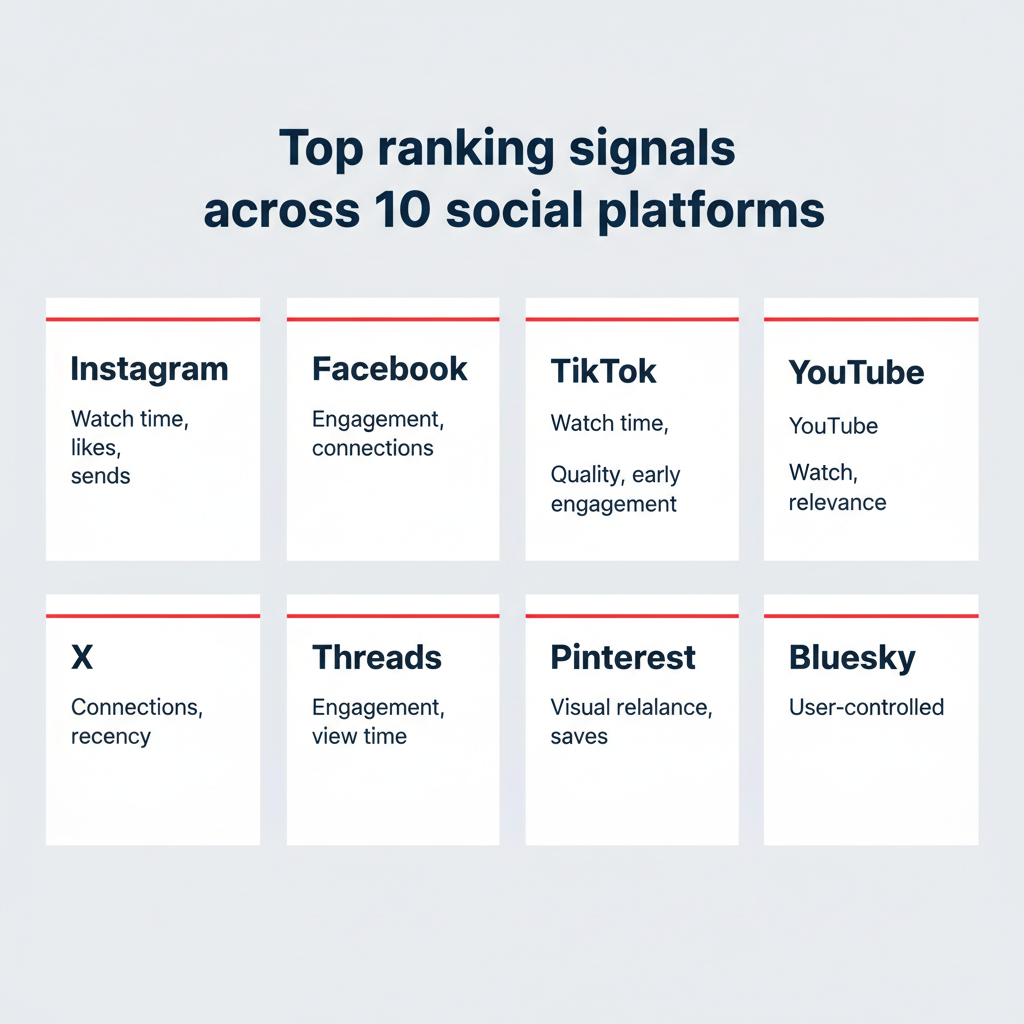
The competitive landscape of social media necessitates distinct algorithmic approaches, with each major network emphasizing different ranking signals and content formats. Here’s a detailed comparison of how top platforms rank content in 2026:
-
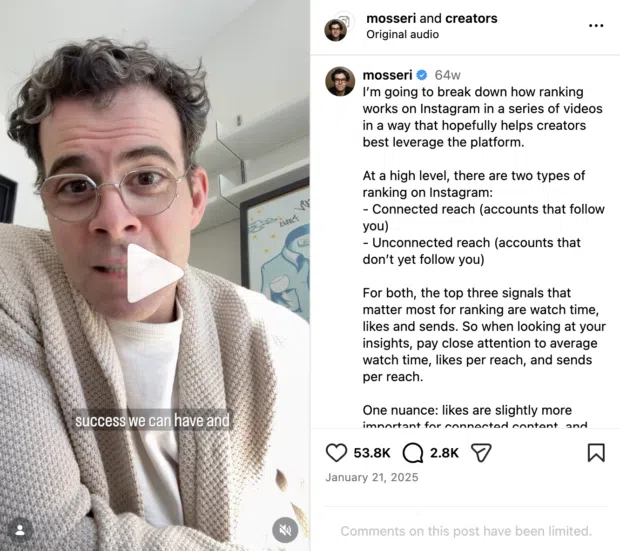
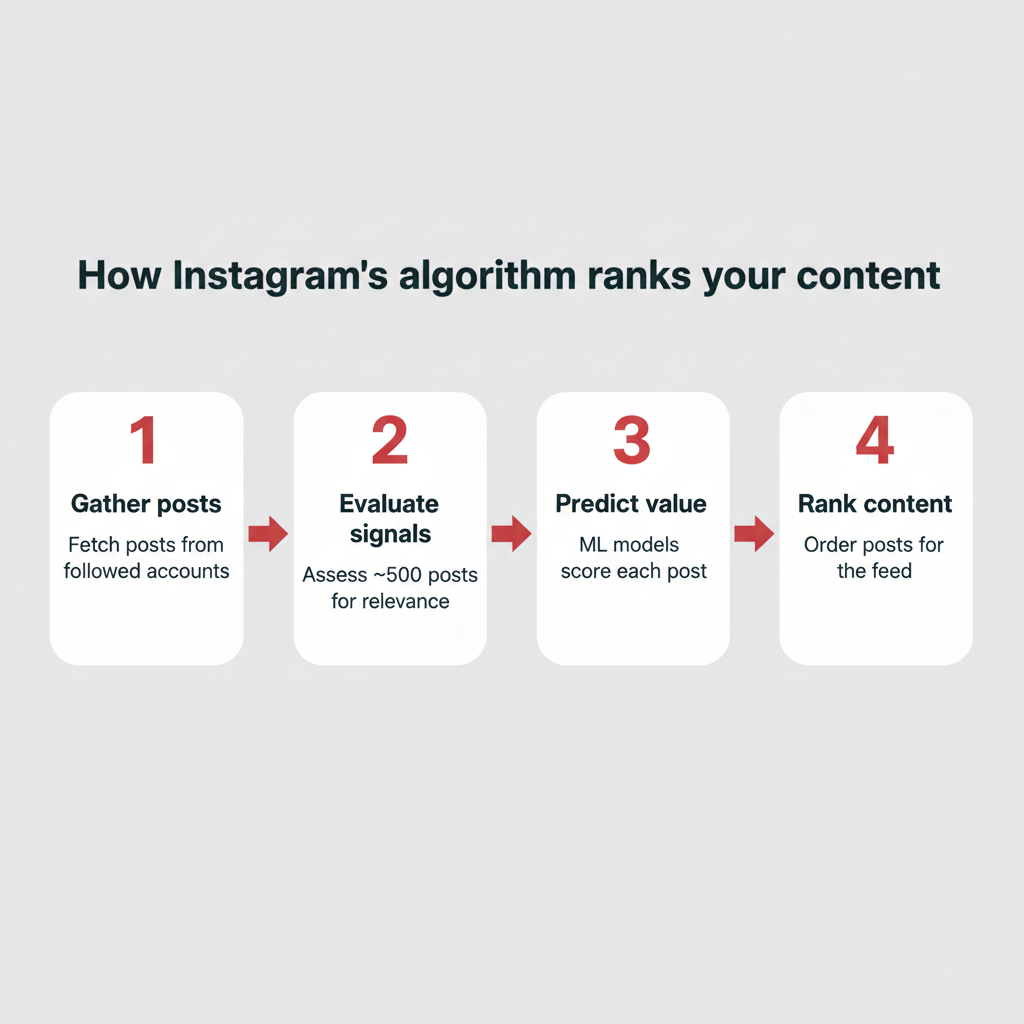
Instagram: According to Adam Mosseri, Head of Instagram, the top three ranking signals are watch time, likes, and sends (direct shares). For connected reach (content from accounts you follow), likes are more crucial, while sends are more impactful for unconnected reach (Explore page, Reels from unknown creators). The Instagram algorithm processes content in four stages: identifying relevant content, filtering for quality, predicting user interest, and ranking based on those predictions. Reels and carousels are currently preferred formats, and a chronological option is available.
- Feed Algorithm: Prioritizes accounts you frequently interact with, content you’ve liked/shared, and content with high engagement.
- Stories Algorithm: Focuses on interactions (replies, reactions), consistency of viewing, and closeness of relationship.
- Reels Algorithm: Heavily weighted towards watch time, rewatches, and shares, pushing short, engaging video content.
- Explore Algorithm: Identifies content similar to what a user has previously engaged with, aiming to broaden discovery.
-
Facebook: Facebook’s algorithms, developed by Meta, prioritize predicted engagement and connections. This means content from friends, family, and groups with whom a user frequently interacts often ranks higher. Video and photos remain dominant preferred formats, and a chronological option is available. Key signals include content type (video, photos, text), interaction history, and the recency of posts.
-
X (formerly Twitter): The "For You" tab on X blends content from followed accounts with algorithmic recommendations. Key signals include connections (who you follow and interact with), recency, and trending topics. Text and images are the primary formats, and a chronological "Following" tab is available.
-
LinkedIn: As a professional networking platform, LinkedIn’s algorithm emphasizes content quality, early engagement, and professional relevance. Text-heavy posts, documents, and articles that spark professional discussion tend to perform well. There is no chronological option, reinforcing its focus on relevance.
-
TikTok: The "For You Page" (FYP) is renowned for its hyper-personalization, driven by watch time, user activity (likes, shares, comments), and video completion rates. Short-form video is the undisputed preferred format, and there is no chronological option, as discovery is central to its appeal.
-
YouTube: YouTube’s algorithm prioritizes watch time, relevance to user history, and overall audience retention. It supports both long-form and short-form video (YouTube Shorts), rewarding content that keeps viewers on the platform. There is no chronological feed, as discovery and recommendations are paramount.
-
Pinterest: Pinterest functions more as a visual search engine and discovery tool. Its algorithm emphasizes visual relevance, saves (pinning), and the quality of the image/Pin itself. Images and rich Pins are the core content types, and there is no chronological option.
-
Threads: Mirroring its parent company Meta’s focus, Threads prioritizes predicted engagement and view time. Text-based content, often with accompanying images, is the preferred format, and a "Following" tab offers a chronological view.
-
Bluesky: Committed to "algorithmic choice," Bluesky empowers users to create and curate multiple custom feeds. The default is chronological, promoting community-driven content filtering rather than a single, platform-dictated algorithm. Brands on Bluesky must focus on direct community engagement and active participation.
-
Reddit: Reddit’s ranking is largely democratic, driven by upvotes/downvotes, comment quality, and community engagement within specific subreddits. Text and images are common formats, and users can sort feeds by "New" for a chronological view.
Recent Algorithmic Shifts (2025-2026)
The past year has witnessed significant shifts in algorithmic operations, reflecting broader industry trends and technological advancements:
- Video Dominance: Short-form video has solidified its position as a top priority across almost all platforms, driving higher watch times and engagement.
- Enhanced Personalization: AI and machine learning have enabled even more granular personalization, delivering content tailored to individual micro-preferences.
- Creator Economy Focus: Algorithms increasingly reward original content creators, often giving preferential treatment to content that fosters direct interaction and community building around individual creators.
- Ethical Considerations: There’s a growing emphasis on balancing engagement with content quality and safety, with platforms attempting to mitigate the spread of misinformation and harmful content.
- AI Integration: Beyond core ranking, AI is being integrated into content moderation, trend identification, and even content generation assistance.
Optimizing Content for Algorithmic Success in 2026
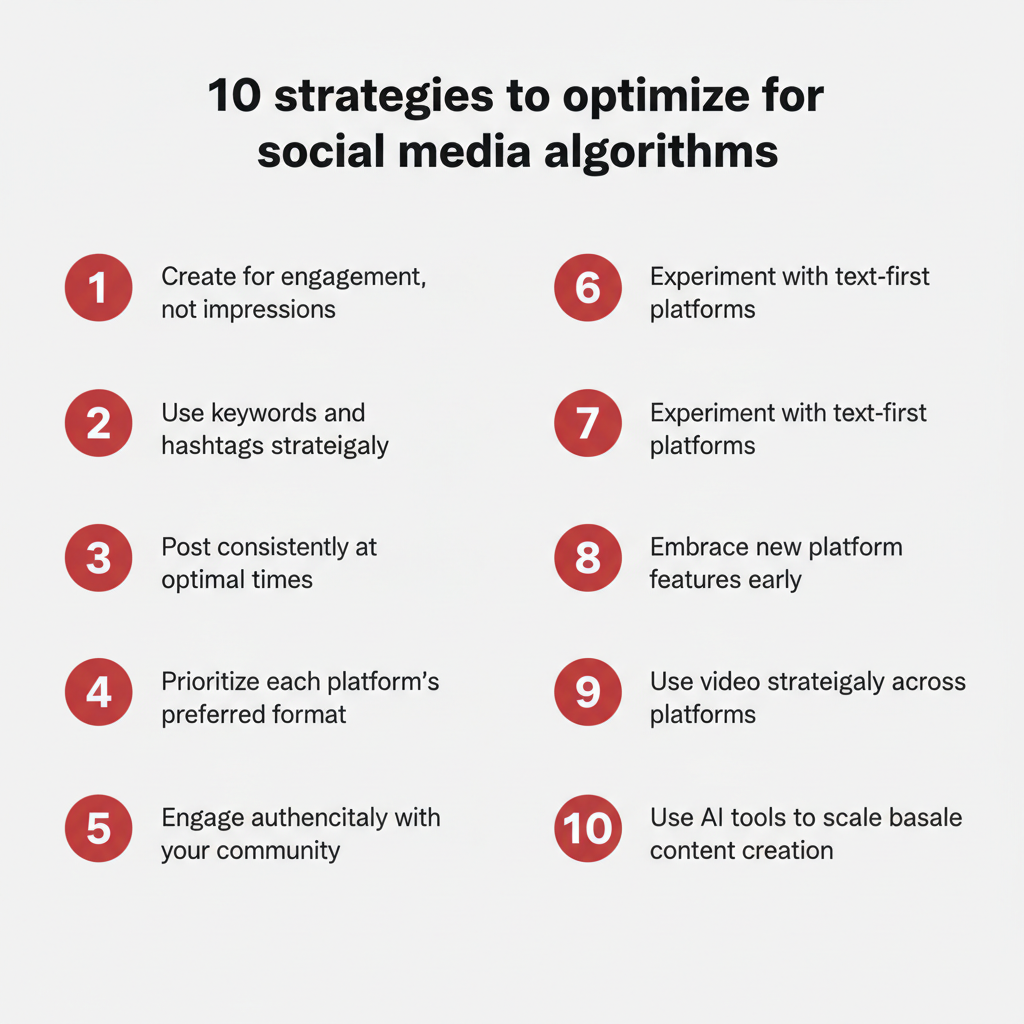
Understanding the algorithms is only the first step; strategic optimization is key to maximizing reach and engagement. Here are ten proven strategies:
- Create for Engagement, Not Just Impressions: Every major algorithm heavily rewards content that stimulates interaction. Prioritize posts designed to elicit comments, shares, saves, and direct messages over those merely aiming for passive views.
- Strategic Use of Keywords and Hashtags: Social SEO has become critically important, especially as 46% of Gen Z primarily use social media for search. Incorporate relevant keywords into captions, alt text, and profile bios to enhance discoverability.
- Consistent Posting at Optimal Times: Algorithms favor accounts that maintain a regular publishing cadence. A well-planned content schedule signals activity and relevance, increasing the likelihood of algorithmic distribution to your audience.
- Prioritize Platform-Preferred Formats: Align your content strategy with what each platform is actively promoting. This means focusing on Reels and carousels for Instagram, short-form video for TikTok, and text-centric posts for LinkedIn and Threads.
- Engage Authentically with Your Community: Active participation in the social conversation is rewarded. Respond to comments on your own posts and proactively engage with others’ content to build connections and signal genuine interaction.
- Experiment with Text-First Platforms: Platforms like Threads, X, and Bluesky offer unique opportunities for brands to refine their written communication, foster discussions, and build niche communities through thoughtful text-based content.
- Embrace New Platform Features Early: Algorithms frequently boost newly launched features to encourage adoption. Staying updated and quickly testing new functionalities can provide a temporary but significant algorithmic advantage.
- Strategically Utilize Video Across Platforms: Video content continues to dominate algorithmic feeds. Tailor your video strategy: short-form for TikTok and Instagram Reels, and a mix of long and short formats for YouTube.
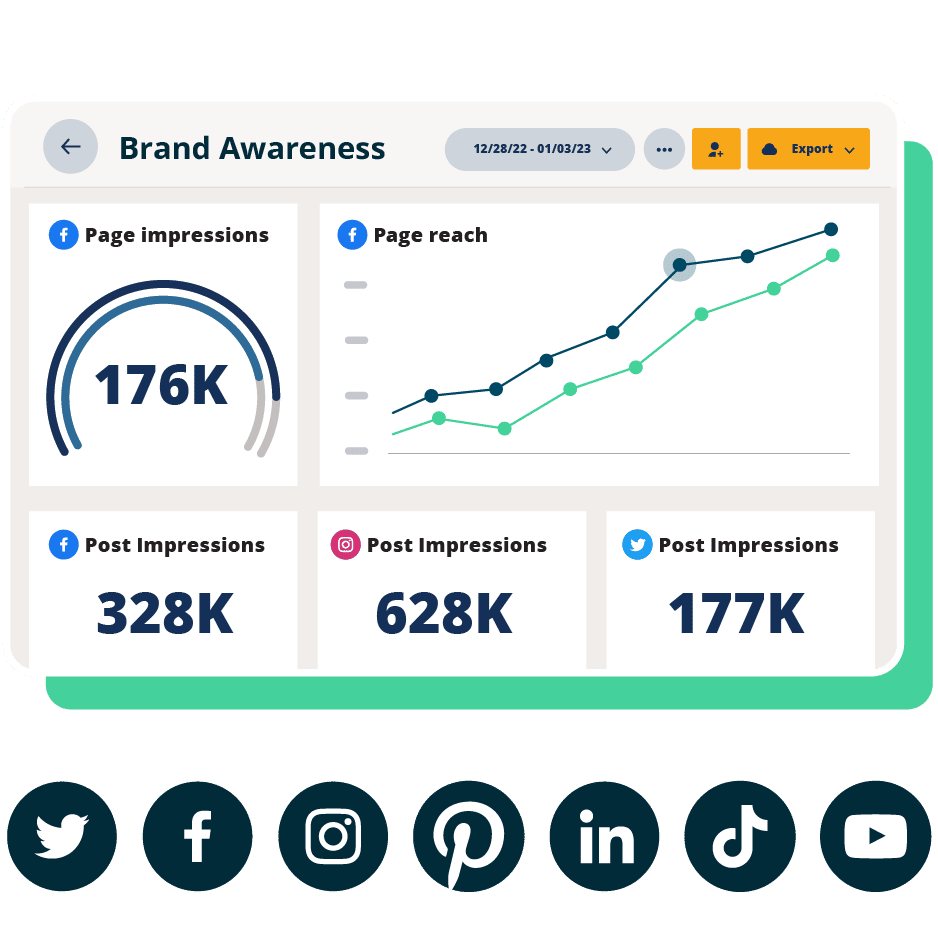
- Measure and Iterate Based on Analytics: Leverage social media analytics to track key metrics such as reach, engagement rate, and conversion. This data is crucial for identifying which content types, posting times, and formats resonate best with your audience.
- Leverage AI Tools for Content Creation: AI content creation tools can significantly streamline the content production process, helping maintain consistency and freeing up valuable time for strategic planning and creative ideation—elements highly valued by algorithms.
AI: The Backbone of Modern Social Media Algorithms
Artificial intelligence is not merely a component but the very foundation of contemporary social media algorithms. Its influence is pervasive:
- Hyper-Personalization: AI enables algorithms to analyze vast datasets of user behavior, creating highly accurate profiles that predict individual preferences and deliver tailored content.
- Dynamic Adjustments: Machine learning models allow algorithms to learn and adapt in real-time, responding to new trends, user feedback, and shifting platform priorities without manual reprogramming.
- Content Moderation: AI assists in identifying and filtering inappropriate or harmful content, though this remains a complex and evolving challenge.
- Trend Prediction: AI can detect emerging trends and topics, allowing platforms to prioritize relevant content and provide creators with insights into what resonates.
- Efficiency and Scale: AI processes billions of data points daily, making the real-time curation of diverse global feeds feasible at an unprecedented scale.
Implications for Brands, Content Creators, and Users
The algorithmic landscape profoundly impacts all stakeholders within the social media ecosystem.
For Brands and Content Creators:
- Organic Reach and Engagement: The organic reach a brand’s content achieves is directly proportional to its alignment with each platform’s algorithm. Without algorithmic visibility, content struggles to reach its intended audience, making engagement—likes, comments, shares—a critical metric that fuels further distribution. The consistent decline in organic reach for many brands underscores the necessity of a sophisticated algorithmic strategy.
- Consistency and Content Quality: Algorithms reward reliability and professionalism. Brands that adhere to consistent brand guidelines, maintain a regular posting cadence, and produce high-quality, valuable content are more likely to be favored. However, this consistency must be balanced with experimentation and adaptability.
- Engagement as Currency: Engagement is no longer just a vanity metric; it is a primary signal to social media algorithms that content is valuable and worthy of promotion. What constitutes a "good" level of engagement varies significantly by platform and industry, necessitating careful measurement and benchmarking.
For Users and Society:
Social media algorithms fundamentally shape the individual user experience, dictating what information is consumed and how communities are formed. While algorithms are often criticized for potential negative consequences—such as contributing to shortened attention spans, facilitating the spread of misinformation, and exacerbating negative mental health impacts among youth—they also offer significant benefits.
Without algorithms, users would face an overwhelming deluge of unfiltered content, lacking the quick access to like-minded communities that foster positive discussions and global connections. However, researchers have also highlighted the "echo chamber" effect, where algorithms can inadvertently reinforce existing beliefs, limiting exposure to diverse perspectives and potentially intensifying radical ideologies. This dichotomy underscores the complex and ongoing societal debate surrounding algorithmic transparency, accountability, and ethical design.
The Path Forward

Social media algorithms are dynamic entities, constantly evolving to meet user demands, platform objectives, and the ever-changing digital landscape. For brands and content creators, staying abreast of these shifts, embracing data-driven strategies, and prioritizing authentic engagement are no longer optional but essential for achieving visibility and fostering meaningful connections in 2026 and beyond. As AI continues to advance, the symbiotic relationship between human creativity and algorithmic intelligence will only deepen, shaping the future of digital interaction.