rifanmuazin
The landscape of digital search has undergone a profound transformation, ushering in an era where Artificial Intelligence (AI) not only augments but fundamentally redefines how consumers discover and interact with brands. For businesses, this seismic shift means that traditional Search Engine Optimization (SEO) strategies, once the bedrock of online presence, are no longer sufficient. If a brand fails to secure visibility within AI-generated answers, it faces a more significant challenge than mere traffic loss; it risks forfeiting crucial elements of trust, credibility, and the opportunity to connect with a growing segment of customers who now expect AI to curate and recommend optimal choices across myriad digital touchpoints. This evolution necessitates a proactive approach to AI visibility, brand narrative control, and the adoption of specialized tools designed to navigate this complex new environment.
The Paradigm Shift in Digital Discovery
For decades, SEO revolved around optimizing content for search engine algorithms to rank highly in organic link listings. Success was measured by page one rankings, click-through rates, and ultimately, website traffic. However, the advent of sophisticated Large Language Models (LLMs) like OpenAI’s ChatGPT, Google’s Gemini, and Perplexity AI has introduced a new dynamic. These AI platforms do not merely present a list of links; instead, they synthesize information from vast datasets, including proprietary trained knowledge and crawled web content, to generate single, context-aware, and often personalized answers. This fundamental difference means that a brand could rank #1 on Google’s traditional search results page yet remain entirely absent from the AI responses that a significant and rapidly expanding audience now consults for recommendations.
The integration of AI into conventional search engines, notably with Google’s Search Generative Experience (SGE), further blurs the lines between classic search and AI-driven answers. As of early 2024, estimates suggest that AI chatbot usage has surged, with platforms like ChatGPT reaching 100 million active users in just two months after launch, signaling a monumental shift in user behavior. This rapid adoption underscores the urgent need for brands to adapt their digital strategies to encompass AI visibility. Industry experts predict that by 2027, the global AI in search market will exceed $10 billion, demonstrating not just a technological trend but a new commercial frontier.
The Critical Blind Spot: Why Traditional SEO Falls Short
Traditional SEO tools, while adept at tracking keyword rankings, organic traffic, and backlink profiles, possess a critical blind spot concerning AI-generated content. They cannot adequately monitor how a brand is perceived or mentioned within AI summaries, recommendations, or conversational interfaces. This creates a precarious situation where competitors might be dominating AI recommendations in a given market, influencing potential customers, without the affected brand even realizing it.
The implications of this blind spot are far-reaching. A brand might maintain strong Google rankings but effectively be invisible to an audience increasingly reliant on AI. Furthermore, unmonitored AI responses could harbor negative sentiment about a brand, stemming from outdated information, misinterpretations, or amplified customer complaints, silently eroding reputation and trust without direct detection through conventional metrics. Conversely, positive brand attributes, if not strategically amplified, might also go uncaptured by AI systems, leading to missed opportunities for enhanced credibility. Digital marketing agencies and consultants are increasingly emphasizing the necessity for clients to look beyond traditional SERPs, advocating for comprehensive AI presence monitoring as a non-negotiable component of modern digital strategy.
Shaping the Narrative: Brand Control in the Age of AI
AI platforms construct a brand’s story by aggregating information from a multitude of disparate sources: customer reviews, news articles, social media discussions, industry reports, and the brand’s own published content. If these sources present inconsistent or conflicting messages, the AI’s synthesized answers will inevitably reflect that fragmentation. Therefore, a unified, consistent brand message is paramount.
To effectively control the brand narrative in an AI-driven environment, businesses must adopt several strategic imperatives:
- Unified Messaging: Consistently repeat core brand messages and unique selling propositions (USPs) across all digital channels—from website content and press releases to social media campaigns and external interviews. Whether the message is "affordable luxury" or "sustainable innovation," its omnipresence helps AI platforms coalesce a clear, singular identity.
- Proactive Misinformation Management: Swiftly address any misinformation, inaccurate reviews, or outdated details by publishing clear, factual clarifications online. This preemptive action prevents AI systems from inadvertently amplifying incorrect narratives, which can spread rapidly and damage reputation.
- Structured Data Integration: Support critical brand attributes, awards, and USPs with robust structured data (Schema markup). This provides AI platforms with an unambiguous, machine-readable framework for understanding and referencing precise brand information, ensuring accuracy and enhancing visibility. For instance, clearly structured data about product features, company history, and customer reviews can guide AI models to present a favorable and accurate summary.
- Content Authority: Develop and publish authoritative content that serves as a definitive source for information related to your brand and industry. This includes comprehensive guides, whitepapers, and original research, which AI models are more likely to cite as credible sources.
Introducing Yoast AI Brand Insights: A New Tool for a New Era
Recognizing this critical shift, Yoast, a leader in SEO tools, has introduced Yoast AI Brand Insights. This innovative tool is designed to provide brands with a clear, actionable view of their visibility, sentiment, and credibility across major AI platforms like ChatGPT, Perplexity, and Google Gemini. It moves beyond raw data to offer insights that empower brands to turn the "AI black box" into strategic opportunities.
Yoast AI Brand Insights tracks key metrics, offering a comprehensive understanding of a brand’s performance in the AI ecosystem:
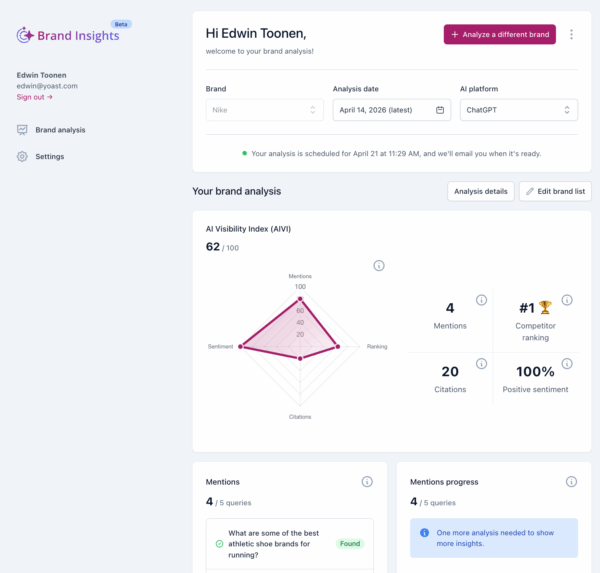
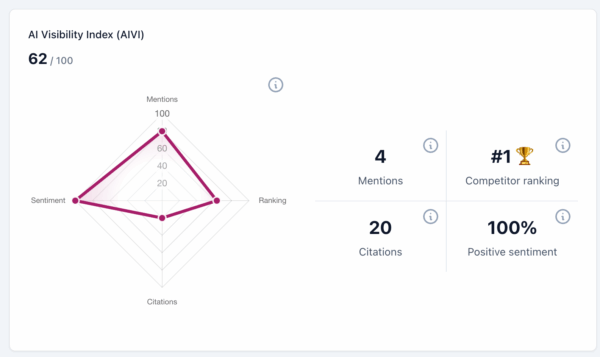
- AI Visibility Index (AIVI): This proprietary score, on a scale of 0-100, quantifies a brand’s overall visibility on AI platforms for tracked terms. AIVI is a composite metric, reflecting a brand’s prominence, the quality of its mentions, and the authority of its associated sources. A low AIVI score signals an urgent need to focus on increasing mentions, cultivating positive sentiment, and building relevance through authoritative content and strategic citations.
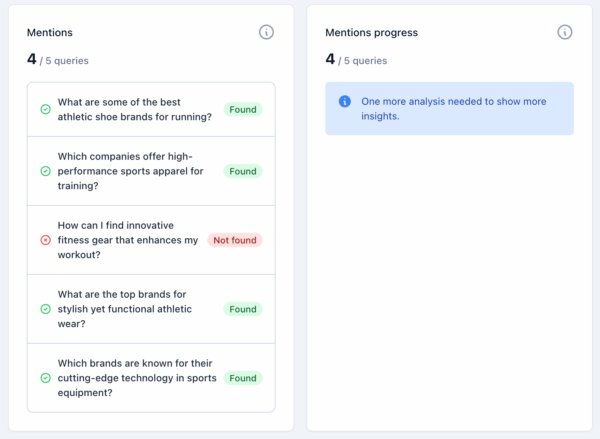
- Mentions: This section tracks the specific queries for which a brand appears in AI responses. For example, if a user asks, "What is the best low-cost CRM system for small businesses?" and a brand is featured in the AI’s answer, it constitutes a mention. More mentions generally correlate with greater visibility and market presence within AI. Yoast AI Brand Insights helps identify high-intent, AI-generated brand queries, allowing businesses to optimize content specifically for these conversational prompts.
- Sentiment: Sentiment analysis measures the percentage of positive versus negative language associated with a brand in AI query results. Positive descriptors like "innovative" or "reliable" contribute to favorable sentiment, while terms such as "overpriced" or "unreliable" denote negative sentiment. Monitoring sentiment is crucial for building trust and mitigating reputational damage. The tool allows brands to track sentiment shifts over time, enabling rapid response to any emerging negative trends, whether stemming from a product issue or a PR incident.
- Citations: This metric refers to the explicit sources that AI platforms reference when generating an answer. It’s important to distinguish that a citation is attributed to the publisher (e.g., The New York Times) rather than the individual brands mentioned within that source (e.g., American Express). However, consistently appearing within these highly cited, authoritative publications significantly increases the likelihood of a brand being surfaced in AI responses over time. The tool helps identify top citation sources, guiding brands to focus their efforts on gaining mentions in publications trusted by AI systems.
Actionable Strategies for Enhancing AI Visibility
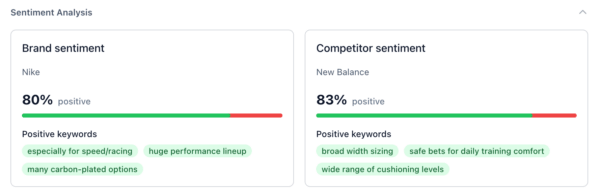
Leveraging the insights provided by Yoast AI Brand Insights, brands can implement targeted strategies to improve their AI visibility:
- Optimize for AI Citations: Actively seek features on relevant, authoritative sites through guest posts, industry roundups, and product reviews on platforms like Capterra, G2, and Trustpilot. These serve as powerful signals of brand trustworthiness for AI. Ensure content is highly structured with clear headings, bullet points, FAQs, and robust Schema markup to make it easily digestible and citable by AI crawlers. Regularly update existing content to ensure freshness, as AI prioritizes current information.
- Monitor and Improve Brand Sentiment: Proactively address negative sentiment identified by AI platforms. This includes responding to online reviews, resolving customer complaints publicly, and publishing case studies or testimonials that highlight positive brand experiences. Integrate positive terms associated with your brand (e.g., "trusted," "award-winning") into marketing campaigns and site content.
- Benchmark Against Competitors: Utilize the competitor ranking features within Yoast AI Brand Insights to understand how your brand’s AI visibility compares to rivals. Analyze their content strategies, engagement on review sites, and overall messaging to identify areas for improvement and competitive differentiation. This allows brands to sharpen their unique value proposition and ensure it resonates within AI-generated recommendations.
- Answer Brand-Specific Questions: AI excels at answering precise, conversational queries. Research common questions in your industry using tools like AnswerThePublic, AlsoAsked, or Google’s "People Also Ask" sections. Create dedicated blog posts, FAQs, or landing pages that directly address these brand-related queries, supporting them with appropriate structured data like FAQ and How-To schema.
- Track Progress with the AI Visibility Index: Establish a baseline AIVI score and regularly review weekly scans from Yoast AI Brand Insights. Monitor trends in mentions, sentiment, and citations, adjusting strategies as needed. A continuous, iterative approach is essential for sustained improvement in AI visibility.
Influencing LLMs: Deep Dive into Content and Technical Optimization
To genuinely influence LLMs to mention your brand, a multi-faceted approach focusing on content authority, external validation, technical accessibility, and community engagement is crucial.
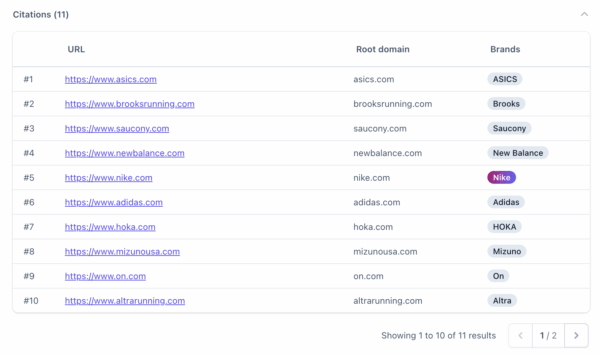
- Publish Authoritative Content: LLMs prioritize factually accurate, well-structured content offering unique insights or expert opinions. Brands should invest in original research, surveys, and industry reports. For example, a "2026 State of [Your Industry] Report" positions a brand as a thought leader and a primary source for AI citations. Employ the inverted pyramid structure, starting with key findings and conclusions, followed by supporting details, to facilitate AI extraction. Incorporate statistics, expert quotes, and actionable insights, moving beyond generic claims to data-backed statements. HubSpot’s success with "Ultimate Guides" exemplifies how comprehensive, authoritative content becomes a go-to resource for both human users and AI systems.
- Secure Mentions on Relevant, High-Authority Sites: LLMs inherently trust reputable sources. Brands must strategically pursue mentions in industry publications, news outlets, and established review platforms. This involves pitching compelling stories to journalists, securing features in "top X tools" lists, and actively encouraging customer reviews on platforms like G2, Capterra, and Trustpilot. The relevance of the source is paramount; a mention in a niche industry publication holds more weight for AI context than a general news site if the latter is unrelated to the brand’s core offering.
- Optimize for Conversational Queries: As AI excels in natural language processing, content must be optimized for how users naturally ask questions. This includes using question-focused headings (e.g., "Is [Your Brand] reliable for startups?"), targeting long-tail keywords (e.g., "best project management tool for remote teams in 2026"), and creating comprehensive FAQ pages with schema markup.
- Build a Strong Citation Network: Beyond direct citations, a robust network of high-quality mentions across the web reinforces a brand’s authority. This involves creating linkable assets (ultimate guides, templates, tools), engaging in proactive outreach to bloggers and journalists to reference your content, and participating in press releases, podcasts, and webinars. The cumulative effect of these mentions signals to LLMs that a brand is a recognized and credible entity within its domain.
- Ensure AI Crawler Accessibility: Technical SEO remains foundational. Brands must ensure their websites are fast-loading, mobile-friendly, and employ clean URLs, effective meta tags, and alt text for images. Crucially, schema markup helps AI crawlers understand the context and relationships of content. Yoast SEO’s
llms.txtfile, a proposed standard, allows brands to guide AI crawlers to their most important content, while careful management ofrobots.txtprevents inadvertent blocking of AI access. - Active Participation in Online Communities: LLMs draw information from diverse sources, including forums, social media, and community platforms like Reddit, Quora, and LinkedIn. Active, valuable, and non-promotional participation in these communities can enhance a brand’s visibility within AI responses. Answering questions on Quora, joining industry-specific discussions on Slack or Discord, and posting thought leadership content on LinkedIn all contribute to a richer, more nuanced digital footprint for AI models to interpret.
The Future is AI-Driven: A Call to Action
The transition to an AI-driven search paradigm is not a speculative future but a present reality. Brands that proactively adapt their strategies to achieve and maintain visibility within AI-generated responses will gain a significant competitive advantage. Yoast AI Brand Insights provides the necessary tools to navigate this new frontier by monitoring brand mentions, analyzing sentiment, benchmarking against competitors, and offering actionable strategies for improvement.
The time for brands to take control of their AI brand visibility is now. By understanding the unique mechanics of AI search, implementing targeted content and technical optimizations, and leveraging specialized monitoring tools, businesses can ensure their narrative is accurately and positively represented, securing trust, credibility, and ultimately, a leading position in the evolving digital landscape. Ignoring this shift is to risk digital obscurity in an increasingly AI-centric world.