rifanmuazin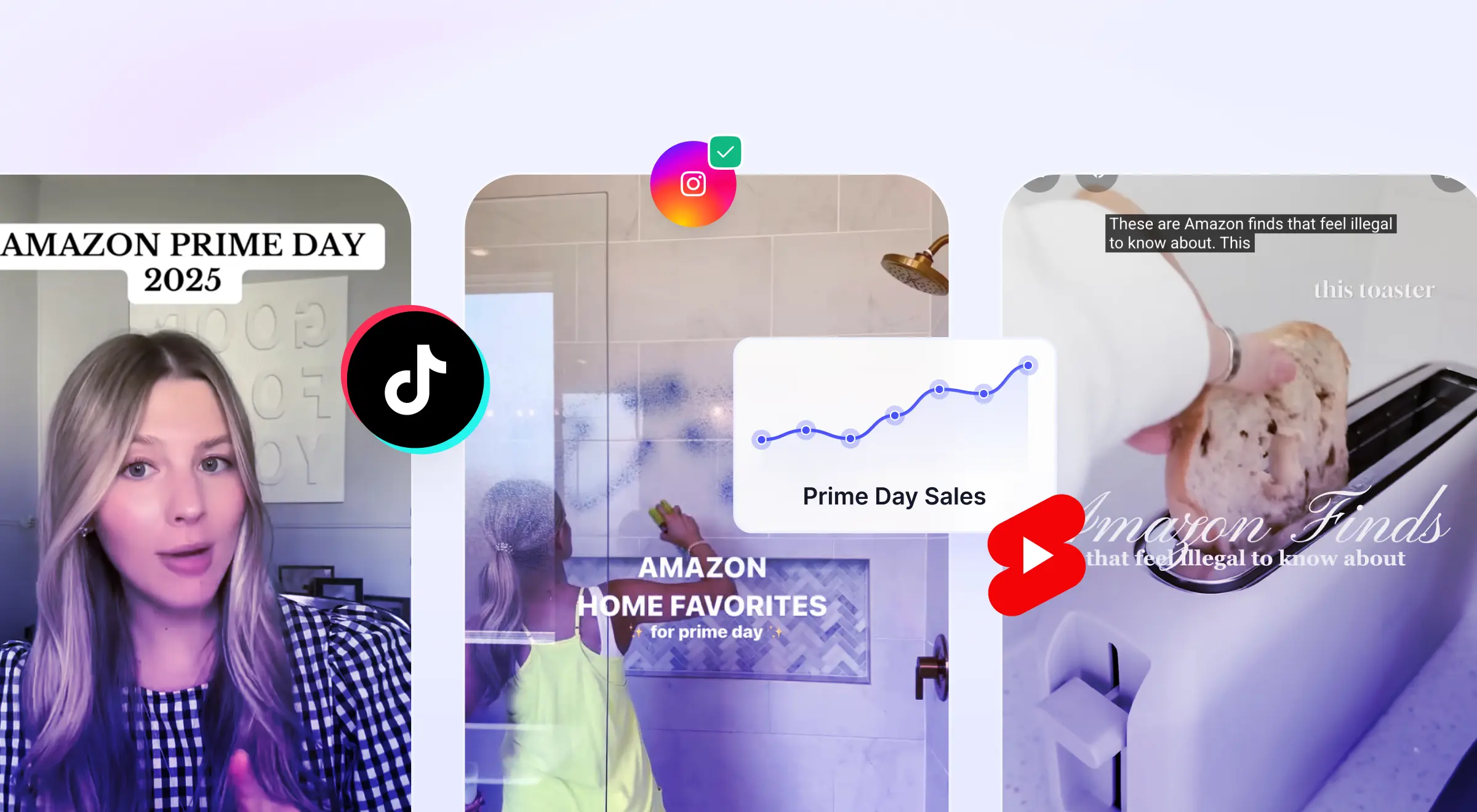
The retail landscape undergoes a seismic shift every July as Amazon Prime Day approaches, transforming the digital marketplace into a high-velocity environment where consumer attention is the most valuable currency. For brands operating within the Amazon ecosystem, the challenge is no longer just about offering the deepest discounts; it is about establishing immediate credibility amidst a sea of competing offers. In this context, user-generated content (UGC)—comprising authentic photos, videos, and testimonials from real customers—has emerged as a critical differentiator. As the e-commerce sector matures, the reliance on polished, brand-produced imagery is being superseded by a demand for "social proof," where the lived experiences of peers dictate purchasing decisions.
A landmark study by Nielsen has highlighted this shift, revealing that UGC is 2.4 times more likely to be perceived as authentic compared to content created directly by brands. For a 48-hour event like Prime Day, where decision-making windows are narrow and choice paralysis is high, this perceived authenticity acts as a catalyst for conversion. By integrating the voices and visual evidence of existing customers into the sales funnel, brands can effectively reduce consumer friction, address unspoken objections, and build the necessary trust to turn a browser into a buyer.
The Economic Context and Evolution of Amazon Prime Day
Since its inception in 2015 to commemorate Amazon’s 20th anniversary, Prime Day has evolved from a single-day sale into a global economic phenomenon. In 2023, Amazon reported that Prime members purchased more than 375 million items worldwide, with the event generating an estimated $12.9 billion in total online sales—a record-breaking figure that underscores the event’s scale. For third-party sellers, who now represent a significant portion of Amazon’s total unit sales, Prime Day is not merely a revenue driver but a critical opportunity for customer acquisition and long-term brand building.
However, the surge in traffic is accompanied by a surge in advertising costs. Cost-per-click (CPC) rates typically spike during the event, making organic trust-building assets like UGC more valuable than ever. Marketing analysts note that brands which rely solely on aggressive bidding without optimizing their creative assets often see diminishing returns. Conversely, those who leverage "earned media"—the content generated by their community—can achieve higher click-through rates (CTR) and lower customer acquisition costs (CAC) by presenting a more relatable brand image.
A Strategic Chronology: The Eight-Week Countdown
Success during Prime Day is rarely the result of last-minute adjustments. It requires a disciplined, multi-month strategy that aligns content creation with logistical readiness. Industry experts suggest a phased approach to ensure that UGC assets are not only collected but also strategically deployed to maximize their impact.
Phase 1: The Audit and Planning Stage (6–8 Weeks Prior)
The preparation begins two months before the event. During this phase, brands must conduct a comprehensive audit of their existing Amazon listings. This involves identifying which products are slated for Prime Day deals and assessing the current state of their visual assets. A critical component of this audit is analyzing "customer sentiment" found in existing reviews and the Frequently Asked Questions (FAQ) section. By identifying common buyer objections—such as concerns about a product’s size, durability, or ease of assembly—brands can specifically commission or curate UGC that addresses these issues visually. For example, if customers frequently ask if a kitchen appliance is too loud, a user-generated video demonstrating the product in a real home setting provides more convincing evidence than a brand’s technical specification sheet.
Phase 2: Incentivizing Authentic Content
Once the gaps are identified, the focus shifts to content acquisition. It is vital to navigate this phase within the strict boundaries of Amazon’s Terms of Service. Amazon strictly prohibits the incentivization of product reviews (ratings and written feedback); however, brands are free to encourage customers to share their experiences on social media or submit content for use in marketing materials. Successful brands often use "product seeding" strategies, sending items to known influencers or loyal customers in exchange for honest content. This process can be streamlined using platforms like Upfluence, which allow brands to manage shipping and tracking for hundreds of creators simultaneously, ensuring a steady stream of high-quality assets.
Phase 3: Community Mining
Not all UGC needs to come from high-profile influencers. Often, the most persuasive content is found within a brand’s own community. By filtering existing customer lists based on social reach and historical engagement, brands can identify "micro-advocates" who already love the product. These individuals provide a level of authenticity that professional creators may lack. Engaging these customers early allows brands to build a library of relatable content that reflects a diverse range of use cases.
Phase 4: Streamlining the Submission Process
Friction is the enemy of content creation. To maximize the volume of UGC, brands must make it effortless for users to submit their photos and videos. This may include dedicated landing pages, QR codes on product packaging, or direct outreach via email. Crucially, this stage must also address the legalities of content usage. Establishing a lightweight rights management system ensures that the brand has the explicit permission to use the content across Amazon listings, social media, and paid advertisements, protecting the brand from future licensing disputes.
Creative Deployment: Integrating UGC into the Amazon Ecosystem
The true value of UGC is realized when it is integrated directly into the Amazon shopping experience. There are several high-impact areas where user-generated assets can be deployed:
- A+ Content and Image Galleries: Replacing or supplementing secondary product images with customer photos allows shoppers to see the product in "real life." This is particularly effective for apparel, home decor, and outdoor gear, where lighting and scale in a studio setting can be misleading.
- Amazon Storefronts: A dedicated "Customer Favorites" or "In Action" tab on a brand’s Amazon Storefront can serve as a social proof hub, encouraging deeper exploration of the brand’s catalog.
- Amazon Live: During Prime Day, Amazon Live becomes a central destination for bargain hunters. Featuring UGC videos or hosting live streams with creators who demonstrate the product in real-time can significantly boost engagement and immediate sales.
The Role of UGC in Paid Media and Advertising
Beyond organic listings, UGC is a potent tool for increasing the effectiveness of Amazon Advertising. Sponsored Brands and Sponsored Display ads that feature short, punchy user-generated videos often outperform traditional static ads. These videos feel less like an interruption and more like a recommendation, which is essential during the high-intensity browsing of Prime Day.
Retargeting campaigns also benefit from UGC. If a shopper views a product but does not purchase, serving them an ad featuring a real person praising that specific product can be the final nudge needed to complete the transaction. This "full-funnel" approach ensures that the trust built through UGC is leveraged at every touchpoint of the customer journey.
Real-Time Optimization and Post-Event Analysis
During the 48 hours of Prime Day, the marketplace is highly dynamic. Brands must stay agile, monitoring which pieces of UGC are driving the most engagement. If a particular user video is generating a high conversion rate on one listing, it can be quickly adapted for use in social media ads or other product pages.
The strategy does not end when the clock strikes midnight. The period following Prime Day is an essential time for "repurposing and analysis." The content generated for the event represents a valuable long-term asset. By analyzing which types of UGC—whether it was unboxing videos, "how-to" guides, or lifestyle photos—resonated most with the audience, brands can refine their strategy for the upcoming Q4 holiday season. This post-event phase allows brands to build a permanent library of conversion-driving content that continues to provide value long after the Prime Day discounts have expired.
Broader Implications for the Future of E-commerce
The strategic emphasis on UGC for events like Prime Day signals a broader shift in the digital economy. We are moving away from an era of "aspirational marketing" toward an era of "verified marketing." In this new paradigm, the brand’s role is to facilitate a conversation between customers rather than simply shouting at them from a billboard.
Industry analysts suggest that this trend will only accelerate as AI-generated content becomes more prevalent. As the internet becomes flooded with synthetic imagery, the value of "human-verified" content will reach a premium. For Amazon sellers, mastering the art of UGC is no longer an optional tactic; it is a fundamental requirement for maintaining a competitive edge in an increasingly crowded and skeptical marketplace.
In conclusion, while Prime Day is defined by its scale and speed, success is built on the slow and steady foundation of trust. By strategically planning, acquiring, and deploying user-generated content, brands can transform the chaos of Prime Day into an opportunity for sustainable growth and deepened customer loyalty. UGC is more than a trend; it is the modern trust signal that buyers rely on when it matters most.