
 rifanmuazin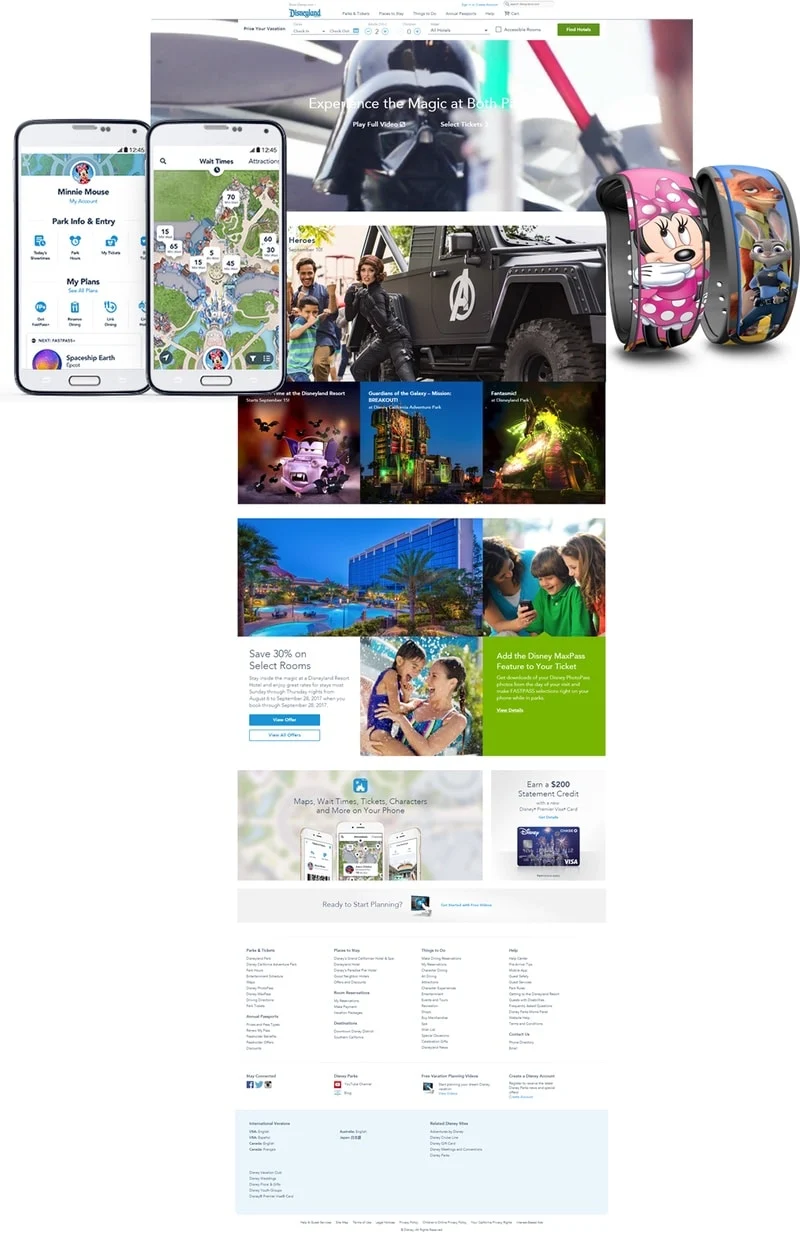
The global e-commerce landscape is currently undergoing a structural transformation, shifting from a period of rapid, pandemic-induced acceleration to a more complex, data-driven era of sustainable growth. As traditional marketing channels become increasingly saturated and customer acquisition costs (CAC) continue to climb, industry leaders are moving away from short-term tactical wins in favor of comprehensive growth marketing strategies designed to withstand market volatility and technological disruption. According to recent industry projections, global e-commerce sales are expected to exceed $6.3 trillion in 2024, yet the brands capturing this market share are no longer those with the largest advertising budgets, but those with the most sophisticated understanding of customer lifetime value (CLV) and technological integration.
The Evolution of E-commerce Marketing: A Three-Decade Chronology
The transition toward future-proof growth marketing is best understood through the chronological evolution of the digital marketplace. In the late 1990s and early 2000s, the "First Wave" of e-commerce was defined by mere presence; companies like Amazon and eBay established the blueprint for online storefronts, focusing on inventory and basic search functionality. The "Second Wave," spanning roughly 2010 to 2020, saw the rise of social media advertising and the "direct-to-consumer" (DTC) explosion, where growth was fueled by cheap Facebook and Google ads.
However, the "Third Wave"—the current era—is defined by privacy regulations (such as GDPR and the deprecation of third-party cookies), the integration of Artificial Intelligence (AI), and a radical shift in consumer psychology. Today’s growth marketing is no longer a linear funnel but a cyclical ecosystem. Brands must now navigate a landscape where consumer trust is the primary currency and technical infrastructure is the backbone of brand equity.
Deep Market Analysis and the Rise of Values-Based Consumption
For an e-commerce growth strategy to remain relevant, it must be anchored in rigorous market analysis that goes beyond basic demographics. Modern consumer insights now prioritize psychographics and behavioral data. A pivotal shift has been observed in the purchasing power of Millennials and Generation Z, who are increasingly dictating market trends.
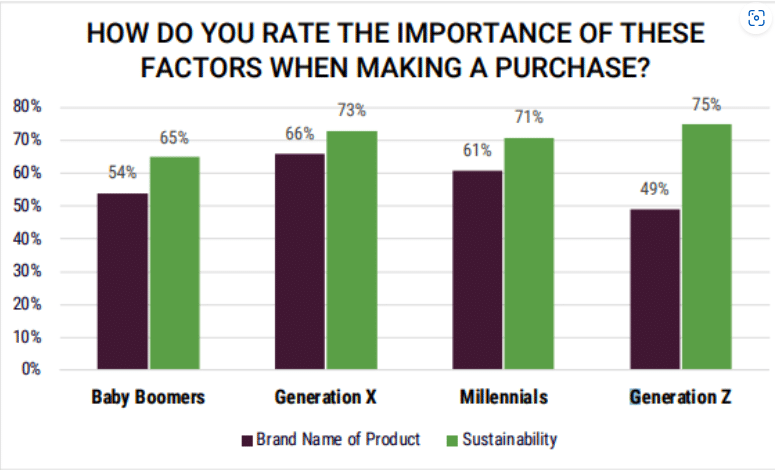
Supporting data from the World Economic Forum indicates that 75% of Generation Z consumers prioritize sustainability and ethical brand practices over mere brand recognition. This demographic shift necessitates a marketing strategy that communicates corporate social responsibility (CSR) as a core value proposition rather than a secondary PR effort. Successful brands are now utilizing sentiment analysis and social listening tools to align their product development and messaging with these evolving societal values.
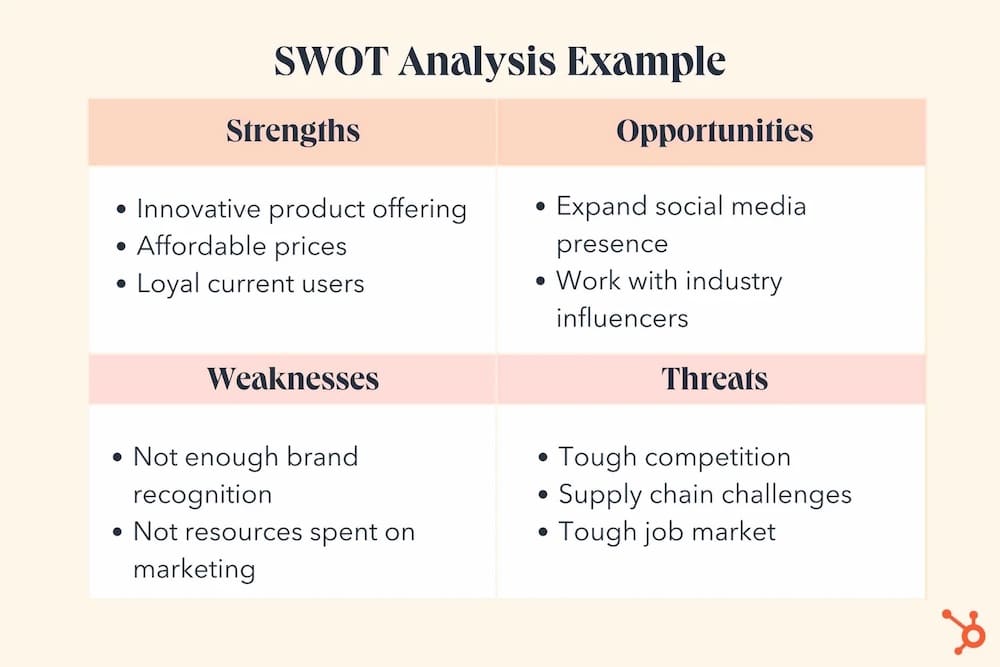
Furthermore, competitive analysis has evolved into a continuous monitoring process. The traditional SWOT (Strengths, Weaknesses, Opportunities, Threats) framework is now being applied dynamically to identify "market gaps" in real-time. For example, Amazon’s historical dominance was not just a result of its vast inventory, but its identification of the "convenience gap," which led to the development of the Amazon Prime ecosystem. Future-proof brands are currently looking for similar gaps in areas such as hyper-personalization and circular economy models (e.g., resale and recycling programs).
Infrastructure as Strategy: Scalability and the AI Integration
A future-proof strategy is only as strong as the technology supporting it. The industry is seeing a massive migration toward scalable, "headless" e-commerce platforms. Unlike traditional monolithic structures, headless commerce decouples the front-end user interface from the back-end logic, allowing brands to deliver content to any device or platform without reconfiguring the entire system.
Industry giants like Shopify and Magento (Adobe Commerce) have become the standard for businesses seeking this flexibility. Shopify currently supports millions of merchants across 175 countries, providing an infrastructure that can scale from a boutique startup to a multi-billion-dollar enterprise. Meanwhile, the integration of AI is no longer a futuristic concept but a present-day requirement.
Stitch Fix, an online personal styling service, serves as a primary case study for AI-driven growth. By leveraging machine learning algorithms to analyze customer preferences, sizes, and styles, the company has revolutionized the "personal shopping" experience. This use of data does not merely improve the user experience; it optimizes inventory management and reduces return rates—two of the most significant costs in e-commerce.
The Mobile-First Mandate and Omnichannel Integration
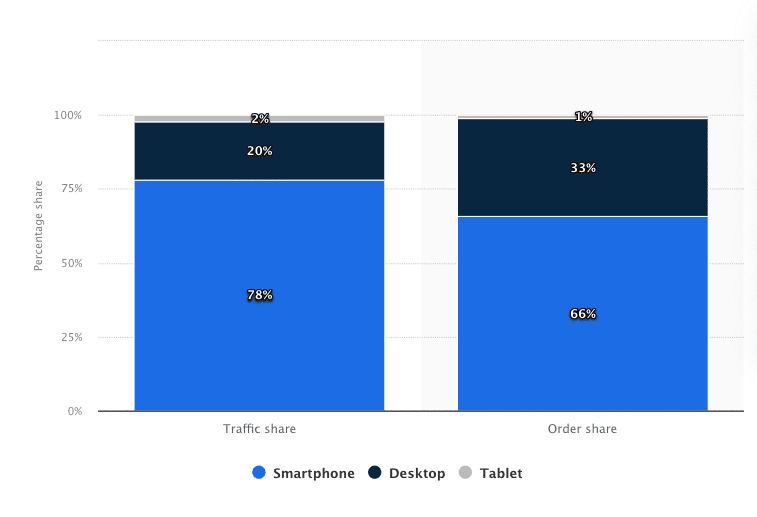
The shift toward mobile commerce (m-commerce) is perhaps the most quantifiable trend in the current market. According to Statista, smartphones accounted for approximately 78% of global retail site traffic in the final quarter of 2023, generating two-thirds of all online shopping orders. A growth marketing strategy that is not optimized for mobile is, by definition, obsolete.
However, mobile optimization is only one piece of the omnichannel puzzle. Modern consumers expect a "frictionless" journey across multiple touchpoints. Whether a customer discovers a product on Instagram, researches it on a desktop site, or visits a physical pop-up shop, the experience must be unified.
Data shows that businesses with robust omnichannel engagement strategies retain an average of 89% of their customers, compared to a meager 33% for those with siloed marketing efforts. Disney’s "My Disney Experience" app is frequently cited by analysts as the gold standard for omnichannel integration. The app connects ticket purchases, hotel bookings, ride wait times, and even RFID-enabled "MagicBands," creating a seamless ecosystem that captures data at every stage of the customer journey.
Content Strategy: From High Volume to Evergreen Authority
The "content is king" mantra has evolved. In the face of AI-generated content saturation, the focus has shifted toward high-quality, evergreen authority. Growth marketers are now investing in content that provides long-term value, such as comprehensive guides, educational videos, and interactive tools.
The wikiHow model serves as an archetype for this strategy. By creating step-by-step, problem-solving content that remains relevant for years, the platform ensures a steady stream of organic traffic. For e-commerce brands, this means moving away from "clickbait" and toward "helpful content." This approach not only improves Search Engine Optimization (SEO) in an era of evolving Google algorithms but also builds brand credibility. When a brand solves a customer’s problem before asking for a sale, it establishes a foundation of trust that is critical for long-term growth.
Cultivating Loyalty in a Low-Trust Environment
With 73% of consumers stating that a positive customer experience is a deciding factor in brand loyalty, the "growth" in growth marketing is increasingly coming from retention rather than acquisition. The cost of acquiring a new customer is estimated to be five to twenty-five times more expensive than retaining an existing one.
Future-proof strategies are therefore prioritizing "Brand Advocacy." This involves turning satisfied customers into vocal supporters through referral programs, exclusive loyalty tiers, and personalized rewards. Brands like Sephora and Starbucks have successfully gamified loyalty, ensuring that the customer feels "seen" and "valued" through data-driven personalization. This emotional connection creates a defensive moat against competitors who may offer lower prices but lack the same level of community engagement.
Performance Metrics: The Shift to Unit Economics
The final pillar of a future-proof strategy is the rigorous analysis of performance. However, the metrics of success are changing. While "Vanity Metrics" like likes and follows were once prioritized, sophisticated growth marketers now focus on unit economics:
- Customer Acquisition Cost (CAC): The total cost to acquire a single customer.
- Customer Lifetime Value (CLV): The total revenue a customer is expected to generate.
- ROAS (Return on Ad Spend): Efficiency of marketing capital.
- Retention Rate: The percentage of customers who return for a second purchase.
Tools like Google Analytics 4 (GA4) and behavioral analysis platforms like FigPii are essential for this data-driven approach. By utilizing heatmaps, A/B testing, and conversion rate optimization (CRO) tools, marketers can move beyond guesswork. Experts suggest that even a 1% improvement in retention can lead to a 20% increase in annual revenue, highlighting the massive impact of optimization.
Implications and the Future Landscape
The broader implication of these shifts is a move toward a more "human-centric" digital economy. As AI automates the technical aspects of marketing—from bidding on ad spots to generating product descriptions—the competitive advantage will lie in human-centric elements: brand storytelling, ethical transparency, and genuine community building.
Industry analysts from firms such as Gartner and McKinsey suggest that the next decade of e-commerce will be defined by "Hyper-Personalization at Scale." Brands that can use technology to make every customer feel like they are the only customer, while maintaining a sustainable and ethical supply chain, will be the ones that survive the next market correction.
In conclusion, securing an e-commerce growth marketing strategy for the future requires a holistic approach. It is no longer enough to have a good product or a large ad budget. Success now demands a sophisticated blend of deep consumer empathy, a scalable and secure technological stack, and an unwavering focus on the long-term value of the customer relationship. By building these foundations today, businesses can ensure they are not just reacting to the future, but actively shaping it.








