rifanmuazin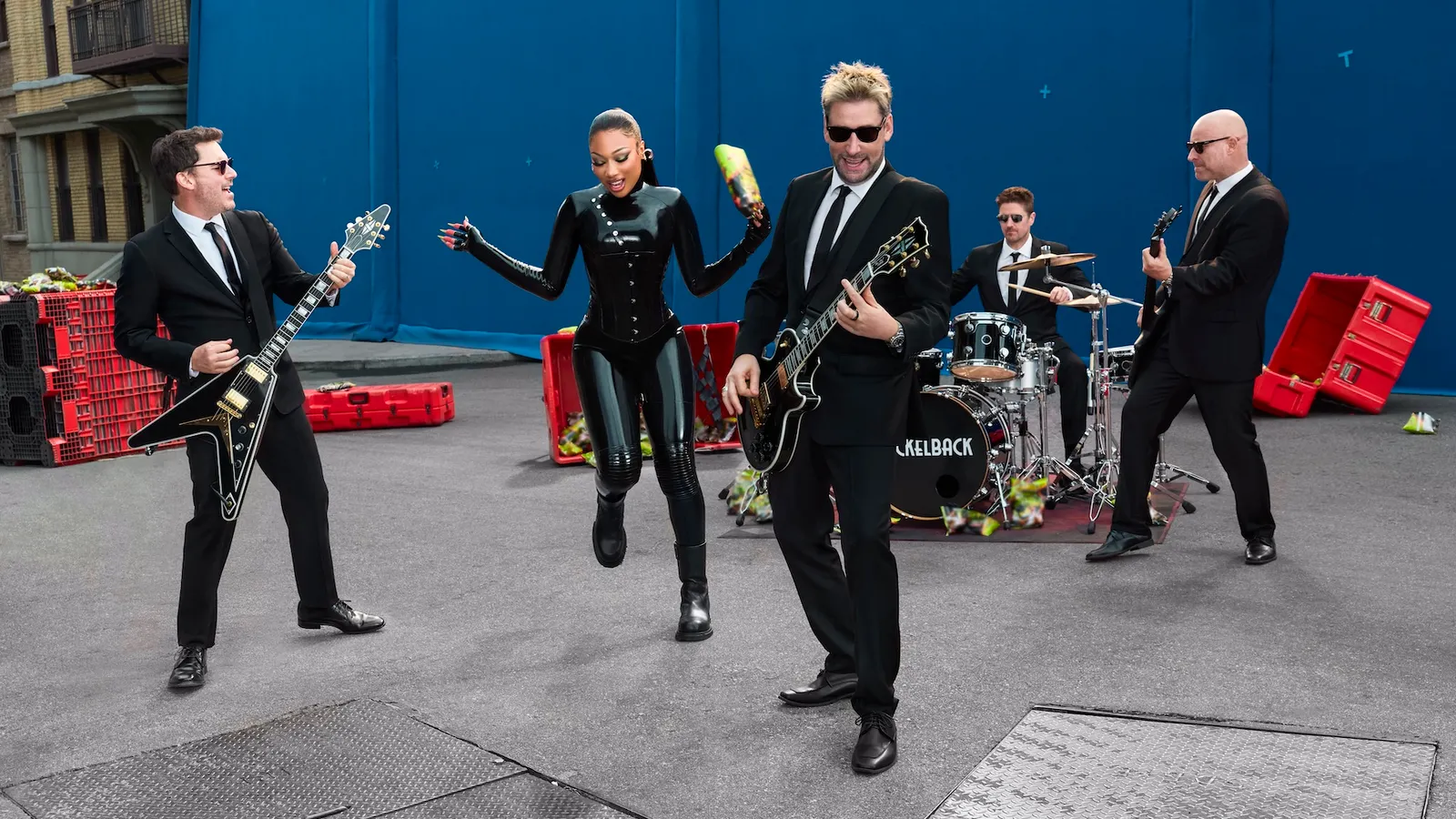
PepsiCo has once again demonstrated its prowess in capturing consumer attention and driving cultural relevance with the audacious "Pickle’s Back" campaign for its Cheetos Flamin’ Hot Dill Pickle flavor. This multifaceted marketing initiative, which saw the unexpected reunion of a beloved snack with a reimagined rock anthem and a star-studded music video, has not only solidified the flavor’s status as a permanent fixture but also underscored PepsiCo’s keen understanding of the modern "attention economy" and the enduring power of nostalgia. The campaign’s success serves as a compelling case study in leveraging cultural touchstones, fostering unlikely collaborations, and embracing longer-form content to achieve significant market impact.
The genesis of this campaign lies in the remarkable success of Cheetos Crunchy Flamin’ Hot Dill Pickle. Launched in February of the previous year, this limited-edition offering was a strategic mashup of two potent consumer trends: the pervasive dill pickle craze and the explosive popularity of PepsiCo’s Flamin’ Hot brand portfolio. The unique flavor profile, combining the tangy zest of dill pickle with the signature fiery kick of Flamin’ Hot, resonated deeply with consumers, propelling it to become the fastest-selling limited-edition flavor in Cheetos brand history. Its overwhelming reception led to an immediate decision to transition the flavor from a temporary offering to a permanent staple, a testament to its widespread appeal and commercial viability.
Chris Bellinger, Chief Creative Officer at PepsiCo Foods U.S., articulated the challenge and ambition behind the flavor’s triumphant return: "It was a question of how are we going to do this justice? If we’re going to do this and bring it back in a really big way, what could we do with this?" This pivotal question set the stage for an innovative approach that would transcend conventional product promotion.
The Unlikely Symphony: From Pickle Trend to Rock Anthem Remix
The breakthrough concept, ultimately titled "Pickle’s Back," emerged from the collaborative efforts of PepsiCo and its agency partner, Gut Miami. The core of the campaign revolved around a daring musical collaboration: a remix of Nickelback’s iconic 2001 hit, "How You Remind Me." This audacious choice was inspired by the inherent phonetic similarity between "pickle back" – a popular cocktail and flavor profile – and the post-grunge band’s name. The strategy was further amplified by the inclusion of a new verse from Grammy-winning rapper Megan Thee Stallion, a frequent and successful collaborator with PepsiCo.
The agency’s initial proposal to connect the pickle flavor with Nickelback was met with enthusiasm, particularly given Megan Thee Stallion’s demonstrated affinity for the band. Social media buzz had previously captured the rapper jamming to Nickelback’s music on TikTok, providing a compelling narrative thread for this unexpected partnership. This organic connection provided the creative team with a strong foundation to build upon.
Nickelback itself became an active participant in the creative process, agreeing to rewrite the lyrics of their seminal hit to align with the Cheetos product. This collaborative spirit transformed familiar lines, such as the introspective "Are we having fun yet?" into a direct, product-focused query: "Are your fingers red yet?" The band then joined forces with Megan Thee Stallion, and the resulting rap-rock remix reportedly surprised even the campaign’s architects with its cohesive and impactful sound. Bellinger recounted the surreal experience, recalling moments where Nickelback frontman Chad Kroeger would "whip out his guitar and start playing and riffing on some songs on the Zoom call," adding a layer of genuine musical artistry to the commercial endeavor.
A Cinematic Heist: Bringing "Pickle’s Back" to Life
Complementing the musical revival, PepsiCo enlisted the directorial talents of Dave Meyers, a luminary in the music video production world, known for his work with a roster of global music superstars and his prior collaborations with PepsiCo. Meyers was tasked with translating the "Pickle’s Back" anthem into a visual narrative that was as bold and memorable as the song itself. The resulting music video unfolds as a mini-heist movie, injecting a sense of adventure and mischief befitting the Cheetos brand, personified by its iconic mascot, Chester Cheetah.
The video’s plotline involves a series of miscommunications on a music video set, leading Megan Thee Stallion to connect with Nickelback. Donning Chester Cheetah masks, the unlikely ensemble orchestrates a daring heist to retrieve the prized Cheetos Flamin’ Hot Dill Pickle. The narrative escalates with a high-octane truck chase, a surreal sequence where Megan surfs a wave of vibrant red Cheetos dust, and culminating in a widespread eruption of delicious chaos in the streets. Bellinger described Meyers as a key collaborator when the brand aims for the unconventional: "He’s always one of my go-tos when [we can] be weird. He can either push stuff really, really extreme and I can pull it back, or vice versa, being like, ‘This isn’t far enough,’ and he gets really excited."
To amplify the launch, Cheetos strategically disseminated behind-the-scenes stills and footage across its talent and owned social media platforms, while also leveraging digital advertising to boost the music video’s reach. This multi-pronged approach ensured maximum visibility and engagement across diverse consumer touchpoints.
"Newstalgia" and the Attention Economy: A Strategic Masterstroke
The "Pickle’s Back" campaign is deeply rooted in two significant contemporary marketing trends: the resurgence of nostalgia, often termed "newstalgia" or "borrowed nostalgia," and the critical importance of capturing attention in a saturated digital landscape. By tapping into the cultural resonance of a 2000s hit song, Cheetos appealed to a broad demographic, bridging generational divides. As an iconic brand with a vast and diverse audience, Cheetos must continually innovate to remain relevant across different age groups.
Bellinger emphasized this strategic imperative: "We have to continually evolve our brands to make sure that we’re staying… at that tip of the spear. It’s using things that are instantly recognizable that bring you in, but still have such a fresh take to it that it doesn’t feel like you’re just borrowing for nostalgia’s sake, because the last thing we want to do is feel like we’re old." The campaign successfully achieved this balance by recontextualizing a familiar song within a modern, energetic narrative.
Furthermore, the campaign’s embrace of a four-minute music video aligns with a growing trend of longer-form content proving effective in engaging audiences. Brands like KFC and Hollister have recently adopted similar music video formats, recognizing that algorithms on platforms like YouTube and TikTok increasingly favor "sticky" content that encourages higher completion rates.
In an era defined by the "attention economy," the ability to hold a consumer’s gaze is paramount. Bellinger stated, "We’re in an attention economy, so if I can make you stay around for more than five seconds, we’ve got something good. If I can make you stick around for three minutes, I’ve got something epic." He further elaborated on the intangible value of genuine engagement: "We always joke, I can buy a like and I can buy a view, but I can’t buy a comment or a share."
The success of "Pickle’s Back" is demonstrably measured by these key performance indicators. PepsiCo reported approximately 150,000 shares of the video, a significant metric indicating strong audience resonance and a willingness to propagate the content organically. Consumer comments frequently expressed surprise at their sustained engagement with a four-minute advertisement, with many indicating a desire to rewatch it or even purchase the product in anticipation of further creative content. This enthusiastic reception points to the campaign’s success in generating authentic virality and deep consumer engagement.
Implications and Future Horizons
The "Pickle’s Back" campaign’s impact extends beyond immediate sales figures. It has reaffirmed PepsiCo’s ability to not only identify emerging consumer trends but also to creatively integrate them into compelling marketing narratives. The campaign’s success with the dill pickle flavor, coupled with its innovative marketing approach, has also sparked conversations about future product development.
Notably, the music video subtly features a Cheetos executive endorsing a fictional "Cheetos Anchovies and Mayo" flavor. This playful inclusion has led to humorous speculation about the possibility of such an unconventional flavor being introduced as a limited-time offering. Bellinger’s lighthearted response, "We might have to do an LTO, right? Like, hold on, that might actually be good," hints at the brand’s willingness to explore even the most outlandish consumer cravings, further solidifying its reputation for embracing the unexpected. Even the brand’s Research and Development team acknowledged the campaign’s audacious spirit, with one member humorously remarking, "You guys have lost your minds."
In conclusion, PepsiCo’s "Pickle’s Back" campaign for Cheetos Flamin’ Hot Dill Pickle is a masterclass in modern marketing. By skillfully blending cultural relevance, unexpected collaborations, and an understanding of evolving media consumption habits, the brand has not only achieved significant commercial success but has also solidified its position as a cultural innovator. The campaign’s ability to generate organic engagement, foster genuine excitement, and playfully hint at future culinary adventures underscores the power of creative storytelling in an increasingly competitive marketplace.